


 English
 русский
 عربى
عربى
Cat:CNC Roll Milling Machine
CNC Notching and Marking Machine
XK9350 series CNC rebar roll crescent groove milling machine is the upgraded product of XK500 type, which is suitable for processing rolls with diamet...
See DetailsCNC roll grinding machines outperform conventional machines in precision, automation, and repeatability, while conventional grinding remains cost-effective for small-scale or less critical applications. The choice depends on production volume, required accuracy, and operational flexibility.
Conventional roll grinders rely heavily on operator skill and manual adjustments. Typical dimensional tolerances range from ±0.05 mm to ±0.1 mm, and surface finish quality can vary due to inconsistencies in operator technique and vibration control.
CNC machines provide automated control over all grinding parameters, resulting in tolerances as tight as ±0.01 mm and a superior, uniform surface finish. Integrated sensors and computer-controlled adjustments ensure high repeatability across multiple rolls.
Manual and semi-automatic adjustments limit conventional grinding speed, with average production of 2–4 rolls per shift. Frequent operator interventions increase downtime, especially for complex roll geometries.
CNC roll grinders achieve 6–10 rolls per shift with minimal supervision. Automatic wheel dressing, adaptive feed rates, and precise axis control dramatically reduce cycle times while maintaining high-quality results.
Conventional grinders allow easy adjustments for new roll diameters or profiles but require operator experience. The setup time for each new roll can range from 30–60 minutes.
CNC machines provide flexible programming for multiple roll sizes and profiles. Once the program is set, setup time is reduced to 5–15 minutes, enabling efficient handling of small batches and frequent product changes.
Manual operation requires highly skilled operators for precise roll alignment, wheel dressing, and finishing. Labor cost is higher due to continuous operator involvement and the need for extensive training.
CNC operation reduces dependence on operator skill, as the program controls all critical parameters. Typically, 1–2 operators can oversee multiple machines, reducing labor costs while maintaining consistent quality.
Simpler mechanical systems make maintenance straightforward. Downtime is generally limited to routine lubrication and part replacement, averaging 2–4 hours per week.
CNC systems require preventive maintenance of electronics, servo motors, and sensors. Average planned downtime is 4–6 hours per week, but predictive maintenance and real-time monitoring can prevent unexpected failures.
| Feature | Conventional Machine | CNC Machine |
|---|---|---|
| Precision | ±0.05–0.1 mm | ±0.01 mm |
| Surface Finish | Variable, operator-dependent | Consistent, high-quality |
| Production Speed | 2–4 rolls/shift | 6–10 rolls/shift |
| Setup Time | 30–60 min | 5–15 min |
| Labor Requirement | Skilled operator per machine | 1–2 operators for multiple machines |
| Maintenance | 2–4 hours/week | 4–6 hours/week |
CNC roll grinding machines are superior for high-precision, high-volume production with minimal operator dependence, while conventional machines remain viable for low-volume or less critical applications. Selection depends on production needs, budget, and required tolerances.
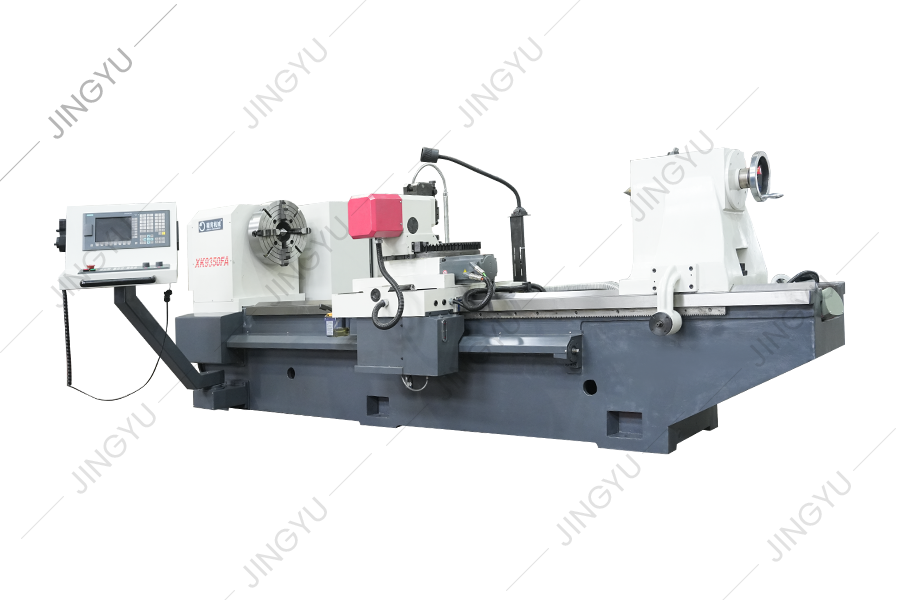
XK9350 series CNC rebar roll crescent groove milling machine is the upgraded product of XK500 type, which is suitable for processing rolls with diamet...
See Details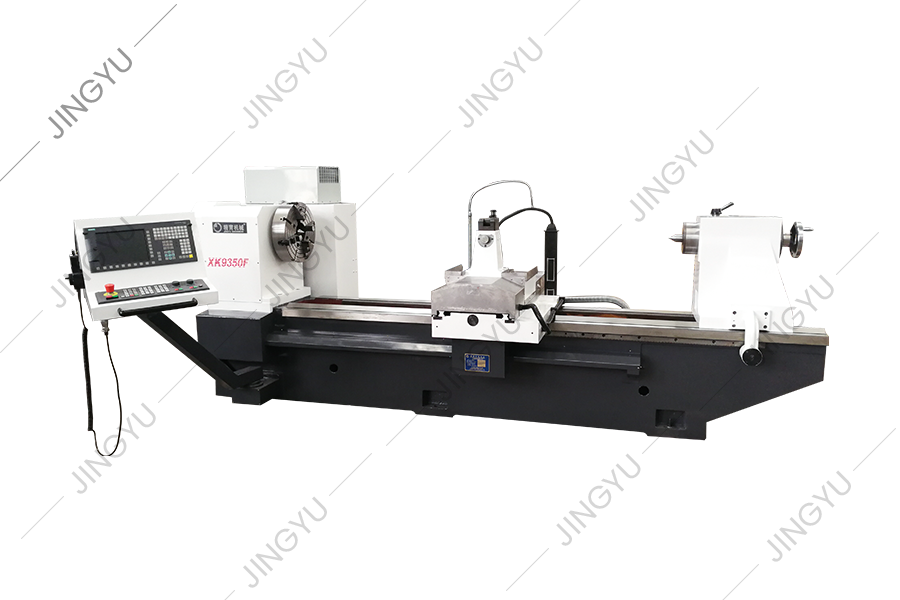
XK9350 series CNC rebar roll crescent groove milling machine is the upgraded product of XK500 type, which is suitable for processing rolls with diamet...
See Details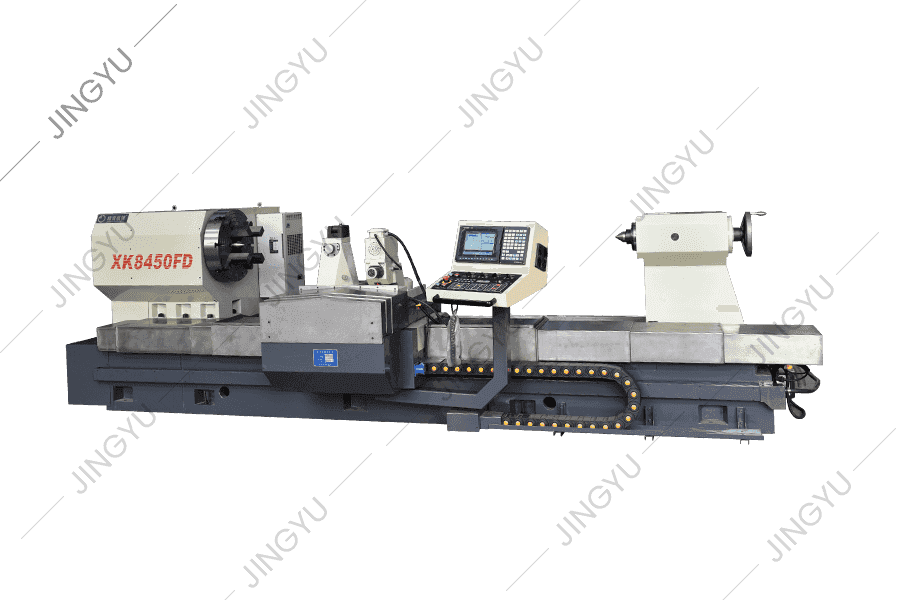
In view of the problems of high speed steel roll processing, XK8450 CNC roll milling machine is a new type of CNC roll groove processing machine tool ...
See Details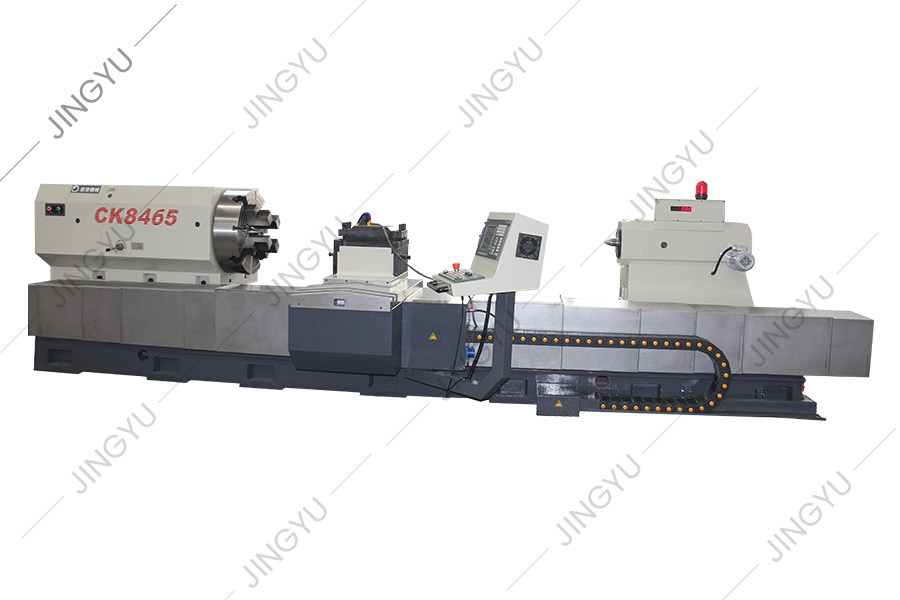
CK8465H CNC roll lathe bed adopts a 2+3 heavy-duty linear rolling guide structure, that is, two rectangular guide rails arranged horizontally on the b...
See Details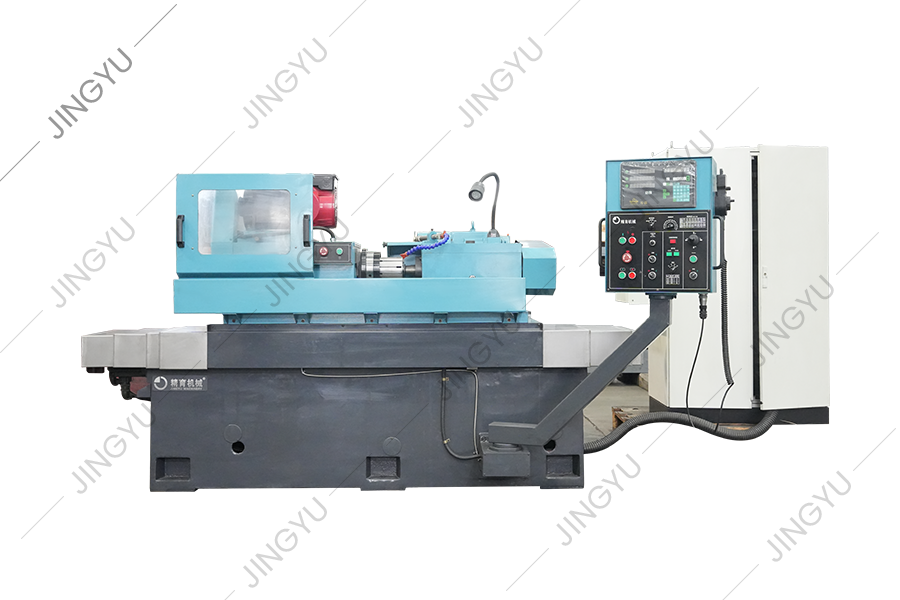
The roll ring forming grinder is mainly used for grinding tungsten carbide roller rings for high-speed wire rod production. The formed diamond grindin...
See Details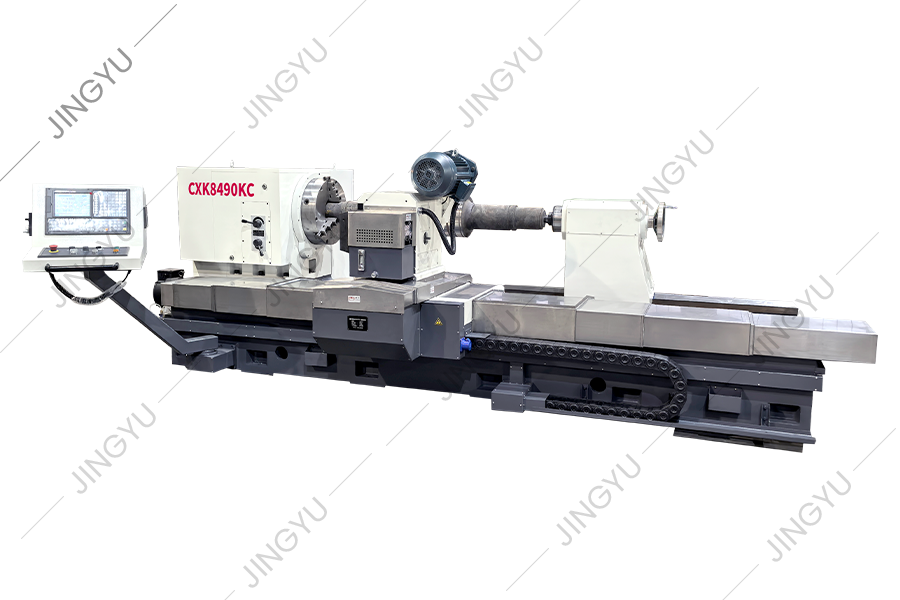
This machine tool is a new type of CNC roll grooving machine tool developed based on the company's CNC roll milling machine series and after full rese...
See Details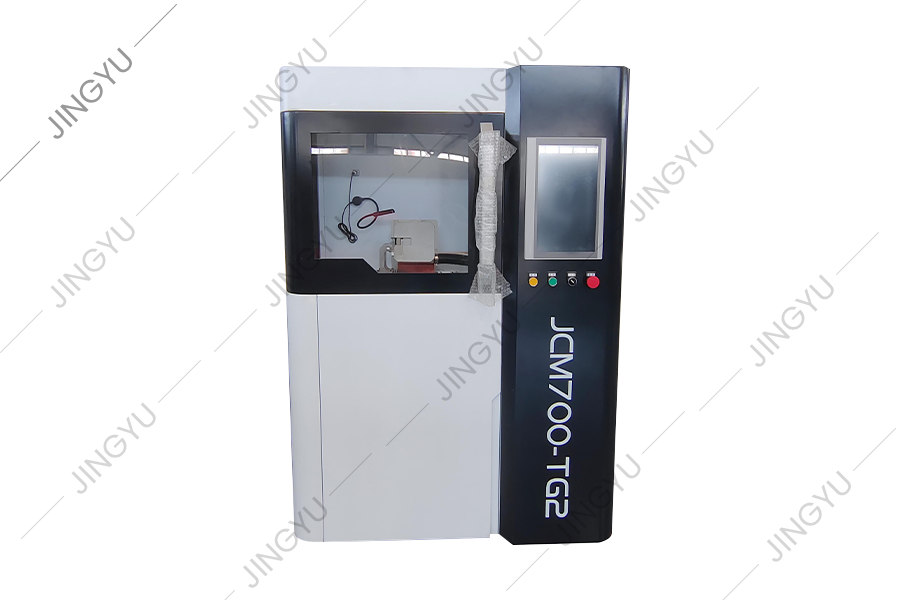
This machine is mainly used for grinding and repairing the milling cutter of roll threaded cross rib, which can easily repair and grind the edge of re...
See Details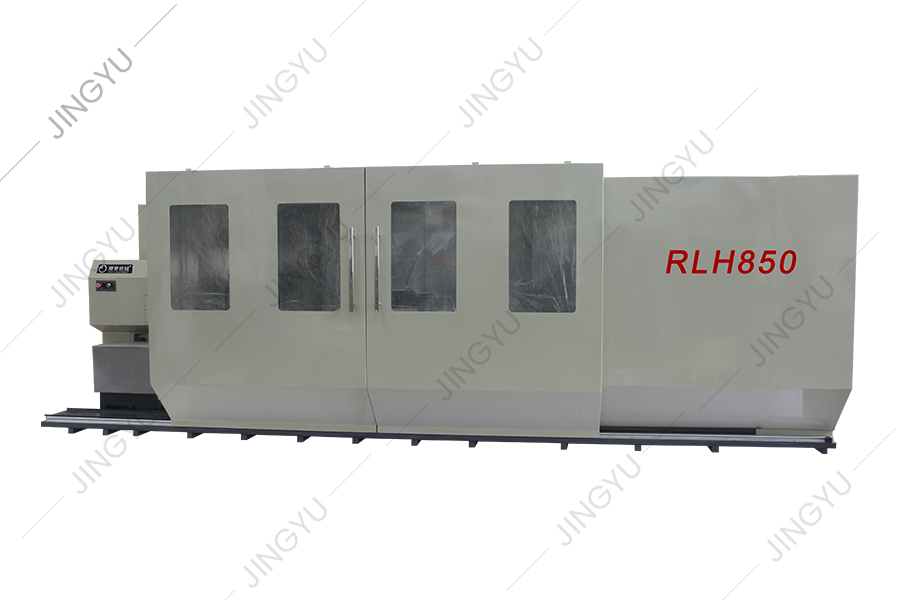
This machine tool is a new type of CNC roll grooving machine tool developed based on the company's CNC roll milling machine series and after full rese...
See Details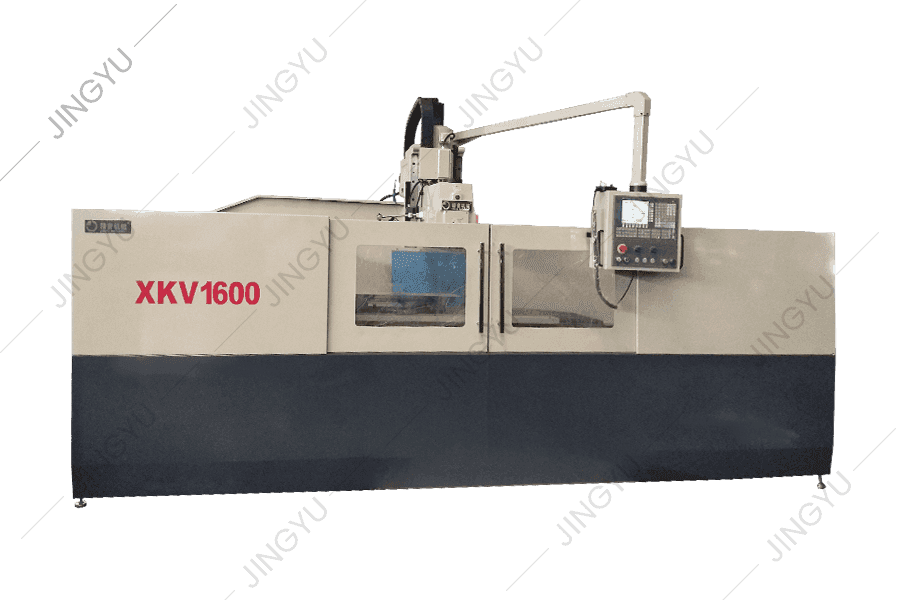
The CNC-reinforced milling machine adopts a full-gear spindle box, and the spindle transmission part adopts gears with precision of more than 6 levels...
See Details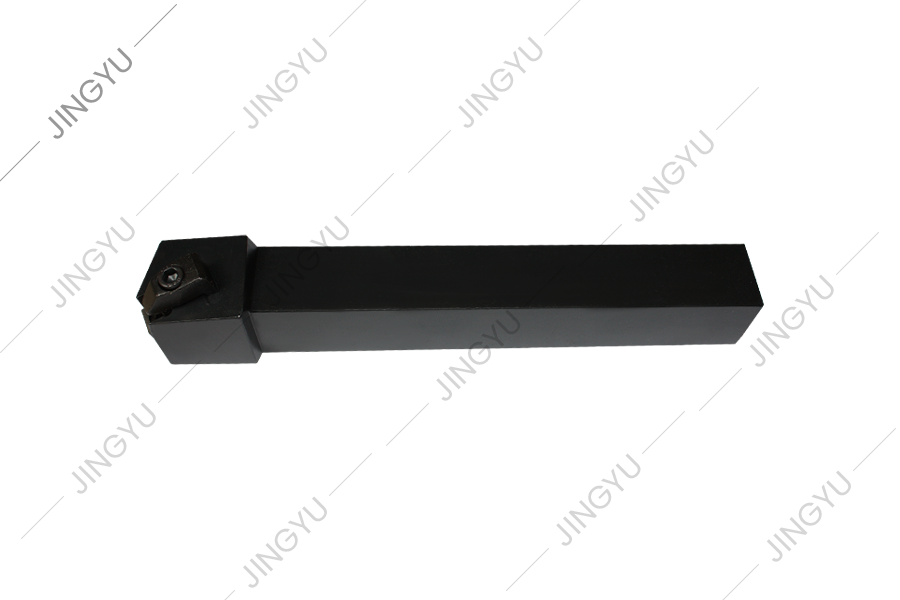
This series mainly provides common-wearing parts for CNC roll lathes, such as CBN blades, PCD blades, chucks, screws, etc.
See DetailsNo.3, Xinghe Road, Zhaxi Industrial Park, Chongchuan District, Nantong, Jiangsu Province, 226003, P.R.China
info@rolllathe.com jennifergao@rolllathe.com
+86-513-85636116
Copyright © Nantong Jingyu Machinery Co., Ltd. All Rights Reserved
 China Roll Turning Lathe Manufacturers
