


 English
 русский
 عربى
عربى
Cat:CNC Roll Turning Lathe
Heavy Duty CNC Roll Turning Lathe
This series of machine tools is mainly used to pass and process rolls. It can also turn the outer circle and roll neck of rolls, and can also turn par...
See DetailsA CNC roll turning lathe is a computer-controlled machining system designed for high-precision turning, grinding, and finishing of large cylindrical rolls used in steel, paper, textile, and industrial manufacturing.
These machines are engineered to handle heavy-duty workpieces weighing from a few hundred kilograms to over 50 tons, while maintaining micrometer-level accuracy, often within ±0.005 mm in advanced configurations.
The machine operates by rotating the roll workpiece while a cutting tool moves along controlled CNC axes to shape its surface with high precision.
Modern CNC roll turning systems can achieve surface roughness values as low as Ra 0.2 μm, making them suitable for high-performance industrial rollers.
The structural design of a roll turning lathe is optimized for rigidity, vibration damping, and heavy-load stability.
| Component | Function | Importance |
|---|---|---|
| Bed Structure | Supports entire machine system | Ensures rigidity and stability |
| Spindle System | Rotates heavy workpieces | Determines machining accuracy |
| CNC Controller | Controls motion and parameters | Enables automation precision |
| Tool Post System | Holds cutting tools | Ensures machining accuracy |
Machine rigidity is a critical factor; even slight vibration can affect surface precision when machining large rolls.
Different configurations are used depending on roll size, material, and industrial application.
Designed for long and heavy cylindrical rolls, commonly used in steel and paper industries.
Suitable for large-diameter rolls with shorter length, offering better load distribution.
Horizontal systems dominate over 70% of industrial roll machining applications due to their flexibility and compatibility with long workpieces.
CNC roll turning lathes are essential in industries requiring high-precision cylindrical components.
In steel production, roll accuracy directly affects product flatness; a deviation of just 0.01 mm can significantly impact sheet quality.
These machines offer significant improvements over conventional manual or semi-automatic lathes.
Automation in CNC roll turning can increase production efficiency by 40%–60% compared to traditional machining methods.
Choosing the right CNC roll turning lathe requires careful evaluation of technical and operational requirements.
High-end industrial models often support workpieces exceeding 10 meters in length with integrated measurement and correction systems.
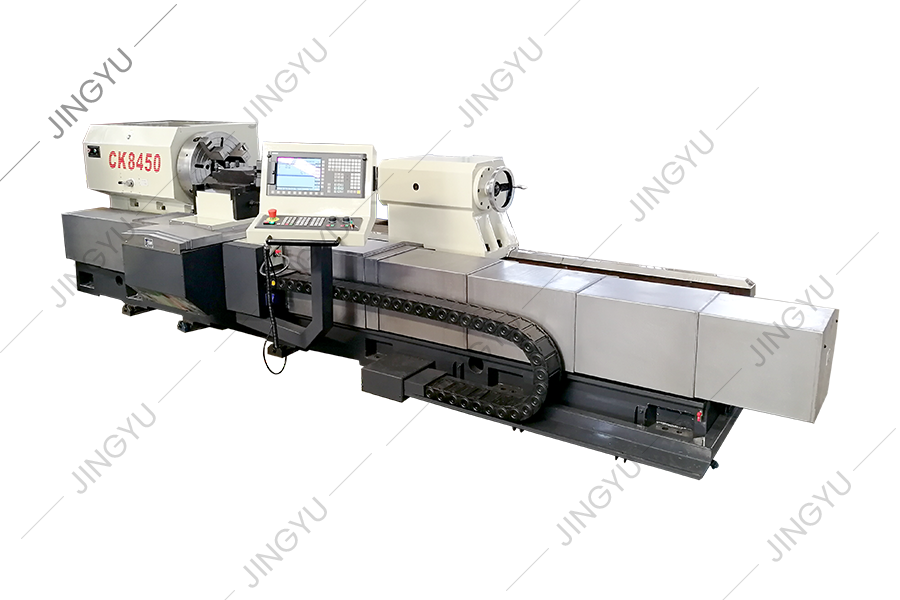
This series of machine tools is mainly used to pass and process rolls. It can also turn the outer circle and roll neck of rolls, and can also turn par...
See Details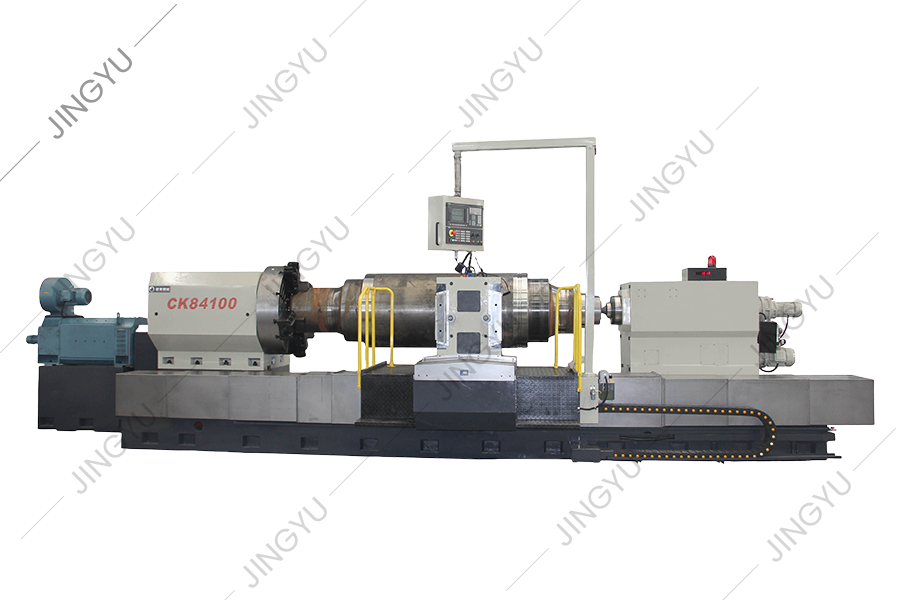
CK84 series CNC roll lathe adopts Siemens 828D CNC system and is driven by a servo motor. When designing this machine tool, we fully analyzed the tech...
See Details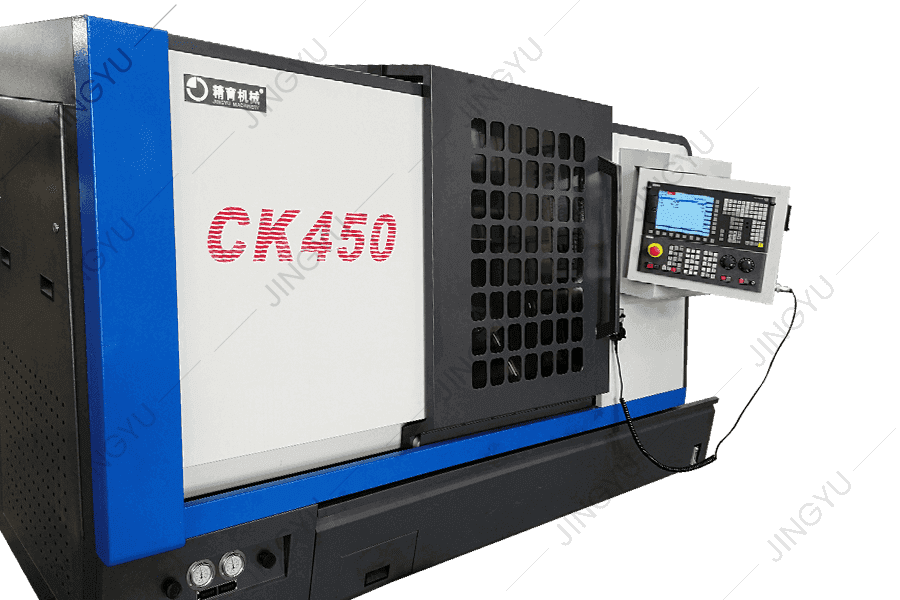
The CK450 inclined bed CNC lathe adopts the German Siemens control system. The appearance, operating system, and safety protection system of the machi...
See Details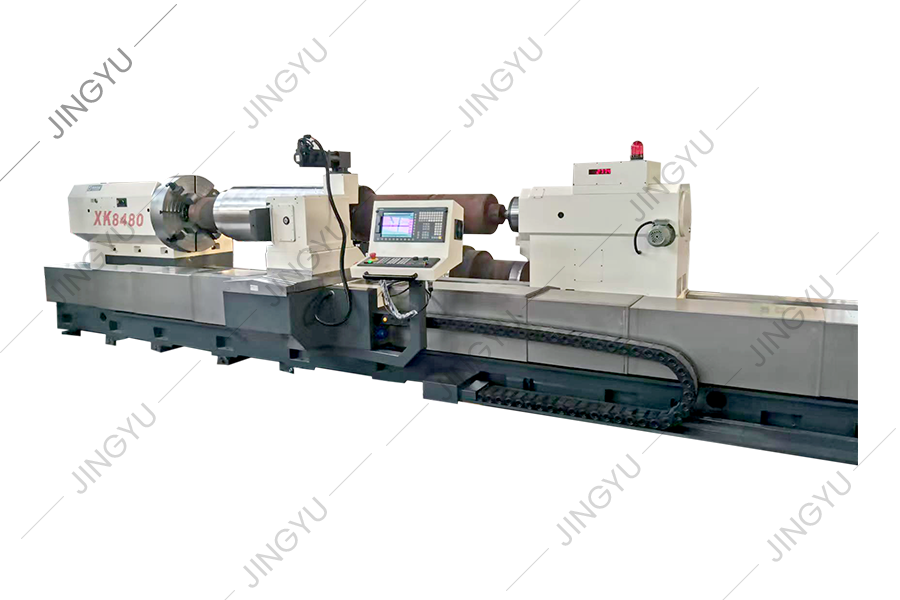
At present, pattern roll engraving at home and abroad generally adopts electrolysis method, ordinary horizontal milling machine milling and other proc...
See Details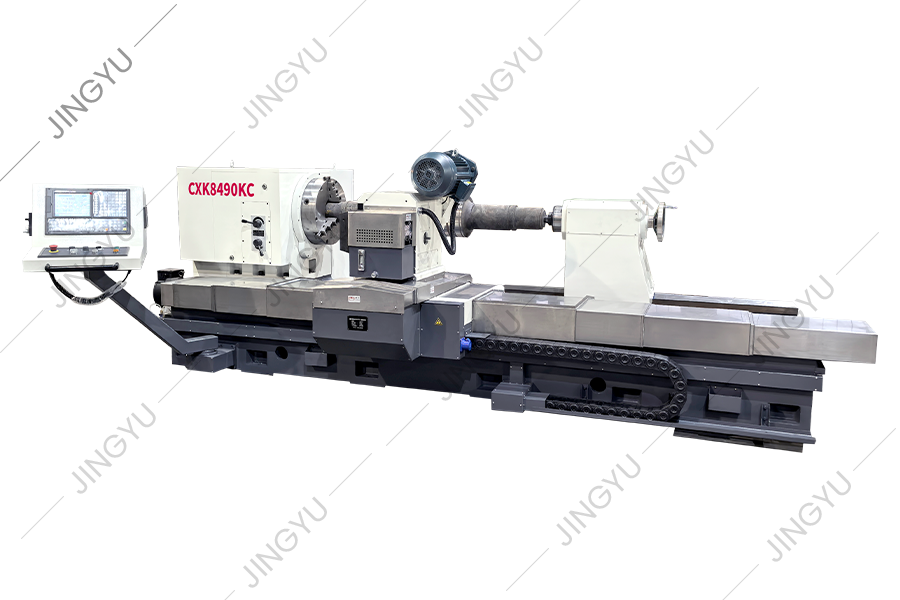
This machine tool is a new type of CNC roll grooving machine tool developed based on the company's CNC roll milling machine series and after full rese...
See Details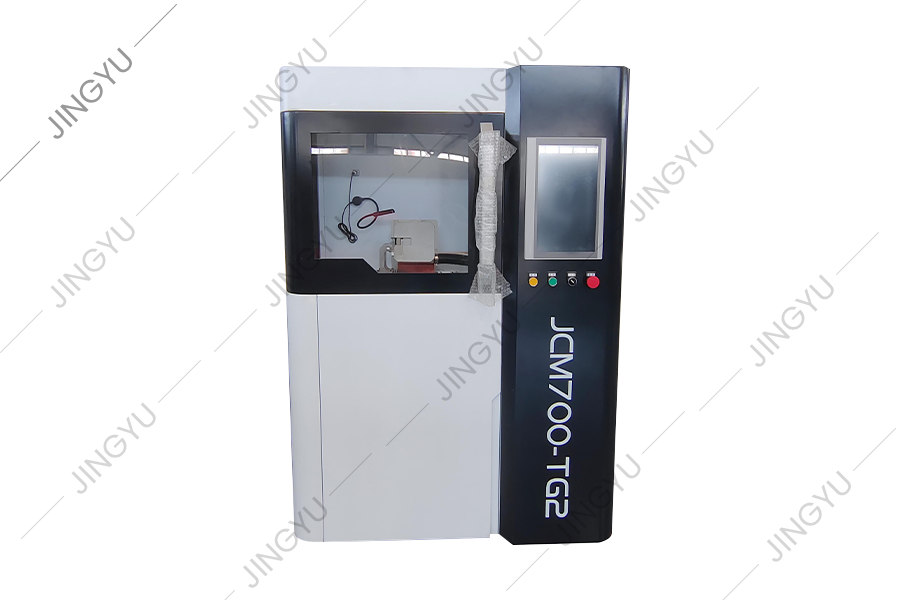
This machine is mainly used for grinding and repairing the milling cutter of roll threaded cross rib, which can easily repair and grind the edge of re...
See Details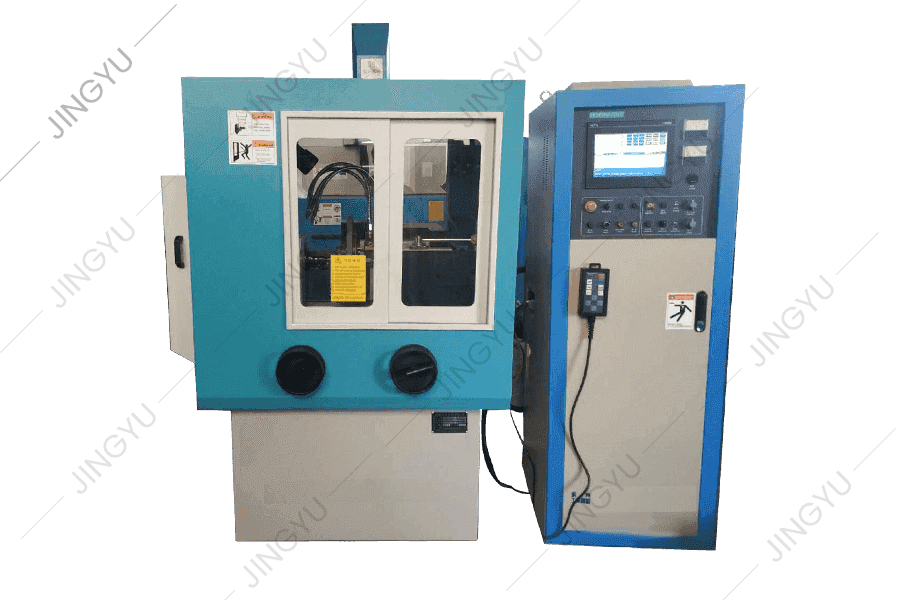
MX250 is a standard diamond wheel dressing machine, used for forming and dressing diamond wheels for metallurgical steel mills. The diameter of diamon...
See Details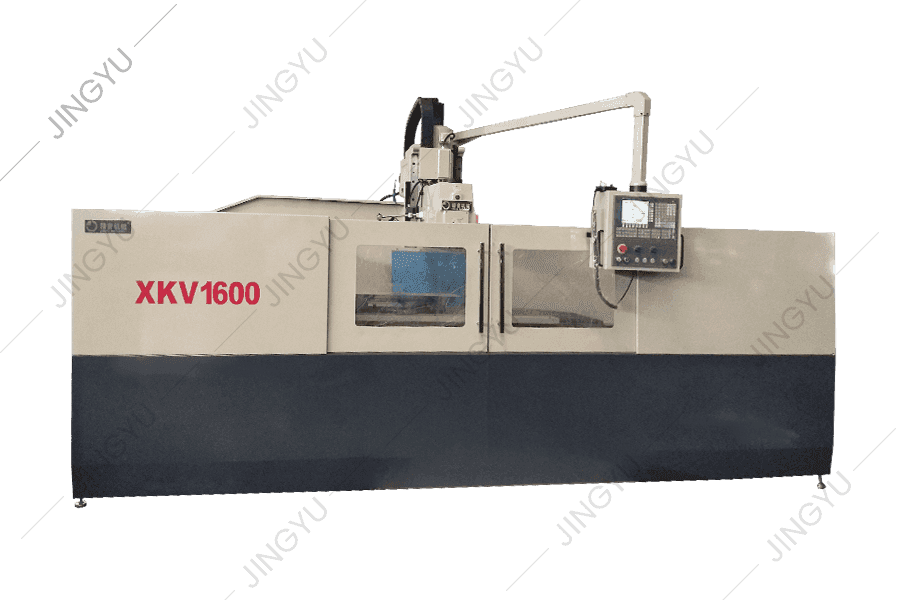
The CNC-reinforced milling machine adopts a full-gear spindle box, and the spindle transmission part adopts gears with precision of more than 6 levels...
See Details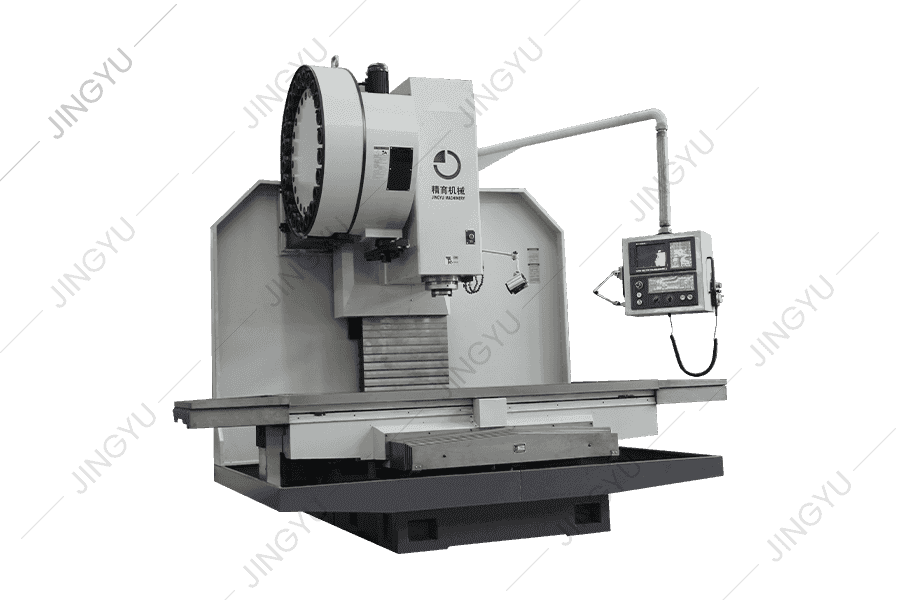
All three axes of the machine are P3-level 50×P10 ball screws, and the assembly process of 2-end fixed pretension is used to strengthen the axial rigi...
See Details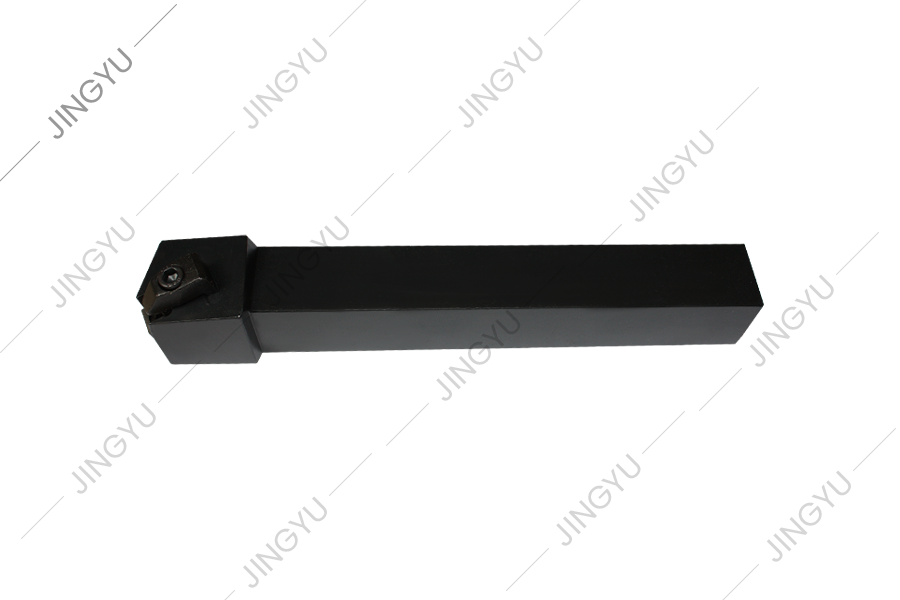
This series mainly provides common-wearing parts for CNC roll lathes, such as CBN blades, PCD blades, chucks, screws, etc.
See DetailsNo.3, Xinghe Road, Zhaxi Industrial Park, Chongchuan District, Nantong, Jiangsu Province, 226003, P.R.China
info@rolllathe.com jennifergao@rolllathe.com
+86-513-85636116
Copyright © Nantong Jingyu Machinery Co., Ltd. All Rights Reserved
 China Roll Turning Lathe Manufacturers
