


 English
 русский
 عربى
عربى
Cat:CNC Roll Milling Machine
CNC Roll Notching Machine
XK9350 series CNC rebar roll crescent groove milling machine is the upgraded product of XK500 type, which is suitable for processing rolls with diamet...
See DetailsA CNC roller grinder is an advanced, computer-controlled machine designed to perform precision grinding of rollers, cylindrical parts, and various other components used in manufacturing. CNC stands for Computer Numerical Control, which means that the machine’s operations are fully automated and programmed for maximum accuracy and efficiency. CNC roller grinders are crucial in industries that require high-quality surface finishes and precise dimensional accuracy, such as the automotive, aerospace, and steel industries.
The working principle of a CNC roller grinder involves using a grinding wheel to remove material from a rotating cylindrical workpiece. The machine is equipped with a computer system that controls the movement of the grinding wheel and the workpiece, ensuring that the grinding process is executed with high precision. The main steps include:
This combination of high-precision machining and automated control ensures that CNC roller grinders deliver consistent, high-quality results every time, even for complex parts with tight tolerances.
CNC roller grinders offer a wide range of benefits, making them an essential tool in many modern manufacturing processes:
CNC roller grinders are used in a variety of industries that require high-precision grinding for cylindrical and roller components. Some of the most common applications include:
When selecting a CNC roller grinder, there are several factors that manufacturers should take into account to ensure the machine meets their specific needs:
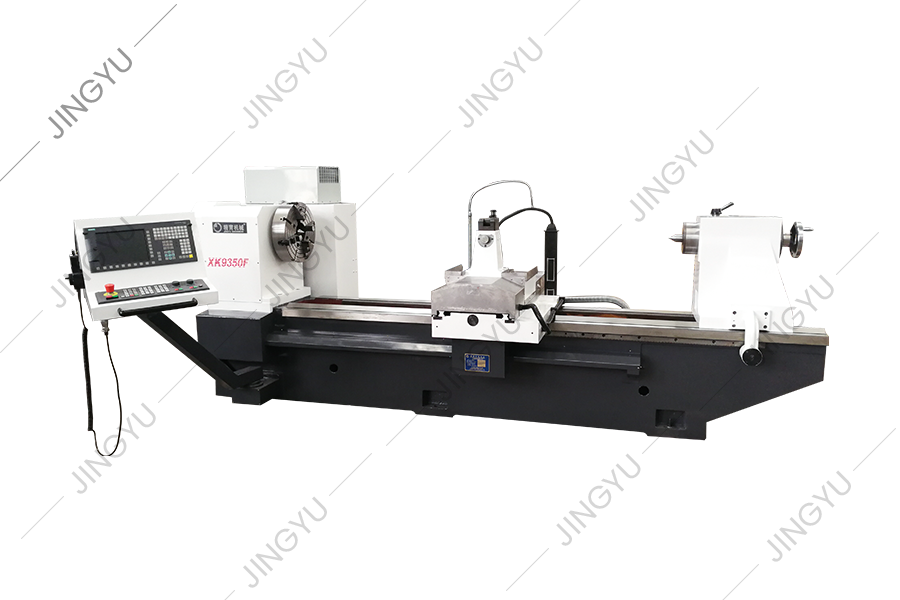
XK9350 series CNC rebar roll crescent groove milling machine is the upgraded product of XK500 type, which is suitable for processing rolls with diamet...
See Details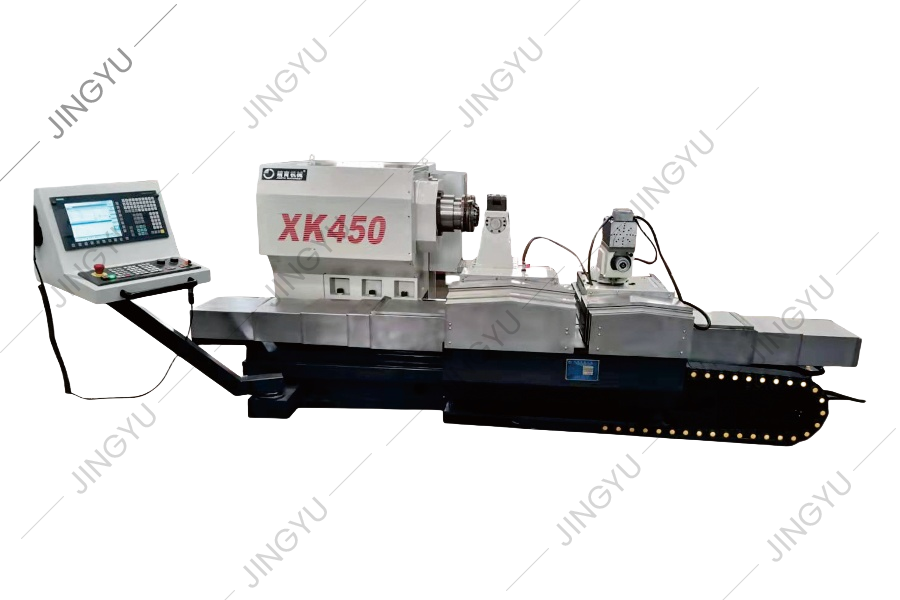
We have accumulated rich experience in the processing and use of rebar rolls, and have conducted in-depth analysis and research on the technology of s...
See Details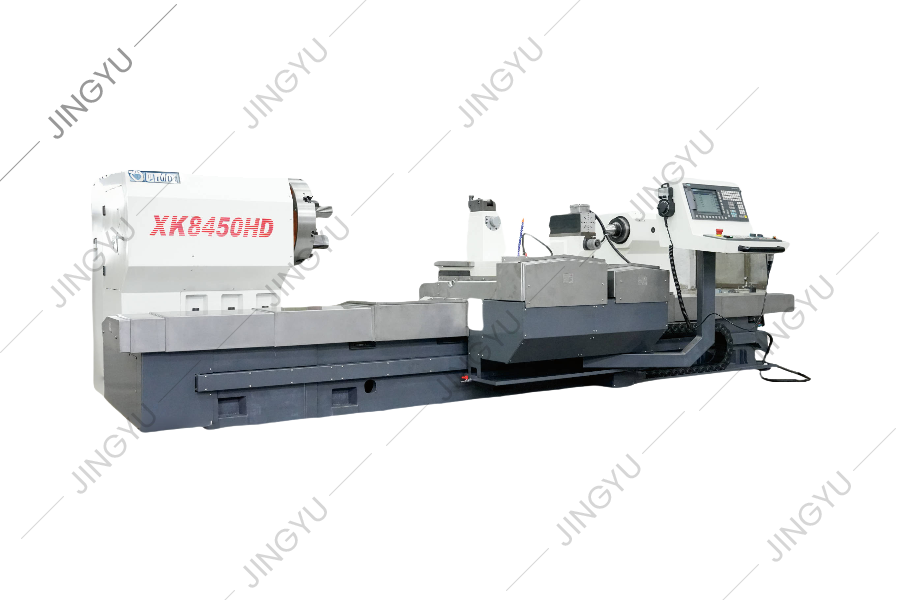
In view of the problems of high-speed steel roll processing, the XK8450 CNC roll milling machine is a new type of CNC roll groove processing machine t...
See Details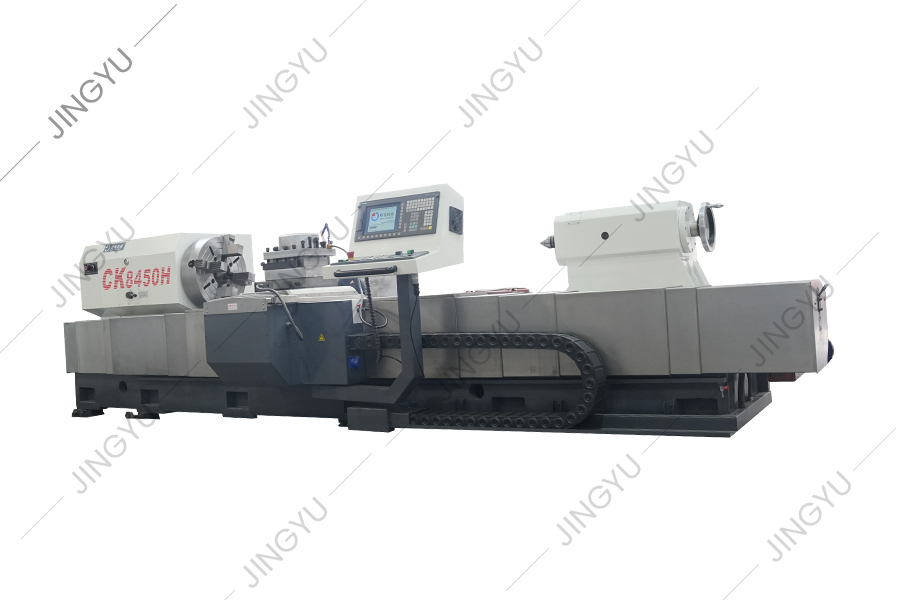
This series of machine tools is mainly used to pass and process rolls. It can also turn the outer circle and roll neck of rolls, and can also turn par...
See Details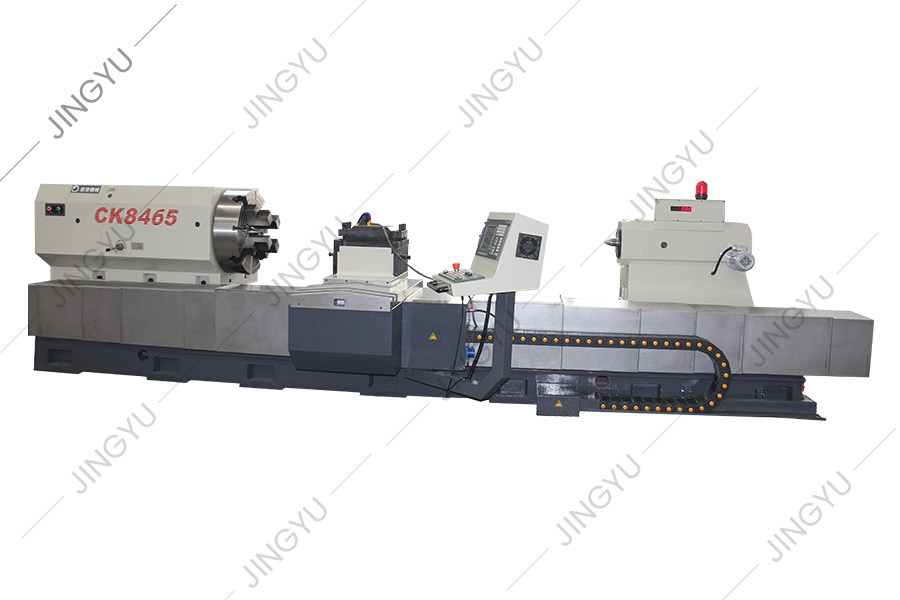
CK8465H CNC roll lathe bed adopts a 2+3 heavy-duty linear rolling guide structure, that is, two rectangular guide rails arranged horizontally on the b...
See Details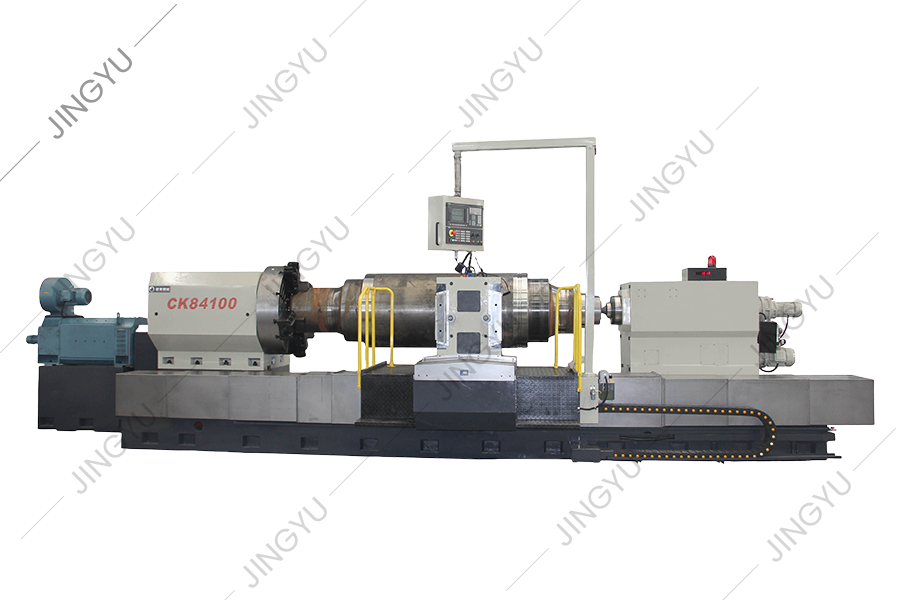
CK84 series CNC roll lathe adopts Siemens 828D CNC system and is driven by a servo motor. When designing this machine tool, we fully analyzed the tech...
See Details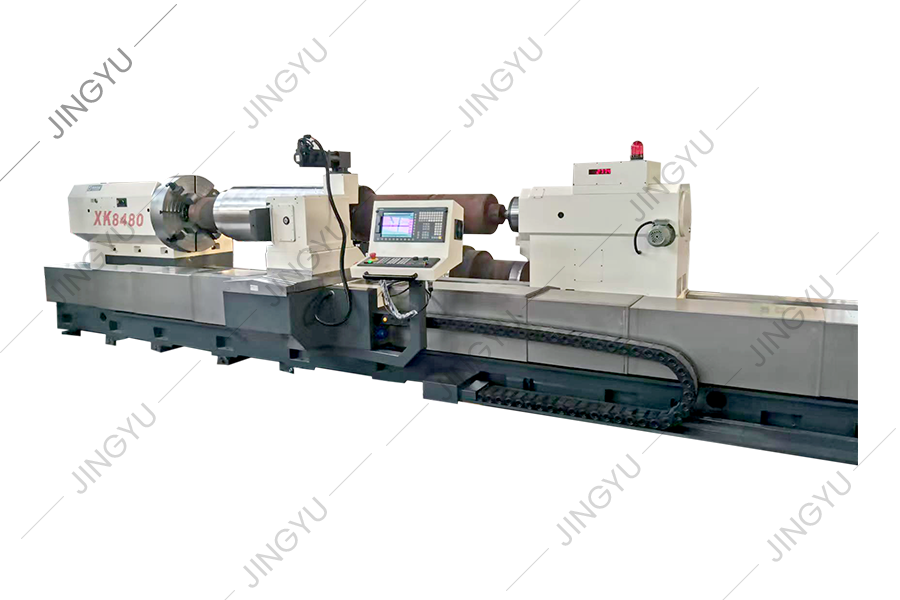
At present, pattern roll engraving at home and abroad generally adopts electrolysis method, ordinary horizontal milling machine milling and other proc...
See Details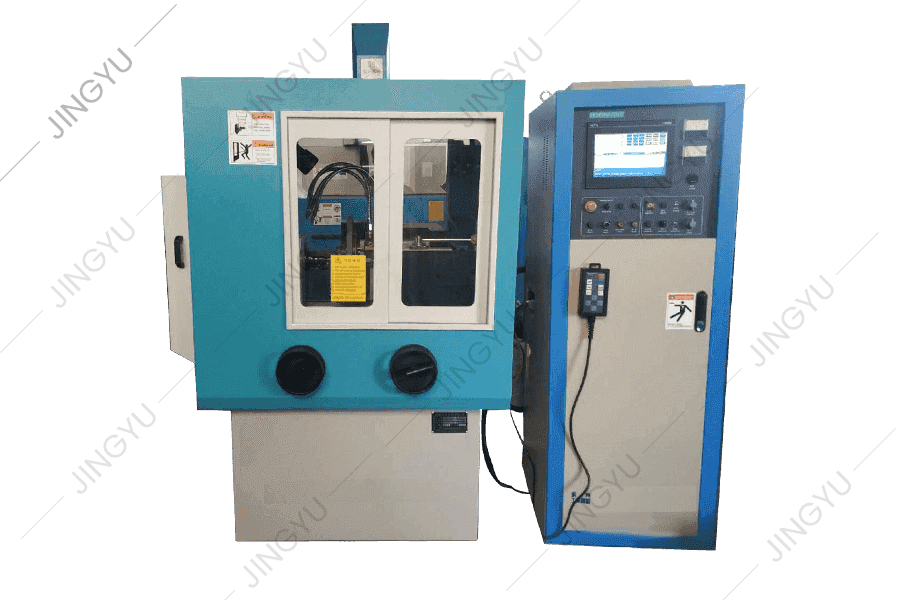
MX250 is a standard diamond wheel dressing machine, used for forming and dressing diamond wheels for metallurgical steel mills. The diameter of diamon...
See Details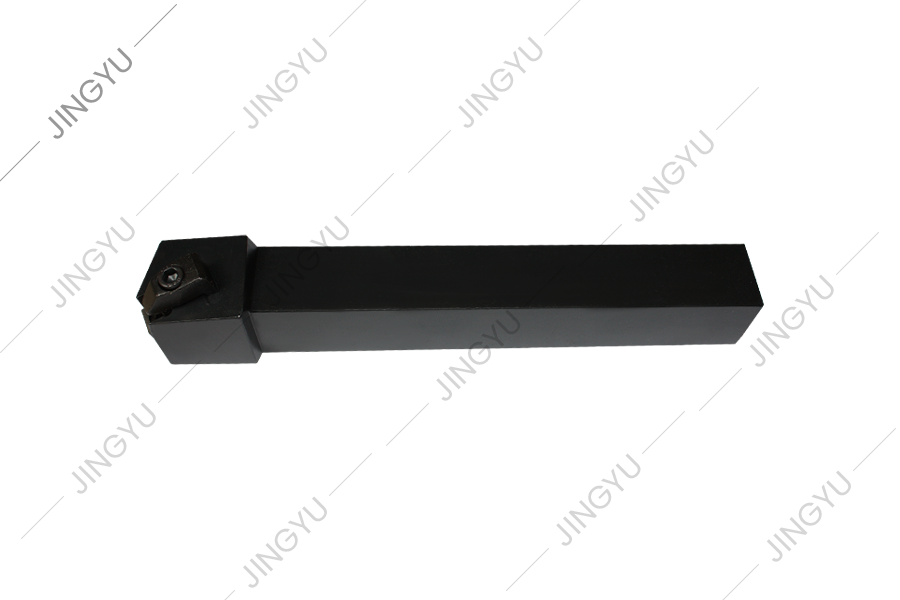
This series mainly provides common-wearing parts for CNC roll lathes, such as CBN blades, PCD blades, chucks, screws, etc.
See Details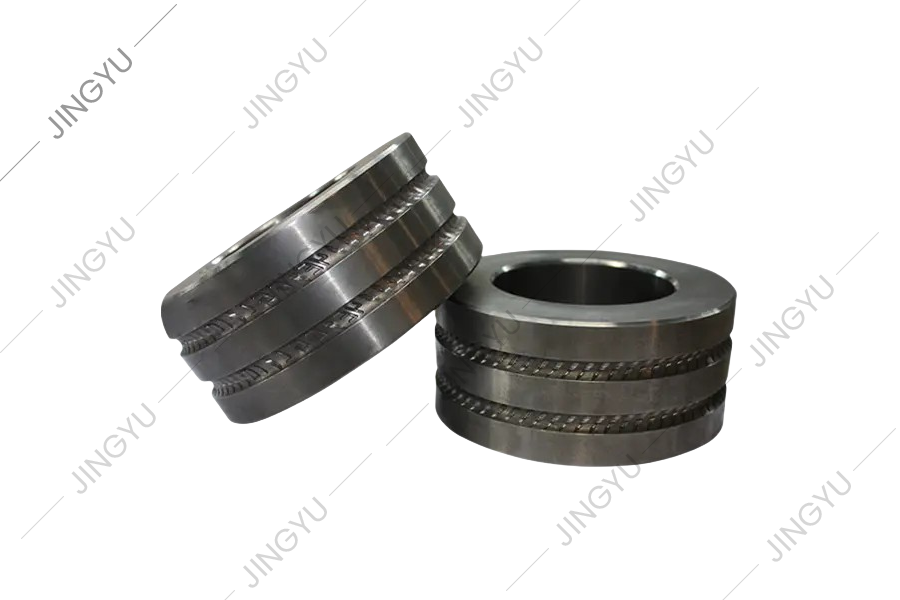
This series mainly provides common-wearing parts for CNC TC ring grinding machines and composite roll grinding machines, such as mandrels, dynamic and...
See DetailsNo.3, Xinghe Road, Zhaxi Industrial Park, Chongchuan District, Nantong, Jiangsu Province, 226003, P.R.China
info@rolllathe.com jennifergao@rolllathe.com
+86-513-85636116
Copyright © Nantong Jingyu Machinery Co., Ltd. All Rights Reserved
 China Roll Turning Lathe Manufacturers
