


 English
 русский
 عربى
عربى
Cat:CNC Roll Milling Machine
CNC Roll Milling Machine
This series of machine tools can automatically cut crescent grooves with different rotation directions and any helix angle. It can divide into equal (...
See DetailsA CNC roll processing machine consistently outperforms manual roll forming equipment in precision, repeatability, and long-run cost efficiency — typically cutting dimensional variance by 60-80% and reducing per-unit labor time by roughly half once a job is programmed. Manual machines still hold an edge in low-volume, highly customized, one-off work where setup speed matters more than repeat accuracy. The right choice depends on batch size, tolerance requirements, and how often the roll profile changes.
Roll forming and bending accuracy is the single biggest differentiator between CNC and manual systems. A manual roll machine relies on an operator reading a dial gauge or visual reference and adjusting rollers by hand between passes. Even a skilled operator introduces variance of ±0.5mm to ±1.2mm across a production run, because fatigue, lighting, and small measurement errors compound over hundreds of parts.
CNC roll processing machines use servo-driven axes and closed-loop feedback, holding tolerances as tight as ±0.05mm to ±0.15mm depending on material thickness and roller configuration. On a 500-piece batch of structural steel channel, this difference is not cosmetic — it determines whether parts pass automated quality inspection without secondary correction.
| Metric | Manual roll machine | CNC roll processing machine |
| Typical tolerance | ±0.5mm to ±1.2mm | ±0.05mm to ±0.15mm |
| Rejection rate on 500-unit batch | 4-8% | 0.5-1.5% |
| Repeatability across shifts | Low - depends on operator | High - stored in program memory |
| Setup time for new profile | 15-40 minutes | 5-15 minutes after program built |
Speed comparisons only make sense when tied to batch size, because setup overhead behaves differently for each machine type. For a single prototype or a five-piece custom run, a manual machine can sometimes finish faster since there's no program to build. But the moment a job crosses into medium or high volume, the CNC advantage compounds quickly.
On a 1,000-unit run of light-gauge steel angle, a manual line running at roughly 90 pieces per hour needs close to eleven hours of active forming time, plus recurring micro-adjustments every 50-100 pieces to correct drift. A CNC line running the same profile at 160-180 pieces per hour finishes in under seven hours, with no drift correction needed because the servo positioning holds its calibration for the entire run.
Manual roll machines handle a narrower band of materials reliably — typically mild steel and aluminum within a moderate thickness range, since the operator has to physically judge spring-back and adjust roller pressure by feel. Stainless steel, high-strength low-alloy steel, and multi-radius profiles push manual operators toward trial-and-error, which wastes material and time.
CNC systems store spring-back compensation values per material grade, so switching from mild steel to stainless or from 1.5mm to 4mm stock is a parameter change rather than a re-learning process. This matters most for shops that rotate between job types weekly rather than running the same material for months.
| Factor | Manual roll machine | CNC roll processing machine |
| Material switching | Manual recalibration each time | Stored profile recall |
| Complex multi-bend profiles | Difficult, operator-dependent | Programmed once, repeated exactly |
| Spring-back handling | Trial and error | Compensation values stored per material |
| Best suited thickness range | 0.8mm - 3mm typical | 0.5mm - 12mm typical, model dependent |
Manual roll forming is a craft skill. Experienced operators take one to three years to become fully proficient at reading material behavior and adjusting on the fly, and that expertise doesn't transfer cleanly when the operator leaves. This creates a real staffing risk for shops depending on one or two veteran workers.
CNC operation shifts the skill requirement toward programming and machine oversight rather than hands-on forming judgment. A new operator can typically run pre-built programs safely within two to four weeks of training, though building new programs from scratch still requires deeper knowledge of the software and material properties. The net effect is that CNC systems reduce dependency on any single individual's tacit knowledge.
Sticker price alone misrepresents the comparison. A manual roll processing machine typically costs 30-50% less upfront than a comparable CNC unit. But that gap narrows and often reverses once scrap rates, rework labor, and throughput differences are factored in over several years of operation.
| Cost factor (5-year estimate) | Manual roll machine | CNC roll processing machine |
| Upfront equipment cost | Lower by 30-50% | Higher initial investment |
| Scrap and rework cost | Higher, 4-8% rejection typical | Lower, 0.5-1.5% rejection typical |
| Labor cost per unit | Higher, more staff required | Lower, fewer staff per unit output |
| Maintenance complexity | Simpler mechanical repairs | Requires servo/electronics servicing |
| Downtime risk from breakdown | Lower severity, easier field fixes | Higher severity per incident, but less frequent |
Manual machines are mechanically simpler, which means most repairs can be handled by an in-house maintenance technician with basic tooling. Roller bearings, hydraulic seals, and drive chains are the usual wear items, and downtime per incident tends to be short.
CNC roll processing machines depend on servo motors, encoders, and control software staying properly calibrated. When something fails, it's less likely to be a simple mechanical part and more likely to require a technician familiar with the specific control system. Shops moving to CNC equipment should budget for either a service contract or in-house training on the control platform, since diagnostic time on electronic faults can run longer than a mechanical fix on a manual machine.
The comparison above isn't about declaring one machine category universally better — it's about matching capability to job profile. A fabrication shop running short, highly variable custom orders under 50 units may never recover a CNC investment through efficiency gains alone. A shop running repeat structural profiles in batches of several hundred or more will typically see the CNC line pay for the cost difference through reduced scrap and labor within 18 to 30 months, depending on material and volume.
Facilities that run a mixed job book sometimes keep both machine types on the floor: manual equipment for rapid prototyping and small custom runs, CNC equipment for the recurring high-volume profiles that justify programming time. This hybrid setup is increasingly common among mid-size fabricators trying to balance flexibility against throughput.
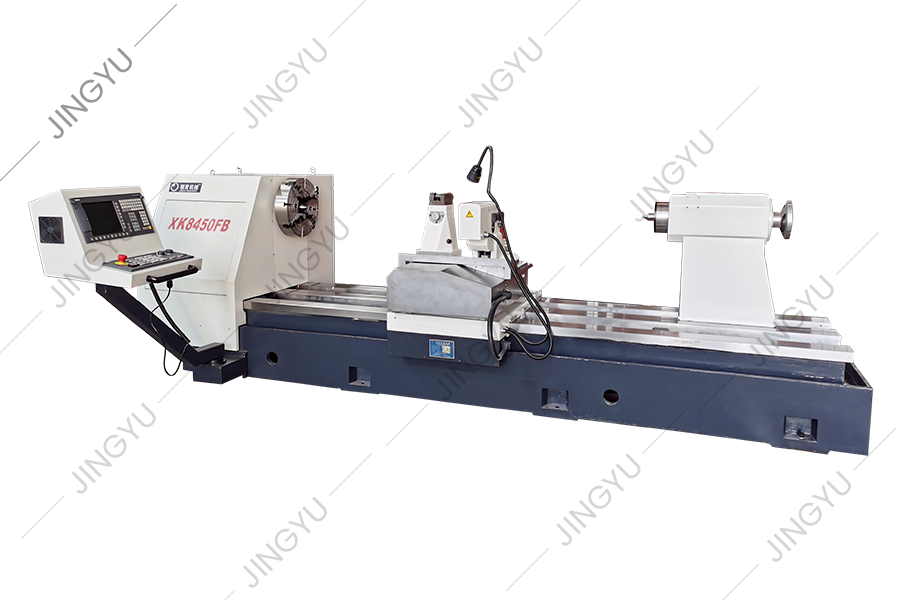
This series of machine tools can automatically cut crescent grooves with different rotation directions and any helix angle. It can divide into equal (...
See Details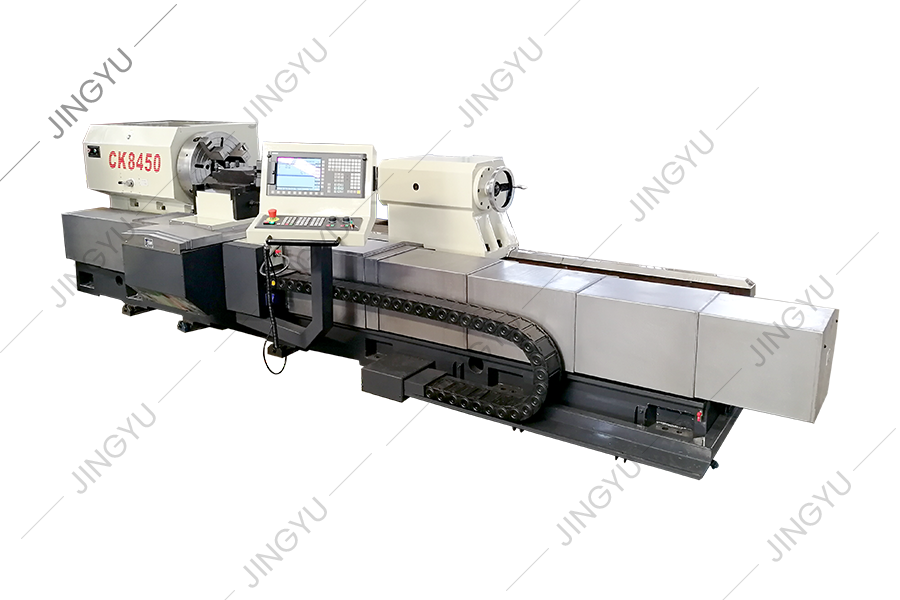
This series of machine tools is mainly used to pass and process rolls. It can also turn the outer circle and roll neck of rolls, and can also turn par...
See Details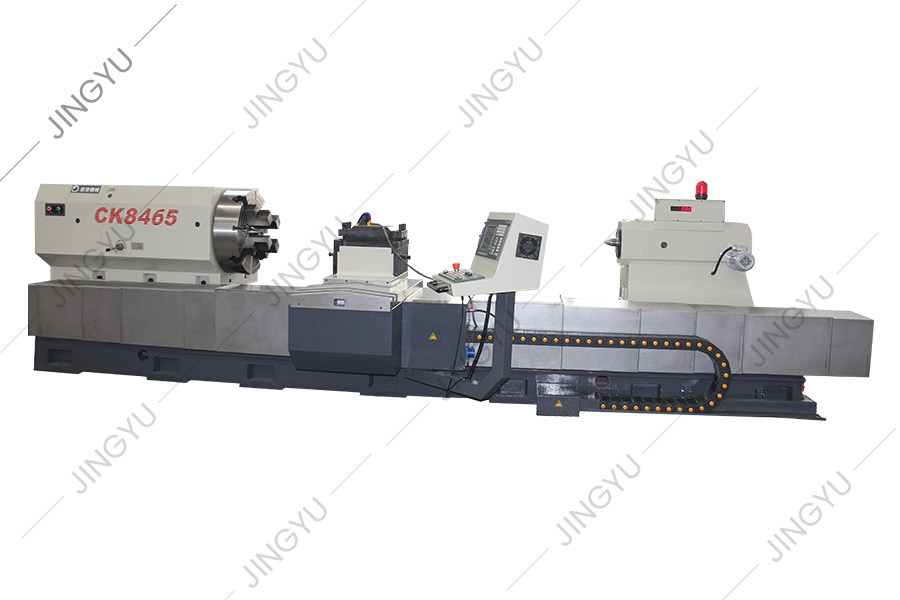
CK8465H CNC roll lathe bed adopts a 2+3 heavy-duty linear rolling guide structure, that is, two rectangular guide rails arranged horizontally on the b...
See Details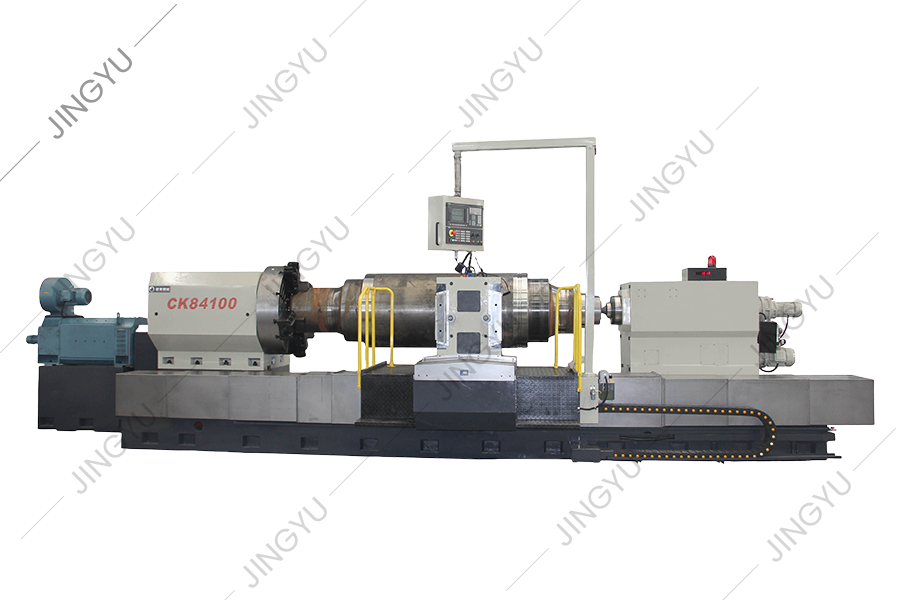
CK84 series CNC roll lathe adopts Siemens 828D CNC system and is driven by a servo motor. When designing this machine tool, we fully analyzed the tech...
See Details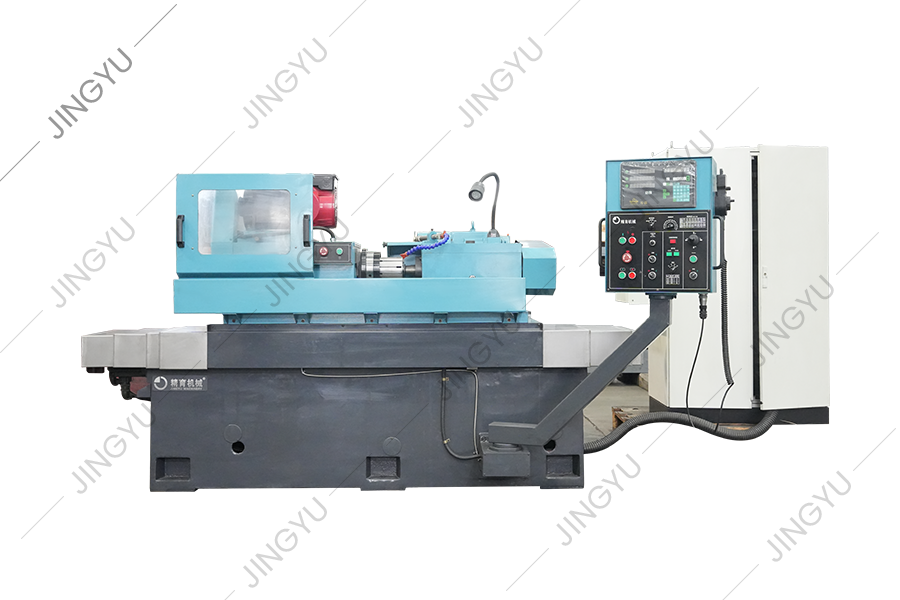
The roll ring forming grinder is mainly used for grinding tungsten carbide roller rings for high-speed wire rod production. The formed diamond grindin...
See Details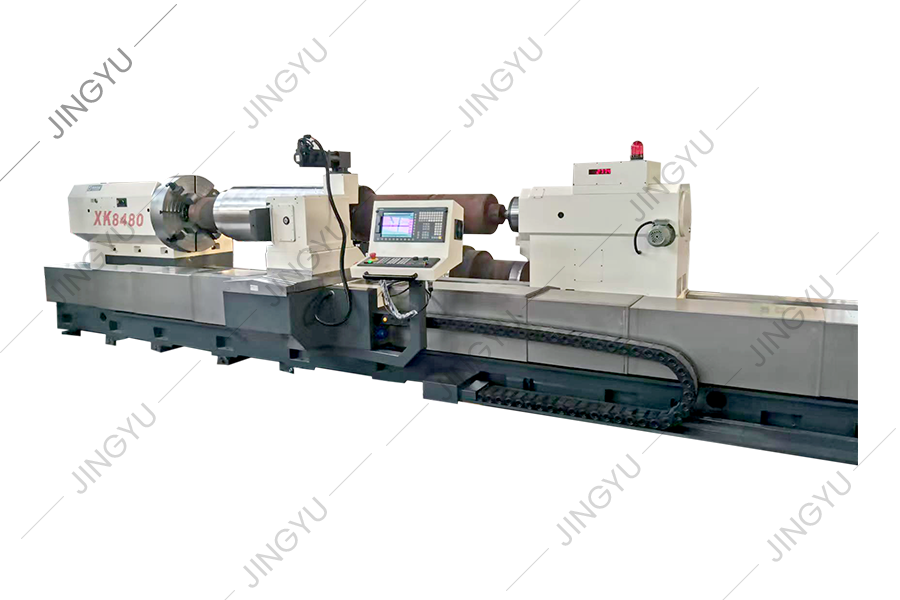
At present, pattern roll engraving at home and abroad generally adopts electrolysis method, ordinary horizontal milling machine milling and other proc...
See Details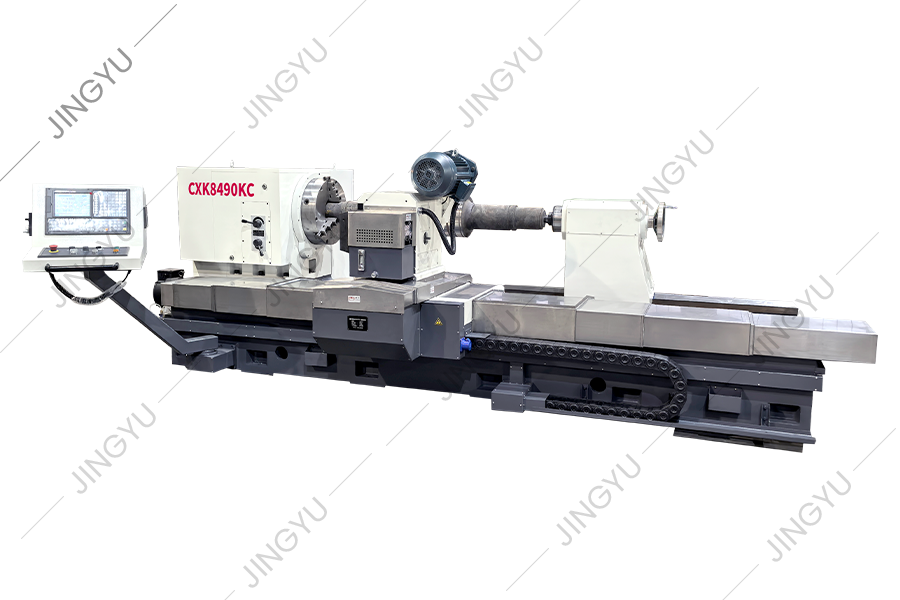
This machine tool is a new type of CNC roll grooving machine tool developed based on the company's CNC roll milling machine series and after full rese...
See Details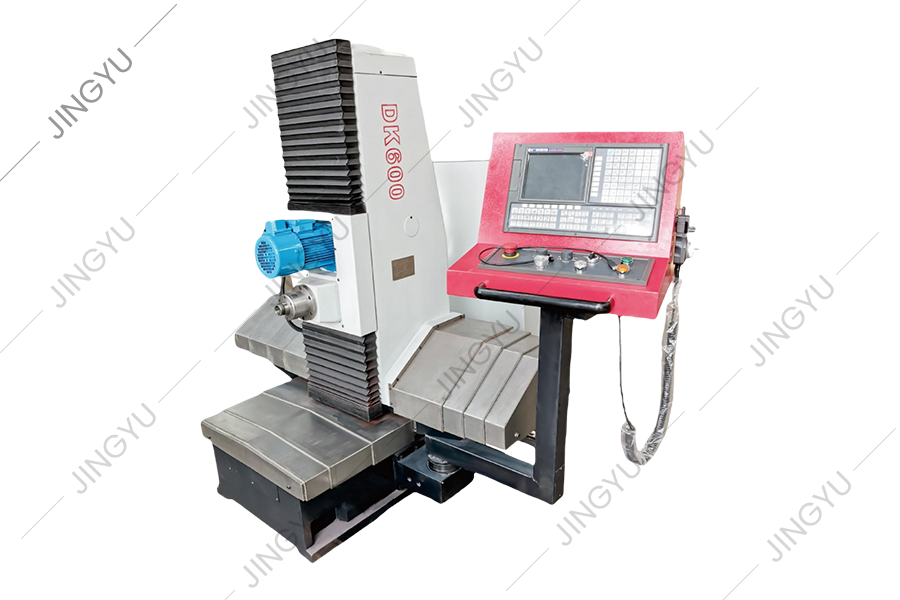
CNC roll engraving machine is suitable for processing various roll end face markings. Through the automatic editing software, it can generate processi...
See Details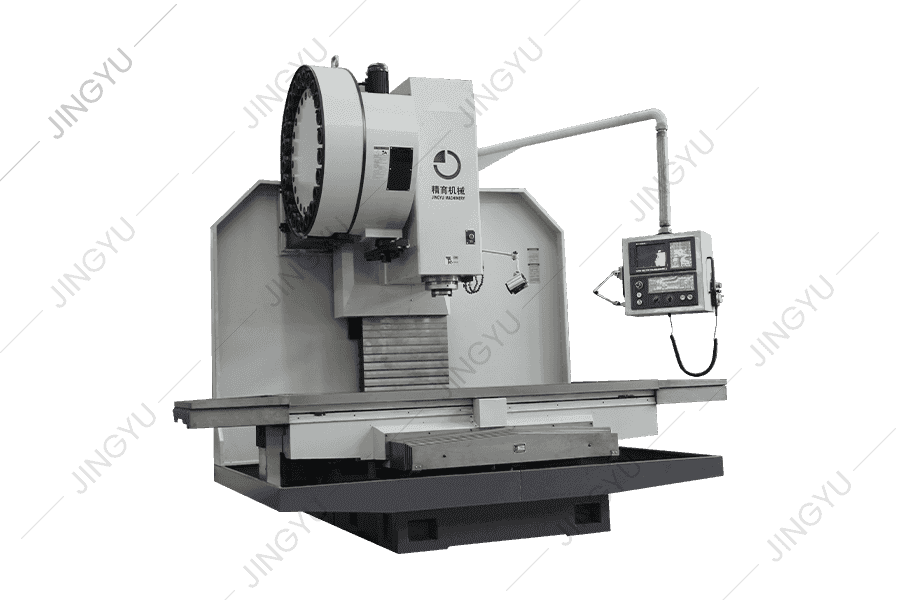
All three axes of the machine are P3-level 50×P10 ball screws, and the assembly process of 2-end fixed pretension is used to strengthen the axial rigi...
See Details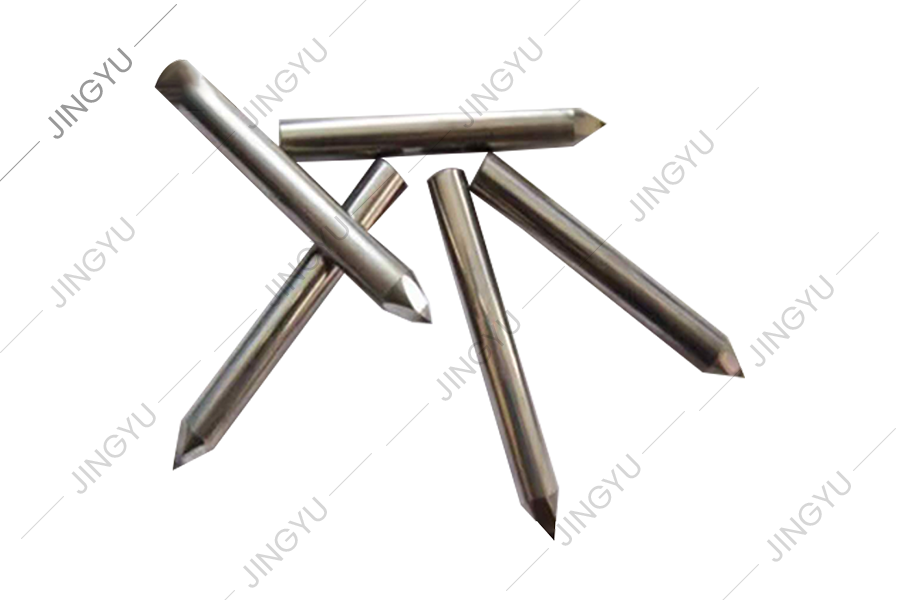
We also supply other spare parts, such as checkered plate milling cutters, roll slotting tools, oil pumps, motors, CNC systems, etc.
See DetailsNo.3, Xinghe Road, Zhaxi Industrial Park, Chongchuan District, Nantong, Jiangsu Province, 226003, P.R.China
info@rolllathe.com jennifergao@rolllathe.com
+86-513-85636116
Copyright © Nantong Jingyu Machinery Co., Ltd. All Rights Reserved
 China Roll Turning Lathe Manufacturers
