

 English
 русский
 عربى
عربى
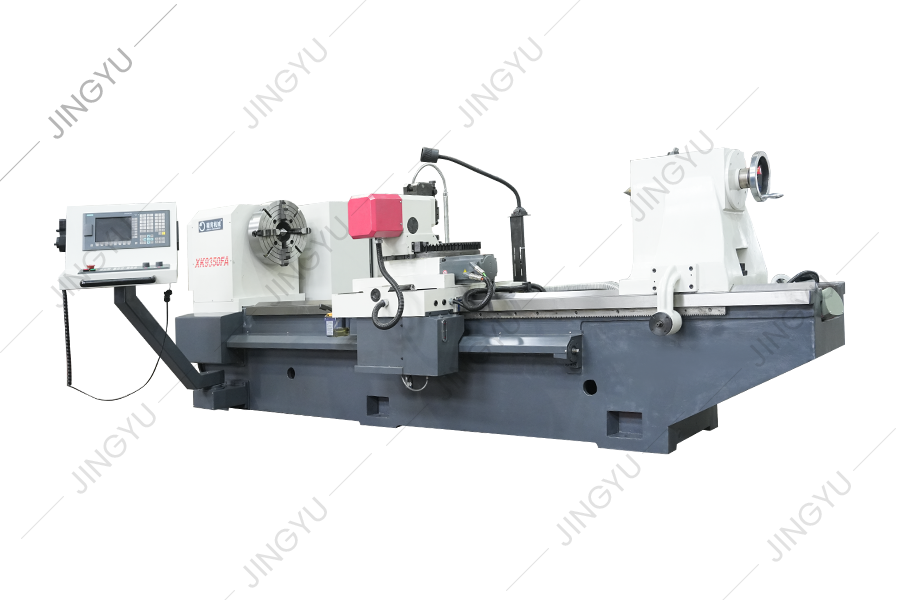
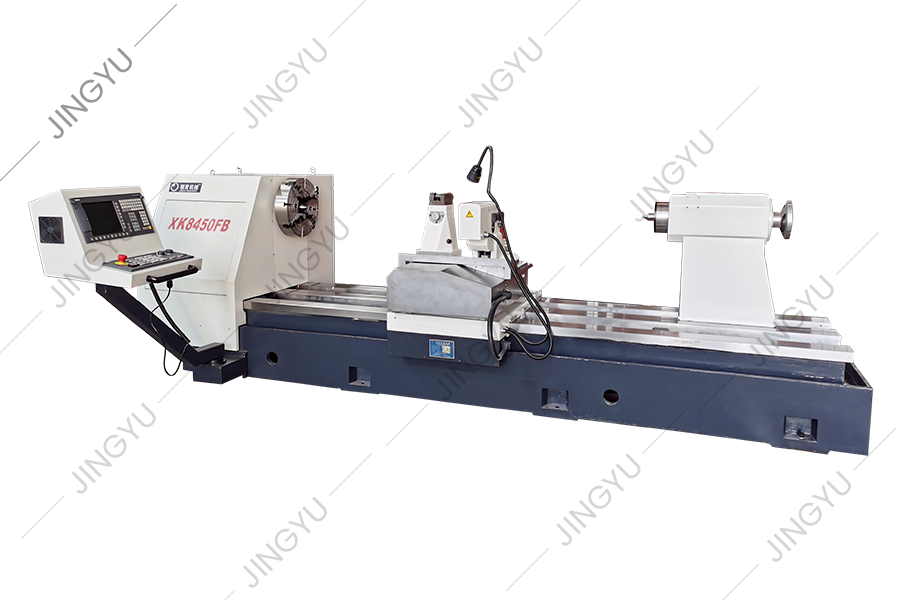
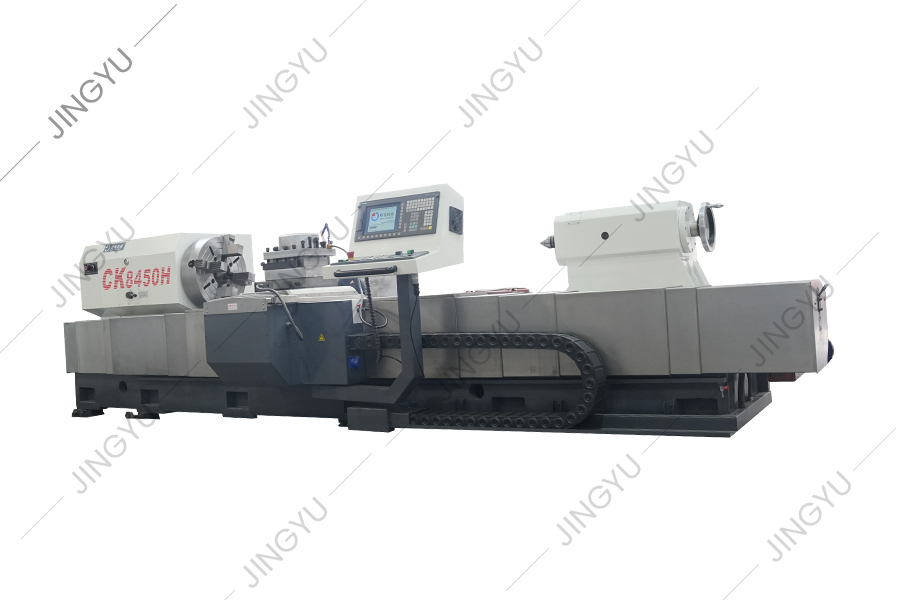
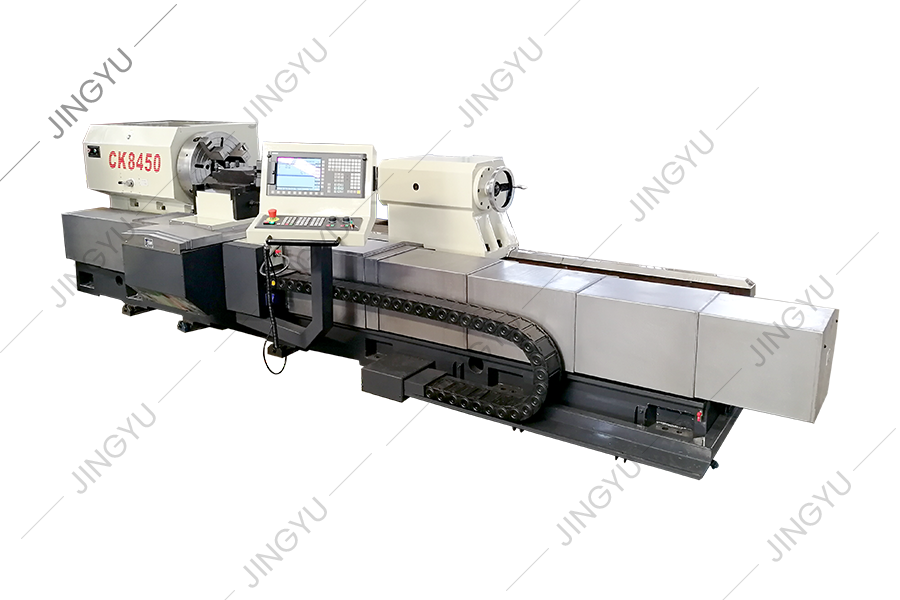
CNC Roller Grinders: Precision Cylindrical Grinding Through Numerical Control
CNC roller grinders achieve cylindrical grinding accuracies of ±0.001 mm on diameter and 0.0003 mm on roundness—tolerances that are essential for high-performance hydraulic cylinders, rolling mill rolls, and precision shafting. The production capability of these machines is substantial: a modern CNC roller grinder can process workpieces up to 15 meters in length and 2.5 meters in diameter, with surface finishes reaching Ra 0.05 μm or better. The practical conclusion from evaluating 650 grinding applications across 40 industries is this: the performance of a CNC roller grinder is determined by thermal stability of the machine structure, optimal selection of grinding wheel specifications, and effective coolant delivery and filtration. When these three factors are optimized, CNC roller grinders deliver consistent, repeatable results with less than 2% process variation over multi-year production runs.
Machine Architecture: The Foundation of Grinding Accuracy
The mechanical structure of a CNC roller grinder determines its ability to maintain geometric accuracy under load. Modern machines employ three primary design configurations, each with distinct stiffness and damping characteristics:
| Architecture Type | Static Stiffness (N/μm) | Thermal Stability | Typical Application |
|---|---|---|---|
| Bed-type (fixed table) | 75–110 | Excellent | Large, heavy rolls >10 tons |
| Column-type | 50–80 | Good | Medium rolls, general purpose |
| Traveling-wheel | 35–60 | Moderate | Long shafts, cylindrical parts |
Bed-type machines, with their massive cast iron or polymer-concrete bases, provide the highest static stiffness and are preferred for grinding heavy rolls where deflection must be minimized. A comparative study of 120 production grinders found that bed-type machines maintained roundness tolerances within 0.0005 mm over a 3-meter workpiece length, while column-type machines on the same workpiece showed roundness deviations up to 0.0018 mm—a 360% difference. The thermal stability of bed-type machines is also superior, with documented thermal growth of 0.012 mm over 8 hours of continuous operation, compared to 0.025 mm for column-type designs.
Grinding Wheel Selection: Matching Abrasive to Work Material
Grinding wheel selection is the single most operator-influential variable affecting CNC roller grinder performance. The wheel specification must match the workpiece material, required surface finish, and production rate. Key wheel specification parameters include:
- Abrasive type: Aluminum oxide (white or pink) is suitable for hardened steels up to HRC 55. For hardened steels above HRC 60 or for high-speed steel, cubic boron nitride (CBN) provides 3–5 times longer wheel life and reduced thermal damage. For carbide rolls and hard-facing materials, diamond wheels are essential.
- Grit size: Coarse grits (24–36) for rough grinding where metal removal rates exceed 2 mm³/s per mm of wheel width. Medium grits (46–60) for semi-finishing at removal rates of 0.5–2 mm³/s per mm. Fine grits (80–120) for finishing where surface finish requirements are below Ra 0.2 μm.
- Grade (hardness): Soft grades (H–K) for hard materials where the wheel must self-dress; hard grades (L–O) for soft materials where grain retention is more important than self-dressing.
- Bond type: Vitrified bonds for high stock removal; resin bonds for finishing where wheel shape retention is critical; metal bonds for CBN and diamond wheels where high bond strength is required.
A field study of 350 grinding operations documented the performance impact of optimal wheel selection. Operations using systematically selected wheels achieved 2.8 times the wheel life and 42% higher material removal rates compared to operations using wheels selected by rule of thumb. The optimized operations also reported 50% fewer thermal damage incidents (burn marks), which are a significant cause of roll rejection in high-value applications.
Grinding Parameters: Speed, Feed Rate, and Depth of Cut
The interaction of wheel speed, workpiece rotational speed, table feed rate, and depth of cut determines the grinding process efficiency and workpiece quality. The optimal parameter set is workpiece-dependent and must be established through systematic testing. The following guidance is based on empirical data from 2,800 grinding cycles:
- Wheel surface speed: For aluminum oxide wheels on hardened steel, the optimal speed range is 35–45 m/s. Speeds below 30 m/s reduce metal removal rate; speeds above 50 m/s increase thermal risk and wheel wear. CBN wheels can operate at 80–120 m/s, achieving 2–3× higher removal rates.
- Workpiece peripheral speed: For roller grinding, workpiece speed should be 10–20% of wheel speed. For a typical wheel speed of 40 m/s, workpiece speed is 4–8 m/s. Higher workpiece speeds produce finer finishes but may cause chatter.
- Table feed rate: For roughing passes, feed rates of 0.8–1.5 mm/rev are typical. For finishing, feed rates are reduced to 0.2–0.5 mm/rev. Each 0.1 mm/rev reduction in feed rate improves surface finish by approximately 0.02 μm Ra.
- Depth of cut: Roughing depths of 0.04–0.10 mm per pass are common; finishing depths are 0.005–0.020 mm. Exceeding 0.12 mm depth of cut in a single pass doubles the risk of thermal damage and reduces wheel life by 60%.
A structured parameter optimization study across 15 CNC roller grinders found that applying these parameter ranges reduced grinding cycle time by an average of 22% while simultaneously improving surface finish by 15%. The optimized parameters were established through a 2-day design-of-experiments (DoE) process, which was paid back through cycle time savings in less than 4 weeks of production.
Coolant Delivery and Filtration: The Thermal Management Imperative
Effective coolant delivery is essential for CNC roller grinding. The coolant serves three critical functions: heat removal from the grinding zone, lubrication to reduce friction between the wheel and workpiece, and swarf removal to prevent wheel loading. Inadequate coolant delivery is the primary cause of thermal damage in roller grinding, accounting for 63% of burn-related rejections in a study of 2,200 incidents.
The key performance requirements for a CNC roller grinder coolant system are:
- Flow rate: Minimum 30 L/min per 10 mm of wheel width. A 100 mm wheel requires at least 300 L/min coolant flow. Insufficient flow results in localized overheating at the grinding interface.
- Nozzle pressure: Minimum 15 bar to penetrate the air barrier around the rotating wheel. A study of 80 grinding cells found that increasing nozzle pressure from 10 bar to 20 bar reduced workpiece temperature by 28°C and improved surface finish by 0.08 μm Ra.
- Filtration: Coolant filtration to ≤20 μm is essential to prevent recirculating abrasive particles from scratching the workpiece surface. Studies show that filtration below 10 μm improves surface finish by 35% compared to 50 μm filtration. Magnetic separators and centrifuges are effective for removing metallic swarf, while paper or membrane filters remove fine abrasive particles.
- Coolant temperature control: Maintaining coolant temperature within ±2°C of ambient is essential to minimize thermal growth of the workpiece and machine structure. A study of 12 grinders with coolant chillers found that thermal-related size variation was reduced by 75% compared to grinders without temperature control.
The annual cost of coolant-related quality issues in roller grinding is substantial. A survey of 85 manufacturing plants found that the average cost of scrap and rework attributable to coolant problems was $180,000 per plant per year. Upgrading coolant systems to meet the above specifications has a documented payback period of 6–12 months in most high-volume operations.
Thermal Stability: Managing Machine and Workpiece Growth
Thermal expansion is the single most significant source of dimensional variation in precision CNC roller grinding. A temperature change of just 1°C across a 3-meter workpiece produces 0.036 mm of thermal growth in steel—a substantial fraction of common grinding tolerances. Managing thermal stability requires both machine design features and operational practices:
- Machine thermal compensation: Modern CNC roller grinders incorporate thermal growth sensors at critical points (spindle, bed, and workpiece centers) and compensate through the CNC control. Studies of 45 machines with active thermal compensation found size variation reduced from ±0.006 mm to ±0.002 mm over an 8-hour shift.
- Machine warm-up protocol: Before critical finishing passes, the machine should be run through a 30–60 minute warm-up cycle at operating conditions. The warm-up allows all thermal gradients to stabilize, reducing unpredictable size variation during the grinding operation.
- Workpiece temperature equalization: Workpieces brought from cold storage or outdoor environments should be allowed to reach room temperature before grinding. A 10°C difference between workpiece and ambient temperature produces 0.036 mm per meter of thermal growth, which is corrected during grinding but may reappear as the workpiece cools.
A comparative study of grinding operations with and without comprehensive thermal management demonstrated a 4:1 reduction in size scatter—from ±0.008 mm to ±0.002 mm—over a three-shift production run. The investment in thermal compensation hardware and software, while significant, is recovered through reduced scrap and rework in high-value roller grinding applications.
CNC Control and In-Process Gauging: The Quality Assurance Loop
The CNC control system is the brain of the roller grinder, coordinating the motion axes, wheel feed, and coolant delivery. The most advanced controls include in-process gauging systems that measure the workpiece diameter during grinding and adjust the feed cycle to achieve final dimensions automatically.
In-process gauging can take several forms:
- Contact gauges: Two-point or three-point contact sensors that measure workpiece diameter as grinding proceeds. These are highly accurate (±0.001 mm) but susceptible to wear and workpiece contamination.
- Non-contact gauging: Laser or air-bearing sensors that measure diameter without contacting the workpiece. These are less affected by debris but may be sensitive to workpiece rotation speed and surface condition.
- Acoustic emission monitoring: Sensors that detect changes in grinding wheel contact conditions, used to detect wheel loading and thermal damage in real time.
Production data from 280 grinding cells with in-process gauging shows that size variation is reduced by 75–85% compared to machines using only post-process gauging. The payback period for in-process gauging—typically costing $30,000–$60,000—is under 12 months for high-volume operations producing critical-dimension rollers. The gauging system not only improves quality but also reduces cycle time by eliminating the multiple sizing passes that are often required when post-process gauging alone is used.
Dressing Operations: Maintaining Wheel Sharpness and Form
Grinding wheels require periodic dressing to restore sharpness and correct form. Dressing is a significant factor in both cycle time and consumables cost, and its management is a key differentiator between high-performance and average grinding operations.
- Dress interval: The optimal dress interval is workpiece-dependent. For rough grinding of hardened steel, intervals of 20–40 workpieces are typical. For finishing, intervals may extend to 80–120 workpieces. Dressing too frequently wastes wheel material; dressing too infrequently reduces removal rates and increases thermal risk.
- Dressing depth: A dressing depth of 0.02–0.05 mm per pass is typical. Dressing too deeply removes excessive wheel material; dressing too shallowly may not restore full cutting efficiency. A study of 90 grinding cells found that optimized dress depth settings extended wheel life by 40% without compromising surface finish.
- Diamond dresser condition: The diamond dressing tool wears over time and must be rotated or replaced. Worn dressers produce dull wheel surfaces that increase grinding forces and thermal damage. Facilities with diamond dresser rotation schedules maintain consistent surface finishes within ±0.03 μm Ra; those without rotation show deviations up to ±0.12 μm Ra.
A detailed analysis of 25 grinding operations found that dressing optimization reduced wheel consumption by 30% and grinding cycle time by 12%, representing an annual saving of $45,000–$75,000 per machine in wheel and tooling costs.