


 English
 русский
 عربى
عربى
Cat:CNC Roll Milling Machine
CNC Roll Milling Machine
This series of machine tools can automatically cut crescent grooves with different rotation directions and any helix angle. It can divide into equal (...
See DetailsModern precision engineering relies on the CNC vertical milling machine to execute complex subtractive manufacturing operations with microscopic repeatability and high material removal rates. Characterized by a vertically oriented spindle axis that approaches a securely clamped workpiece from above, these machines utilize automated computer numerical control (CNC) to drive rotary cutting tools across multiple axes of motion. This architecture maximizes structural rigidity, optimizes gravitational chip evacuation, and accommodates a diverse array of tooling geometries, making it the foundational manufacturing workhorse for the aerospace, automotive, medical, and mold-making industries.
The operational versatility of a vertical machining center (VMC) is rooted in its structural stability and kinematic configuration. By anchoring a heavy column and a moving X-Y worktable to a rigid cast-iron base, the machine minimizes harmonic vibrations that would otherwise degrade surface finishes or accelerate tool wear. Implementing advanced servo motors, precision ballscrews, and high-performance controller software allows modern workshops to transition seamlessly from rough heavy-duty steel milling to high-speed micro-milling within a single, fully automated machining cycle.
The fundamental movement of a vertical machining center is governed by Cartesian coordinate geometry. Understanding how linear and rotational motions interact is essential for optimizing tool paths and preventing mechanical collisions during high-velocity execution.
In a standard three-axis configuration, the machine maneuvers along the X, Y, and Z linear directions. The X-axis controls the longitudinal travel of the worktable from left to right, the Y-axis manages the transverse cross-travel from front to back, and the Z-axis dictates the vertical movement of the spindle head assembly. Precision linear guide rails, paired with preloaded double-nut ballscrews, convert the rotational force of digital AC servo motors into smooth linear travel, enabling the machine to achieve positioning accuracies within +/- 0.005 millimeters over full travel envelopes.
To machine complex, non-planar geometries without manual repositioning, workshops integrate multi-axis rotary tables. A fourth axis (commonly the A-axis) rotates directly around the linear X-axis, which is ideal for machining cylindrical splines, helical gears, or structural slots. True five-axis vertical machining adds a secondary tilt-rotary axis (the B or C axis), allowing the spindle to access undercuts and compound angles. This capability reduces cumulative fixture alignment errors and shrinks setup times by up to 65 percent for intricate aerospace impellers and medical implants.
The choice of spindle drive system dictates the machine's torque profile, maximum operational velocity, and material suitability. Machining hard titanium alloys requires vastly different torque characteristics than high-speed finishing of aircraft-grade aluminum plates.
| Spindle Drive Type | Maximum Velocity Range | Low-Speed Torque Capacity | Vibration / Thermal Isolation | Primary Material Applications |
|---|---|---|---|---|
| Gear-Driven Head | Low; 2,000 – 6,000 RPM | Extremely High (Superior mechanical leverage) | Poor; high heat generation and gear harmonics | Heavy cast iron, tool steels, titanium roughing |
| Belt-Driven Assembly | Moderate; 6,000 – 12,000 RPM | Moderate; balanced by pulley ratios | Good; belt absorbs minor motor vibration | General job-shop work, carbon steel, brass |
| Inline Direct-Drive | High; 10,000 – 15,000 RPM | Moderate-Low; relies on motor winding current | Excellent; direct shaft-to-shaft coupling | Precision mold cavities, mid-size alloy steel finishing |
| Integrated Motor Spindle | Ultra-High; 15,000 – 40,000+ RPM | Low; optimized for dynamic high-speed response | Exceptional; requires dedicated liquid chilling jacket | Aircraft aluminum, composites, micro-machining |
The capacity of a machine tool to cut metal continuously without losing dimensional accuracy is a direct function of its underlying structural frame. Welded sheet metal structures lack the internal mass necessary to isolate aggressive mechanical forces.
Premium machine beds are poured from heavily ribbed Meehanite or Grade 30 gray cast iron. Cast iron possesses an internal micro-graphite flake structure that inherently dampens mechanical harmonics up to ten times more effectively than structural steel fabrications. This dampening capacity prevents micro-chatter at the cutting edge, which extends carbide tool life and yields smooth surface finishes.
As spindles rotate and axes cycle back and forth, they generate localized thermal energy that causes the casting to grow and expand. Modern vertical mill bases are engineered with strict structural symmetry to ensure that any heat expansion occurs uniformly along the centerline axis. This symmetrical growth allows the CNC controller software to compensate predictably for positional changes, preventing dimensional errors across long production shifts.
Automating complex multi-tool production workflows requires a standard, repeatable mechanical interface that can swap tools quickly while maintaining concentricity at high rotational velocities.
Turning a raw billet of metal into a finished aerospace or medical component demands a strict operational sequence. Skipping critical verification steps can lead to scrap parts and costly machine collisions.
The intense mechanical friction generated during metal cutting creates heat that can compromise workpiece accuracy and break cutting edges. Managing this thermal energy requires robust coolant delivery arrays.
Standard flexible flood coolant lines surround the spindle head, washing chips away from the outer perimeter of the tool path. However, when drilling deep holes or milling pockets, perimeter flood lines cannot clear chips out of the bottom of the cavity. Recutting trapped metal chips causes tool chatter and breaks delicate carbide end mills.
To solve this challenge, premium VMCs incorporate Through-Spindle Coolant (TSC) systems that blast pressurized liquid directly through an internal micro-bore channel inside the cutting tool itself. Delivering coolant at pressures ranging from 20 to 70 Bar (300 to 1,000 PSI) cools the cutting zone directly and forces chips up and out of deep pockets instantly. This efficient chip removal enables a three-to-four-fold increase in depth-of-cut limits while maintaining strict geometric tolerances.
A CNC vertical mill represents a significant capital investment that must maintain tight tolerances over years of continuous operation. Neglecting standard maintenance intervals degrades positioning accuracy and causes premature component wear.
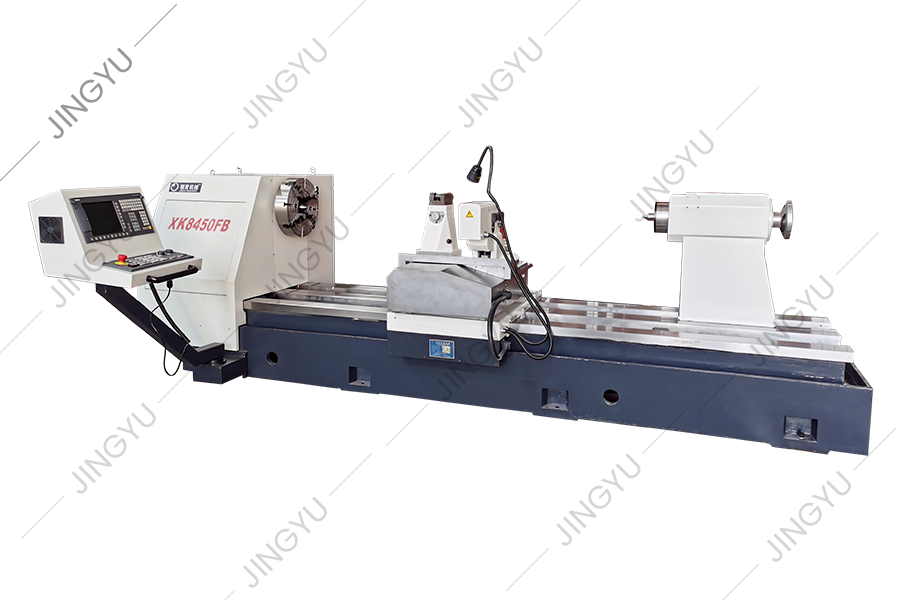
This series of machine tools can automatically cut crescent grooves with different rotation directions and any helix angle. It can divide into equal (...
See Details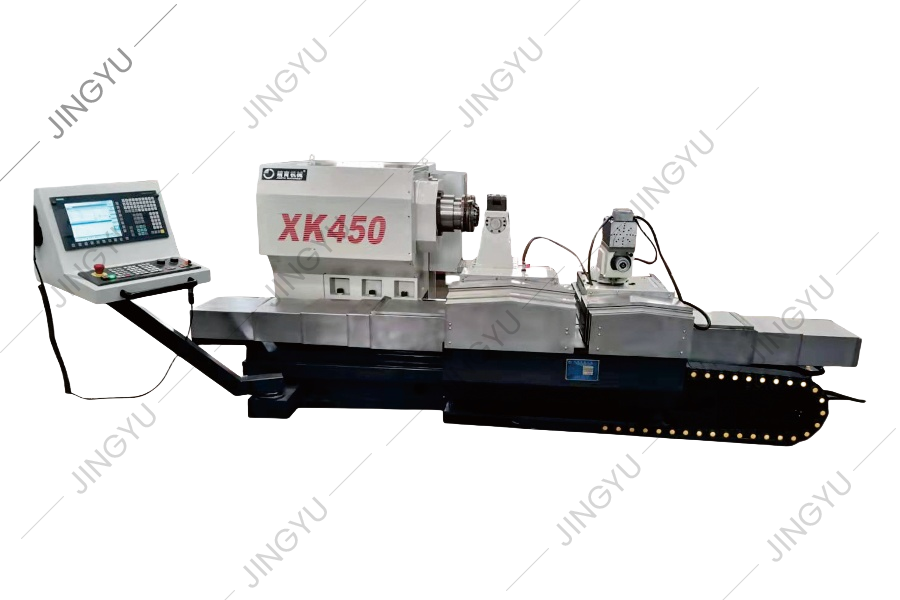
We have accumulated rich experience in the processing and use of rebar rolls, and have conducted in-depth analysis and research on the technology of s...
See Details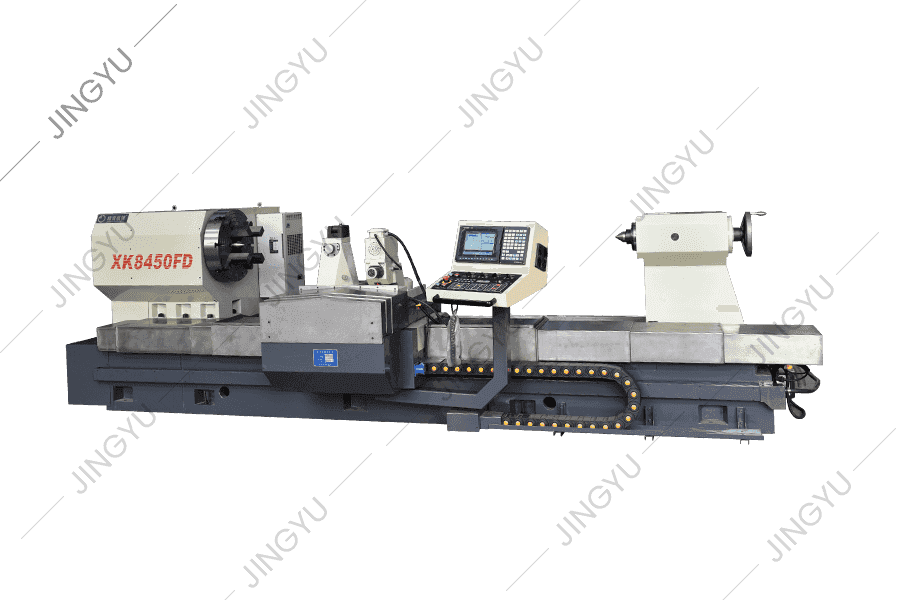
In view of the problems of high speed steel roll processing, XK8450 CNC roll milling machine is a new type of CNC roll groove processing machine tool ...
See Details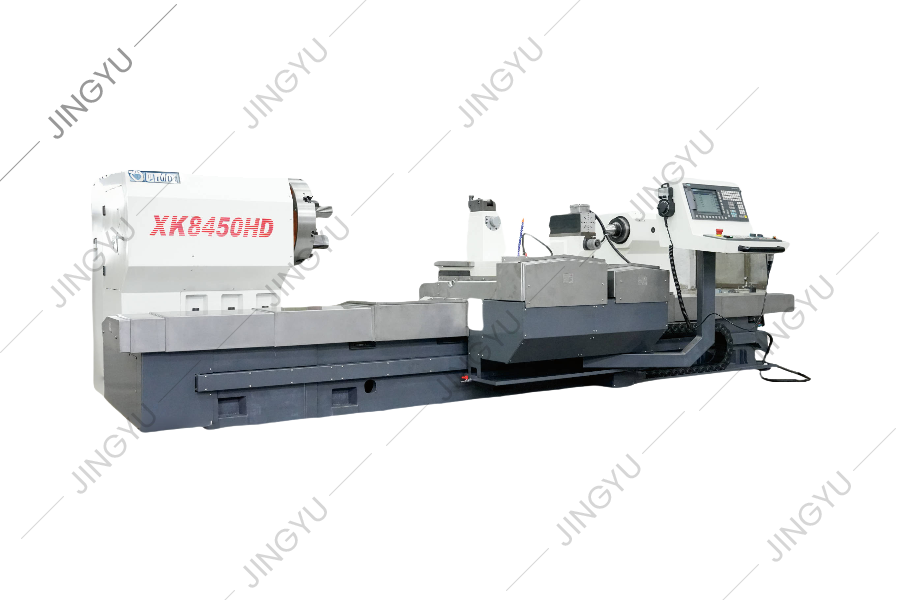
In view of the problems of high-speed steel roll processing, the XK8450 CNC roll milling machine is a new type of CNC roll groove processing machine t...
See Details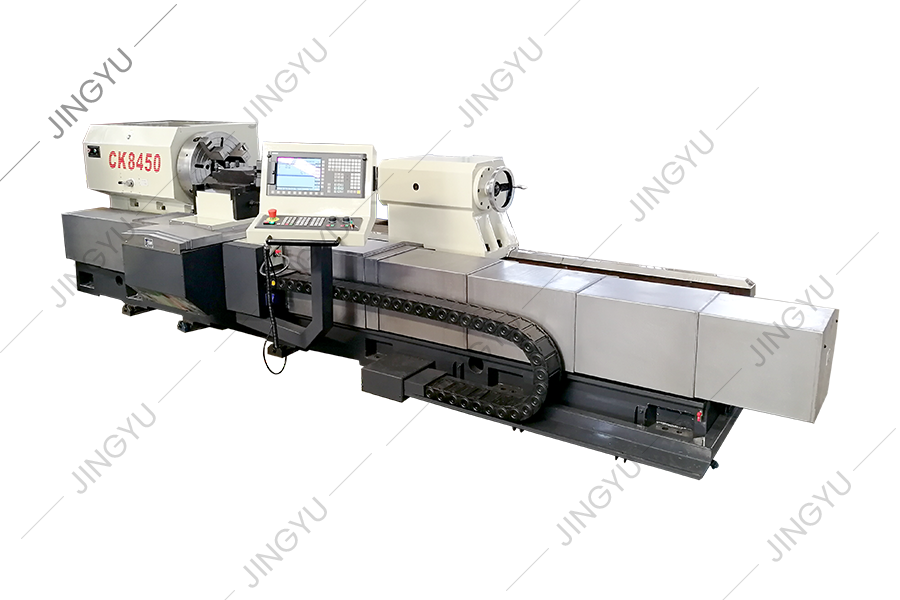
This series of machine tools is mainly used to pass and process rolls. It can also turn the outer circle and roll neck of rolls, and can also turn par...
See Details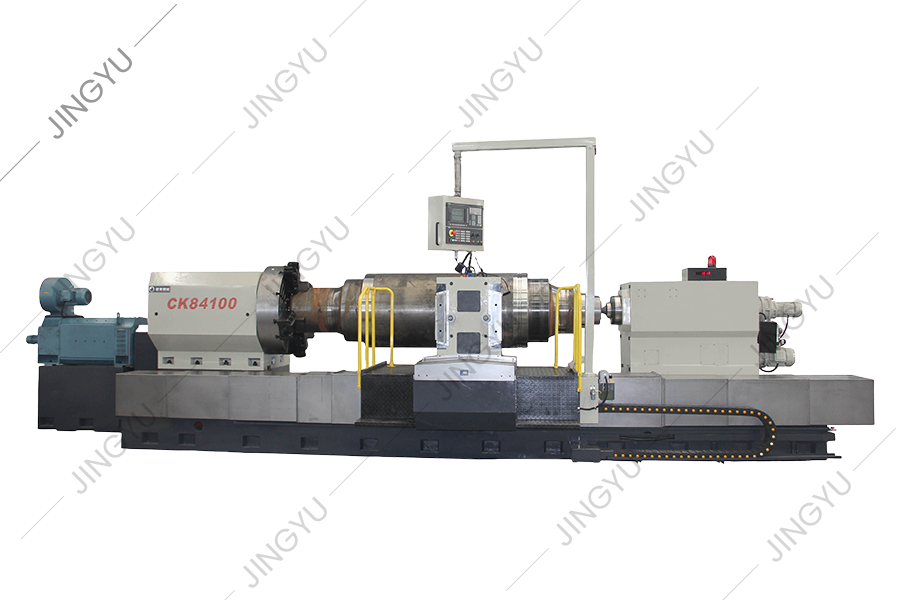
CK84 series CNC roll lathe adopts Siemens 828D CNC system and is driven by a servo motor. When designing this machine tool, we fully analyzed the tech...
See Details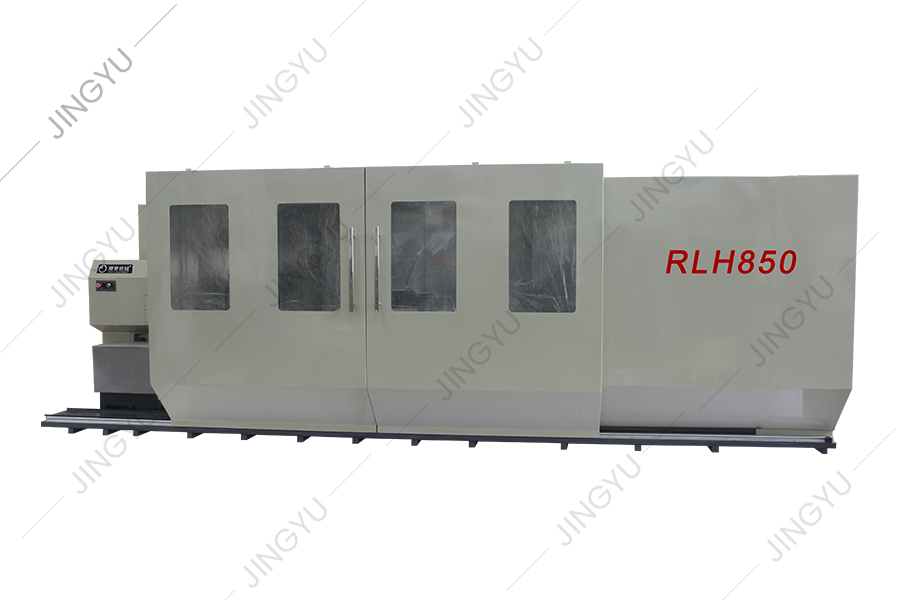
This machine tool is a new type of CNC roll grooving machine tool developed based on the company's CNC roll milling machine series and after full rese...
See Details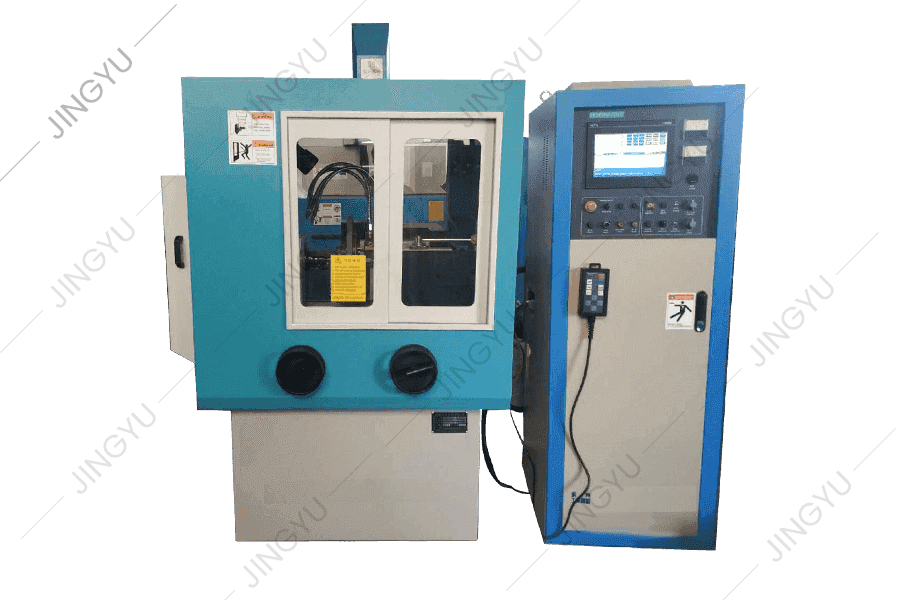
MX250 is a standard diamond wheel dressing machine, used for forming and dressing diamond wheels for metallurgical steel mills. The diameter of diamon...
See Details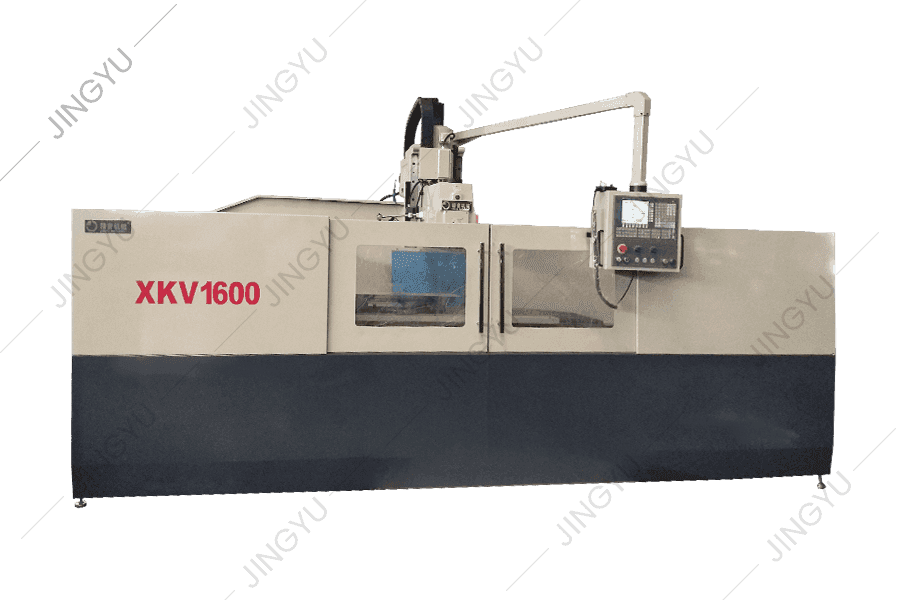
The CNC-reinforced milling machine adopts a full-gear spindle box, and the spindle transmission part adopts gears with precision of more than 6 levels...
See Details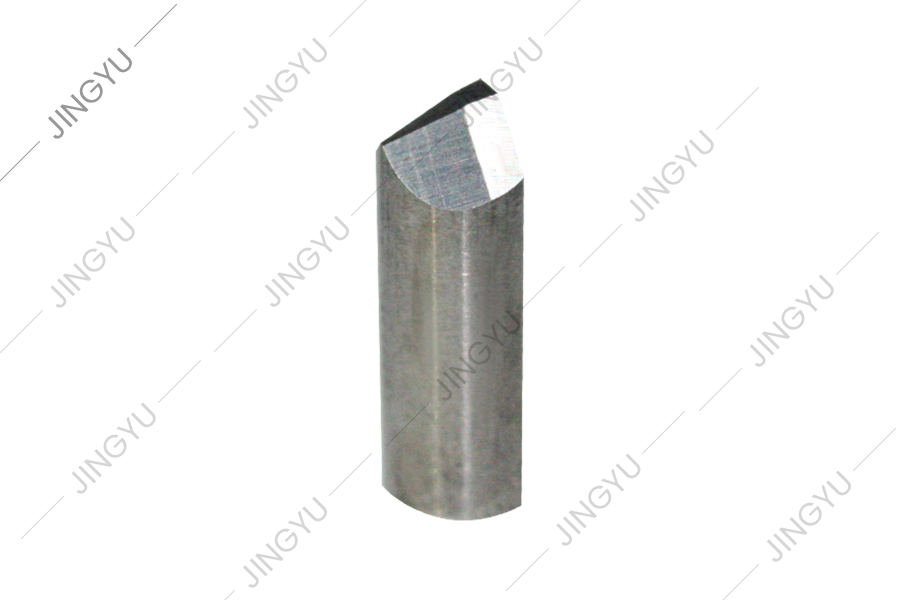
This series is mainly for CNC crescent groove milling machines to provide common-wearing parts, such as milling tool holders, milling cutters, support...
See DetailsNo.3, Xinghe Road, Zhaxi Industrial Park, Chongchuan District, Nantong, Jiangsu Province, 226003, P.R.China
info@rolllathe.com jennifergao@rolllathe.com
+86-513-85636116
Copyright © Nantong Jingyu Machinery Co., Ltd. All Rights Reserved
 China Roll Turning Lathe Manufacturers
