


 English
 русский
 عربى
عربى
Cat:CNC Roll Milling Machine
CNC Notching and Marking Machine
XK9350 series CNC rebar roll crescent groove milling machine is the upgraded product of XK500 type, which is suitable for processing rolls with diamet...
See DetailsA CNC roll milling machine is a specialized machining center designed for the precise shaping, contouring, and finishing of cylindrical or rolled workpieces. Unlike conventional milling machines that operate on flat or prismatic parts, roll milling machines are engineered to handle long, rotating components such as rolls for steel mills, printing cylinders, rubber rollers, and large-diameter shafts. Their ability to achieve micron-level tolerances (typically ±0.005 mm) on cylindrical surfaces makes them indispensable in industries where surface finish and dimensional accuracy directly impact product quality.
The key advantage of a CNC roll milling machine lies in its integrated rotary axis, which coordinates with the linear axes (X, Y, Z) to perform helical, interpolated, and multi-axis contouring operations. This enables the production of complex profiles—such as crown shapes, concave/convex contours, and variable pitch grooves—that are impossible to achieve on standard milling equipment. For example, in the production of calendar rolls for paper mills, the roll surface must maintain a straightness of 0.02 mm over a length of 5 meters. A modern CNC roll milling machine achieves this consistently with minimal operator intervention.
Understanding the basic structure of a CNC roll milling machine helps in evaluating its capabilities and limitations. While configurations vary, most machines share the following core components:
Roll milling machines are classified based on their configuration and the nature of the operations they perform. Selecting the correct type depends on workpiece geometry, production volume, and precision requirements.
In this configuration, the tool spindle is oriented vertically, and the workpiece rotates on a horizontal rotary table. This design is common for machining large-diameter rolls where gravity aids in chip evacuation. Vertical roll mills are particularly effective for face milling and plunge cutting operations on the roll's cylindrical surface.
Here, the spindle axis is horizontal, parallel to the workpiece axis. The cutting tool, typically a cylindrical or profile milling cutter, traverses along the length of the roll. This configuration is preferred for peripheral milling and slotting operations. Horizontal roll mills excel at producing long, continuous grooves or helical channels.
For extremely large workpieces—such as rolls weighing over 50 tons and measuring more than 10 meters in length—gantry-style roll mills are used. The workpiece remains stationary on the bed, while a bridge structure carries the spindle and traverses the length. This design offers exceptional stiffness and is often equipped with multiple spindles for simultaneous roughing and finishing.
When evaluating a CNC roll milling machine, the following technical specifications are most critical for matching the machine to your production requirements. The table below provides typical ranges across machine classes.
| Parameter | Compact (Small Rolls) | Mid-Size (Industrial Rolls) | Heavy-Duty (Large Rolls) |
|---|---|---|---|
| Max. workpiece diameter | 200–400 mm | 400–800 mm | 800–1,600 mm |
| Max. workpiece length | 1–2 m | 2–6 m | 6–15 m |
| Spindle power | 15–30 kW | 30–60 kW | 60–150 kW |
| Positioning accuracy | ±0.005 mm | ±0.008 mm | ±0.015 mm |
| Rotary axis resolution | 0.001° | 0.001° | 0.002° |
The choice of cutting tools and the milling strategy directly influence both productivity and surface finish. Unlike standard end milling, roll milling often involves large-diameter cutters and high depth of cut (DOC).
Proper fixturing is critical to achieving the required accuracy. Because roll workpieces are often heavy and long, the following considerations apply:
The programming of a roll milling machine differs significantly from standard 3-axis machining. The integration of the rotary axis requires careful handling of the workpiece coordinate system and cutter compensation.
For cylindrical workpieces, the tool paths are typically generated in a cylindrical coordinate system. CAM systems specialized for roll milling (such as those used for tire mold or screw machining) provide dedicated cycles. The programmer must define the roll diameter, the lead angle for helical paths, and the step-over for finishing passes.
When milling crowned or contoured profiles, cutter radius compensation must be applied in three dimensions. Modern CNC controls with "3D cutter compensation" can manage this automatically, but the CAM post-processor must output the correct vectors. Manual programming is only recommended for simple straight cylinders.
CNC roll milling machines are found in a diverse range of industries. The following are representative applications where the machine's unique capabilities are fully utilized.
Work rolls and backup rolls used in hot and cold rolling mills are periodically reconditioned by milling. The roll surface must be restored to a precise profile (often convex or concave) to control strip flatness. CNC roll mills with automatic profile measurement and correction cycles can reduce roll change-over times by up to 30%.
Printing cylinders for flexographic and gravure printing require ultra-smooth surfaces and precise diameters (tolerances of ±0.002 mm). Roll milling machines equipped with high-speed spindles and diamond-coated tools can achieve the required surface finish (Ra 0.05–0.1 μm) directly on the machine.
Calender rolls for rubber and plastic sheet production require highly polished, temperature-controlled surfaces. Roll milling machines with internal coolant through the spindle can ensure consistent temperature during finishing cuts, preventing thermal expansion errors.
To maintain micron-level accuracy over a decade of operation, a systematic maintenance schedule is necessary. The following practices are recommended by machine builders and seasoned users:
One of the most significant challenges in precision roll milling is thermal growth. During long cutting cycles, the heat generated by the cutting process and the machine's motors can cause expansion of the bed and spindle, shifting the tool position by several microns.
To mitigate this, advanced CNC roll milling machines incorporate:
For capital equipment purchases, the initial price is only part of the equation. The total cost of ownership (TCO) for a CNC roll milling machine includes installation, energy consumption, tooling, maintenance, and downtime. A detailed TCO analysis should consider the following:
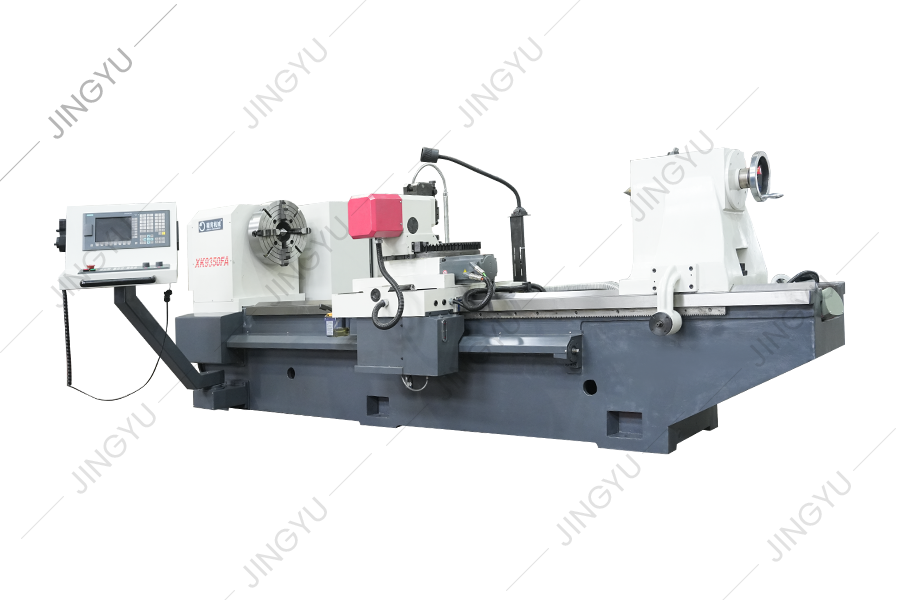
XK9350 series CNC rebar roll crescent groove milling machine is the upgraded product of XK500 type, which is suitable for processing rolls with diamet...
See Details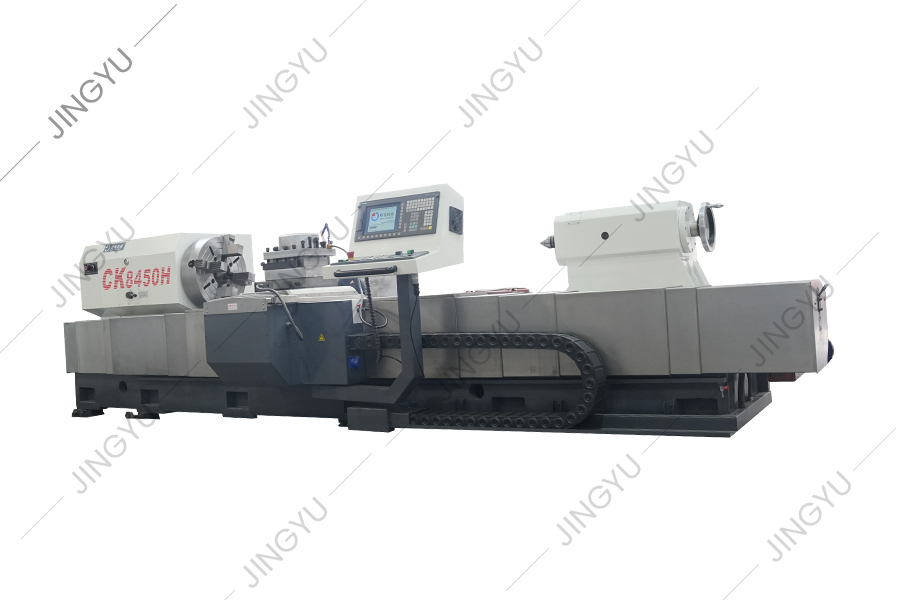
This series of machine tools is mainly used to pass and process rolls. It can also turn the outer circle and roll neck of rolls, and can also turn par...
See Details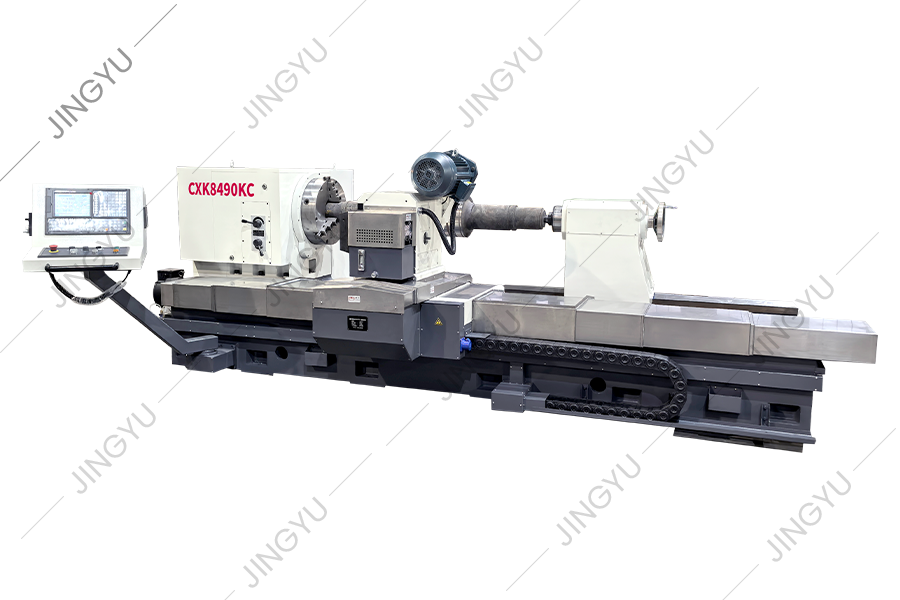
This machine tool is a new type of CNC roll grooving machine tool developed based on the company's CNC roll milling machine series and after full rese...
See Details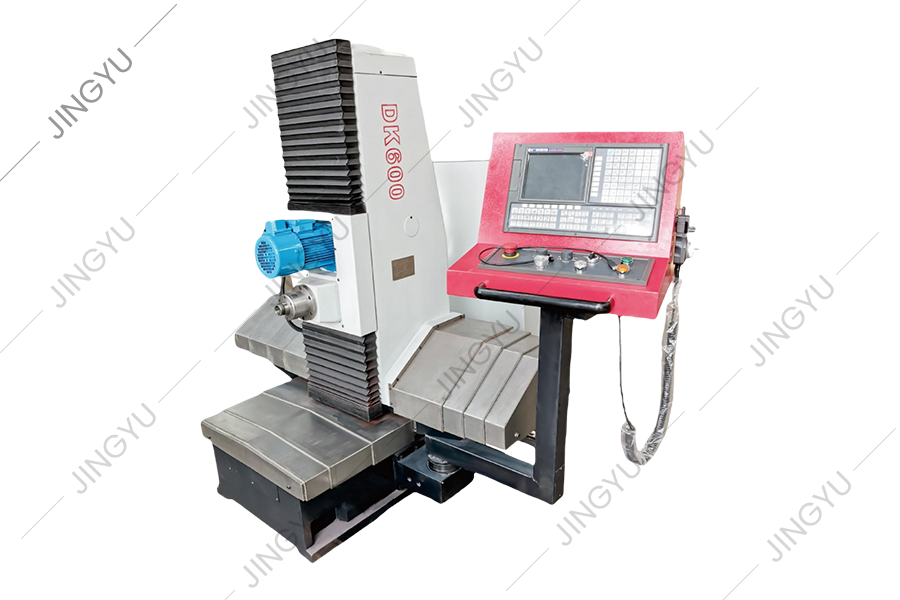
CNC roll engraving machine is suitable for processing various roll end face markings. Through the automatic editing software, it can generate processi...
See Details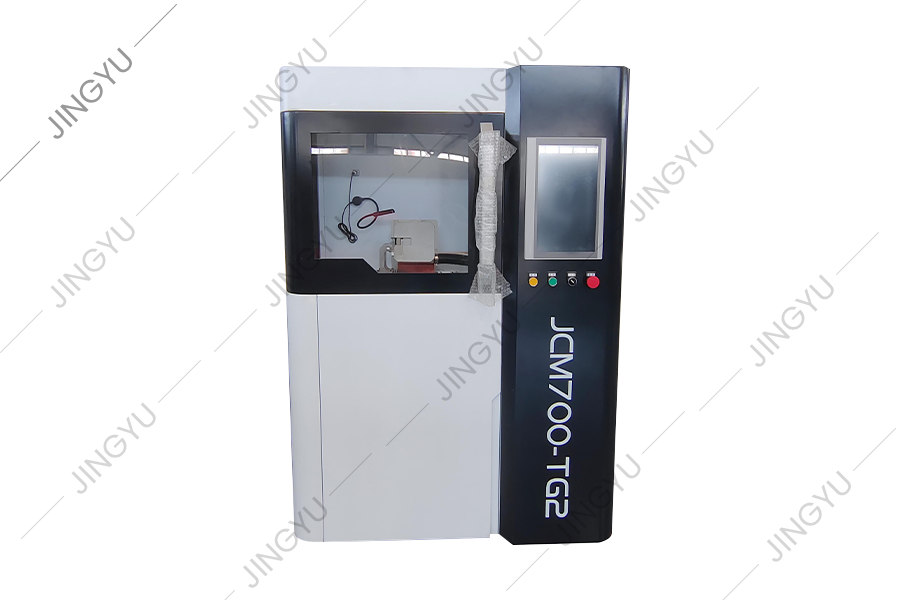
This machine is mainly used for grinding and repairing the milling cutter of roll threaded cross rib, which can easily repair and grind the edge of re...
See Details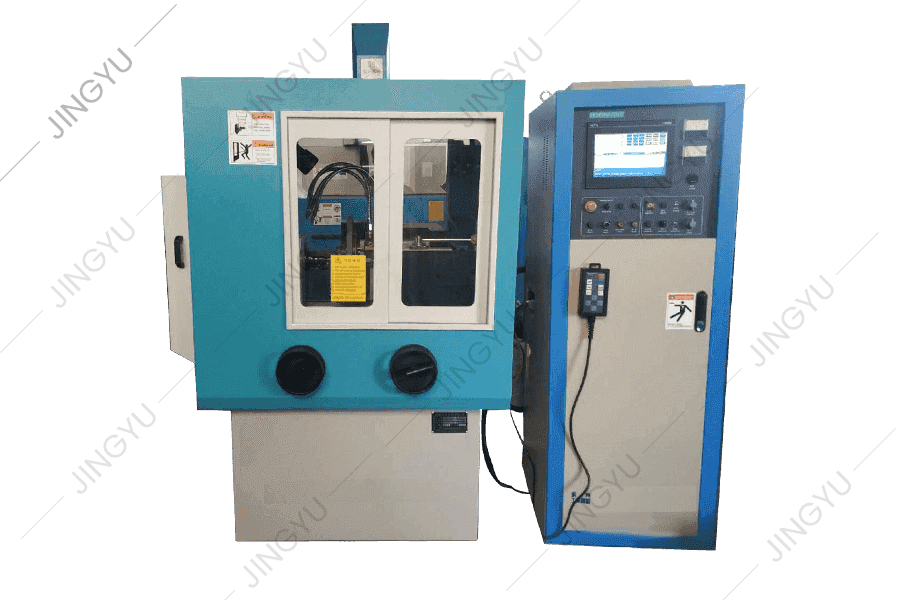
MX250 is a standard diamond wheel dressing machine, used for forming and dressing diamond wheels for metallurgical steel mills. The diameter of diamon...
See Details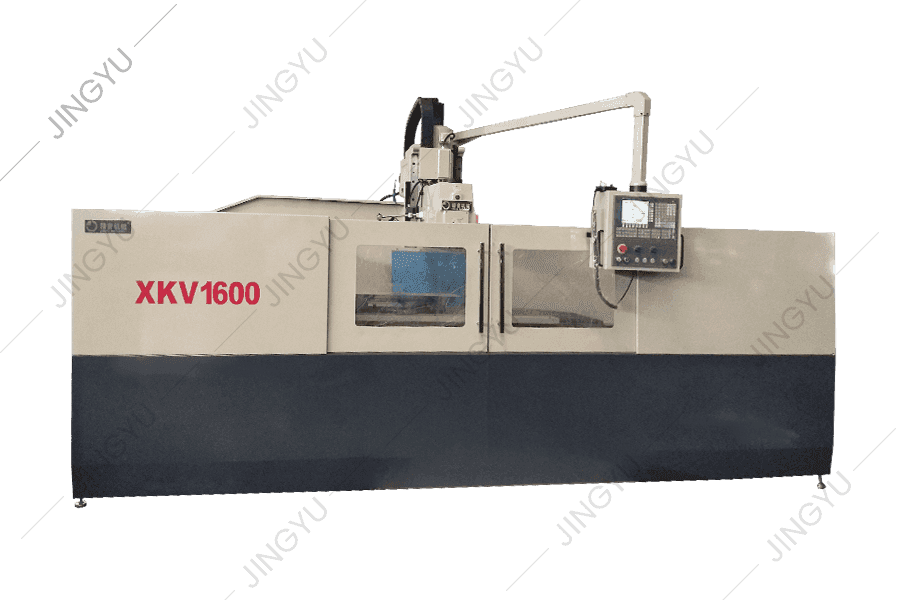
The CNC-reinforced milling machine adopts a full-gear spindle box, and the spindle transmission part adopts gears with precision of more than 6 levels...
See Details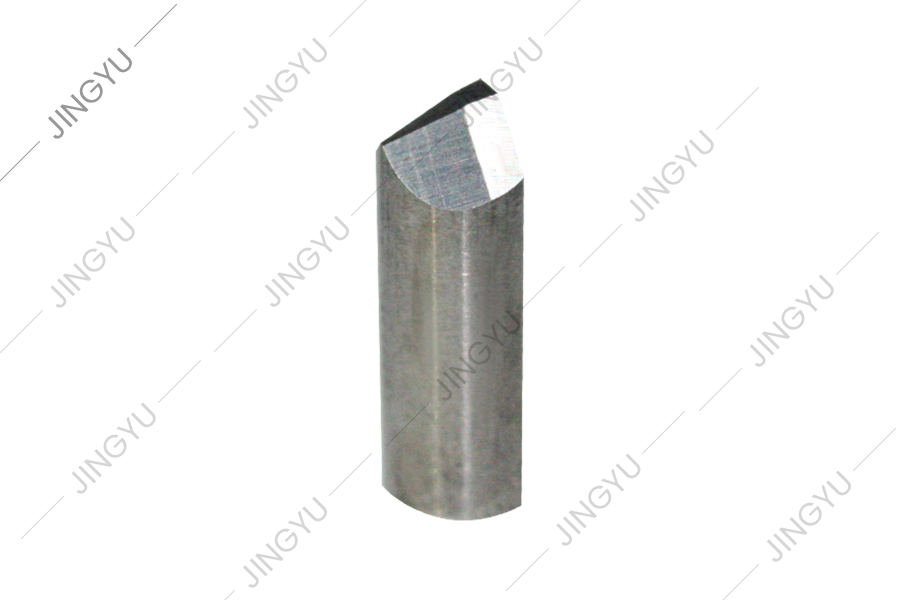
This series is mainly for CNC crescent groove milling machines to provide common-wearing parts, such as milling tool holders, milling cutters, support...
See Details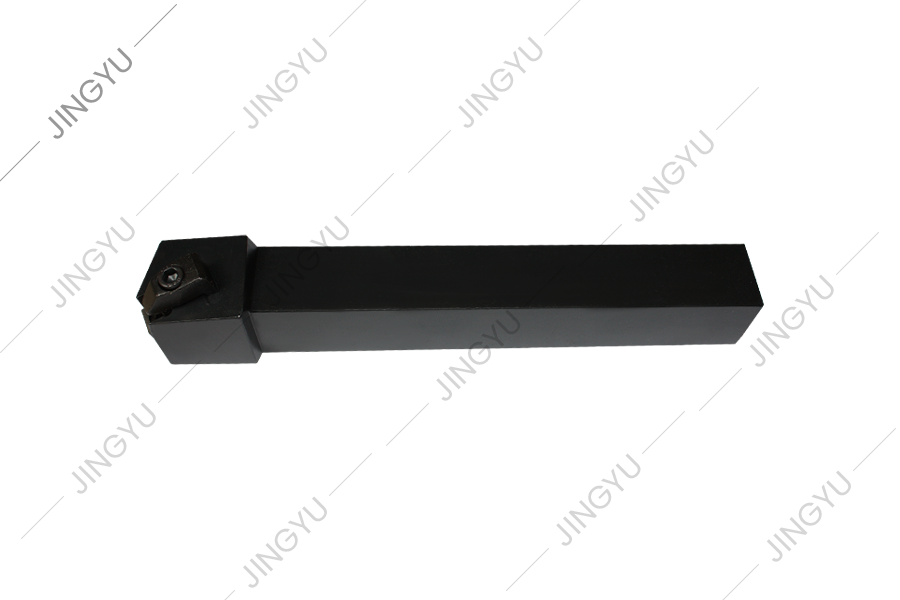
This series mainly provides common-wearing parts for CNC roll lathes, such as CBN blades, PCD blades, chucks, screws, etc.
See Details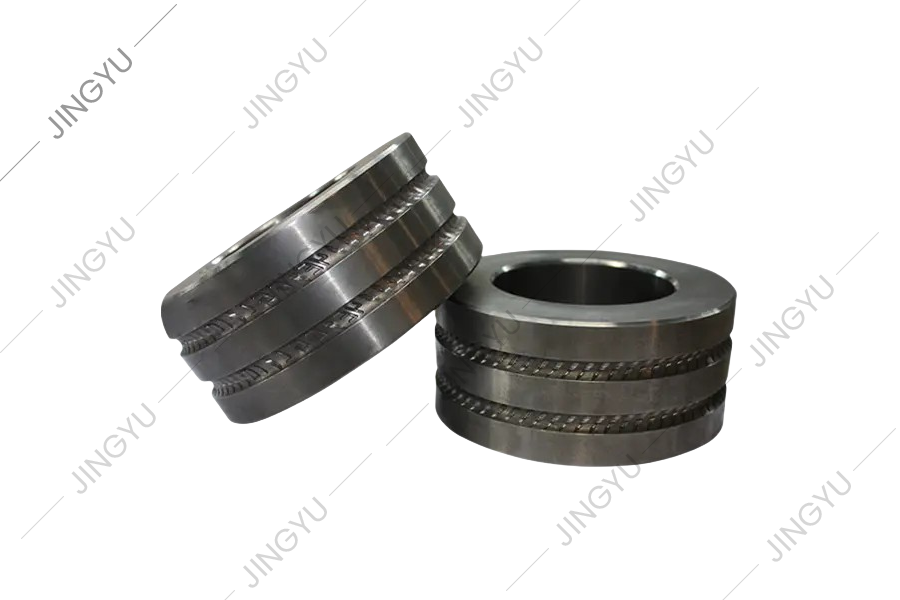
This series mainly provides common-wearing parts for CNC TC ring grinding machines and composite roll grinding machines, such as mandrels, dynamic and...
See DetailsNo.3, Xinghe Road, Zhaxi Industrial Park, Chongchuan District, Nantong, Jiangsu Province, 226003, P.R.China
info@rolllathe.com jennifergao@rolllathe.com
+86-513-85636116
Copyright © Nantong Jingyu Machinery Co., Ltd. All Rights Reserved
 China Roll Turning Lathe Manufacturers
