


 English
 русский
 عربى
عربى
Cat:CNC Roll Milling Machine
CNC Notching and Marking Machine
XK9350 series CNC rebar roll crescent groove milling machine is the upgraded product of XK500 type, which is suitable for processing rolls with diamet...
See DetailsA CNC (Computer Numerical Control) roll processing machine is an advanced piece of equipment used primarily for shaping, cutting, and forming materials with high precision. These machines are widely used in industries such as metalworking, automotive, and aerospace to process materials that need to be precisely rolled or formed into specific shapes. The CNC technology allows for intricate control over the machine’s movements, enabling it to handle complex tasks efficiently. One of the important factors to consider when using a CNC roll processing machine is its ability to process materials with varying hardness levels. This capability is crucial for ensuring that the machine remains versatile and can meet the diverse needs of different industries.
Material hardness refers to the resistance of a material to deformation, indentation, or scratching. It is an important property that influences how materials respond to processing techniques like rolling, cutting, and bending. Different materials possess varying hardness levels, which can significantly affect the performance of the CNC roll processing machine. Hardness is typically measured using several standardized scales, such as the Rockwell, Brinell, or Vickers scales. For example, soft materials like aluminum have low hardness values, while harder materials like steel or titanium have higher hardness values. The ability of a CNC roll processing machine to handle materials with different hardness levels is a key factor in determining its suitability for various applications.
CNC roll processing machines are designed to accommodate materials with a broad range of hardness levels. However, the machine’s performance can vary depending on the specific hardness of the material being processed. Machines that are built with high-quality components and robust engineering are generally more capable of handling harder materials without compromising precision or efficiency. The machine’s design, including the rigidity of its frame, the power of its motors, and the precision of its rollers, plays a critical role in its ability to process materials with different hardness values.
When processing materials with lower hardness, such as aluminum or copper, the CNC roll processing machine can easily deform the material with minimal wear and tear on the machine’s components. These materials are less resistant to deformation, so the machine can maintain its performance with relatively low levels of force. However, as the hardness of the material increases, the required force to process the material also increases. This means that the machine needs to be able to generate higher pressures without causing damage to its internal mechanisms or compromising the quality of the processed material.
When processing harder materials, such as hardened steel or alloys, a CNC roll processing machine may require modifications or adjustments to ensure that it can handle the increased hardness. The machine’s cutting tools, rollers, and even the driving mechanisms must be able to withstand the additional stress imposed by harder materials. Some CNC machines come with specialized tooling options, such as carbide-coated rollers or hardened steel cutting blades, to ensure that they can maintain performance when processing hard materials. Additionally, certain adjustments may need to be made to the machine’s settings, such as increasing the rolling pressure or modifying the speed, to accommodate the different material characteristics.
One approach to processing harder materials is to use a pre-conditioning process, such as heat treatment, to reduce the material’s hardness before rolling. In some cases, it may also be necessary to apply lubrication or cooling systems to reduce the friction between the material and the machine’s rollers, which can become more problematic when dealing with harder materials. Cooling systems help prevent excessive heat buildup, which could otherwise lead to premature wear on the machine or negatively affect the quality of the material being processed.
Different materials present specific challenges when being processed by CNC roll machines. For example, materials with low hardness levels, such as soft aluminum, are more prone to surface damage like scratching or marring during the rolling process. These materials can be easily deformed, but their surfaces may not maintain the desired finish unless careful attention is given to the processing parameters. CNC roll processing machines must be carefully calibrated to avoid issues like uneven surface finishes, which could lead to a reduction in the quality of the final product.
On the other hand, when dealing with materials with higher hardness levels, the primary challenge is to ensure that the machine can generate enough force without causing excessive wear to the tooling or the machine itself. Hard materials can cause significant strain on the machine’s rollers and other components, leading to potential issues such as tool wear or machine malfunction. Additionally, processing hard materials often requires precise control over temperature and lubrication to prevent excessive friction and heat buildup, which can cause both the material and the machine to degrade faster.
In some cases, CNC roll processing machines can be modified to handle harder materials more effectively. These modifications can involve enhancing the machine’s structure, such as reinforcing the frame to better handle higher pressures or incorporating more advanced materials for the rollers and tooling. The machine’s control systems can also be upgraded to provide finer adjustments, ensuring that the correct parameters are applied when processing materials with varying hardness levels.
Another important modification is the addition of specialized cooling systems. For materials that generate significant heat during the rolling process, such as hard alloys, incorporating water or air cooling systems can help maintain an optimal processing temperature. These systems reduce the risk of overheating, which could lead to deformation or damage to both the material and the machine. CNC roll processing machines may also be fitted with specialized lubricants that provide better friction reduction, allowing for smoother processing of harder materials.
Tooling selection is a critical factor when processing materials with varying hardness levels. CNC roll processing machines require the use of cutting tools and rollers that are suited to the specific hardness of the material being processed. For softer materials, such as mild steel or aluminum, standard tooling may be sufficient. However, for harder materials, such as hardened steel or titanium, more specialized tooling may be required to ensure optimal performance and to prevent tool wear. Tools made from carbide, for example, are often used for processing harder materials, as they are much more resistant to wear and can maintain their cutting edge for longer periods.
In addition to the selection of appropriate tooling, the machine’s tooling setup may need to be adjusted based on the hardness of the material. For example, the contact pressure, cutting speed, and feed rates may need to be altered to suit the material’s characteristics. For harder materials, the feed rate may need to be reduced to ensure that the material is processed without causing excessive wear on the tools. The proper selection and setup of tooling are essential to achieve consistent, high-quality results across materials with different hardness levels.
The adaptability of CNC roll processing machines to different hardness levels is one of their key advantages. Modern CNC roll machines are highly versatile and can be adjusted to handle a wide range of materials, from soft metals to hardened alloys. This versatility is made possible by the advanced control systems and the ability to fine-tune various parameters, including pressure, speed, and tooling configuration. CNC technology allows operators to modify the machine’s settings in real-time, ensuring that the appropriate conditions are applied for each material being processed.
This adaptability makes CNC roll processing machines valuable tools in industries that work with a wide variety of materials. Whether it is producing parts from soft aluminum or tough stainless steel, CNC roll machines can be configured to process both types of materials effectively. By utilizing the right combination of settings, tooling, and modifications, manufacturers can achieve consistent results even when working with materials of different hardness levels.
In conclusion, CNC roll processing machines are capable of processing materials with varying hardness levels, but they must be carefully adjusted to ensure that they can handle the unique challenges posed by different materials. For softer materials, the machine typically requires less force and fewer modifications, while harder materials require more specialized tooling, greater force, and often additional cooling and lubrication systems. By understanding the specific needs of different materials and making the necessary adjustments, CNC roll processing machines can deliver precise and consistent results, regardless of material hardness.
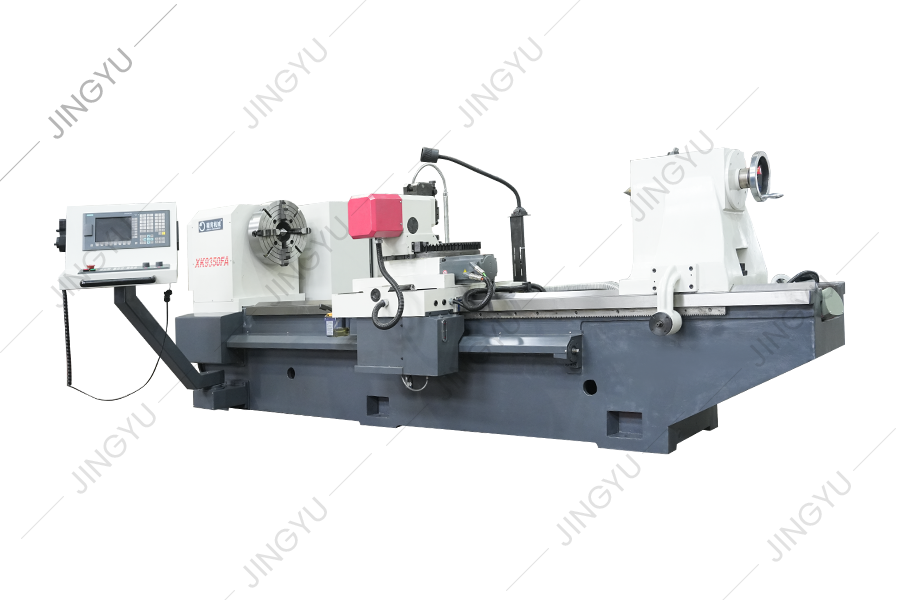
XK9350 series CNC rebar roll crescent groove milling machine is the upgraded product of XK500 type, which is suitable for processing rolls with diamet...
See Details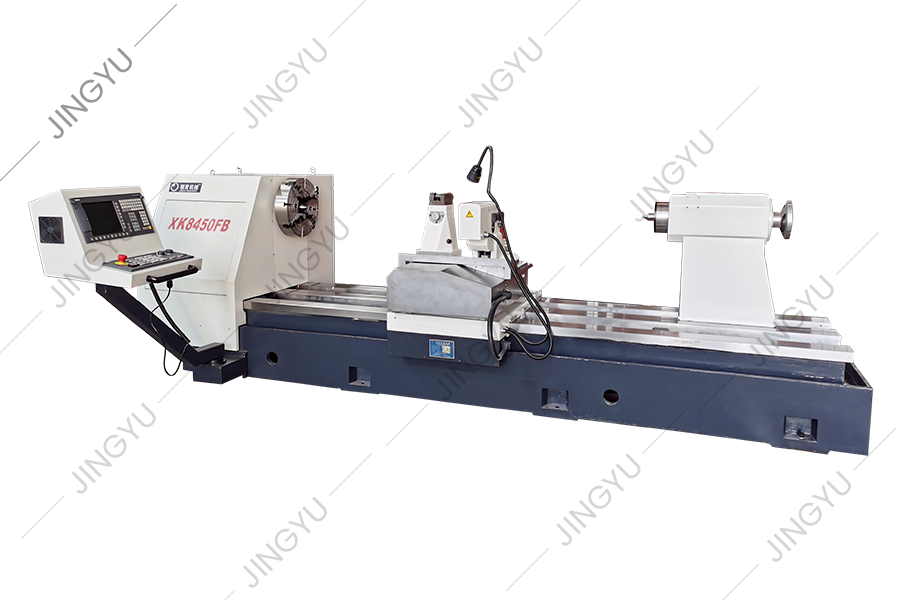
This series of machine tools can automatically cut crescent grooves with different rotation directions and any helix angle. It can divide into equal (...
See Details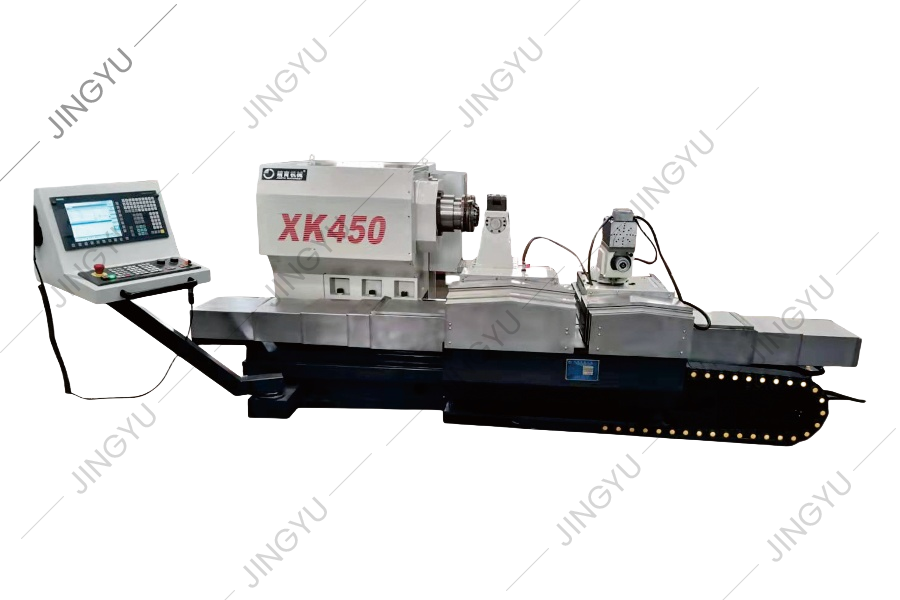
We have accumulated rich experience in the processing and use of rebar rolls, and have conducted in-depth analysis and research on the technology of s...
See Details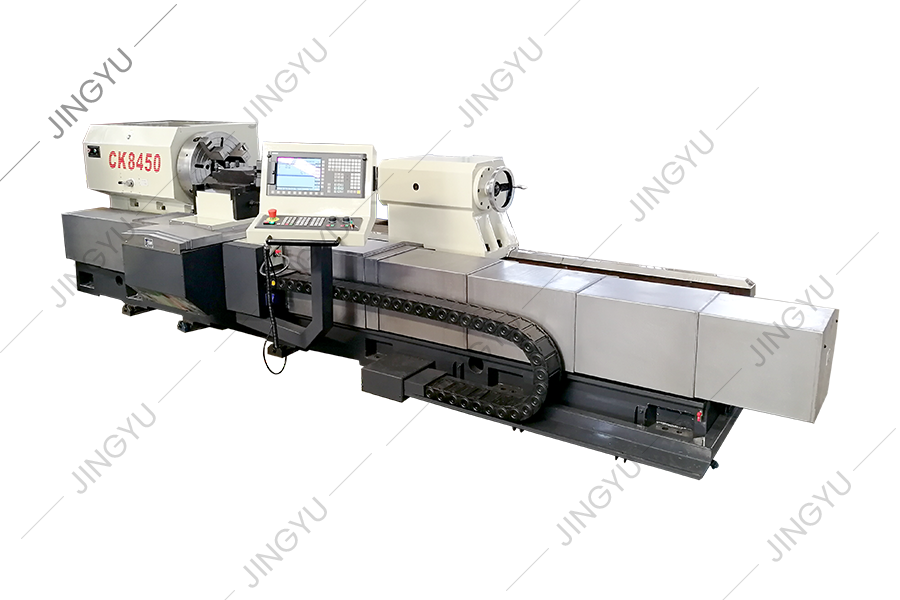
This series of machine tools is mainly used to pass and process rolls. It can also turn the outer circle and roll neck of rolls, and can also turn par...
See Details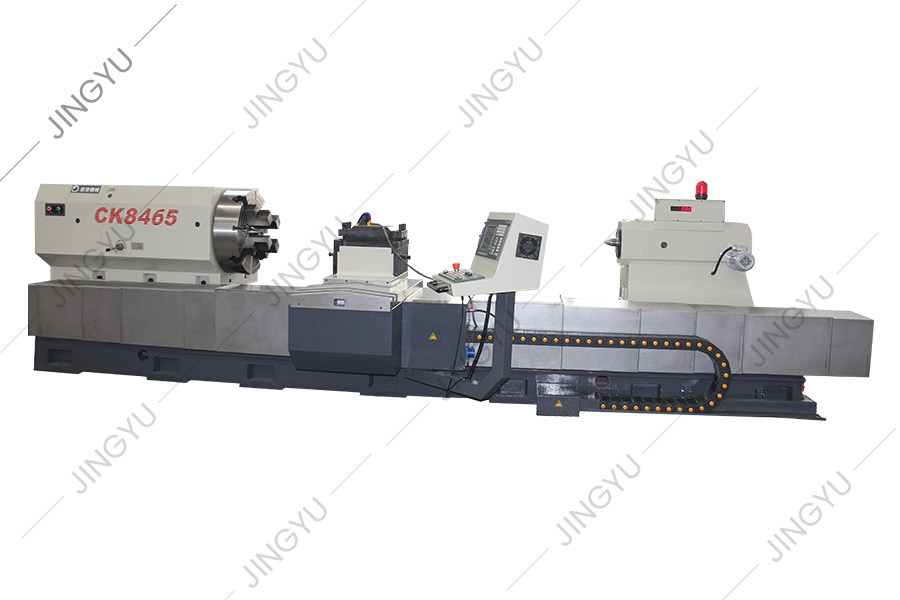
CK8465H CNC roll lathe bed adopts a 2+3 heavy-duty linear rolling guide structure, that is, two rectangular guide rails arranged horizontally on the b...
See Details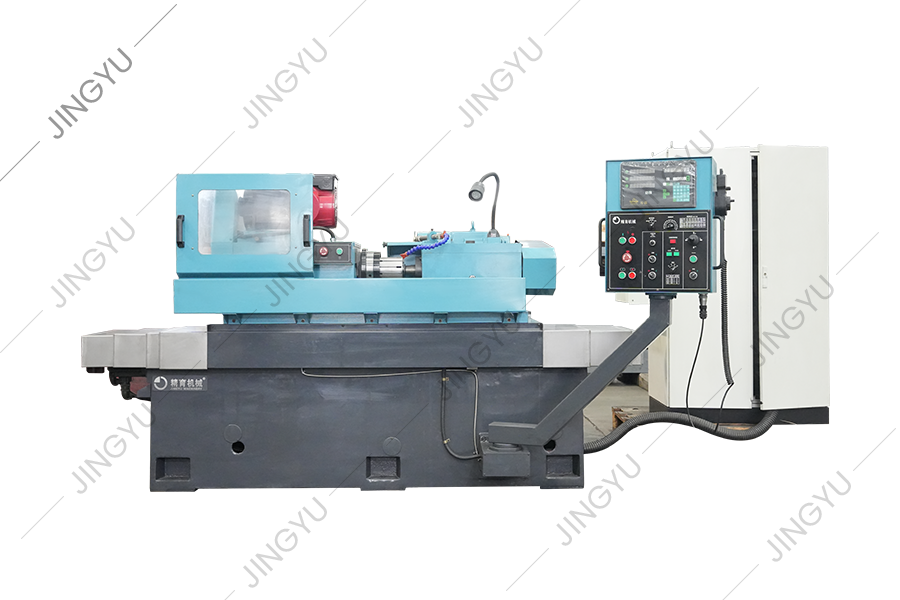
The roll ring forming grinder is mainly used for grinding tungsten carbide roller rings for high-speed wire rod production. The formed diamond grindin...
See Details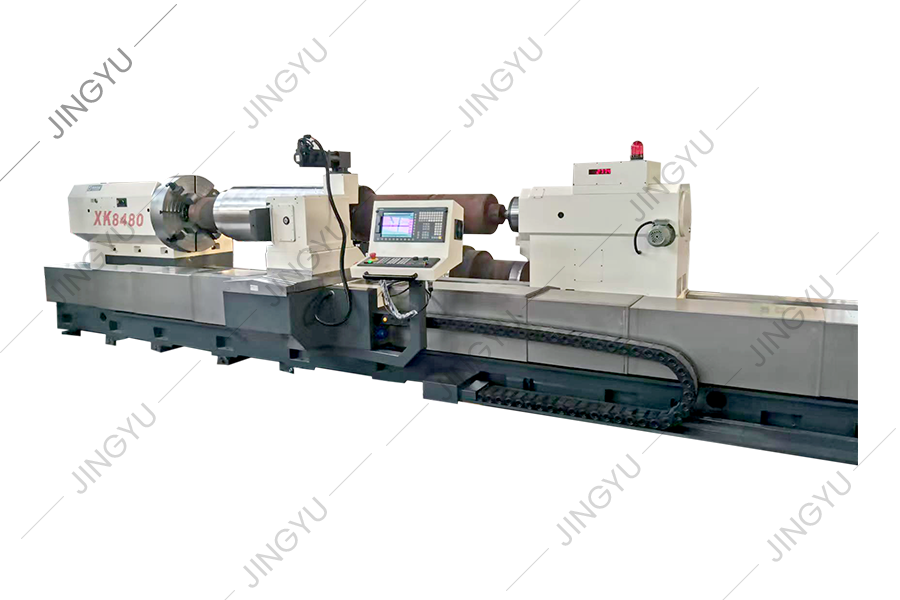
At present, pattern roll engraving at home and abroad generally adopts electrolysis method, ordinary horizontal milling machine milling and other proc...
See Details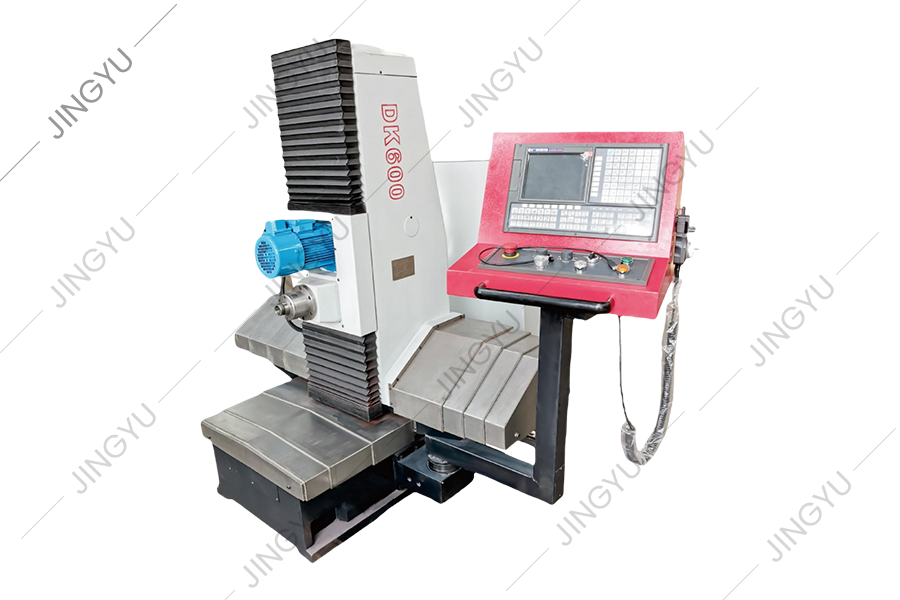
CNC roll engraving machine is suitable for processing various roll end face markings. Through the automatic editing software, it can generate processi...
See Details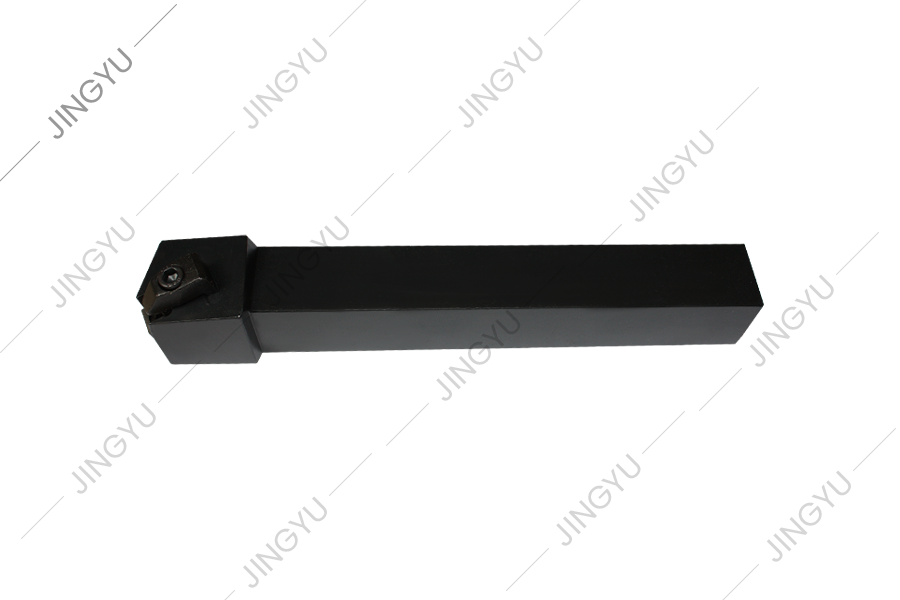
This series mainly provides common-wearing parts for CNC roll lathes, such as CBN blades, PCD blades, chucks, screws, etc.
See Details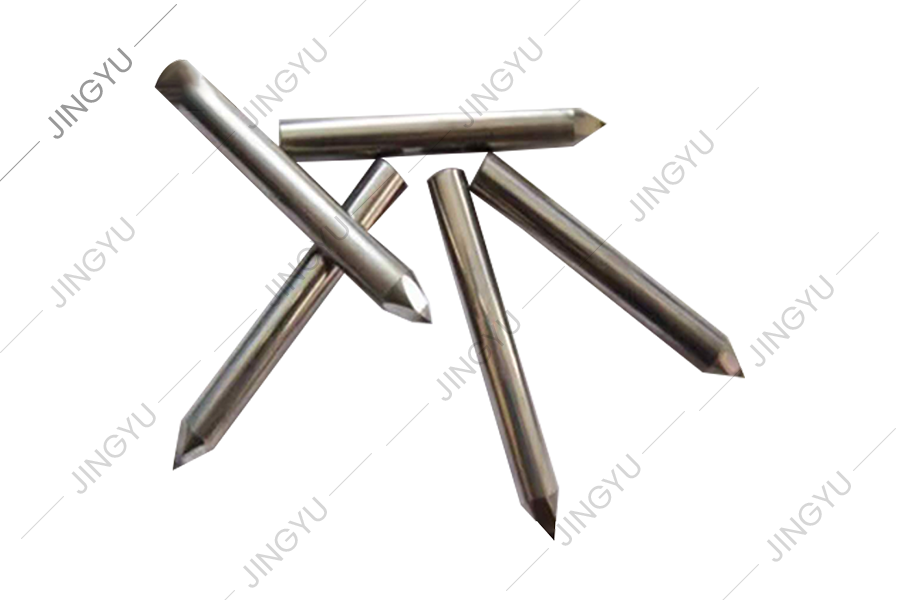
We also supply other spare parts, such as checkered plate milling cutters, roll slotting tools, oil pumps, motors, CNC systems, etc.
See DetailsNo.3, Xinghe Road, Zhaxi Industrial Park, Chongchuan District, Nantong, Jiangsu Province, 226003, P.R.China
info@rolllathe.com jennifergao@rolllathe.com
+86-513-85636116
Copyright © Nantong Jingyu Machinery Co., Ltd. All Rights Reserved
 China Roll Turning Lathe Manufacturers
