


 English
 русский
 عربى
عربى
Cat:CNC Roll Milling Machine
CNC Roll Ring Milling Machine
We have accumulated rich experience in the processing and use of rebar rolls, and have conducted in-depth analysis and research on the technology of s...
See DetailsVibration and tool skipping are common concerns in CNC machining, especially when working on large and complex parts like roller rings. Roller ring lathes are used to produce components with high precision requirements, and the machining process involves heavy cutting forces, rotational dynamics, and long tool paths. These factors can contribute to instability during machining, which may manifest as vibration or sudden tool skipping. Understanding how and why these issues occur is the first step in managing them effectively.
Machine rigidity is one of the most important factors affecting vibration. Roller ring lathes often deal with large-diameter rings and heavy workpieces, which place higher loads on the machine structure. If the lathe lacks sufficient rigidity or if the machine components have excessive clearance, the cutting forces can cause deflection. This deflection can result in chatter or vibration that affects surface finish and dimensional accuracy. A rigid machine structure and well-maintained guideways help reduce the risk of vibration during the machining process.
Workpiece stability is another key factor in vibration and tool skipping. Roller rings are typically large and heavy, and their clamping method affects stability. If the workpiece is not properly supported or if the clamping pressure is uneven, the workpiece may shift slightly during cutting. This can cause the tool to lose engagement momentarily, resulting in tool skipping. In addition, the rotational balance of the workpiece can influence vibration. An unbalanced workpiece can generate periodic forces that interact with the cutting process, increasing the likelihood of vibration.
Cutting parameters such as spindle speed, feed rate, and depth of cut have a direct influence on vibration. When parameters are not optimized for the material and tool geometry, the cutting process can enter a regime where chatter occurs. Chatter is a self-excited vibration that can cause irregular surface patterns, tool wear, and reduced accuracy. The choice of cutting parameters should consider the machine’s rigidity, tool stiffness, and the specific machining operation. In roller ring machining, high cutting forces and long tool overhang can make parameter selection more sensitive, so it is important to adjust parameters based on actual cutting conditions.
Tool geometry and tool overhang are significant factors in stability. In roller ring machining, tools often need to reach deep or cover large arcs, which can result in longer tool overhang. Longer overhang reduces tool stiffness and increases the likelihood of deflection under cutting forces. Tool deflection can lead to vibration and tool skipping, especially in finishing operations where precision is required. Selecting tools with appropriate geometry and minimizing overhang where possible can help reduce instability. Tool holders and fixtures also play a role in maintaining tool rigidity during cutting.
Tool wear is a natural outcome of machining, but it can affect stability if not monitored. As the cutting edge wears, the cutting force may increase, and the tool may generate higher heat. Increased cutting force can lead to more deflection and a higher risk of vibration. In addition, worn tools may cause uneven chip formation, which can result in tool skipping or intermittent engagement. Regular tool inspection and timely replacement help maintain stable cutting conditions. In CNC roller ring machining, where precision is critical, monitoring tool wear is an important part of ensuring consistent performance.
The material being machined affects the likelihood of vibration and tool skipping. Roller rings are often made from hardened steel or alloy materials that require high cutting forces. Harder materials increase tool load and heat generation, which can contribute to instability. Some materials also have variable hardness or internal stresses that can cause sudden changes in cutting resistance. These changes can trigger vibration or cause the tool to skip. Understanding the material properties and adjusting machining strategies accordingly can help manage these issues.
Fixturing and support systems directly influence workpiece stability. Roller rings require secure clamping and sometimes additional support due to their size and weight. Using steady rests, tailstocks, or custom fixtures can improve stability and reduce deflection. Proper fixturing also helps maintain concentricity and alignment, which are essential for high-precision machining. If the workpiece is not adequately supported, vibration can develop, and the tool may skip during cutting. Therefore, fixture design and setup are critical aspects of achieving stable machining performance.
Machine maintenance and calibration affect long-term stability. Wear in guideways, spindle bearings, or ball screws can introduce backlash and reduce rigidity. These issues can contribute to vibration during cutting. Regular maintenance, including lubrication and alignment checks, helps maintain machine accuracy and stability. Calibration of the machine and inspection of key components are important, especially when machining high-precision parts such as roller rings. A well-maintained machine is less likely to experience unexpected vibration or tool skipping.
| Factor | How It Affects Vibration | How It Affects Tool Skipping |
| Machine rigidity | Reduced rigidity increases deflection and chatter | Deflection may cause loss of tool engagement |
| Workpiece stability | Unstable clamping increases vibration | Workpiece shift may cause tool skipping |
| Cutting parameters | Improper parameters can induce chatter | High feed or depth may cause intermittent engagement |
| Tool overhang | Long overhang reduces stiffness | Deflection can lead to skipping |
| Tool wear | Increases cutting forces and heat | Uneven cutting can cause skipping |
Reducing vibration and tool skipping requires a combination of design, setup, and process control. Optimizing cutting parameters is a key step. This includes selecting appropriate spindle speed, feed rate, and depth of cut based on the material and tool geometry. Adjusting parameters to avoid resonance zones can help reduce chatter. Tool selection and tool path planning are also important. Using tools with suitable geometry, adequate rigidity, and appropriate coating can improve stability. Minimizing tool overhang and using rigid tool holders can also reduce deflection.
Advanced control techniques can help manage vibration. Modern CNC systems offer features such as adaptive feed control and vibration monitoring. Adaptive control can adjust feed rate in response to changing cutting conditions, which helps maintain stable cutting forces. Vibration monitoring systems can detect chatter early and alert the operator to adjust parameters. These techniques support stable machining by allowing the system to respond dynamically to conditions during cutting. In roller ring machining, where cutting conditions can change along the tool path, these control methods can be useful.
Process planning and tool path optimization play a role in stability. Roller ring machining often involves long tool paths and complex contours. Planning the machining sequence and tool paths to reduce sudden changes in cutting load can help minimize vibration. Using consistent engagement and avoiding sharp transitions in tool movement reduces the chance of tool skipping. In addition, planning for balanced cutting forces along the tool path supports smoother machining. Effective process planning contributes to stable and predictable results.
Cutting fluid and cooling affect tool performance and stability. Proper lubrication reduces friction and heat, which helps maintain tool life and consistent cutting forces. In roller ring machining, cooling helps prevent thermal deformation of the workpiece and tool, which supports dimensional accuracy. Inadequate cooling can increase tool wear and increase the risk of vibration. Using appropriate cutting fluid and ensuring adequate flow to the cutting zone helps maintain stable machining conditions.
Material clamping and balancing are essential for reducing vibration. Roller rings need secure clamping and sometimes counterbalancing to ensure smooth rotation. Unbalanced workpieces can create periodic forces that lead to vibration. Proper balancing of the workpiece and careful setup of the chuck or fixture help reduce these forces. In addition, ensuring the workpiece is centered and aligned reduces the chance of uneven cutting loads. Clamping stability directly influences machining stability and helps prevent tool skipping.
Monitoring and feedback are important for detecting and addressing instability during machining. Operators can monitor surface finish, tool load, and machine vibration to identify potential issues. CNC systems also provide real-time feedback on spindle load and axis load, which helps detect abnormal conditions. When instability is detected, adjustments to speed, feed, or tool path can be made to stabilize the process. Monitoring and feedback help maintain consistent machining quality and reduce the risk of defects.
Vibration and tool skipping can occur in CNC roller ring lathe machining, especially when machining large or hard materials under high cutting forces. However, these issues are not inevitable. Proper machine rigidity, stable workpiece clamping, optimized cutting parameters, and effective tool selection all contribute to reducing the risk. Regular maintenance and monitoring also support stable operation. By addressing the key factors that influence stability, manufacturers can reduce vibration and tool skipping and achieve consistent machining results.
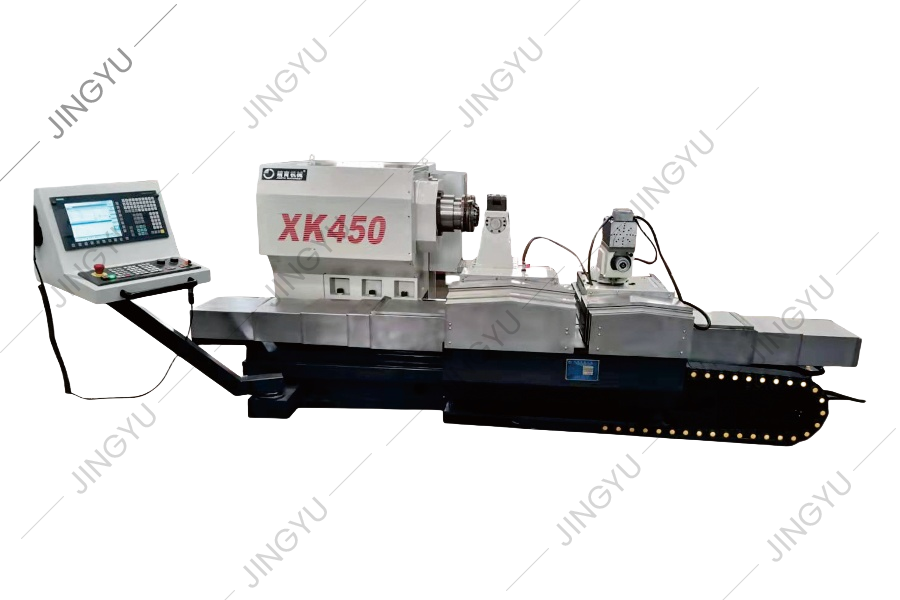
We have accumulated rich experience in the processing and use of rebar rolls, and have conducted in-depth analysis and research on the technology of s...
See Details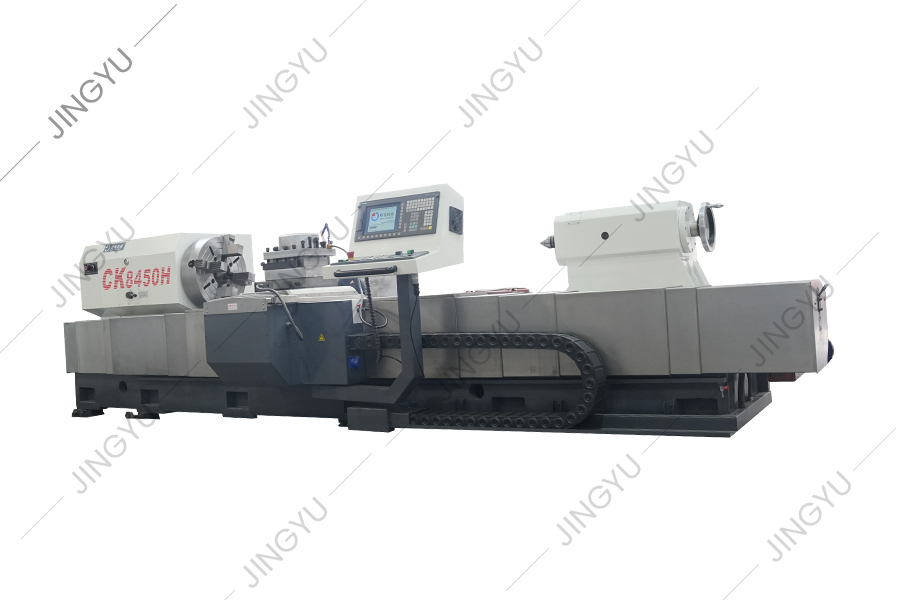
This series of machine tools is mainly used to pass and process rolls. It can also turn the outer circle and roll neck of rolls, and can also turn par...
See Details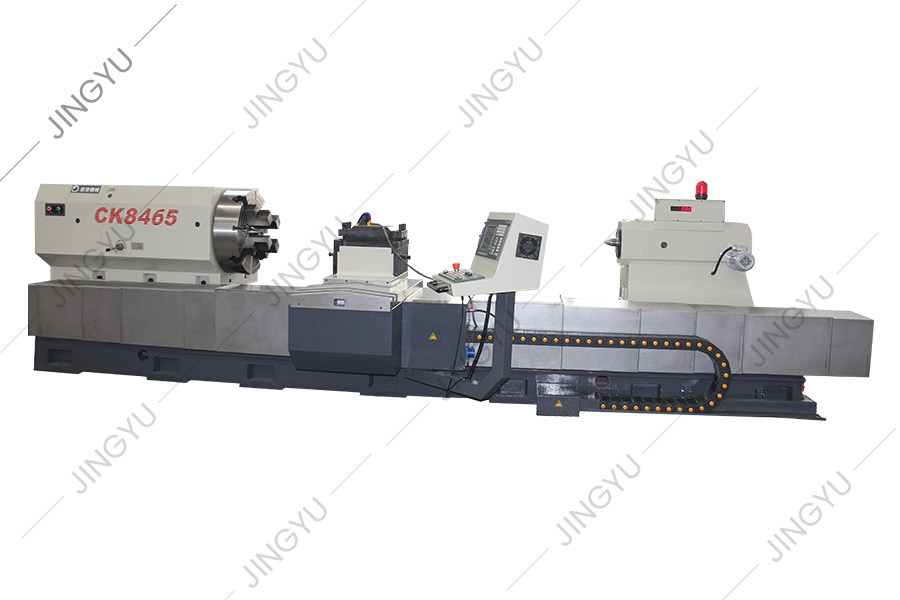
CK8465H CNC roll lathe bed adopts a 2+3 heavy-duty linear rolling guide structure, that is, two rectangular guide rails arranged horizontally on the b...
See Details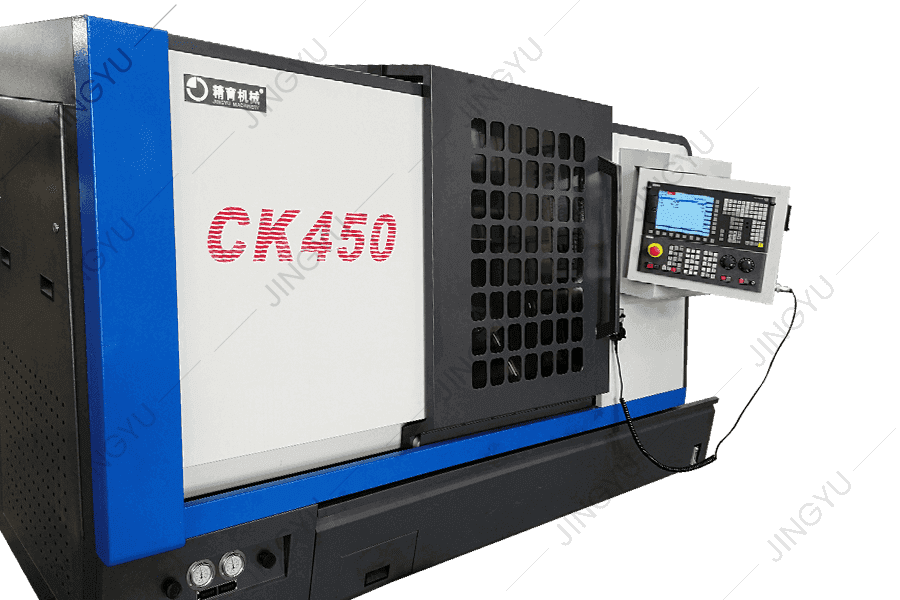
The CK450 inclined bed CNC lathe adopts the German Siemens control system. The appearance, operating system, and safety protection system of the machi...
See Details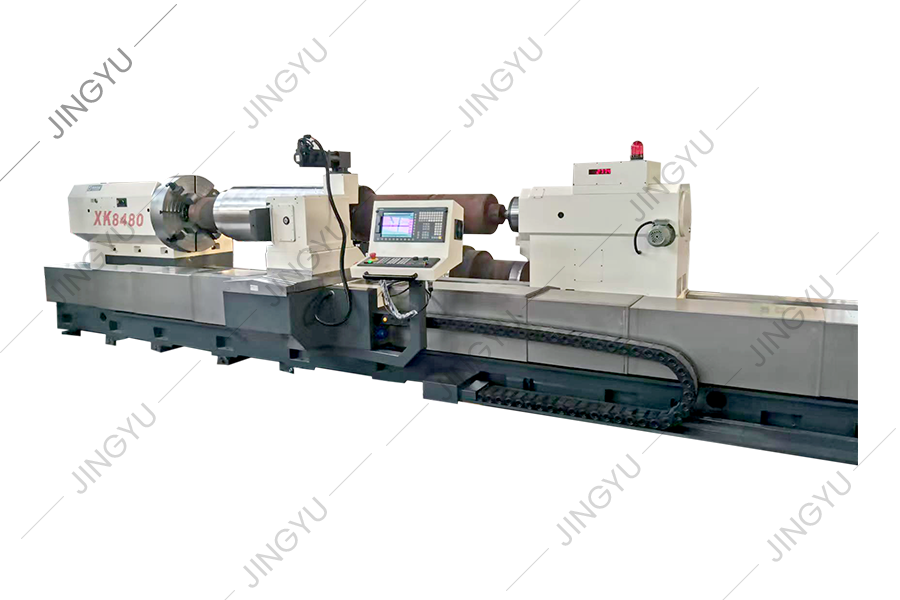
At present, pattern roll engraving at home and abroad generally adopts electrolysis method, ordinary horizontal milling machine milling and other proc...
See Details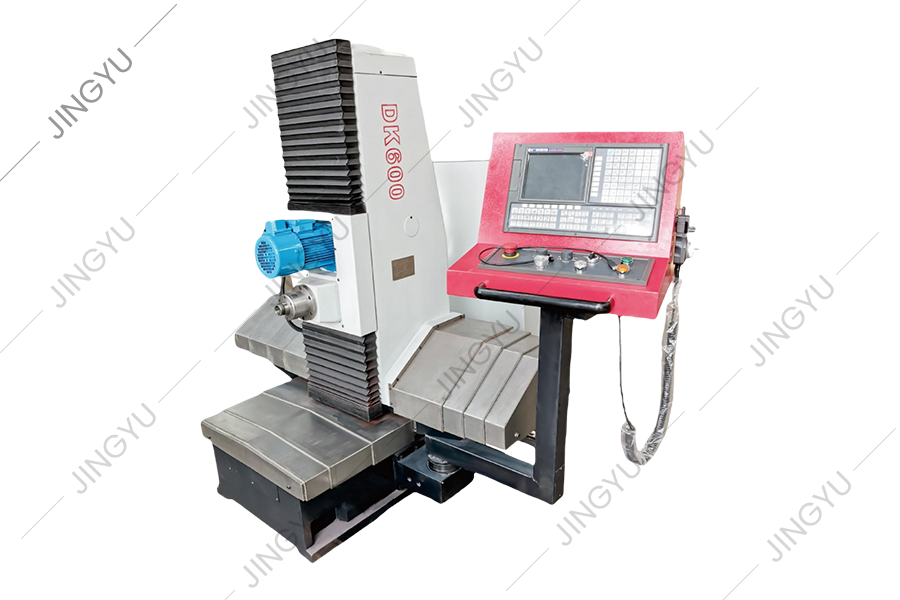
CNC roll engraving machine is suitable for processing various roll end face markings. Through the automatic editing software, it can generate processi...
See Details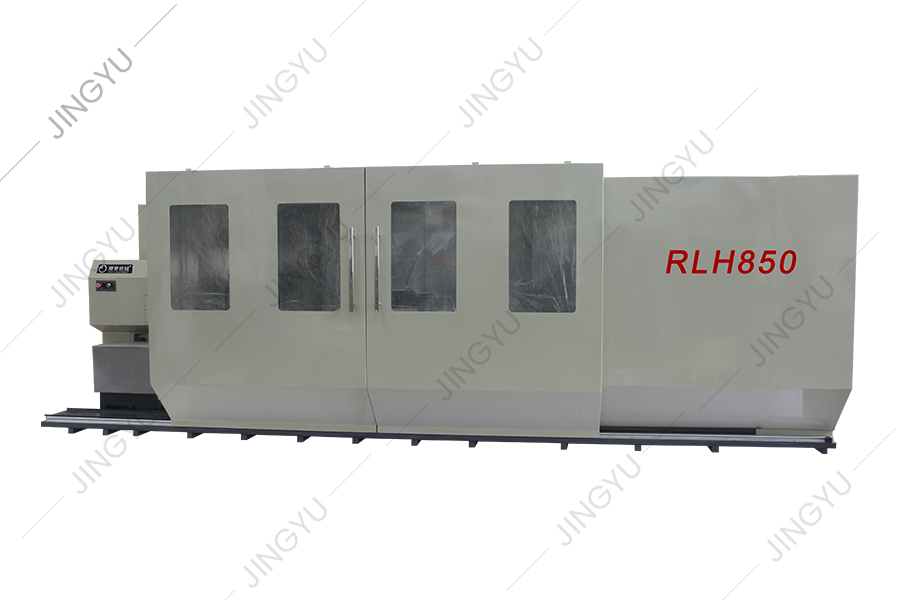
This machine tool is a new type of CNC roll grooving machine tool developed based on the company's CNC roll milling machine series and after full rese...
See Details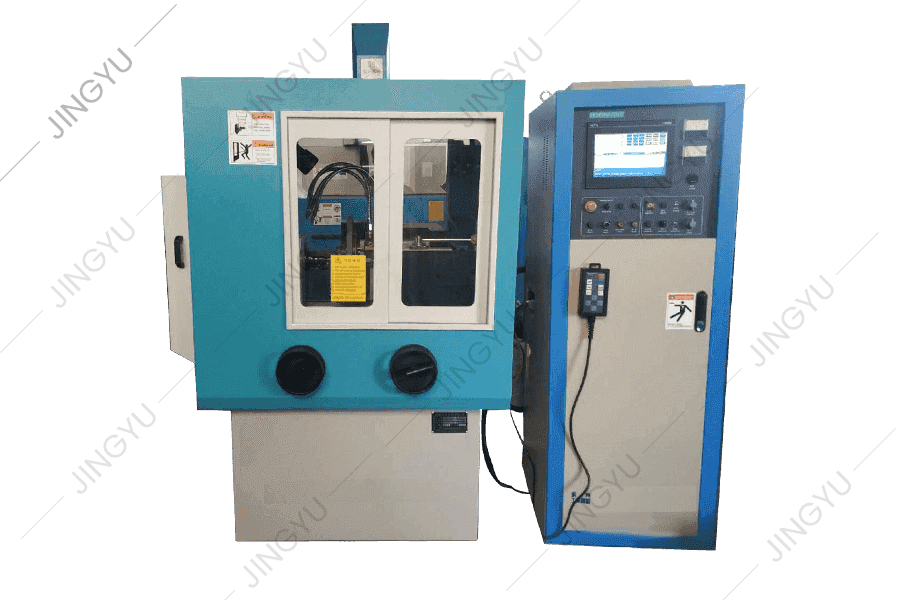
MX250 is a standard diamond wheel dressing machine, used for forming and dressing diamond wheels for metallurgical steel mills. The diameter of diamon...
See Details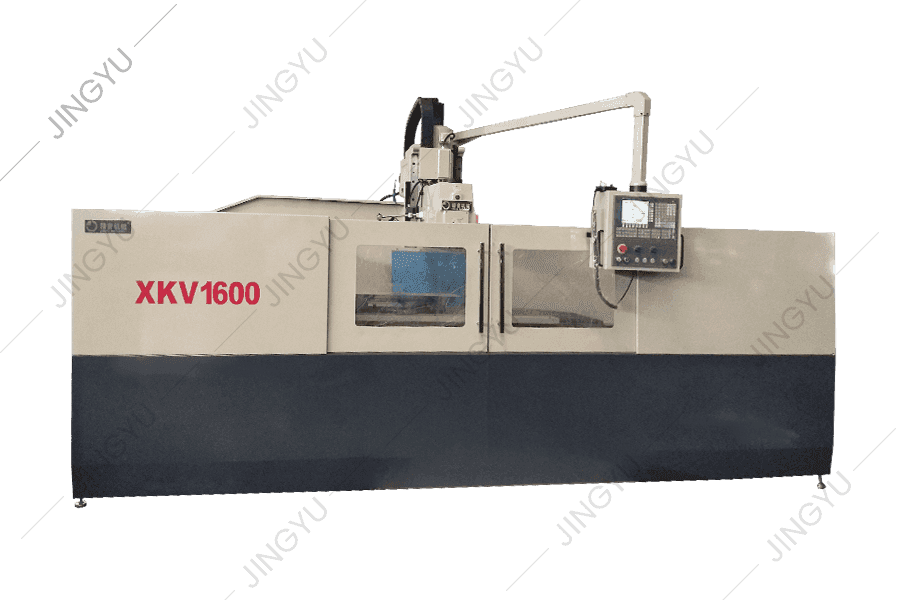
The CNC-reinforced milling machine adopts a full-gear spindle box, and the spindle transmission part adopts gears with precision of more than 6 levels...
See Details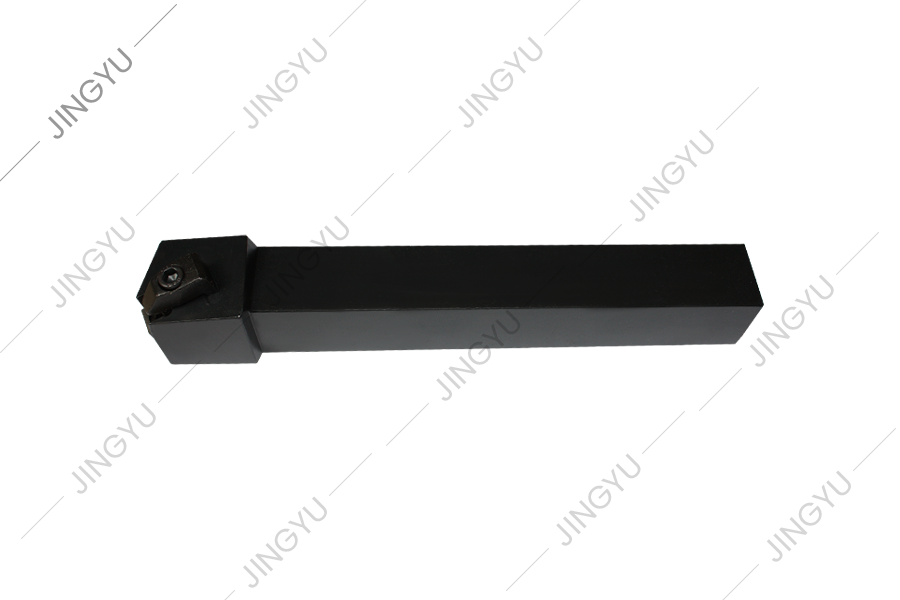
This series mainly provides common-wearing parts for CNC roll lathes, such as CBN blades, PCD blades, chucks, screws, etc.
See DetailsNo.3, Xinghe Road, Zhaxi Industrial Park, Chongchuan District, Nantong, Jiangsu Province, 226003, P.R.China
info@rolllathe.com jennifergao@rolllathe.com
+86-513-85636116
Copyright © Nantong Jingyu Machinery Co., Ltd. All Rights Reserved
 China Roll Turning Lathe Manufacturers
