


 English
 русский
 عربى
عربى
Cat:CNC Roll Milling Machine
CNC Notching and Marking Machine
XK9350 series CNC rebar roll crescent groove milling machine is the upgraded product of XK500 type, which is suitable for processing rolls with diamet...
See DetailsCNC roller grinders are advanced machining tools that utilize computer numerical control (CNC) technology to precisely grind and shape materials, particularly rollers, into highly accurate dimensions. These grinders are typically used in the manufacturing and processing industries, where precision and efficiency are crucial. They are widely employed in industries like steel, paper, rubber, and textiles, where rollers are critical components in the production processes. CNC roller grinders offer enhanced control, speed, and automation compared to manual grinding methods, making them indispensable in modern manufacturing environments.
A CNC roller grinder uses a grinding wheel that rotates at high speeds to remove material from the surface of a roller or cylindrical part. The CNC system controls the movement of both the grinding wheel and the workpiece with high precision, enabling intricate patterns, tight tolerances, and smooth finishes. The grinder is programmed with specific dimensions, speeds, and feed rates, which are input into the system via software. The automation provided by CNC technology allows for more consistent and repeatable results, reducing the possibility of human error and the need for manual adjustments during the grinding process.
The key components of a CNC roller grinder include the grinding wheel, spindle, axis movement system, CNC controller, and coolant system. The grinding wheel is the primary tool used for material removal, and the spindle holds the wheel in place, ensuring it remains stable during operation. The CNC controller allows operators to input various parameters, including speed, feed rate, and cutting depth, while the axis movement system enables precise positioning of the roller and the grinding wheel. The coolant system helps reduce heat buildup, which could otherwise affect the quality of the finish and cause damage to the workpiece.
The speed of a CNC roller grinder is determined by several factors, including the type of material being ground, the grinding wheel specifications, and the desired finish. Typically, CNC roller grinders can operate at speeds ranging from a few meters per minute to over 10 meters per minute, depending on the size and complexity of the workpiece. The ability to control these speeds precisely through CNC technology allows manufacturers to optimize the grinding process for different applications, ensuring that parts are produced within the required time frame while maintaining high accuracy.
The speed at which material is removed during grinding depends on the hardness of the material, the grinding wheel's grit size, and the cutting parameters set in the CNC controller. Softer materials can generally be ground faster than harder materials, as less force is required to remove material. However, the desired surface finish also plays a critical role in determining the appropriate speed. A higher finish quality often requires slower grinding speeds to avoid damaging the surface and to achieve a smoother result.
The efficiency of CNC roller grinders is influenced by several factors, such as setup time, operational time, material waste, and energy consumption. CNC technology improves efficiency by automating much of the grinding process, reducing the need for manual intervention. Once the grinder is properly set up and programmed, it can produce high-quality parts with minimal downtime, making it suitable for both small and large production runs.
One of the key factors that contribute to the efficiency of CNC roller grinders is the automation of the grinding process. CNC systems can automatically adjust parameters like speed, feed rate, and cutting depth based on real-time data, ensuring that the grinding process is optimized for each specific part. This automation reduces the chances of human error, increases consistency, and minimizes the need for manual adjustments during the grinding process.
Another efficiency benefit of CNC roller grinders is their ability to perform high-precision grinding with minimal material waste. The accuracy of the CNC system ensures that only the necessary amount of material is removed during grinding, which can help reduce scrap and improve material utilization. Additionally, the use of high-quality grinding wheels and a controlled coolant system helps to maintain a clean and consistent grinding process, further reducing waste and improving overall efficiency.
One of the most significant advantages of CNC roller grinders is their ability to produce highly precise and accurate parts. The integration of CNC technology allows for the precise control of grinding wheel movement, ensuring that parts are ground to exact specifications. This precision is essential in industries where rollers need to meet strict tolerances for diameter, roundness, and surface finish. CNC systems can maintain tolerances within a few microns, which is critical for applications such as high-speed printing, steel rolling, and rubber processing, where any deviation from the desired dimensions can result in poor performance or damage to the equipment.
The high precision of CNC roller grinders also enables the production of parts with consistent finishes across multiple parts or production batches. As each part is ground to the same specifications, manufacturers can ensure that their rollers or cylindrical components perform uniformly, which is especially important in large-scale manufacturing operations. This consistency reduces the need for additional quality control checks and minimizes the risk of defects.
CNC roller grinders offer a high degree of customization and flexibility, making them suitable for a wide range of applications and industries. The ability to input specific grinding parameters, such as wheel speed, feed rate, and cutting depth, allows manufacturers to tailor the grinding process to the specific requirements of each part. Additionally, CNC roller grinders can accommodate various roller sizes, materials, and geometries, allowing them to be used in different production processes.
For example, in the steel industry, CNC roller grinders are used to grind rollers used in rolling mills, where high precision is required to produce products such as steel sheets, bars, and pipes. Similarly, in the paper industry, these grinders are used to maintain the rollers that are used in printing presses and paper machines, ensuring that the rollers remain round and properly sized. In the rubber industry, CNC roller grinders are used to grind rollers for calendaring machines, which require consistent surface finishes to produce high-quality rubber sheets. The versatility of CNC roller grinders allows them to be used across these varied applications, making them a valuable tool in many industries.
One of the key benefits of CNC roller grinders is their ability to reduce production times. The automated nature of the process allows operators to focus on other tasks while the grinder performs the work, which increases overall throughput. CNC systems also enable quicker setup times, as operators can program new parameters without having to manually adjust the machine for each part. This reduction in setup time, combined with the high-speed grinding capabilities, allows manufacturers to complete more parts in less time.
Additionally, the ability to achieve consistent results across production runs eliminates the need for extensive rework or corrections, further reducing production time. This efficiency is particularly important in industries where time-sensitive production schedules are critical. The reduced downtime and streamlined operation enabled by CNC roller grinders can lead to increased productivity and faster delivery times for customers.
To maintain the speed and efficiency of a CNC roller grinder, regular maintenance is essential. This includes checking the alignment of the grinding wheel, ensuring that the CNC system is operating correctly, and keeping the coolant system clean. Proper maintenance helps ensure that the grinder continues to perform at optimal levels, reducing the likelihood of breakdowns and improving its overall lifespan.
CNC roller grinders are designed to be durable and long-lasting, but their performance can degrade over time if not properly maintained. The grinding wheels must be periodically replaced to ensure that they maintain their effectiveness, and the CNC system should be calibrated regularly to ensure that the grinding parameters remain accurate. However, with the right care, a CNC roller grinder can provide many years of service, offering consistent performance and efficiency over time.
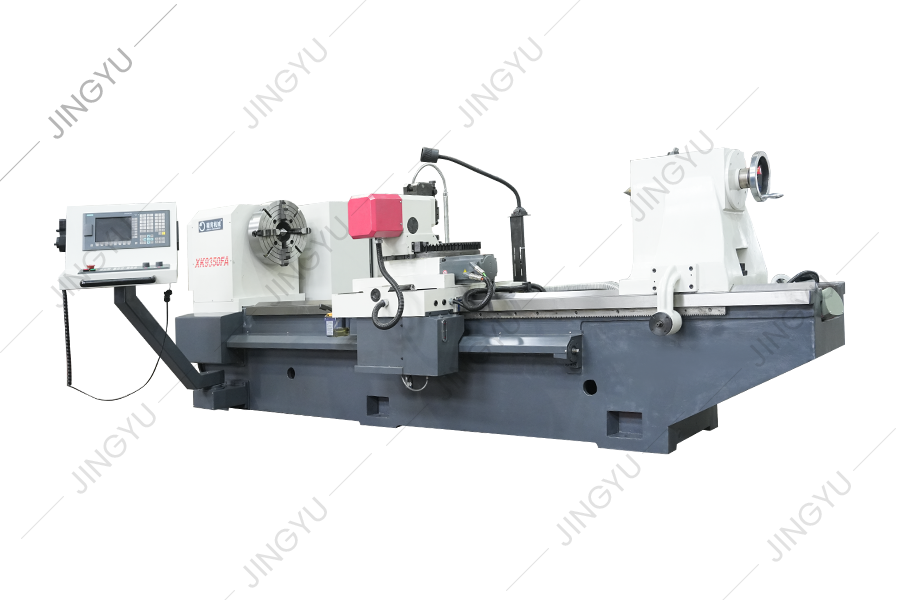
XK9350 series CNC rebar roll crescent groove milling machine is the upgraded product of XK500 type, which is suitable for processing rolls with diamet...
See Details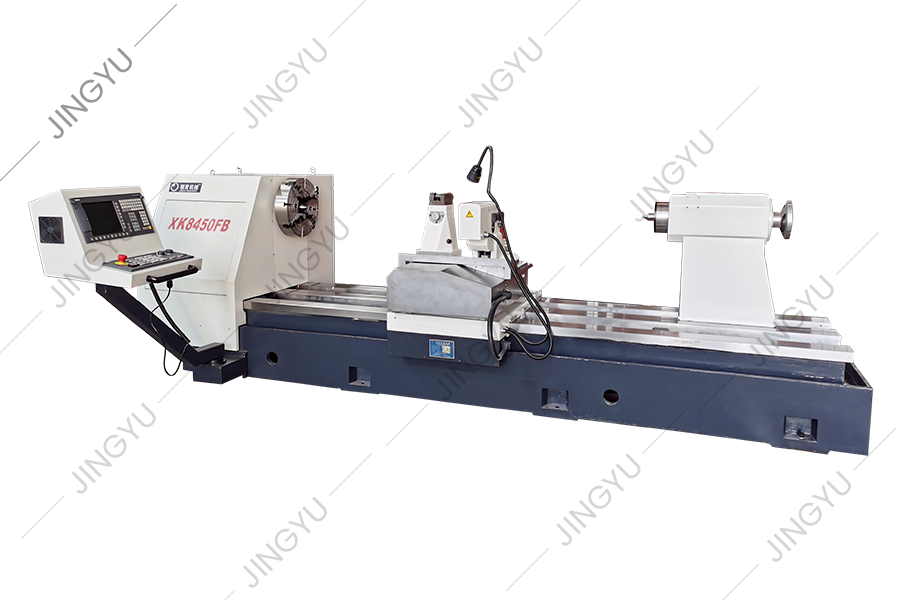
This series of machine tools can automatically cut crescent grooves with different rotation directions and any helix angle. It can divide into equal (...
See Details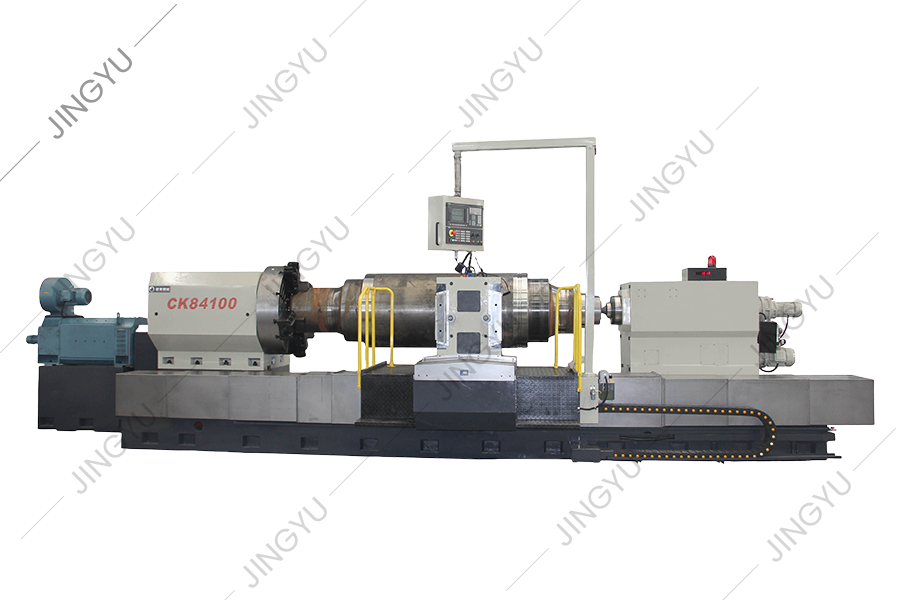
CK84 series CNC roll lathe adopts Siemens 828D CNC system and is driven by a servo motor. When designing this machine tool, we fully analyzed the tech...
See Details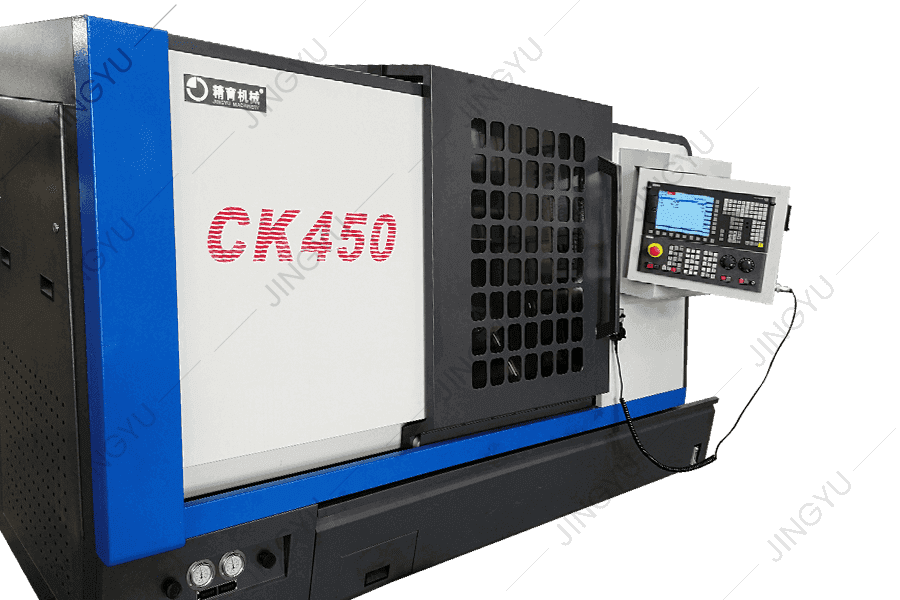
The CK450 inclined bed CNC lathe adopts the German Siemens control system. The appearance, operating system, and safety protection system of the machi...
See Details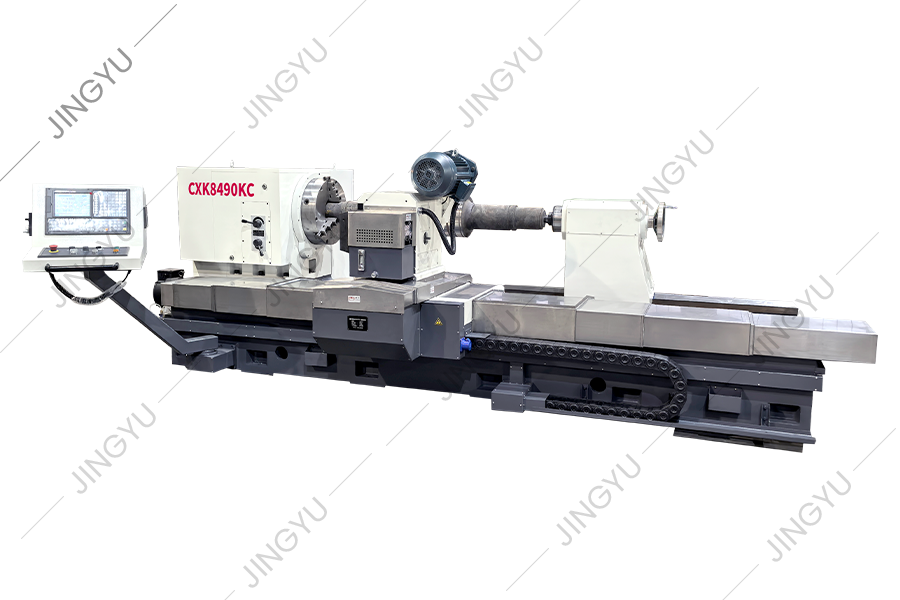
This machine tool is a new type of CNC roll grooving machine tool developed based on the company's CNC roll milling machine series and after full rese...
See Details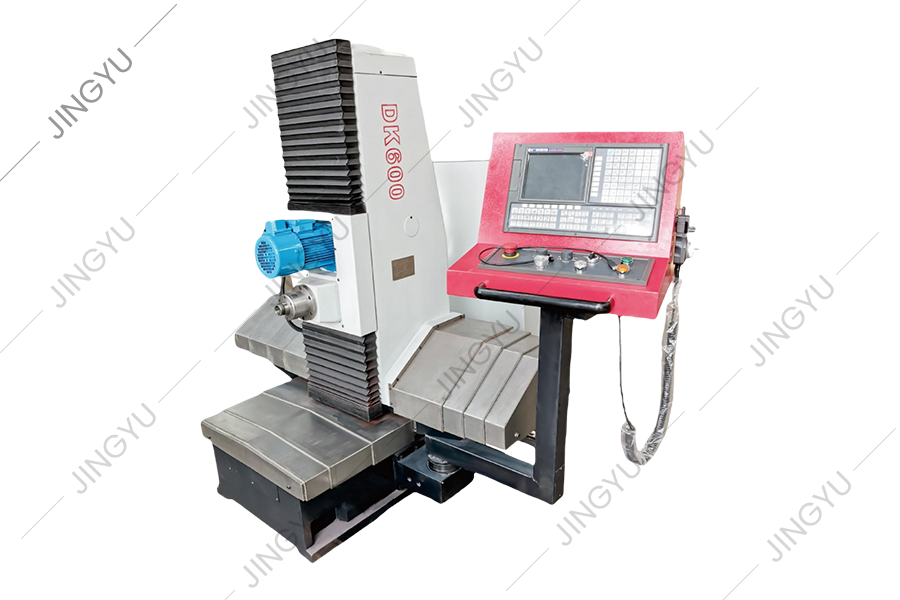
CNC roll engraving machine is suitable for processing various roll end face markings. Through the automatic editing software, it can generate processi...
See Details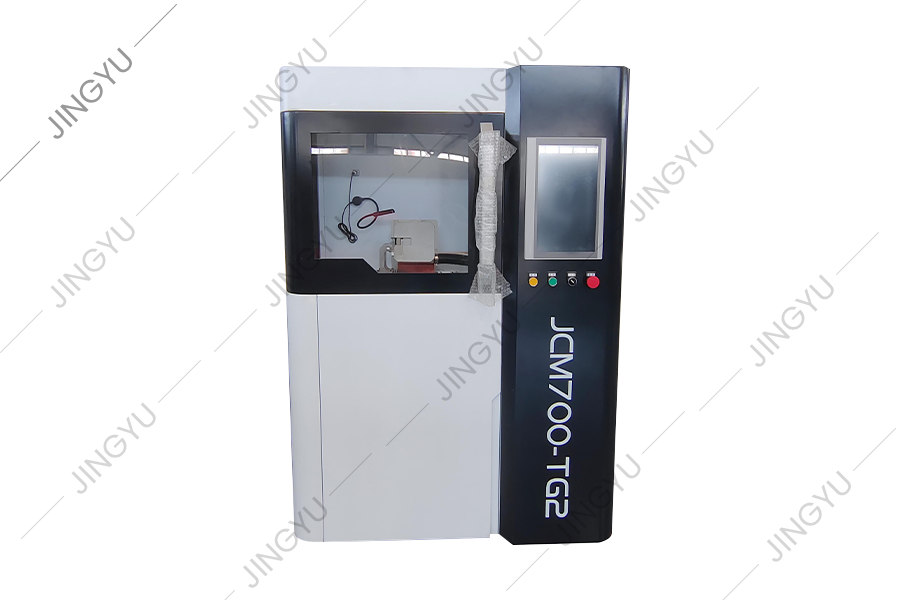
This machine is mainly used for grinding and repairing the milling cutter of roll threaded cross rib, which can easily repair and grind the edge of re...
See Details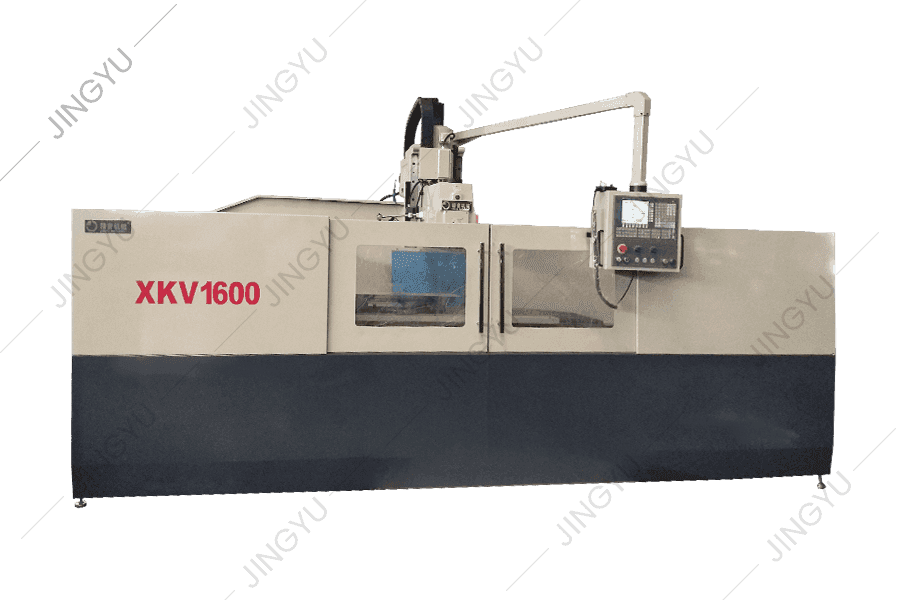
The CNC-reinforced milling machine adopts a full-gear spindle box, and the spindle transmission part adopts gears with precision of more than 6 levels...
See Details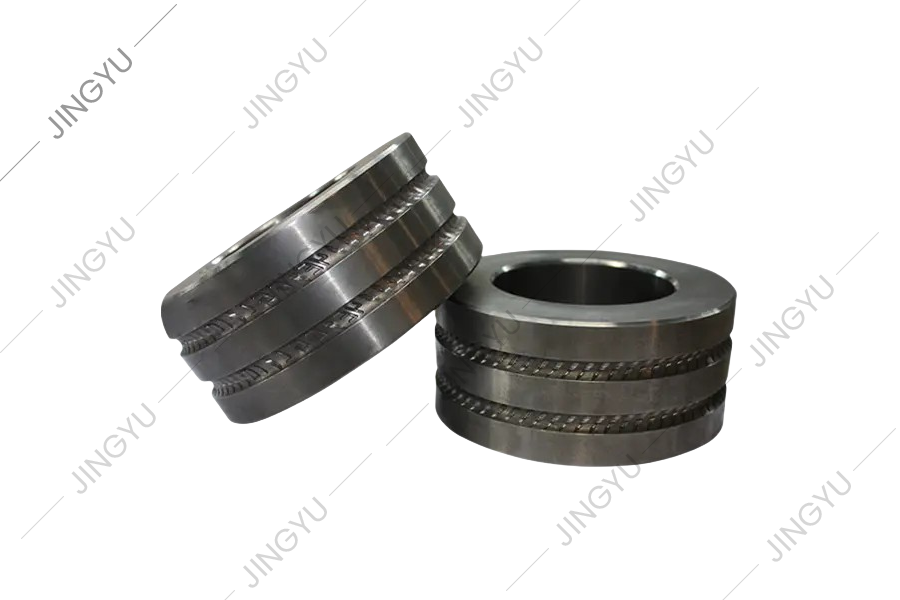
This series mainly provides common-wearing parts for CNC TC ring grinding machines and composite roll grinding machines, such as mandrels, dynamic and...
See Details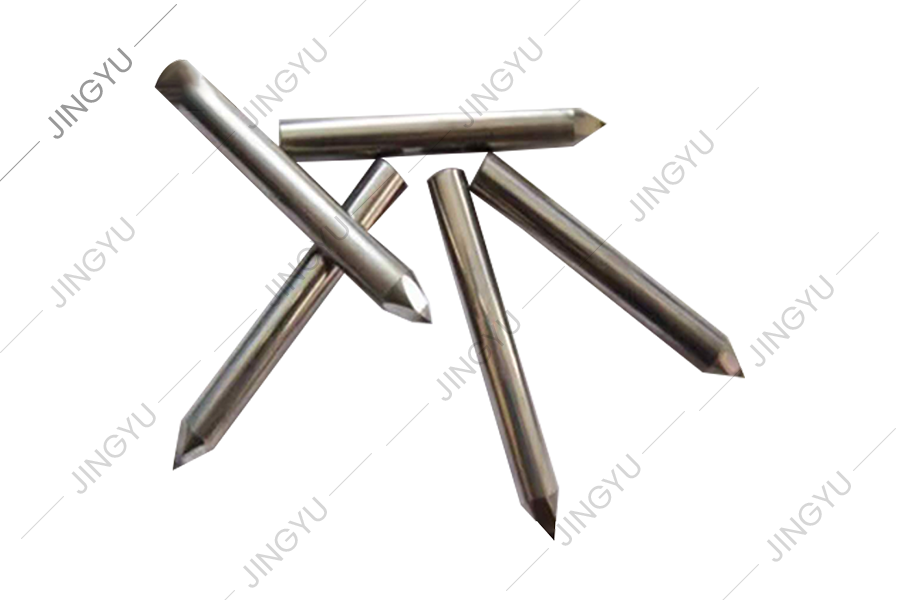
We also supply other spare parts, such as checkered plate milling cutters, roll slotting tools, oil pumps, motors, CNC systems, etc.
See DetailsNo.3, Xinghe Road, Zhaxi Industrial Park, Chongchuan District, Nantong, Jiangsu Province, 226003, P.R.China
info@rolllathe.com jennifergao@rolllathe.com
+86-513-85636116
Copyright © Nantong Jingyu Machinery Co., Ltd. All Rights Reserved
 China Roll Turning Lathe Manufacturers
