


 English
 русский
 عربى
عربى
Cat:CNC Roll Turning Lathe
High Efficiency CNC Roll Lathe
CK84 series CNC roll lathe adopts Siemens 828D CNC system and is driven by a servo motor. When designing this machine tool, we fully analyzed the tech...
See DetailsA CNC roll milling machine is a type of numerical control equipment designed for machining cylindrical or profiled rolls used in industries such as metal forming, paper processing, plastics, and rolling mills. These machines rely on programmed tool paths and controlled motion to remove material from the roll surface. Because rolls often require both bulk material removal and precise surface shaping, the question of whether roughing and finishing can be completed in a single operation is closely related to machine structure, control capability, and process planning.
Roughing refers to the initial stage of machining where larger amounts of material are removed to bring the workpiece close to its final shape. This stage prioritizes efficiency and material removal rate rather than surface quality. Finishing, by contrast, focuses on achieving the required surface accuracy, dimensional tolerance, and texture. In roll machining, finishing often determines functional performance, making it a critical step even after extensive roughing.
Rolls are typically large, heavy, and made from materials such as forged steel, cast iron, or alloy steel. These materials impose significant cutting loads during roughing and demand stable cutting conditions during finishing. A CNC roll milling machine must therefore manage varying cutting forces, spindle speeds, and feed rates if both processes are to be performed without repositioning the workpiece.
The ability to combine roughing and finishing in one operation depends heavily on machine rigidity. During roughing, cutting forces are higher and can induce vibration if the machine structure lacks sufficient stiffness. Finishing requires controlled, smooth motion to achieve consistent surface quality. CNC roll milling machines designed with reinforced beds, robust guideways, and stable spindle assemblies are better suited to handle this transition within a single setup.
Modern CNC control systems allow multiple machining strategies to be executed sequentially within one program. By adjusting parameters such as spindle speed, feed rate, depth of cut, and tool path, the machine can switch from roughing to finishing automatically. This flexibility is a core enabler for performing both processes in one operation, provided the control system supports smooth transitions and precise interpolation.
Tooling plays a central role in combining roughing and finishing. Roughing tools are typically designed with stronger cutting edges and geometries suited for heavy material removal, while finishing tools emphasize edge sharpness and surface control. CNC roll milling machines equipped with automatic tool changers can switch between different tools during the same operation, allowing both stages to be completed without removing the roll from the machine.
In some cases, a single tool may be used for both roughing and finishing by varying cutting parameters. This approach simplifies tool management but may compromise efficiency or surface consistency. Multi-tool strategies, where dedicated tools are used for each stage, offer greater process control. CNC roll milling machines that support automated tool changes are more adaptable to such strategies.
Roughing generates more heat due to higher cutting forces and material removal rates. If finishing follows immediately, residual heat may influence dimensional accuracy. CNC roll milling machines often include cooling systems and process planning methods that allow roughing passes to be followed by controlled finishing passes, reducing the impact of thermal expansion on final dimensions.
The surface condition of a roll directly affects its performance in service. Finishing operations are designed to achieve specific roughness and profile accuracy. When roughing and finishing are combined in one operation, the machine must maintain positional accuracy throughout the entire cycle. This places demands on feedback systems such as linear scales and spindle encoders.
One of the advantages of performing both processes in one operation is the reduction of repeated setups. Each setup introduces potential alignment errors. CNC roll milling machines that allow roughing and finishing in a single clamping can maintain consistent reference points, improving overall dimensional control as long as the fixturing remains stable throughout the cycle.
Combining roughing and finishing can reduce overall production time by eliminating intermediate handling and setup steps. However, the total machining time may still be influenced by conservative finishing parameters. CNC roll milling machines offer the ability to balance efficiency and accuracy by optimizing each stage within a continuous program.
Roll machining cycles can be lengthy, especially when both roughing and finishing are performed consecutively. CNC roll milling machines may incorporate monitoring functions to track spindle load, vibration, and temperature. These features help ensure that the transition between roughing and finishing does not introduce instability or tool damage.
| Aspect | Separate Roughing and Finishing | Combined in One Operation | Main Influence |
| Setup Frequency | Multiple setups | Single setup | Alignment consistency |
| Process Control | Independent stages | Programmed transition | CNC capability |
| Production Flow | Interrupted | Continuous | Efficiency balance |
Roll materials may exhibit internal stress, hardness variation, or surface defects. During roughing, these factors may not be fully apparent but can influence finishing behavior. CNC roll milling machines that combine both processes must accommodate such variability through adaptive feeds or conservative finishing passes to maintain stable results.
Programming plays a decisive role in determining whether roughing and finishing can be combined effectively. Tool paths are often organized so that roughing removes bulk material in stages, leaving a uniform allowance for finishing. The finishing pass then follows a refined path that corrects minor deviations. CNC roll milling machines rely on accurate programming to execute this sequence reliably.
Tool wear accumulates more rapidly during roughing due to higher loads. If the same tool is used for finishing, wear may affect surface quality. Machines that support tool life monitoring or automatic tool changes can switch to a fresh finishing tool, allowing both processes to occur in one operation without compromising results.
Maintaining dimensional accuracy throughout a combined roughing and finishing cycle requires consistent machine performance. Factors such as guideway friction, spindle stability, and control response must remain within acceptable limits. CNC roll milling machines designed for long-duty cycles are better positioned to support this approach.
From an operational perspective, combining roughing and finishing can reduce labor involvement and handling risk. Economically, it may lower indirect costs related to setup and inspection. However, it may also require higher initial investment in machine capability and control sophistication.
Despite its advantages, one-operation machining is not always suitable. Extremely tight surface requirements, very large rolls, or materials with unpredictable behavior may benefit from intermediate inspection or stress relief between stages. CNC roll milling machines offer the option to combine processes, but this choice must be evaluated case by case.
In practical applications, many CNC roll milling machines are capable of supporting both roughing and finishing within one operation under appropriate conditions. Success depends on machine rigidity, control accuracy, tooling strategy, and process planning. When these elements align, combining both stages can be a practical and controlled approach to roll manufacturing.
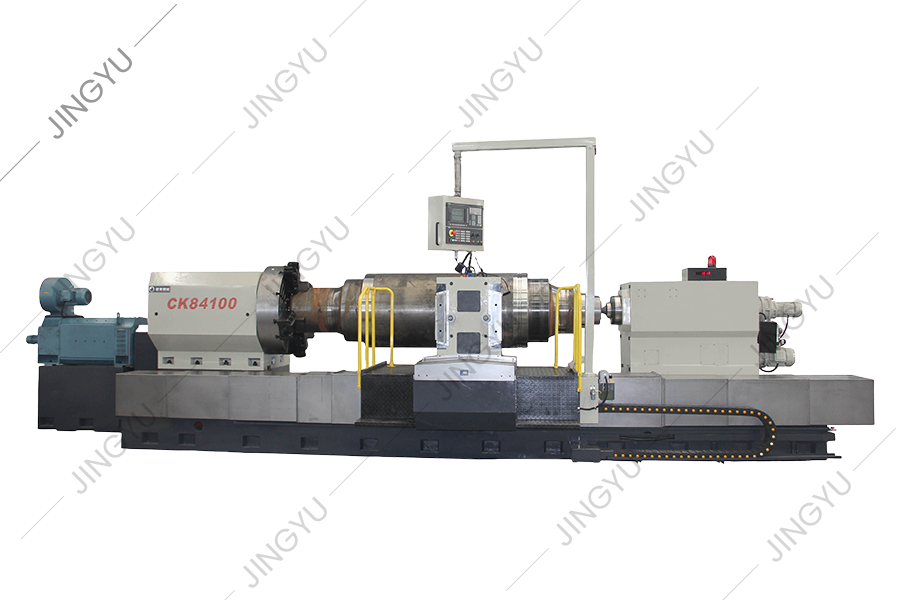
CK84 series CNC roll lathe adopts Siemens 828D CNC system and is driven by a servo motor. When designing this machine tool, we fully analyzed the tech...
See Details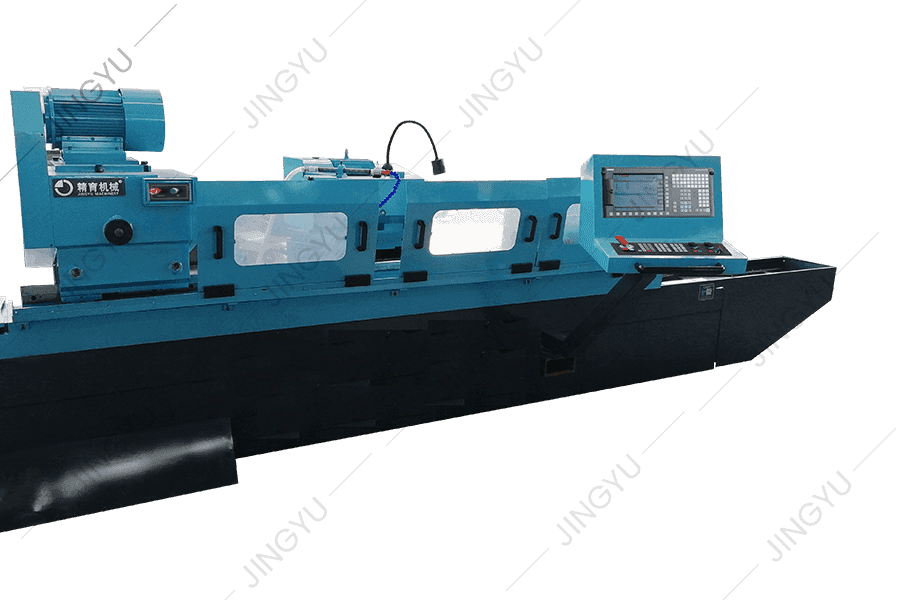
MK8450 CNC roll grinder is mainly used for rough grinding, semi-finish grinding, fine grinding, and non-spark grinding of the outer circles and R groo...
See Details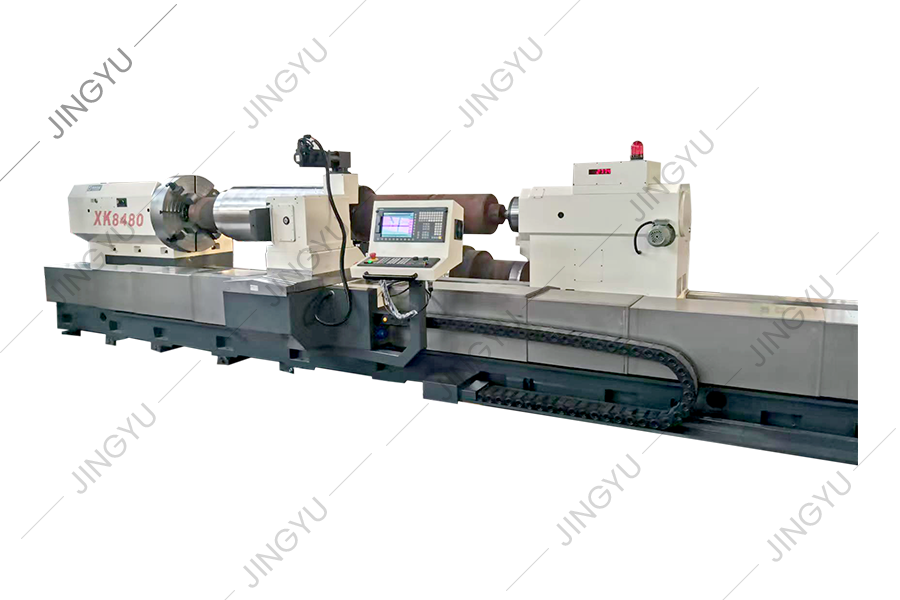
At present, pattern roll engraving at home and abroad generally adopts electrolysis method, ordinary horizontal milling machine milling and other proc...
See Details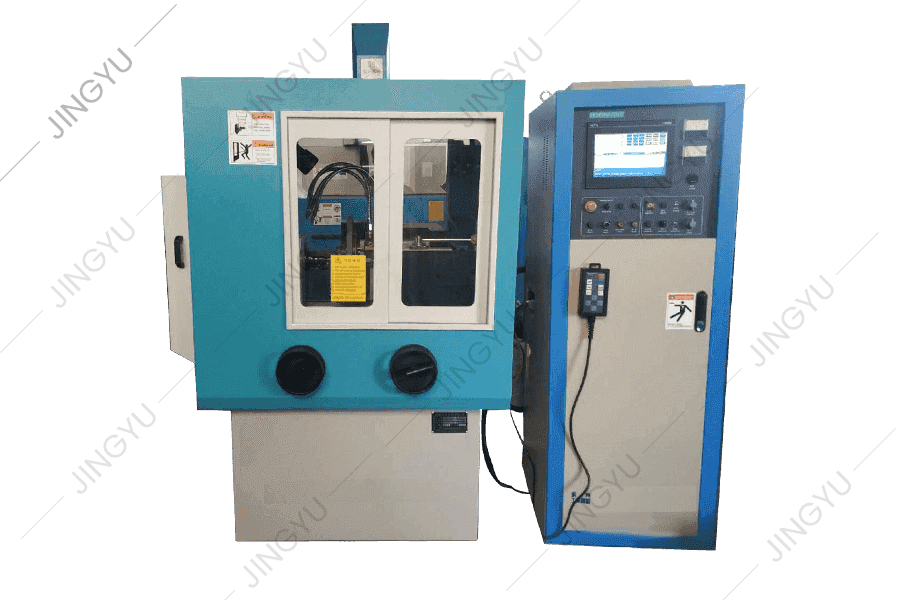
MX250 is a standard diamond wheel dressing machine, used for forming and dressing diamond wheels for metallurgical steel mills. The diameter of diamon...
See Details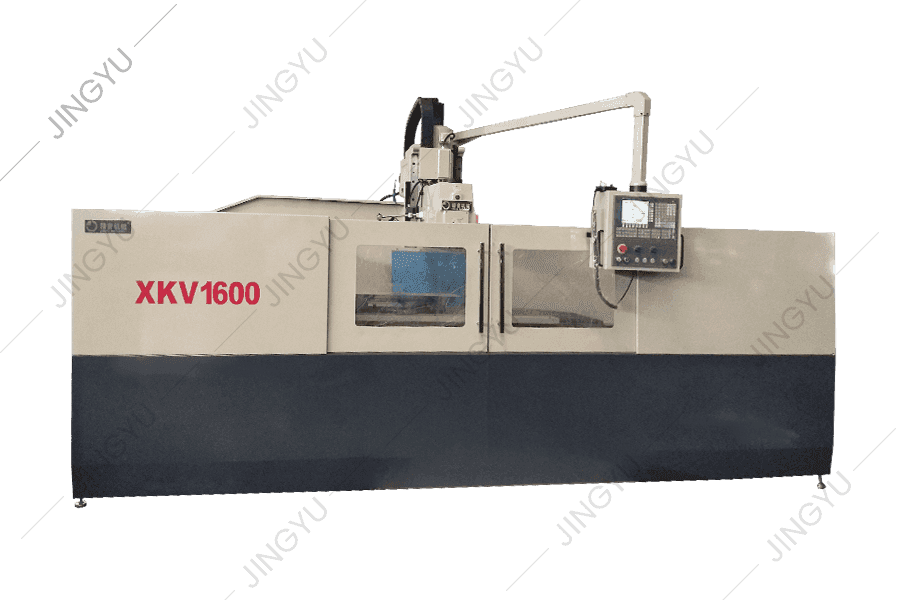
The CNC-reinforced milling machine adopts a full-gear spindle box, and the spindle transmission part adopts gears with precision of more than 6 levels...
See Details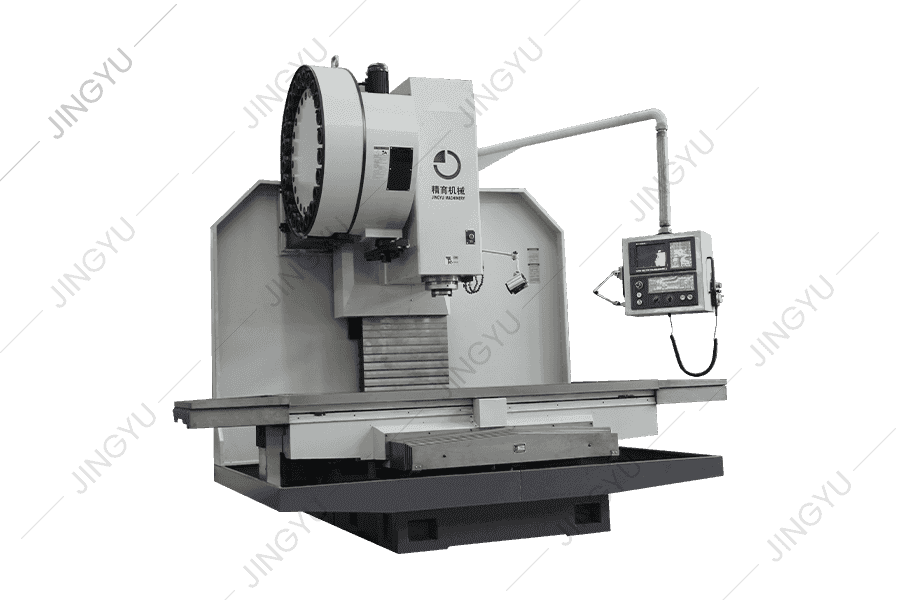
All three axes of the machine are P3-level 50×P10 ball screws, and the assembly process of 2-end fixed pretension is used to strengthen the axial rigi...
See Details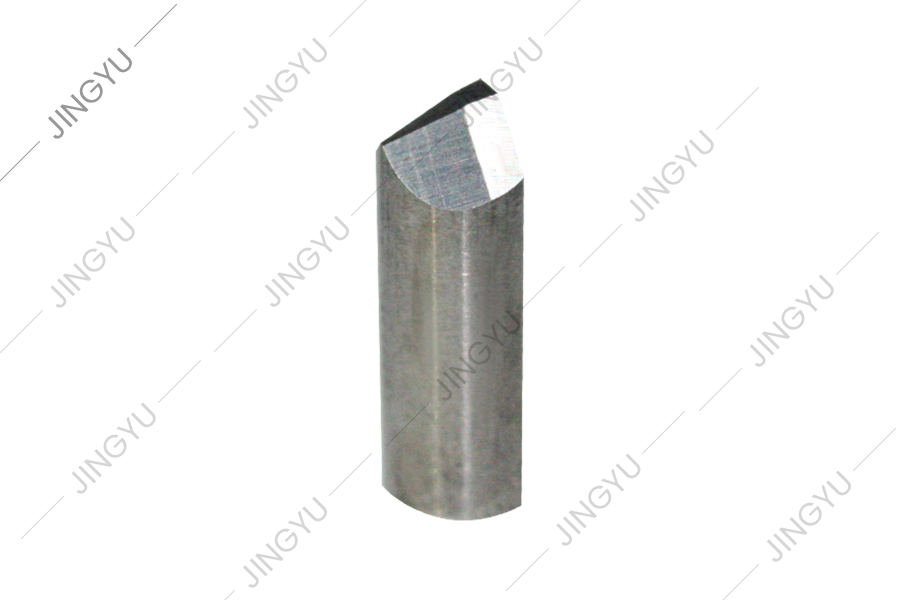
This series is mainly for CNC crescent groove milling machines to provide common-wearing parts, such as milling tool holders, milling cutters, support...
See Details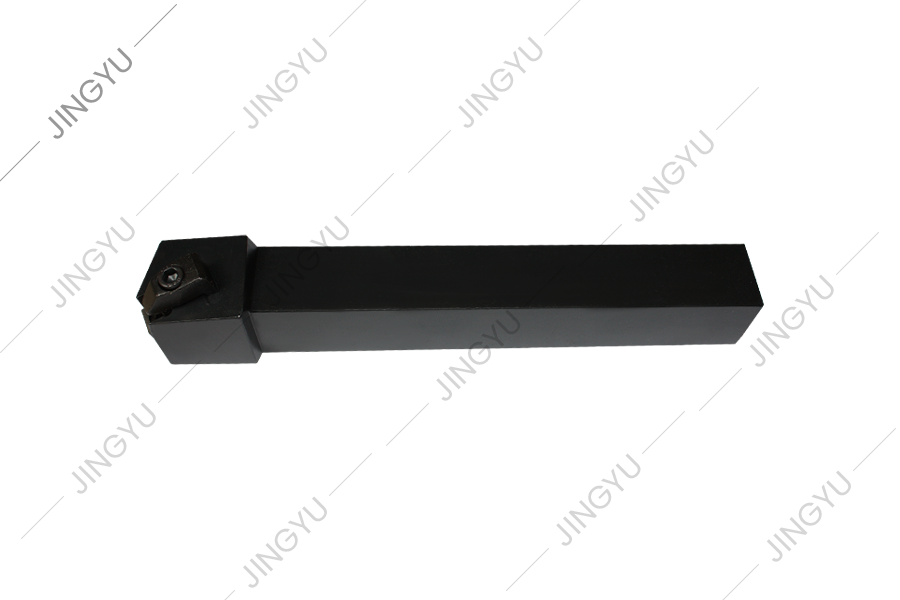
This series mainly provides common-wearing parts for CNC roll lathes, such as CBN blades, PCD blades, chucks, screws, etc.
See Details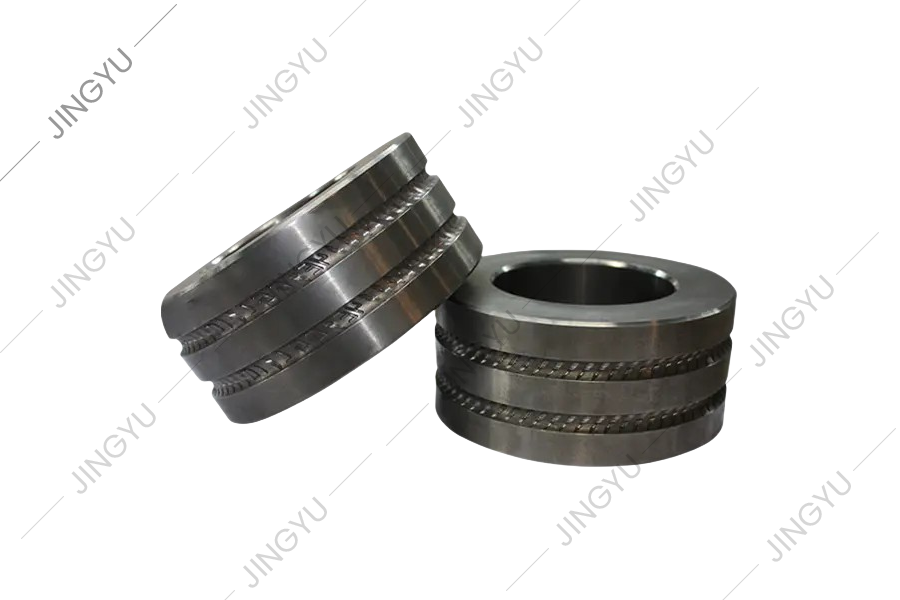
This series mainly provides common-wearing parts for CNC TC ring grinding machines and composite roll grinding machines, such as mandrels, dynamic and...
See Details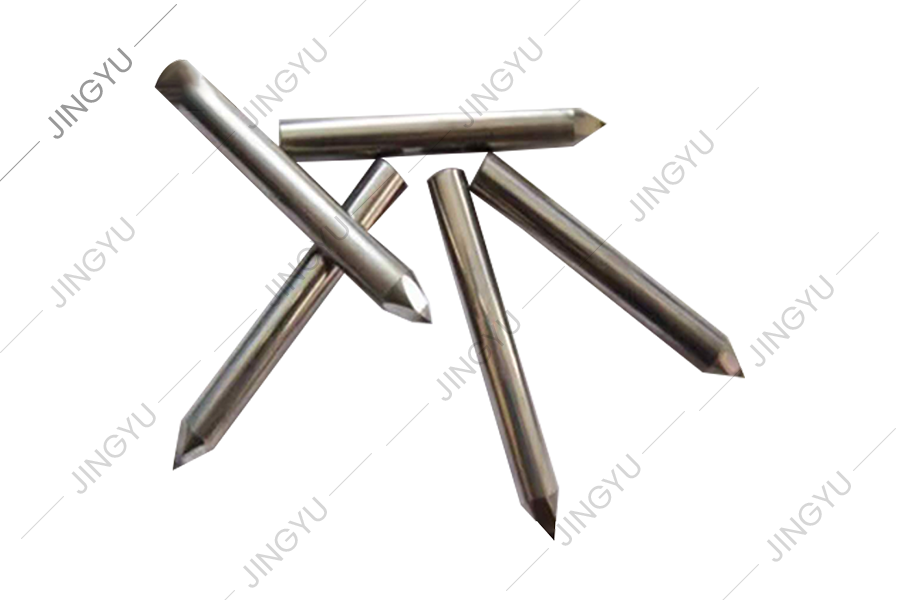
We also supply other spare parts, such as checkered plate milling cutters, roll slotting tools, oil pumps, motors, CNC systems, etc.
See DetailsNo.3, Xinghe Road, Zhaxi Industrial Park, Chongchuan District, Nantong, Jiangsu Province, 226003, P.R.China
info@rolllathe.com jennifergao@rolllathe.com
+86-513-85636116
Copyright © Nantong Jingyu Machinery Co., Ltd. All Rights Reserved
 China Roll Turning Lathe Manufacturers
