


 English
 русский
 عربى

Cat:CNC Roll Milling Machine
CNC Notching and Marking Machine
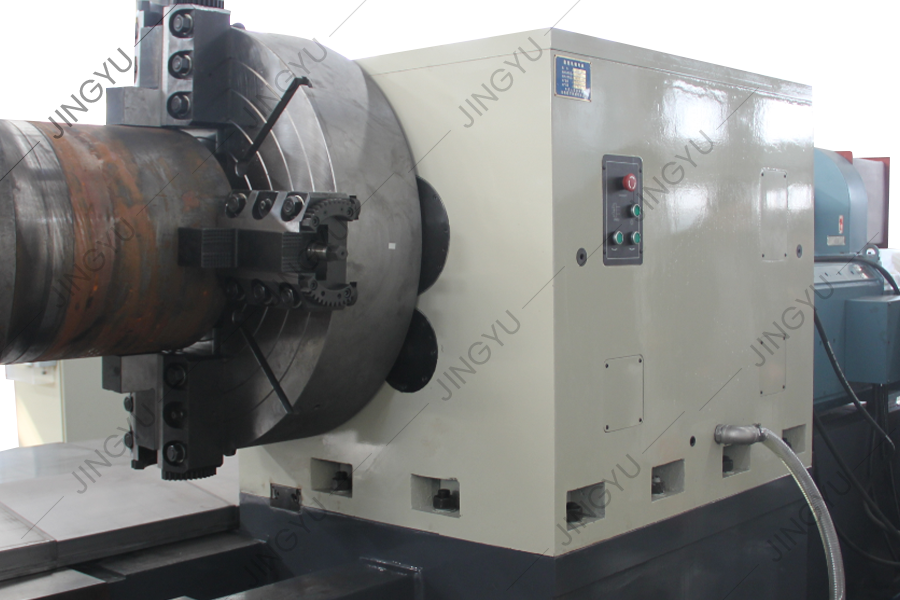
XK9350 series CNC rebar roll crescent groove milling machine is the upgraded product of XK500 type, which is suitable for processing rolls with diamet...
See DetailsA nine-tonne work roll is sitting between centres, and the job sheet asks for a worn journal keyway to be re-cut plus four tapped holes on the end face. On a lathe with static tooling only, that roll has to be unloaded, moved to a milling machine, re-chucked, indicated, machined, then brought back and re-established for the finishing pass. In most roll shops, that detour eats a full shift.
A driven tool, which the trade also calls a live tool, removes the detour. It is a powered holder that accepts rotary cutting tools and drives them from the turret or tool post, so milling, drilling, tapping and grooving happen on the same machine that turns the roll, in the same setup, without losing the datum. The short answer: if your roll work regularly includes keyways, flats, oil holes, end-face patterns or rolled-in grooves, a driven station normally repays its cost within a few dozen jobs. The long answer is about torque, interface fit, and sizing the station to the feature rather than to the brochure.
A static holder clamps an insert or a drill and holds it still. Every cutting motion comes from the workpiece spindle, so the machine can only generate surfaces of revolution: diameters, shoulders, faces, chamfers and radii. For a roll lathe that remains the core of the job, and driven tooling changes nothing about it.
A driven tool adds an independent rotary motion at the tool. Inside the holder, a gear train - or on higher-rated models a bevel or planetary set - turns a collet or arbor at a fixed ratio to a drive shaft in the turret. That single addition changes what the machine can do:
That last point drives the economics. Every time a roll leaves the lathe and comes back, someone has to re-chuck it, re-indicate runout and re-touch the tools. On a five-tonne roll, that is measured in hours.
The interface decides what you can actually buy. VDI 30 and VDI 40 seats dominate mid-size lathes; BMT 45, 55 and 65 are common on heavier machines and carry more torque because the drive coupling is larger. Capto C5 and C6, and HSK-T, appear where repeatable tool changes matter more than peak torque. Before specifying a holder, confirm three numbers: seat size, station drive ratio, and the maximum spindle speed the machine permits with live tooling engaged. On many lathes that ceiling sits well below the turning speed.
Driven tooling is not the answer to every feature. The table below is the quickest way to decide station by station.
| Operation | Static holder | Driven tool | Practical note |
|---|---|---|---|
| OD turning, facing, chamfering | Yes | Not required | Spindle rotation generates the surface |
| Keyway in a roll journal | No | Yes | Rotary cutter plus locked C-axis |
| Flat or spanner face on a journal | No | Yes | Radial holder; Y-axis only if offset from centre |
| Bolt circle or tapped holes on the end face | No | Yes | Axial holder, C-axis indexing, rigid tapping |
| Radial oil or cooling holes | No | Yes | Through-tool coolant makes the difference |
| Pass grooves and ribs on bar rolls | No | Yes | Dedicated notching machine at volume |
Read it as a filter rather than a rule. If a feature grows from the roll's own rotation, a static holder is cheaper, stiffer and easier to maintain. If it does not, a driven station is the only way to keep the roll on the machine.
Torque at the tool decides whether a station is usable, and it is not the same as the motor rating on the spec sheet. A VDI 30 station typically delivers 15 to 30 Nm at the collet; a BMT 55 or 65 station with a 2:1 reduction can deliver 60 to 120 Nm, depending on the builder. Usable torque falls as speed rises because the ratio is fixed, so a station that cuts comfortably at 1,500 rpm may stall at 5,000 rpm in the same material.
Roll materials make this concrete. A soft 45# steel journal machines easily; an induction-hardened 60 HRC shell does not. Hardened roll surfaces are usually turned with ceramic or CBN inserts, or ground rather than milled, so check whether the feature you plan to mill sits in the hardened zone or only in the softer journal and end-face area.
Small-diameter drills and end mills in deep features need through-tool coolant, usually 20 to 40 bar, delivered through the holder rather than sprayed at the cut. Chip evacuation is the other half: a radial holder working near the steady rest has limited clearance, and a long-reach holder that solves the reach problem often re-introduces chatter at the same speed.
Two acceptance checks before a holder enters production: total indicated runout at 50 mm from the holder face, ideally 0.01 mm or better, and balance to G2.5 at the maximum live-tool speed. Both are inexpensive to verify and expensive to discover later.
The clearest way to justify a driven station is to price the alternative. The chart below uses a mid-size work roll with one keyway and four end-face tapped holes, comparing an on-lathe live station with the two routes most shops fall back on.
Setup time per roll, minutes
Driven tool on the lathe - 12 min
Hand layout and grinding - 95 min
Second machine route - 165 min
The gap is not only labour. Off-lathe routing adds handling risk, because slings, forklifts and re-chucking are where roll journals pick up dents and where concentricity is lost. There is a scheduling cost too: a milling machine large enough for a five-tonne roll is usually busy, so the roll waits in a queue before it waits for an operator.
The most common specification mistakes tend to repeat:
Holder choice follows the machine, not the other way round. A roll lathe with a rigid bed, a heavy tailstock and a locked C-axis is what makes a live station productive; the same holder on a light lathe will chatter long before it reaches rated torque. When specifying a machine, list the features that must be cut in one setup, then work back to the number of live stations, their orientation and their torque.
 CK84 Series CNC Roll Lathe for Heavy Roll TurningHeavy-duty CK84 roll lathes with Siemens 828D control, rigid guideways and 90 kW spindle suit single-setup machining of large rolls before dedicated notching.View Product →
For pass patterns, ribs and crescent grooves on bar and section rolls, dedicated notching and roll milling machines stay more productive once volume justifies them, because they index the roll and the cutter together instead of relying on a single turret station.
A driven holder is a geared assembly running at thousands of revolutions per minute in a dirty environment. Its life depends on three habits: keeping the drive coupling clean and lightly greased, checking runout after any impact, and replacing collets and seals before wear shows up in the surface finish. A station that starts producing taper or chatter is usually reporting a worn collet or a chipped drive coupling, not a machine fault.
 Spare Parts for CNC Crescent Groove Milling MachinesCarbide and PCD cutters, milling holders, bronze support blocks and fixtures help keep CNC crescent groove milling machines accurate and reduce wear-related downtime.View Product →
Spares availability is worth checking before purchase rather than after. Collets, retaining knobs, drive keys and gear sets are the parts that fail first, and a holder that cannot be repaired locally becomes scrap rather than a tool. Because the drive system governs positioning accuracy as much as the mechanics do, it is also worth understanding how the CNC system handles C-axis indexing before you commit to a specification.
Driven tools are a straightforward trade. They cost more than a static holder, they need coolant and torque the machine has to supply, and they earn that investment only where a feature cannot be turned. In a roll shop those features are predictable: keyways, flats, end-face holes, radial oil passages and pass grooves. Count how many appear in a typical month, price the handling you currently do to reach them, and the decision usually makes itself. Where driven tooling does not fit, static tooling still wins on stiffness, cost and simplicity, and there is no reason to force it. For shops buying a machine rather than a holder, start from roller machining equipment that matches the roll sizes you actually process, then specify stations against the features those rolls demand.
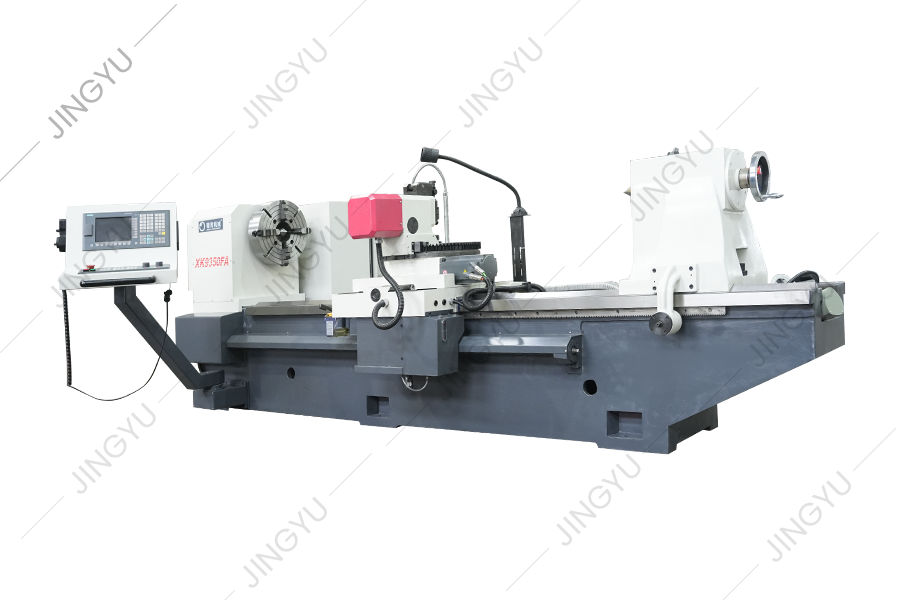
XK9350 series CNC rebar roll crescent groove milling machine is the upgraded product of XK500 type, which is suitable for processing rolls with diamet...
See Details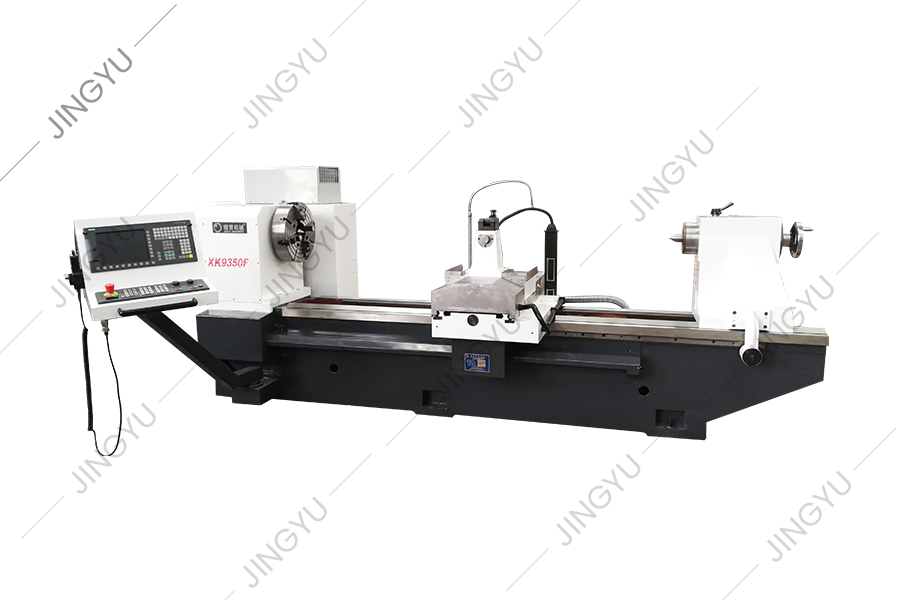
XK9350 series CNC rebar roll crescent groove milling machine is the upgraded product of XK500 type, which is suitable for processing rolls with diamet...
See Details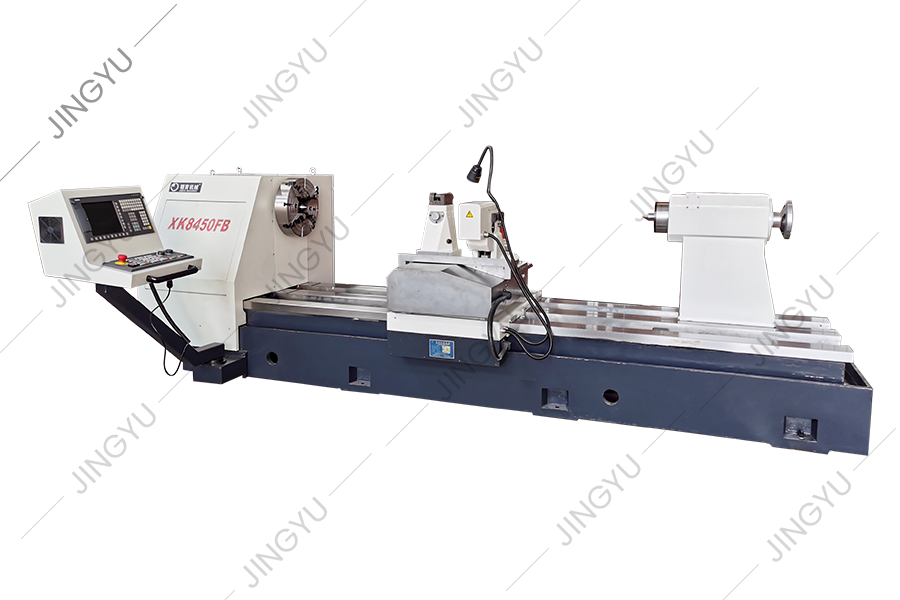
This series of machine tools can automatically cut crescent grooves with different rotation directions and any helix angle. It can divide into equal (...
See Details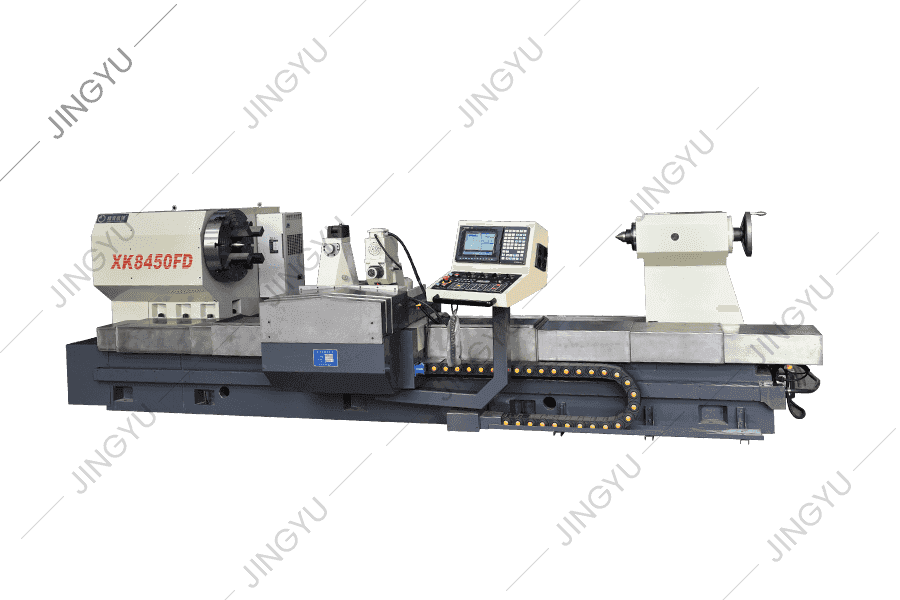
In view of the problems of high speed steel roll processing, XK8450 CNC roll milling machine is a new type of CNC roll groove processing machine tool ...
See Details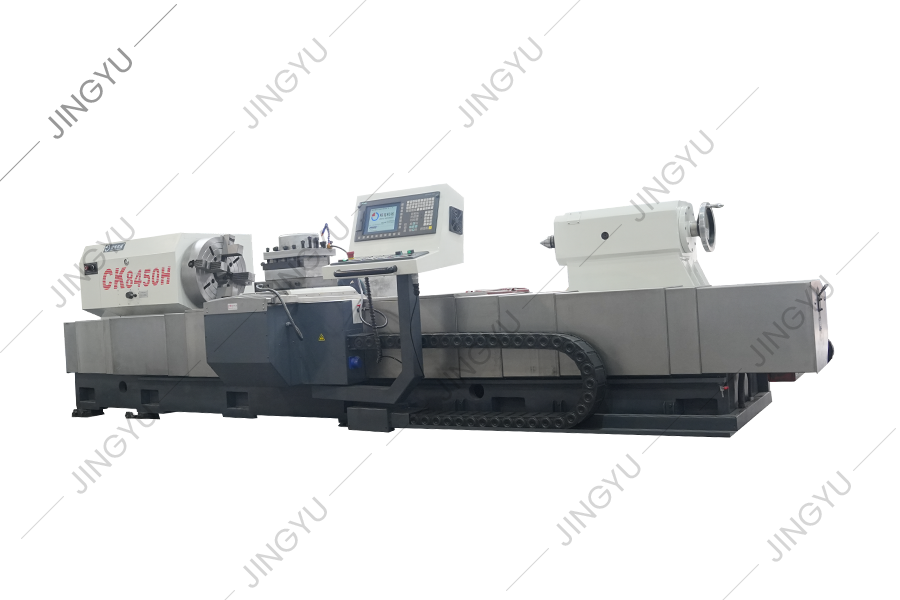
This series of machine tools is mainly used to pass and process rolls. It can also turn the outer circle and roll neck of rolls, and can also turn par...
See Details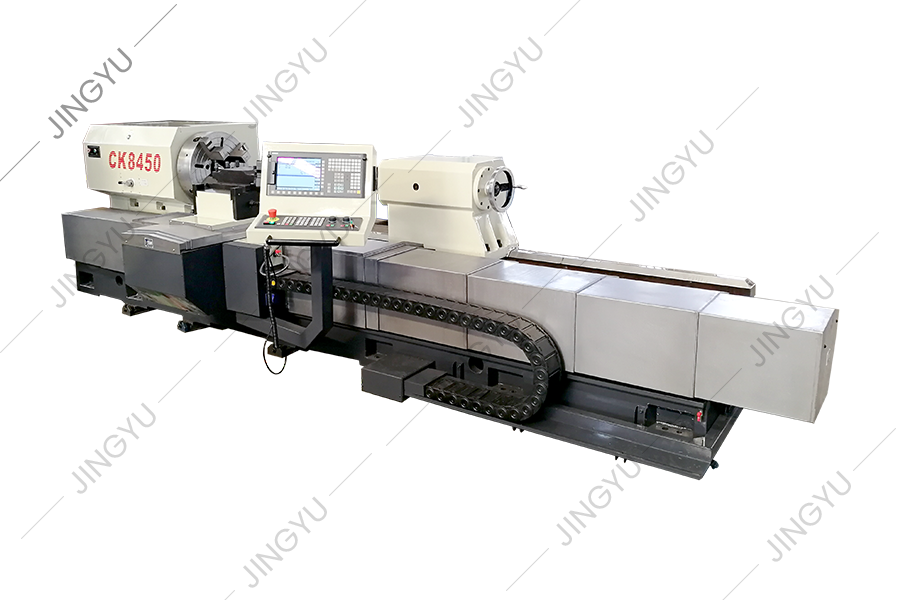
This series of machine tools is mainly used to pass and process rolls. It can also turn the outer circle and roll neck of rolls, and can also turn par...
See Details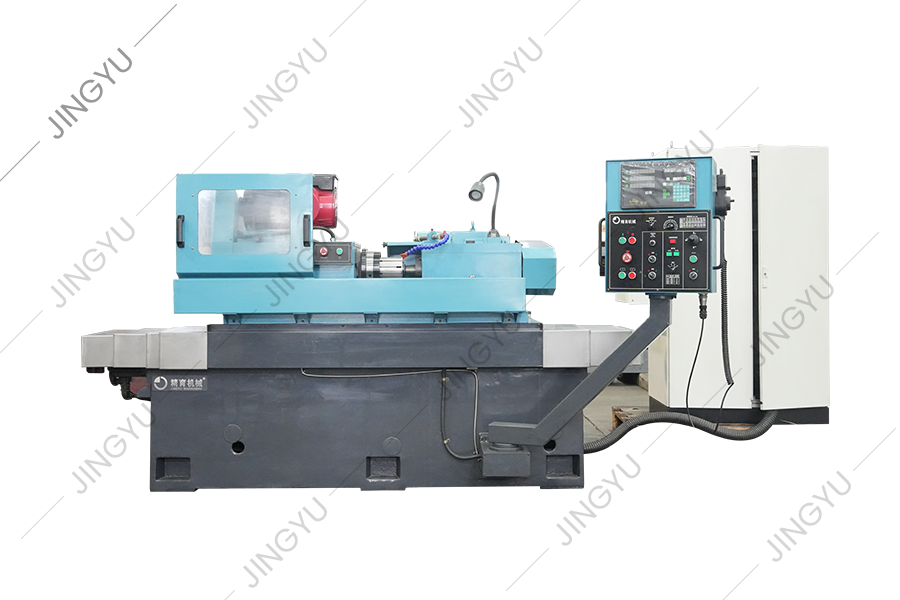
The roll ring forming grinder is mainly used for grinding tungsten carbide roller rings for high-speed wire rod production. The formed diamond grindin...
See Details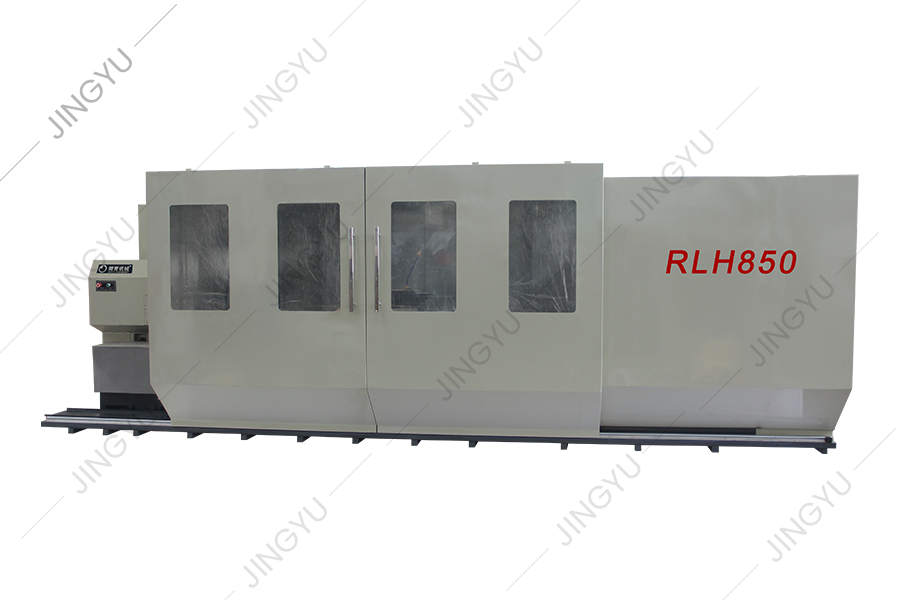
This machine tool is a new type of CNC roll grooving machine tool developed based on the company's CNC roll milling machine series and after full rese...
See Details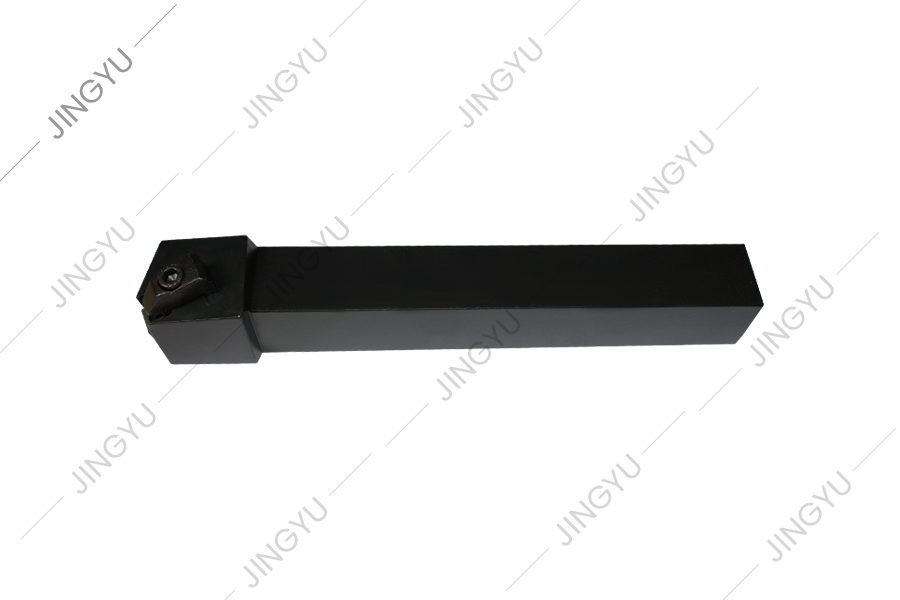
This series mainly provides common-wearing parts for CNC roll lathes, such as CBN blades, PCD blades, chucks, screws, etc.
See Details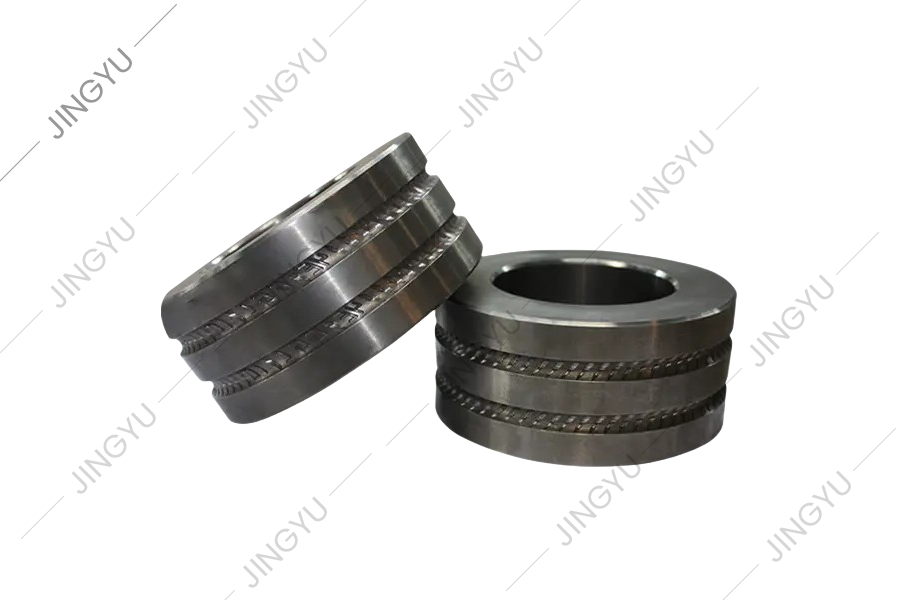
This series mainly provides common-wearing parts for CNC TC ring grinding machines and composite roll grinding machines, such as mandrels, dynamic and...
See DetailsNo.3, Xinghe Road, Zhaxi Industrial Park, Chongchuan District, Nantong, Jiangsu Province, 226003, P.R.China
info@rolllathe.com jennifergao@rolllathe.com
+86-513-85636116
Copyright © Nantong Jingyu Machinery Co., Ltd. All Rights Reserved
 China Roll Turning Lathe Manufacturers
