


 English
 русский
 عربى
عربى
Cat:CNC Roll Milling Machine
CNC Notching and Marking Machine
XK9350 series CNC rebar roll crescent groove milling machine is the upgraded product of XK500 type, which is suitable for processing rolls with diamet...
See DetailsWhich machine should you put on the floor when the new jobs include both shaft-like components and flat brackets? The answer is rarely black and white, but the decision becomes easier once you track how each machine removes material. A CNC lathe rotates the workpiece. A CNC mill rotates the tool. That simple difference dictates the geometry you can produce, the setup time you will spend, and the cost per part. Choose the lathe for rotational symmetry; choose the mill for prismatic complexity. When both are required, consider a combined turning-milling machine or plan a cell with both types.
In a CNC lathe, also called a turning center, the workpiece is held in a spindle and rotated at a controlled speed. The cutting tool, mounted on a turret, moves along the X and Z axes to remove material. This design is efficient for external cylinders, bores, tapers, threads, and grooves. Because the part is continuously rotating, roundness and concentricity are generated naturally from the spindle axis.
In a CNC mill, the workpiece is clamped to a table and the cutting tool rotates in a spindle. The tool or the table moves through multiple axes, typically X, Y, and Z. This allows the cutter to reach different faces and create flat surfaces, slots, pockets, and three-dimensional profiles. Milling is the natural choice for parts that have square corners, holes on multiple faces, or complex contours that a lathe cannot reach.
If you strip the programming and automation away, the physical difference is exactly this: which component spins. The answer shapes every later decision about tooling, workholding, and processing sequence. A CNC roll lathe, for example, is designed specifically for large cylindrical rollers, so the spindle and tailstock are built to support heavy weights. A mill on the same shop floor would be selected for the keyways and grooves cut into those rollers in a secondary operation.
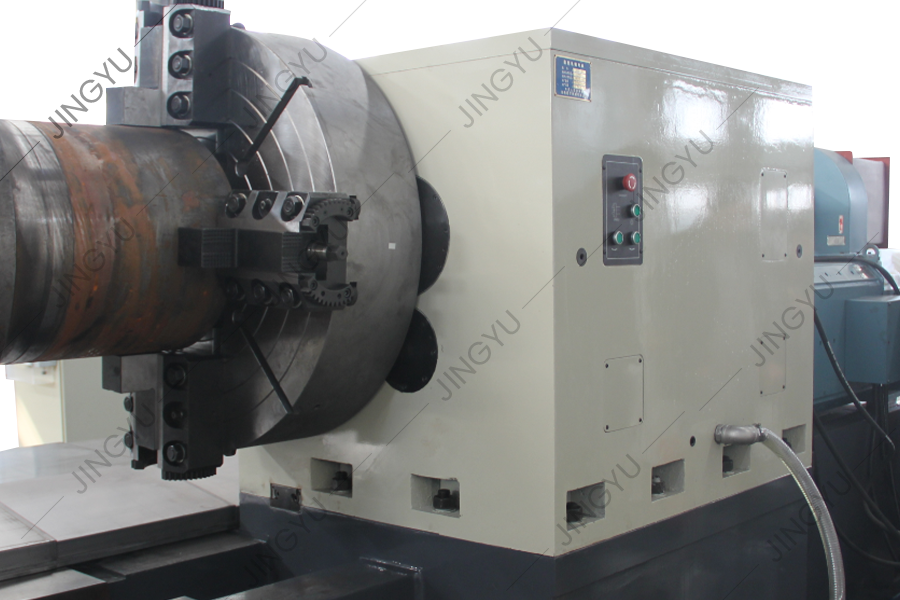 High Efficiency CNC Roll Lathe with Rigid Guideway DesignThis lathe suits large cylindrical rollers and rotational parts, offering a stiff structure and high cutting torque. Its design supports heavy workpieces, making it a practical choice for shops that need precise turning before secondary milling operations.View Product →
The geometry of the part is the best starting point for choosing between turning and milling. A rotational part with a uniform axis, such as a motor shaft, a roller, a bushing, a flange, or a pulley, is best processed on a lathe. The lathe removes material at high speed while maintaining a consistent diameter along the length. Even parts with eccentric features can be turned first and then finished on a mill in a second operation.
A prismatic part, such as a housing, a plate, a support bracket, a valve body, or a mold cavity, requires a mill. The ability to move the tool across a flat surface and change orientations by indexing the workpiece makes milling the standard method for rectangular parts and features like slots, pockets, and bosses. Many complex parts are not purely one type. Consider a roll that needs a keyway cut into its outer surface, or a shaft with a cross hole near one end. In those cases, machining a complete part may require both operations. The table below summarizes the main differences.
| Characteristic | CNC Lathe | CNC Mill |
|---|---|---|
| Workpiece motion | Rotates around spindle | Stationary on table |
| Tool motion | Moves in linear axes | Rotates and moves in multiple axes |
| Best geometry | Cylindrical, conical, spherical | Prismatic, flat, contoured |
| Typical operations | Turning, boring, threading, grooving | Face milling, drilling, slotting, contouring |
| Typical spindle orientation | Horizontal or vertical | Vertical or horizontal |
| Setup complexity | Lower for rotated parts | Higher for multi-face work |
| Common tolerance range | IT6–IT8 | IT7–IT9 |
These ranges are general, not absolute. A modern CNC lathe with linear scales can reach very tight tolerances, and a high-end mill can also produce near-round shapes with interpolation. But when you plan for reliable, economical production, the typical strengths matter more than the theoretical maximum.
Both machines can achieve excellent results, but the limiting factors differ. On a lathe, surface finish is a function of feed rate, tool nose radius, spindle speed, and workpiece rigidity. Because the part rotates continuously, you get a naturally smooth surface along the circumference. Threading and grooving are done with inserts of a specific shape. For long rollers, a steady rest or a tailstock center is often needed to prevent deflection under cutting forces.
On a mill, finish is influenced by stepover distance, spindle speed, tool deflection, and the number of flutes. Ballnose end mills generate smoother contours, but with longer cycle times. Milling tools are more varied: end mills, face mills, drills, taps, and specialty cutters. Tool changes can be automatic if the machine has a tool changer, which makes complex parts possible. The trade-off is that the workholding must be rigid enough to resist side forces; a poorly clamped part can vibrate or shift, ruining the accuracy of the finished feature.
For cast iron or forged steel rollers, rigidity is critical. A heavy-duty lathe can hold large diameters with high material removal rates. A heavy-duty mill, on the other hand, excels at cutting keyways and grooving patterns on hardened roll surfaces. This is why many roller manufacturers own both machine types. Keep in mind that the CNC controller and servo system determine how accurately both machines execute their paths. A stable control loop keeps the tool path repeatable over long cycles. If you work with rolls that require precise groove spacing, a machine designed for roll-specific milling, such as a CNC roll lathe with a precision CNC system, can make the difference between parts that fit and parts that are scrapped.
Start with three questions: What is the basic shape of your part? How many sides must be machined? What is the expected batch size and tolerance? The answers will steer you toward one technology or the other.
Another factor is the amount of material to remove. Turning removes material from a round blank very efficiently because the cut is continuous. Milling with a small cutter removes material at a slower rate, especially when the cut is interrupted. If the part starts as a casting with near-net shape, milling can be more appropriate; if it starts from bar stock, turning is often faster. For a detailed overview of the families of machines available, see the full product range on the manufacturer's site.
Do not ignore workholding. A lathe usually holds a workpiece in a three-jaw chuck or collet, which is quick to set. A mill requires vices, clamps, or custom fixtures to keep the part from moving under side forces. For complex parts, fixture cost can exceed machine cost in small batches. Calculate the total cost of the process, not just the machine price, before making a purchase decision.
Finally, evaluate the available machine space and operator skill. Turning centers and milling centers have different maintenance needs. A mill's tool changer and coolant system need regular attention; a lathe's spindle and chuck require proper cleaning and lubrication. Choose the machine your team can operate and maintain reliably. A machine that sits idle because nobody is comfortable with the control is a poor investment.
Rollers are a classic example where lathe and milling work together. A new roll starts as a forged or cast cylinder. The outer profile, journals, and threads are turned on a CNC roll lathe. Then keyways, spiral grooves, or custom patterns are milled on a CNC roller notching machine. Some rolls require a milled surface with a knurled or slewed pattern to improve material flow in a steel mill. The ability to switch between turning and milling in one setup is valuable when the part is heavy and re-fixturing is costly.
The choice of machine within the lathe category matters too. A high-precision CNC mill-roll lathe combines turning and milling capability in a single setup, reducing idle time and positional errors. For manufacturers who process multiple roll sizes, an automatic groove positioning system is an asset. The same logic applies to small parts. A production shop making brass fittings may use a lathe for the body and a mill for the hex face. A shop making automotive parts may stack both machines in a cell. The key is to define the dominant shape of the part, then decide whether the second operation justifies an extra machine or a multi-tasking one.
Start by looking at the most challenging part you need to produce. If the defining feature is a cylindrical surface with tight concentricity, a CNC lathe is the right foundation. If the defining feature is a flat face, a pocket, or a complex contour, a CNC mill will serve you better. When both types of features are present, consider a combined solution or a production cell.
There is no universal best machine. The best choice is the one that fits your actual parts, your batch sizes, and your operator experience. A clear understanding of the difference between a lathe and a mill is the first step toward making a profitable decision. Use the machine type that addresses the highest-value features of your work, and keep the second process as an addition rather than a compromise.
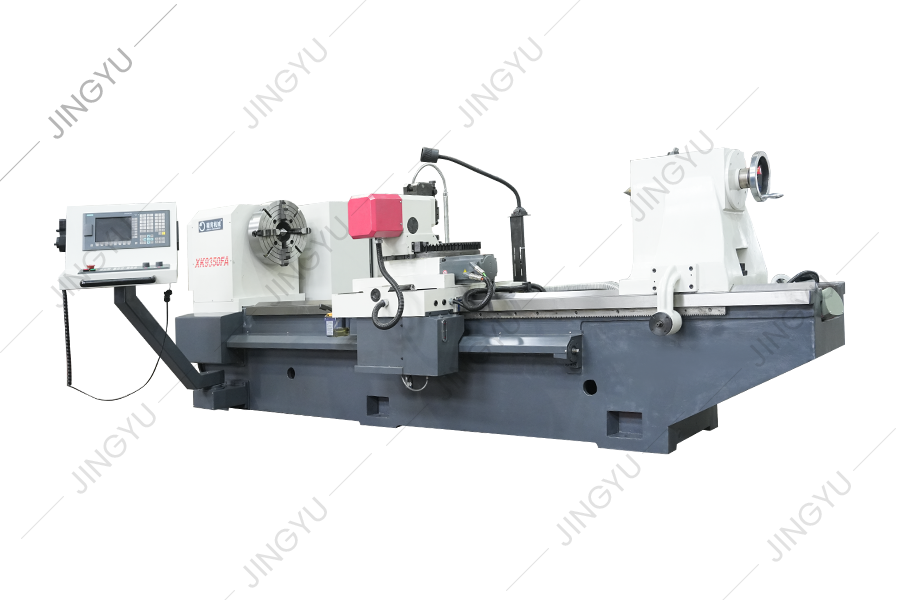
XK9350 series CNC rebar roll crescent groove milling machine is the upgraded product of XK500 type, which is suitable for processing rolls with diamet...
See Details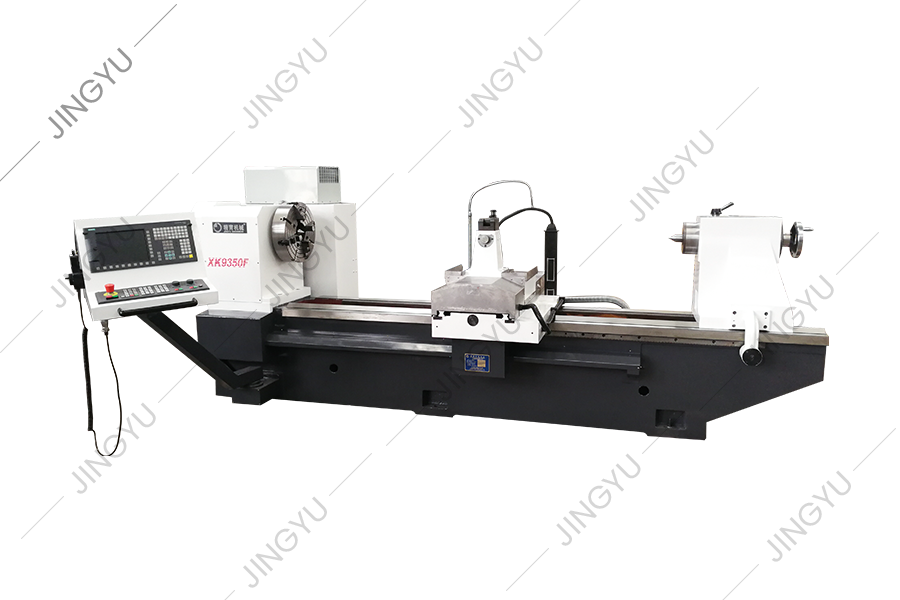
XK9350 series CNC rebar roll crescent groove milling machine is the upgraded product of XK500 type, which is suitable for processing rolls with diamet...
See Details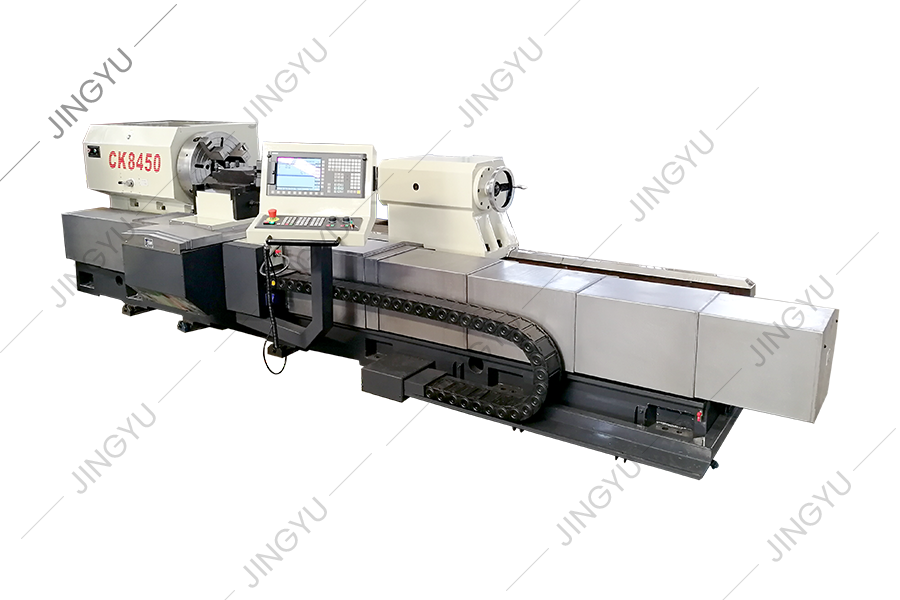
This series of machine tools is mainly used to pass and process rolls. It can also turn the outer circle and roll neck of rolls, and can also turn par...
See Details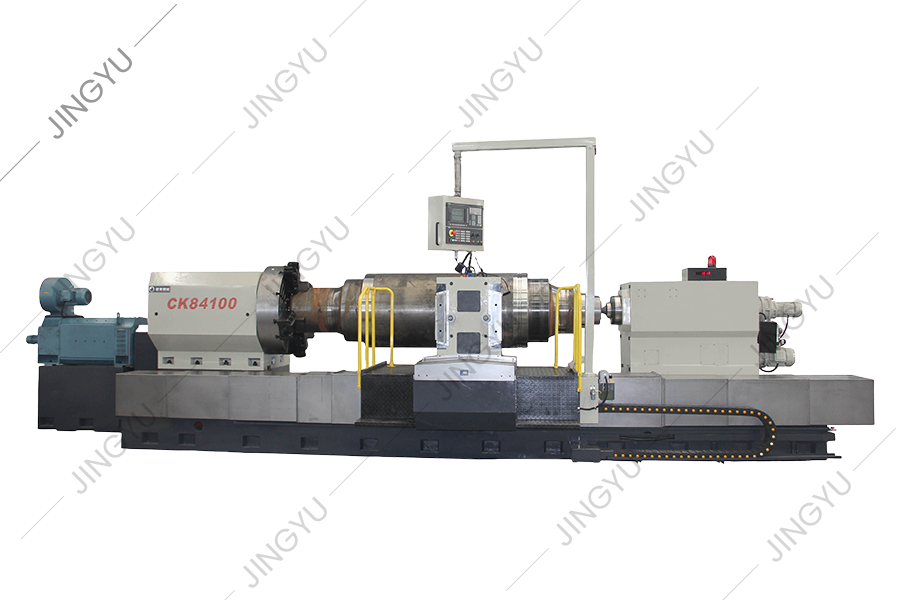
CK84 series CNC roll lathe adopts Siemens 828D CNC system and is driven by a servo motor. When designing this machine tool, we fully analyzed the tech...
See Details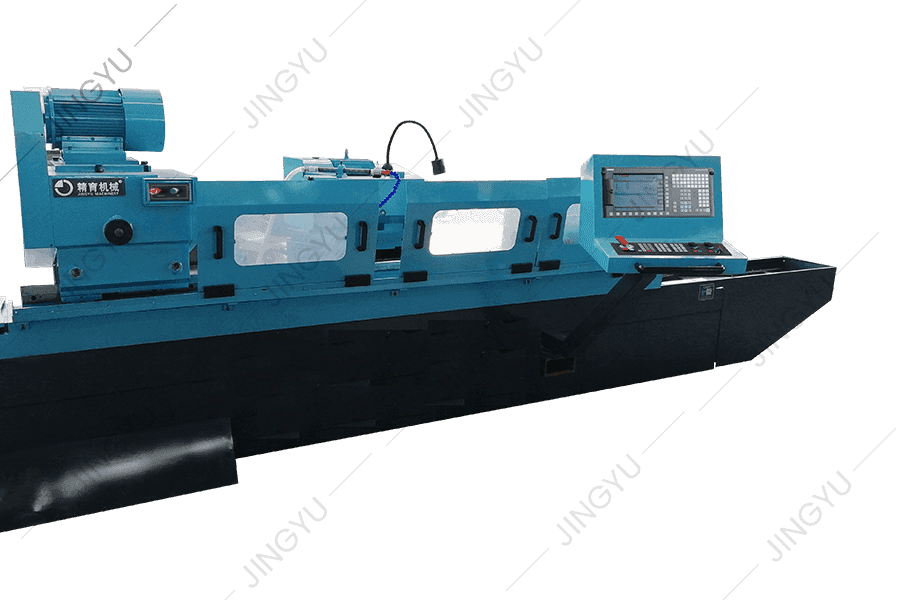
MK8450 CNC roll grinder is mainly used for rough grinding, semi-finish grinding, fine grinding, and non-spark grinding of the outer circles and R groo...
See Details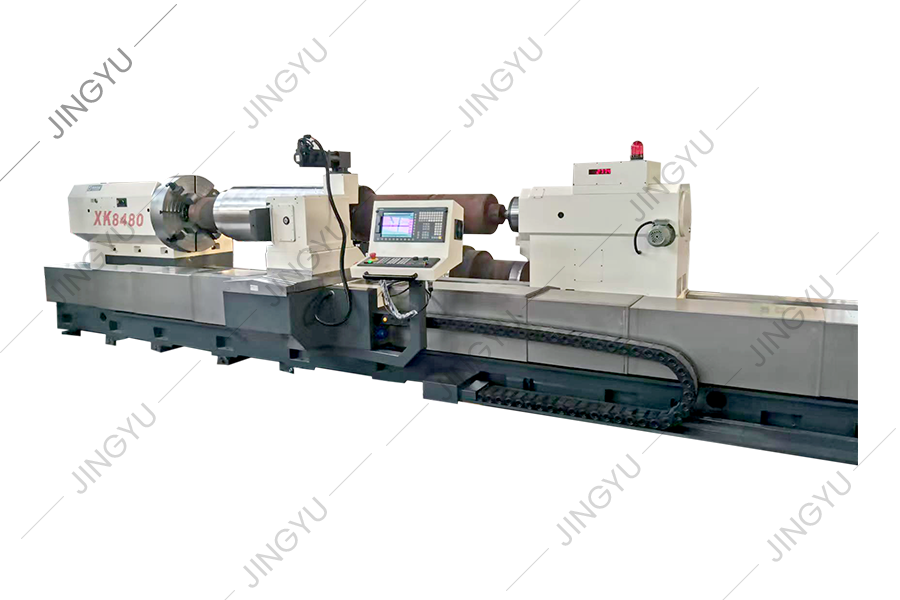
At present, pattern roll engraving at home and abroad generally adopts electrolysis method, ordinary horizontal milling machine milling and other proc...
See Details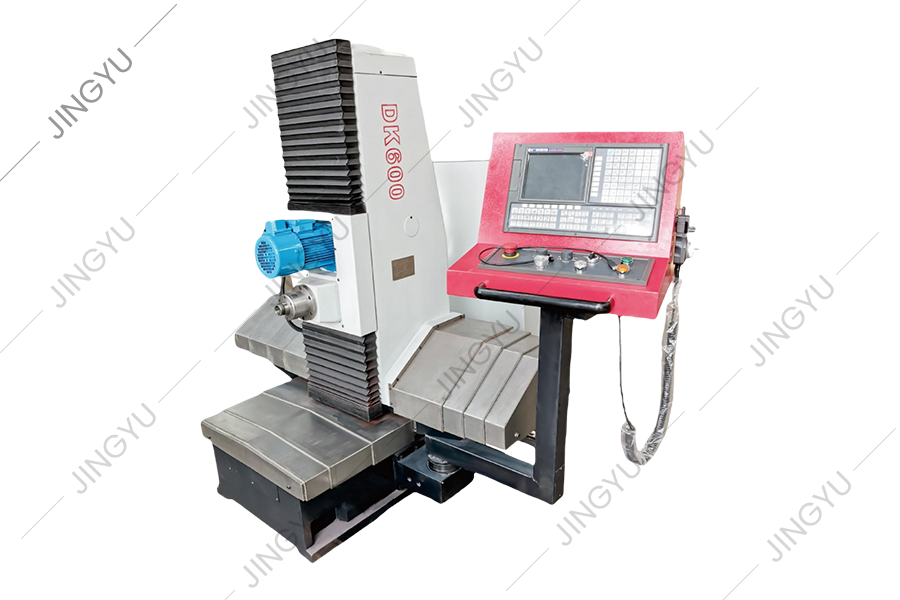
CNC roll engraving machine is suitable for processing various roll end face markings. Through the automatic editing software, it can generate processi...
See Details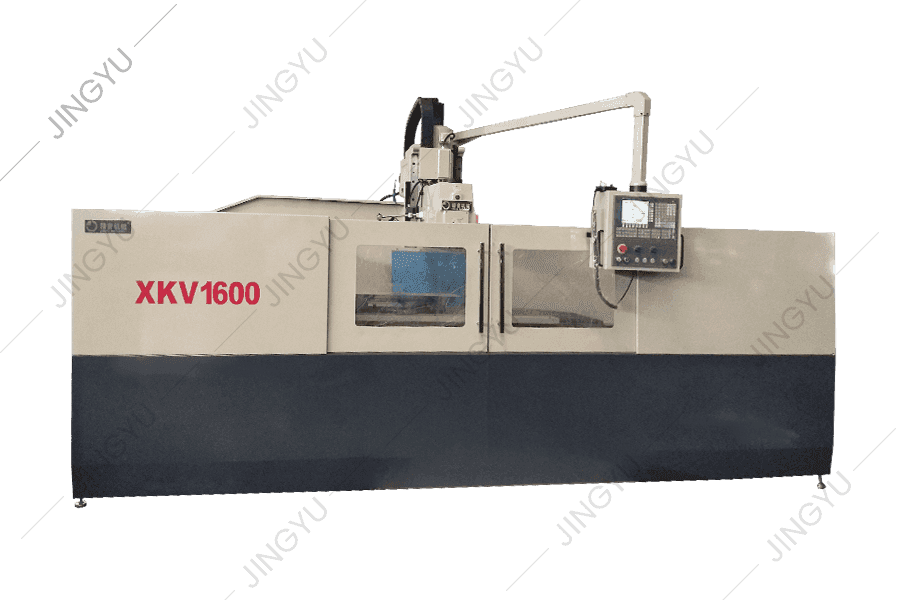
The CNC-reinforced milling machine adopts a full-gear spindle box, and the spindle transmission part adopts gears with precision of more than 6 levels...
See Details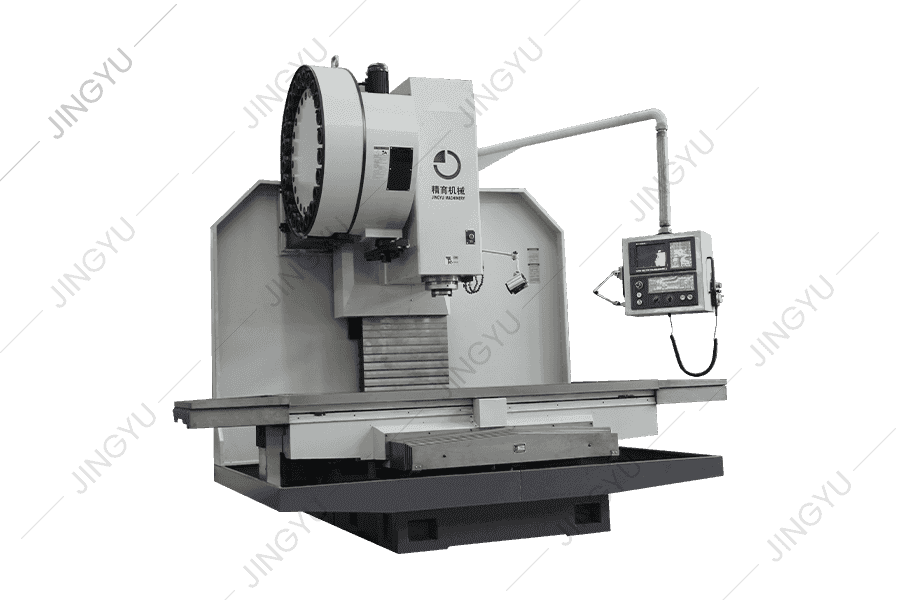
All three axes of the machine are P3-level 50×P10 ball screws, and the assembly process of 2-end fixed pretension is used to strengthen the axial rigi...
See Details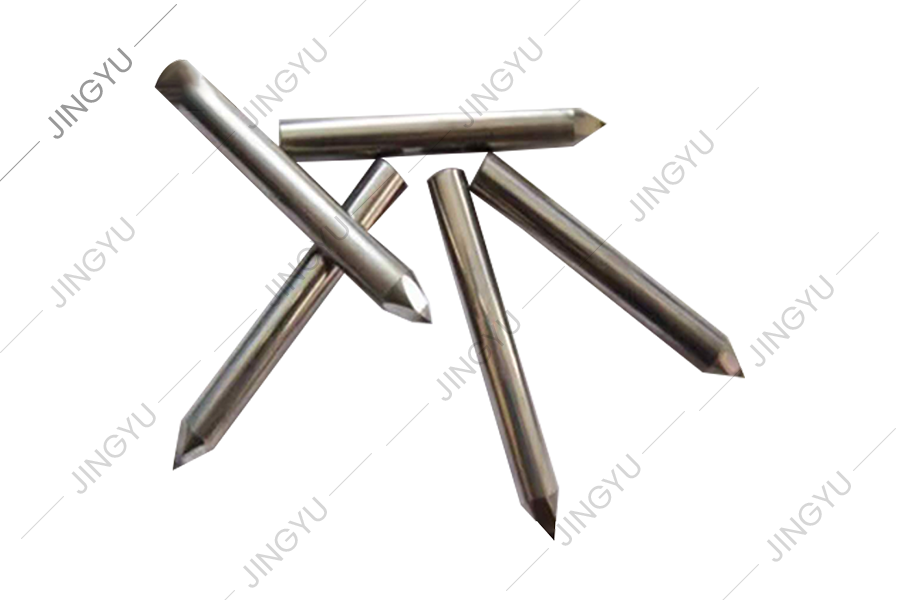
We also supply other spare parts, such as checkered plate milling cutters, roll slotting tools, oil pumps, motors, CNC systems, etc.
See DetailsNo.3, Xinghe Road, Zhaxi Industrial Park, Chongchuan District, Nantong, Jiangsu Province, 226003, P.R.China
info@rolllathe.com jennifergao@rolllathe.com
+86-513-85636116
Copyright © Nantong Jingyu Machinery Co., Ltd. All Rights Reserved
 China Roll Turning Lathe Manufacturers
