


 English
 русский
 عربى
عربى
Cat:CNC Roll Milling Machine
CNC Roll Milling Machine
This series of machine tools can automatically cut crescent grooves with different rotation directions and any helix angle. It can divide into equal (...
See DetailsA machinist loads a steel roll into a lathe, closes the guard, and presses cycle start. The turret indexes, the tool touches off, and the first pass cuts a clean cylinder within 0.05 mm. None of that happens by chance. It happens because someone understands a small set of CNC fundamentals: axes, coordinate systems, G-code, work offsets, tool compensation, and safe verification. If you are new to CNC or evaluating a machine purchase, these are the basics that separate a controlled process from scrap and crashes.
This guide gives you the core knowledge in the order you will actually use it. You will see how a CNC machine moves, what the program tells it to do, how to set up a job, and what to check before cutting metal. The goal is not to turn you into a programmer in one sitting. It is to help you read a setup sheet, follow a program, and ask better questions when a machine or a supplier is on the table.
A CNC machine is a machine tool guided by a computer that executes a stored program. The computer does not “know” how to cut a part. It only follows coordinates, feed rates, and switching commands. The physical result depends on three subsystems working together:
When a machine loses accuracy, the cause is rarely the program alone. It can be thermal growth in the spindle, wear in the guideways, a loose tool holder, or a work offset that was set from a dirty surface. Basic CNC knowledge means knowing which layer to check first.
If you work with roll machining, the machine family matters as much as the control. A CNC roller lathe manufacturer such as Nantong Jingyu Machinery builds machines around these same principles, but with heavy-duty beds and roll-specific features.
Every CNC motion is described in a coordinate system. The most common is the Cartesian system: X, Y, and Z for linear axes, plus A, B, and C for rotary axes. On a lathe, X usually controls diameter and Z controls length. On a milling machine, X and Y position the table and Z controls spindle depth.
Two zeros matter in daily operation. Machine zero is a fixed reference set by the builder. Work zero is the point you choose for the part, often stored in work offset pages such as G54. A mistake here shifts every cut. A common tolerance check is to touch off a known surface, set the offset, and then verify with a dial indicator before running the program.
More axes do not automatically mean a better machine. They change what the machine can do and how much setup skill is required. The chart below shows typical shop-floor use by axis configuration.
The percentages are illustrative of common job-shop work, not a rule. The practical point is that a 3-axis machine with a skilled operator and good fixtures often beats a 5-axis machine that is poorly set up.
A CNC program is a list of blocks. Each block can contain a tool motion, a feed rate, a spindle command, or a machine function. G-codes prepare the machine for a type of motion. M-codes turn auxiliary functions on or off. You do not need to memorize every code, but you should recognize the ones that appear in almost every program.
| Code | Meaning | Practical note |
|---|---|---|
| G00 | Rapid positioning | Moves at maximum speed. Never assume it will avoid a clamp or fixture. |
| G01 | Linear interpolation | Cuts in a straight line at the programmed feed rate. |
| G02/G03 | Circular interpolation (CW/CCW) | Requires an arc center or radius, plus the correct plane selection. |
| G54 | Work coordinate system | Stores the part zero. Always verify before cycle start. |
| G41/G42 | Cutter compensation left/right | Offsets the tool path by the tool radius. Wrong direction equals scrap. |
| M03/M05 | Spindle on clockwise / spindle stop | Confirm direction and speed before the first cut. |
| M08/M09 | Coolant on / coolant off | Coolant affects chip evacuation and thermal stability. |
| M30 | Program end and reset | Returns the program to the top for the next cycle. |
Program structure matters as much as individual codes. A safe block order is: safe start, tool change, spindle start, approach, cut, retract, coolant off, spindle stop, and return. Many crashes come from a rapid move that was written before the work offset was confirmed.
A reliable CNC job follows a sequence. Skipping steps is how a machine cuts air, cuts the fixture, or cuts an expensive part in the wrong place. The basic flow is:
For roll machining, the setup sequence often includes extra checks. A heavy roll can weigh several tons, so clamping force, center alignment, and steady rest position directly affect roundness and taper. A machine with a rigid bed and a stable control system reduces the number of offset corrections needed between parts.
When you evaluate a machine, ask how the control handles work offset shifting, tool life management, and program restart. These features affect how quickly an operator can recover from a broken tool or a power interruption.
Different operations use the same CNC basics but apply them in different ways. The tree below groups the main operations you will see in a general machining shop and in roll-specific work.
Each operation has a machine family built around it. For roll turning, a dedicated CNC roll lathe is designed to handle cylindrical work with high material removal and consistent diameter control.
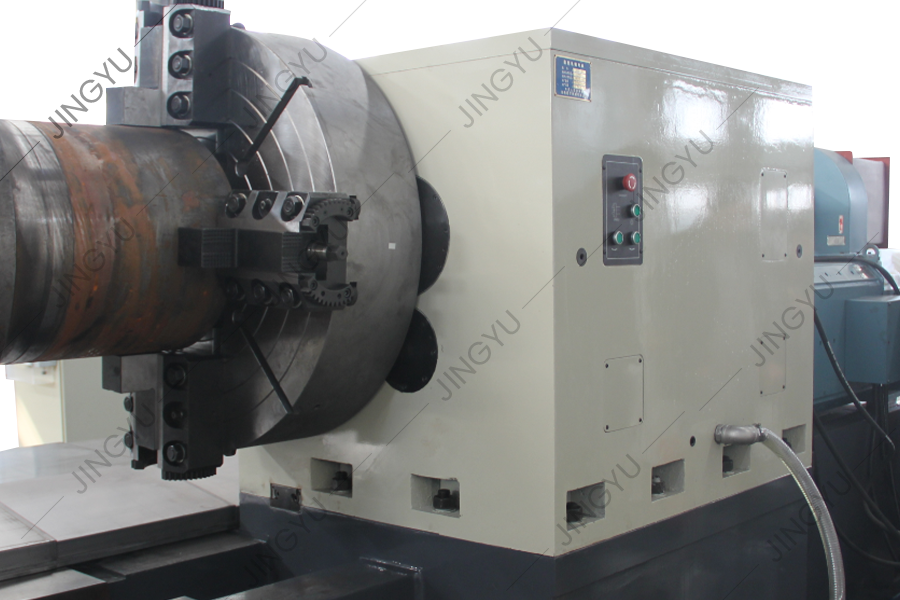 CK84 Series CNC Roll Lathe with Siemens 828D ControlReview this CNC roll lathe for high-material-removal cylindrical roll turning, available as CK84100 and CK84125 with Siemens 828D control.View Product →
For finishing, a CNC roll grinder focuses on surface finish, roundness, and dimensional stability.
For profile work such as grooves or markings, a CNC roller notching machine adds controlled milling or notching motion.
Price is the easiest number to compare and the least useful on its own. A CNC machine is a production asset. The cost of a wrong choice shows up later as rejected parts, long setup times, or expensive downtime. When you review a machine, check these points:
For roll shops, the core of a CNC roller lathe often comes down to how the machine maintains alignment under heavy loads. You can read more about that in the core of a CNC roller lathe. The same logic applies to grinding and milling: the mechanical platform determines the ceiling, and the control system determines how easily an operator can reach it.
CNC machines are safe when the operator follows the setup discipline. They are dangerous when someone treats the guard as an inconvenience. The basic rules are simple:
Maintenance follows the same principle. Daily checks include way lubrication, air pressure, and coolant level. Weekly checks include chip accumulation, filter condition, and tool holder cleanliness. Monthly checks include backlash, level, and electrical connections. A machine that is maintained on a schedule is far less likely to fail during a critical job.
CNC basics are not a mystery. They are a set of relationships: coordinates tell the machine where to go, G-code tells it how to move, offsets tell it where the part is, and setup discipline keeps the tool away from anything that should not be cut. If you understand those relationships, you can read a program, set up a job, and evaluate a machine with confidence. Whether you are turning a small shaft or machining a multi-ton roll, the same fundamentals apply. Start with the coordinate system, learn the codes you see every day, and never skip the verification step before cycle start.
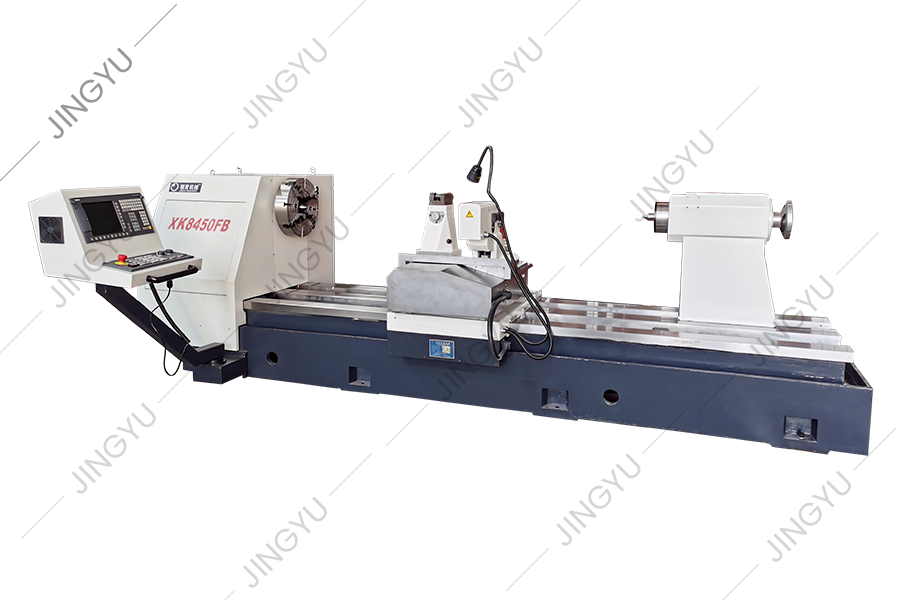
This series of machine tools can automatically cut crescent grooves with different rotation directions and any helix angle. It can divide into equal (...
See Details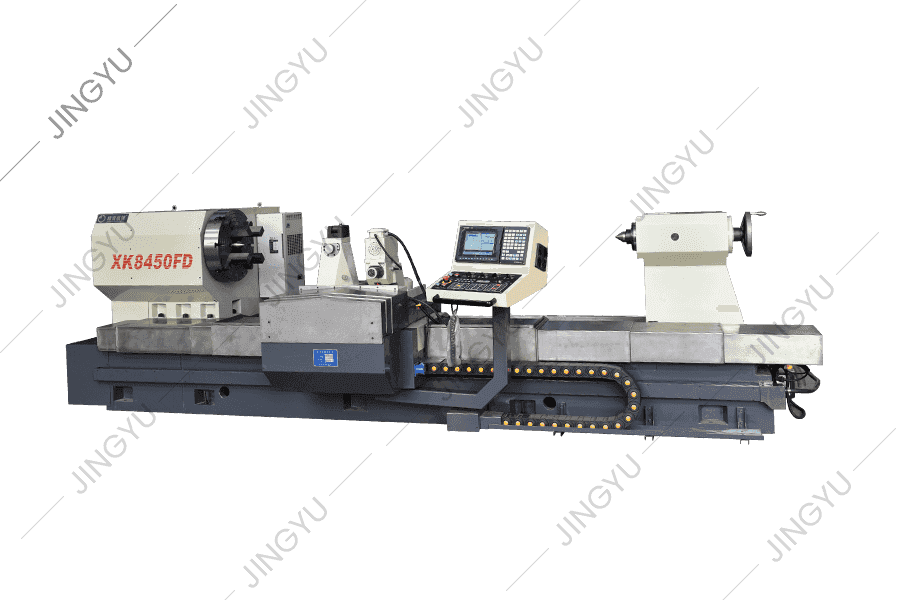
In view of the problems of high speed steel roll processing, XK8450 CNC roll milling machine is a new type of CNC roll groove processing machine tool ...
See Details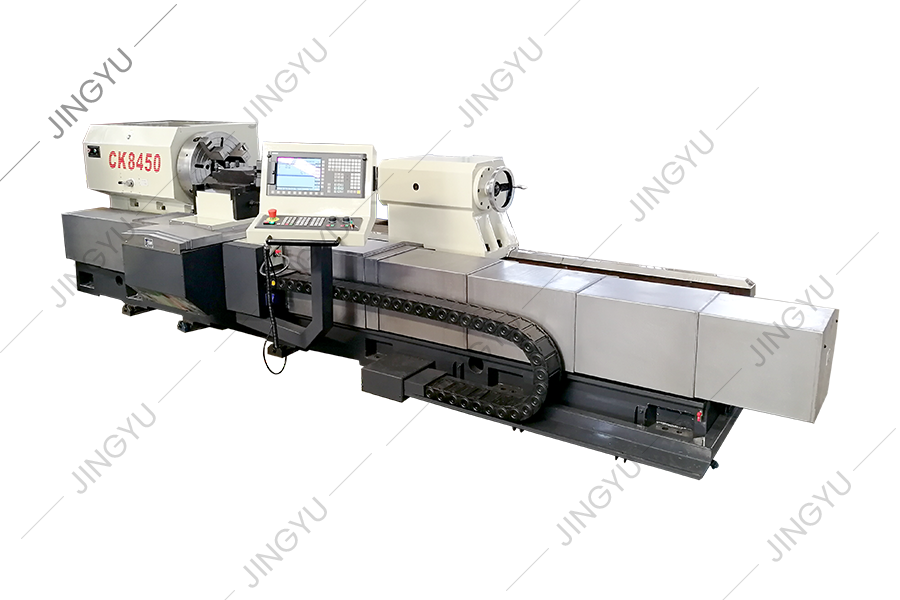
This series of machine tools is mainly used to pass and process rolls. It can also turn the outer circle and roll neck of rolls, and can also turn par...
See Details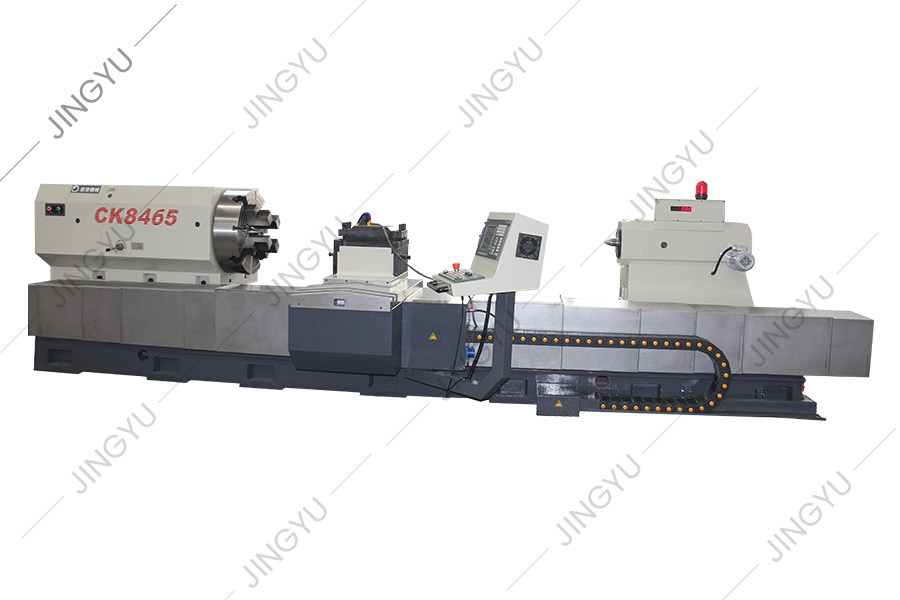
CK8465H CNC roll lathe bed adopts a 2+3 heavy-duty linear rolling guide structure, that is, two rectangular guide rails arranged horizontally on the b...
See Details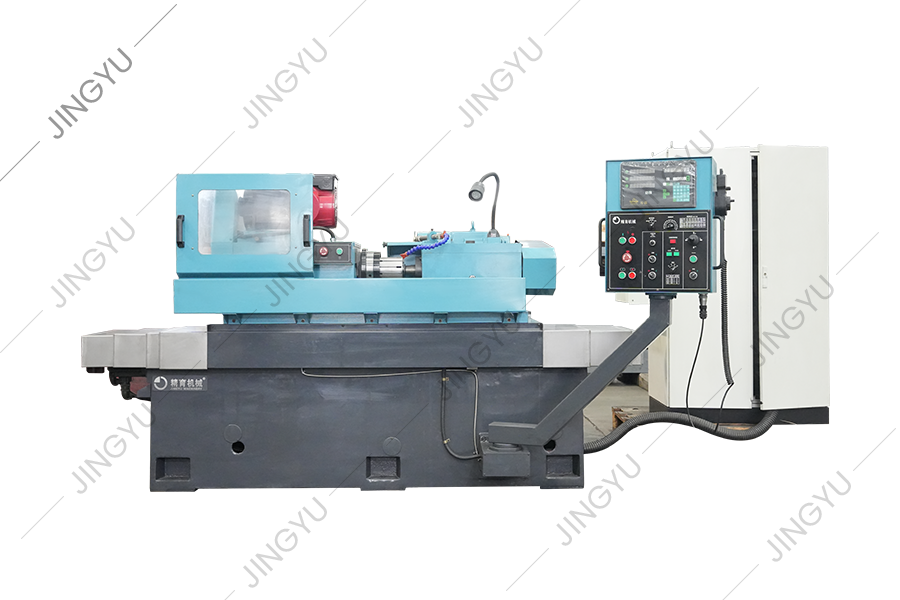
The roll ring forming grinder is mainly used for grinding tungsten carbide roller rings for high-speed wire rod production. The formed diamond grindin...
See Details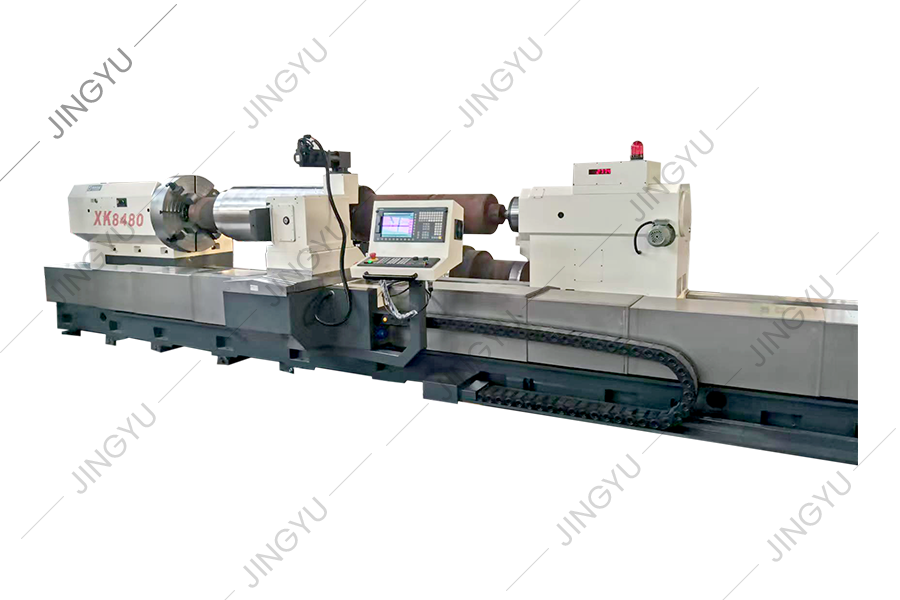
At present, pattern roll engraving at home and abroad generally adopts electrolysis method, ordinary horizontal milling machine milling and other proc...
See Details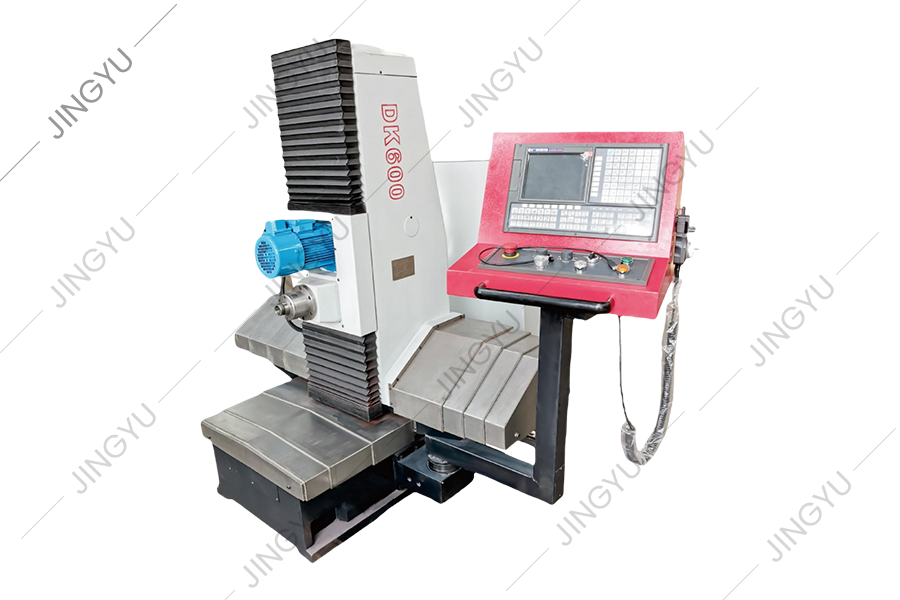
CNC roll engraving machine is suitable for processing various roll end face markings. Through the automatic editing software, it can generate processi...
See Details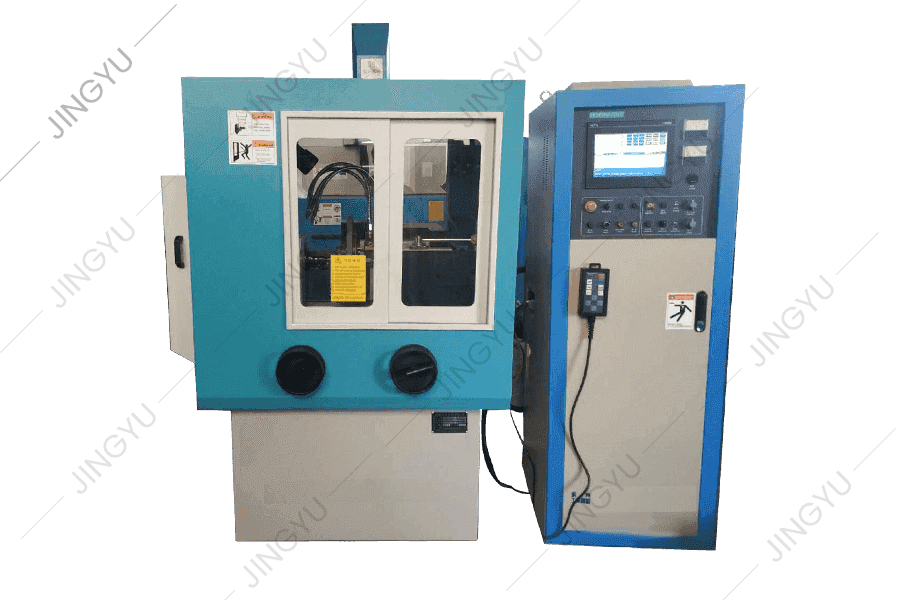
MX250 is a standard diamond wheel dressing machine, used for forming and dressing diamond wheels for metallurgical steel mills. The diameter of diamon...
See Details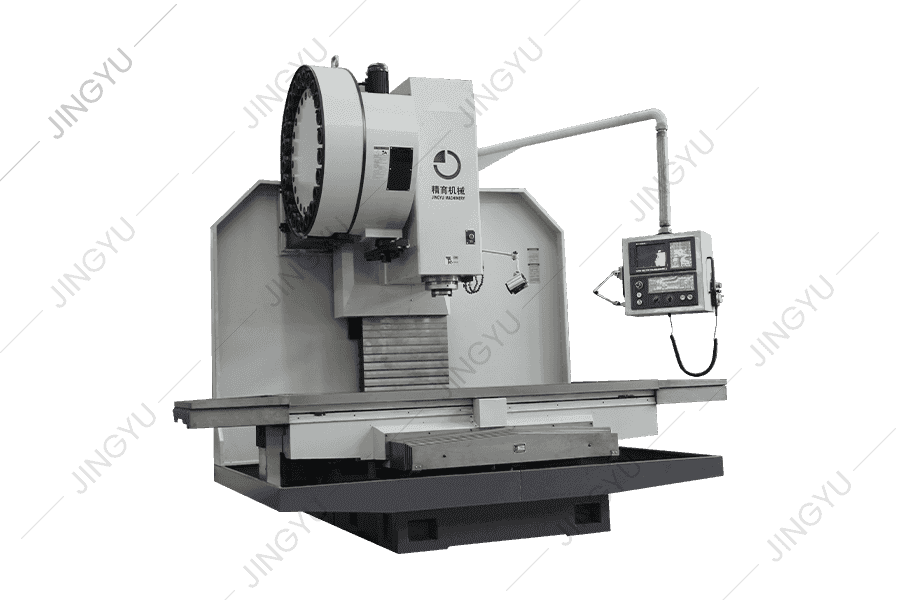
All three axes of the machine are P3-level 50×P10 ball screws, and the assembly process of 2-end fixed pretension is used to strengthen the axial rigi...
See Details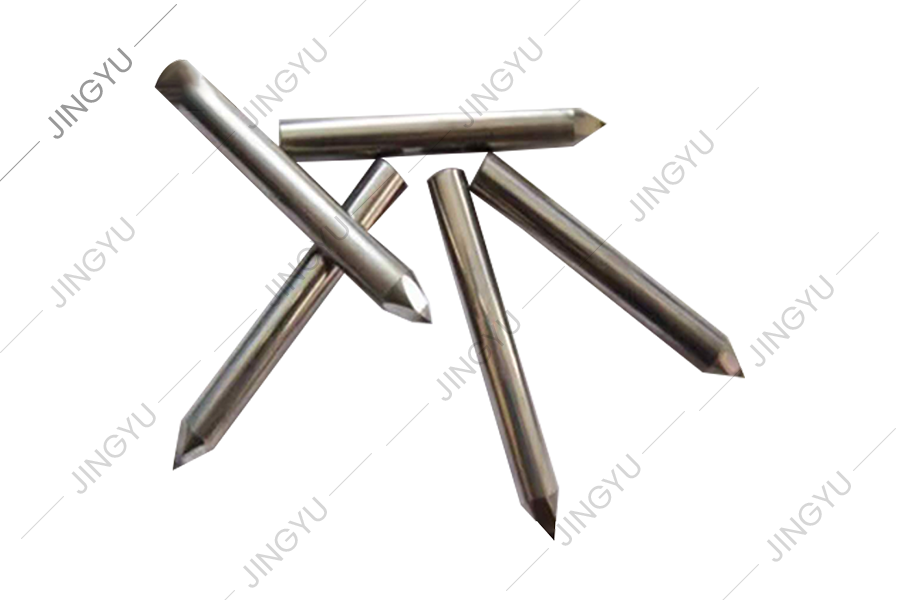
We also supply other spare parts, such as checkered plate milling cutters, roll slotting tools, oil pumps, motors, CNC systems, etc.
See DetailsNo.3, Xinghe Road, Zhaxi Industrial Park, Chongchuan District, Nantong, Jiangsu Province, 226003, P.R.China
info@rolllathe.com jennifergao@rolllathe.com
+86-513-85636116
Copyright © Nantong Jingyu Machinery Co., Ltd. All Rights Reserved
 China Roll Turning Lathe Manufacturers
