


 English
 русский
 عربى
عربى
Cat:CNC Roll Milling Machine
CNC Roll Notching Machine
XK9350 series CNC rebar roll crescent groove milling machine is the upgraded product of XK500 type, which is suitable for processing rolls with diamet...
See DetailsA roll shop supervisor once explained why the shop replaced its manual copying lathe for rough turning: the machine hit tolerance in the morning, but by the afternoon the hydraulic tracing wear and thermal drift showed up on the finished roll. That experience is common in heavy machining. A CNC horizontal lathe removes most of that variability, because every axis movement is controlled by a digital loop and the tool path is generated from the part program rather than from cam templates. If your workpieces are shafts, rolls, axles, sleeves, or any part whose length is greater than its diameter, the horizontal configuration is usually the most practical and cost-effective start.
Put simply, a horizontal CNC lathe gives you process consistency. The spindle axis is parallel to the floor, so long workpieces can be supported between a chuck and a live center, and cutting forces push downward into the bed. This arrangement allows the machine to combine heavy roughing passes with finishing passes that hold roundness within a few microns.
The practical impact is measurable. A rigid lathe with preloaded linear guides or hardened box ways will hold a repeated positioning accuracy within 0.005 mm. Every part from a batch starts with the same tool path error and the same thermal compensation. Thermal stability is one of the main reasons CNC lathes outperform manual machines; the control system can apply compensation for temperature changes, and the operator does not need to realign centers for every new roll.
From a production planning perspective, switching from copying lathes to CNC also shortens setup time. Part programs can be recalled from memory, tool offsets are stored by tool number, and first-piece inspection becomes a confirmation step instead of a trial-and-error loop.
A machine decision is really a decision about stiffness. Look at the bed first. Heavy-duty horizontal lathes are usually built on a one-piece cast iron or ribbed steel bed. The bed dampens vibration during interrupted cuts, and the accuracy of the hardened guideways determines how straight the carriage travels along the Z-axis. A lathe that loses straightness under load transfers that error directly to a taper on a roll body.
The headstock is the second priority. For roll machining, the spindle needs both high torque at low speed and a wide speed range for different tool materials. A gear-driven headstock delivers high torque; an integral motor spindle offers better surface finish at high speed. Many practical buyers choose a two-speed gearbox with frequency control to get both.
Tools are held by a turret or a tool post. A CNC turret with 8 to 12 stations reduces changeover time and lets you run more operations in one setup. If the part requires milling, drilling, or grooving in addition to turning, you need a powered turret with driven tools. Finally, the tailstock provides the second support point; for slender rolls, a hydraulically actuated tailstock quill with adjustable pressure is essential to prevent bending.
Before comparing brands, compare configurations. Vertical lathes hold the workpiece on a horizontal table, so gravity helps keep large-diameter parts stable. Horizontal lathes support long workpieces along their centerline, and chips fall clear of the cutting zone. The table below summarizes the distinctions relevant to most industrial buyers.
| Factor | Horizontal CNC lathe | Vertical CNC lathe |
|---|---|---|
| Best workpiece shape | Shafts, rolls, axles, sleeves | Flanges, flywheels, large rings |
| Workpiece length | Limited by bed length and steady rests | Limited by machine height and table size |
| Workpiece diameter | Limited by swing diameter over the bed | Can handle very large diameters on a compact footprint |
| Chip removal | Chips fall downward; coolant flushing is direct | Chips stay on the table; needs more powerful coolant |
| Setup convenience | Easy loading with a crane and centers | Easy for heavy short parts that rest flat |
| Typical roll shop use | Roll body turning, neck finishing, grooving | Roll end facing and large ring-type work |
For a roll shop, the question is rarely whether horizontal is better in general. It is whether the part is too large in diameter for the swing capacity of a horizontal machine. Rolls for strip mills are long and relatively small in diameter, so horizontal machines dominate roll body, neck, and groove operations. Vertical machines appear when machining very large diameter rings or short flange-type rolls.
One common mistake is to compare only price, maximum turning diameter, and spindle speed. The real cost of a lathe shows up in how well the rigidity and configuration match your own part mix. Start with a short evaluation checklist:
A useful way to structure your thinking is as a decision path:
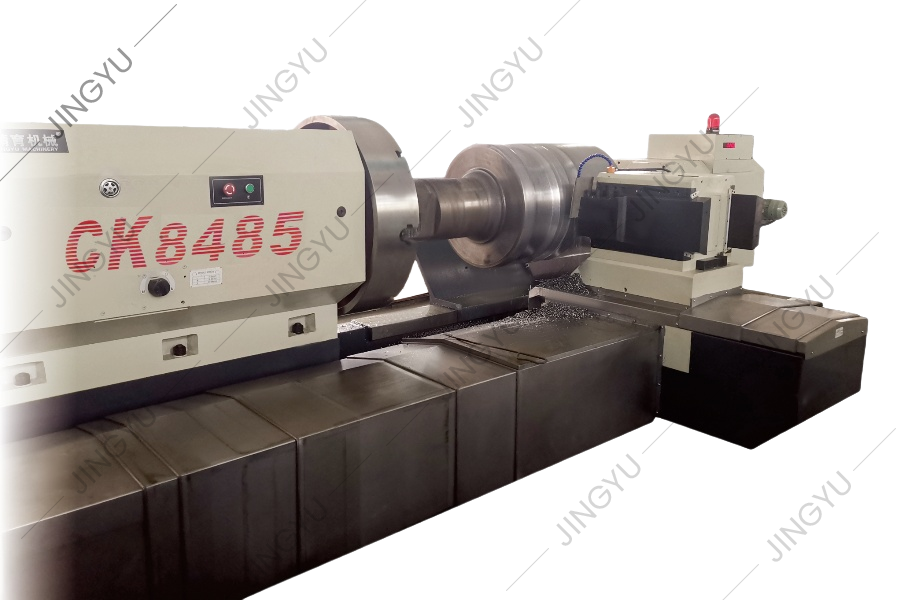 Heavy Duty CNC Roll Turning Lathe for Hardened Roll MachiningThis CNC roll lathe uses a rigid 4-plus-1 guideway bed and high-torque headstock, suited for cutting hardened or semi-hardened rolls where structural stability matters more than spindle speed.View Product →
In our work at Nantong Jingyu Machinery, heavy-duty horizontal lathes are the machines that most often turn rolled steel and aluminum rolls. The decisive factor is matching the structure to the cutting torque, not the top speed. If most of your parts are hardened or semi-hardened rolls, the rigid bed, high-torque headstock, and reliable tailstock matter more than rpm.
When a roll is already at or near final hardness, a lathe is the wrong tool. A CNC roll grinder is the better investment because grinding avoids the heat and vibration that turning would introduce.
Installation quality determines long-term accuracy. A horizontal lathe must be leveled on a concrete foundation that meets the manufacturer's specification. The usual tolerance is 0.02 mm per meter on the bed, checked with a precision level. Do not skip vibration isolation pads if the machine will run interrupted cuts; the damping layer keeps the cutting edge stable and prevents chatter marks.
During the first shifts, watch thermal growth. Run the spindle at normal operating speeds for 20 to 30 minutes before taking a finishing pass. The CNC system can apply thermal compensation, but you still need a repeatable warm-up routine.
In daily maintenance, prioritize the coolant and chip management system. In roll turning, heavy cutting generates fine abrasive chips that will wear guideways and turret seals if the coolant is not filtered. Change filter cartridges on schedule, check the guideway oil level daily, and inspect the chuck jaws for wear. A clean machine holds tolerance longer and costs less to repair.
Spare parts availability is the hidden cost of a poorly supported machine. Ask the supplier about lead times for spindle bearings, turret couplings, and ball screws. If you cannot keep critical spare parts nearby, a breakdown becomes weeks of downtime. For our customers, lathe spare parts and grinding wheel accessories are stocked precisely because a failed encoder or a worn ball screw should not be the starting point of a new supply negotiation.
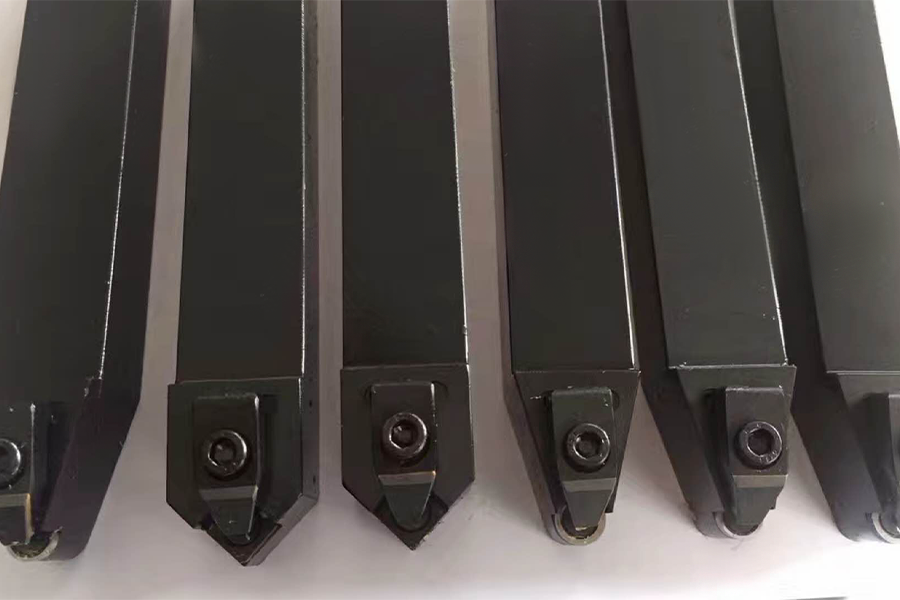 CNC Lathe Spare Parts Including Inserts and Tool HoldersThis section lists essential replacement components such as CBN and PCD inserts and turning tool holders, helping you evaluate spare-part availability and avoid extended downtime for your lathe.View Product →
Safety should also be part of the plan. Confirm that the machine meets your electrical standards, the chuck guard is interlocked, and the operator can stop the spindle quickly with a foot brake or a controlled stop. A good CNC lathe reduces manual handling, but only if the clamping, chip conveyor, and spindle braking systems are checked weekly.
The value of a CNC horizontal lathe comes from the match between machine and part mix. A heavy, rigid machine with a slightly higher initial price often returns that extra investment through lower tool wear and fewer scrap rolls in the first year. A supplier that discusses your drawings before preparing a proposal has usually solved a similar application for another customer.
A practical next step is to send three things to the supplier: the roll drawing with tolerances, the material and hardness range, and the average batch quantity. In our experience, those three inputs are enough to recommend a specific spindle torque, guideway type, turret configuration, and automation plan. You do not need to be an expert machine tool builder to buy the right CNC horizontal lathe; you only need to be precise about the workpieces you will run on it.
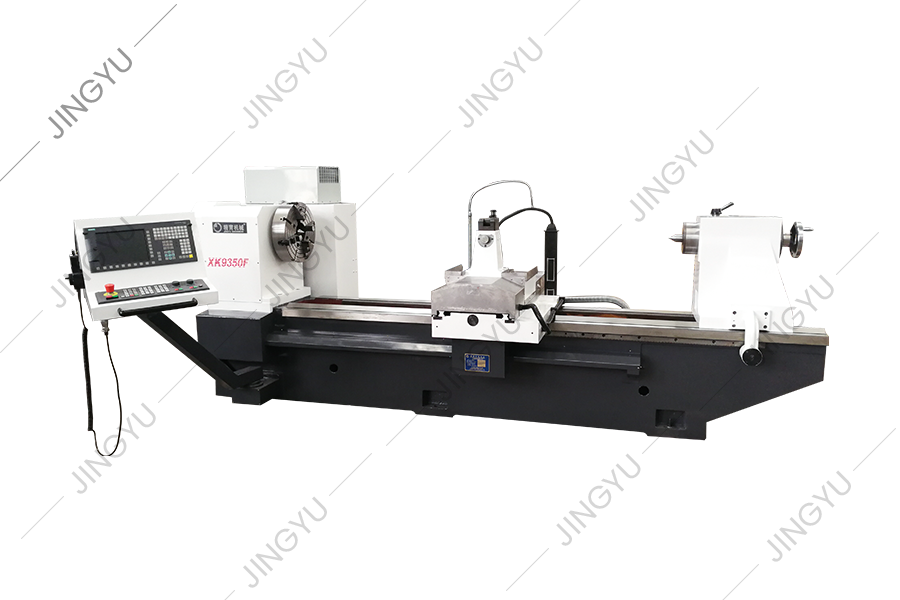
XK9350 series CNC rebar roll crescent groove milling machine is the upgraded product of XK500 type, which is suitable for processing rolls with diamet...
See Details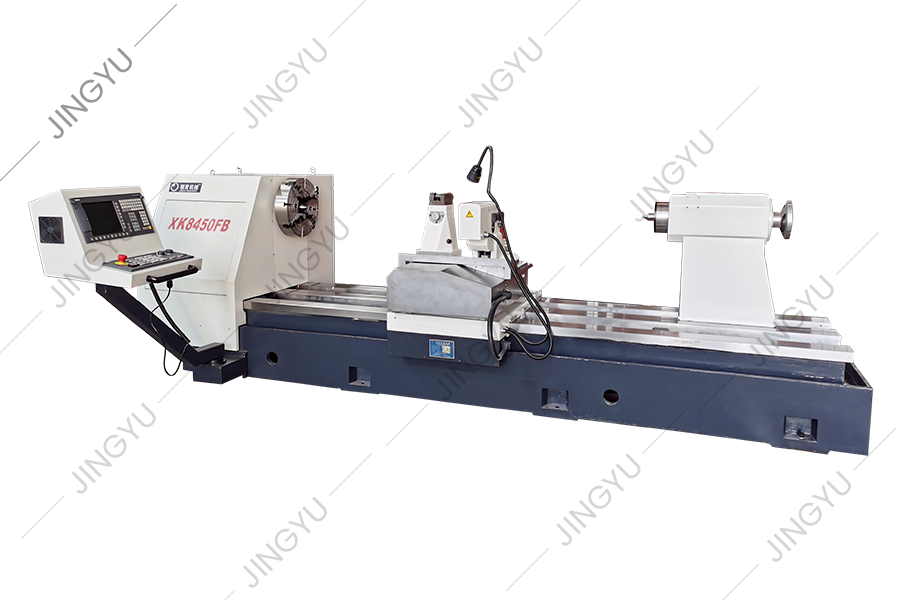
This series of machine tools can automatically cut crescent grooves with different rotation directions and any helix angle. It can divide into equal (...
See Details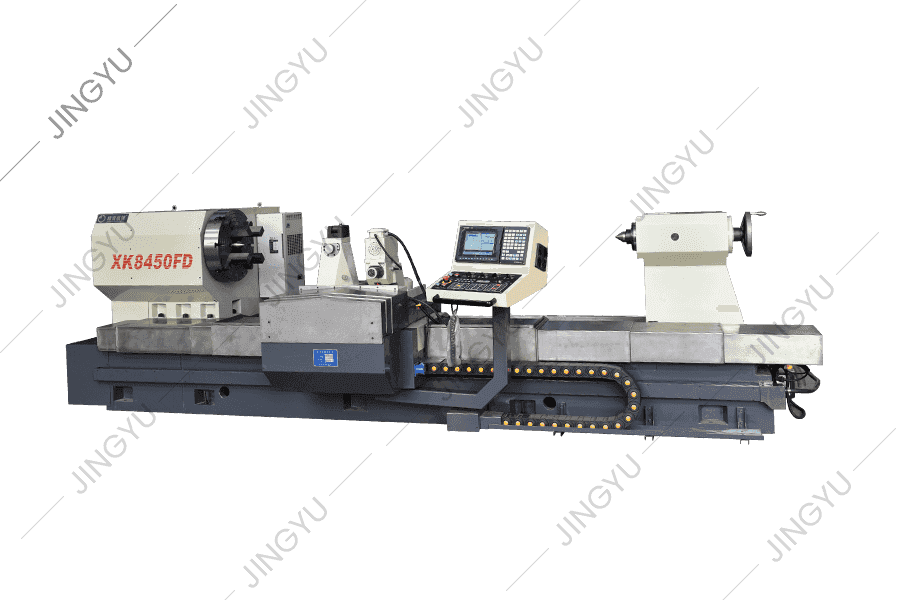
In view of the problems of high speed steel roll processing, XK8450 CNC roll milling machine is a new type of CNC roll groove processing machine tool ...
See Details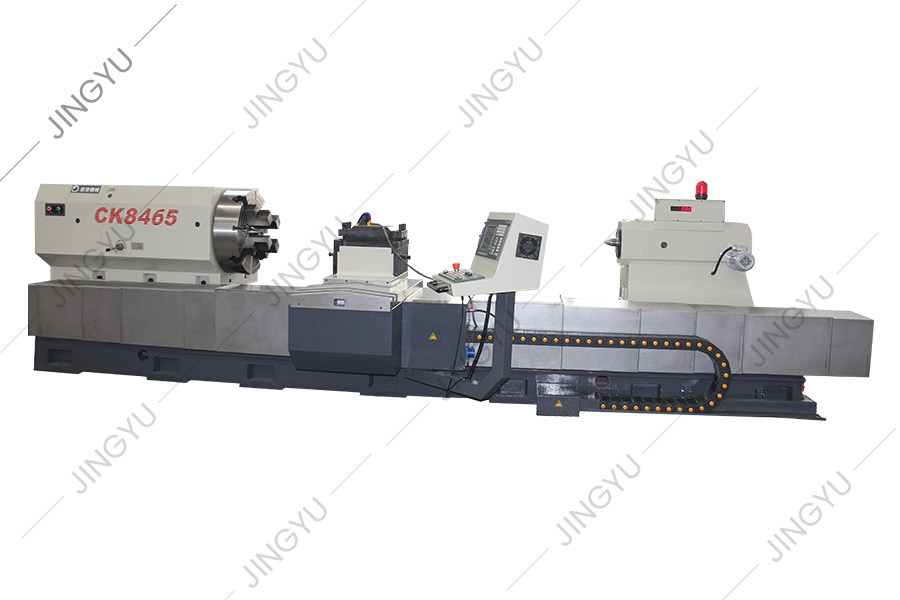
CK8465H CNC roll lathe bed adopts a 2+3 heavy-duty linear rolling guide structure, that is, two rectangular guide rails arranged horizontally on the b...
See Details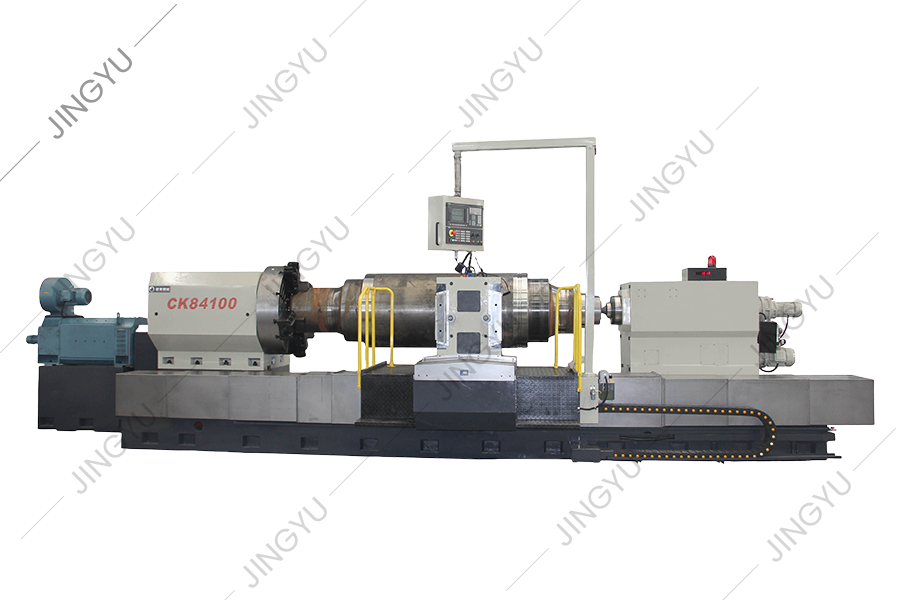
CK84 series CNC roll lathe adopts Siemens 828D CNC system and is driven by a servo motor. When designing this machine tool, we fully analyzed the tech...
See Details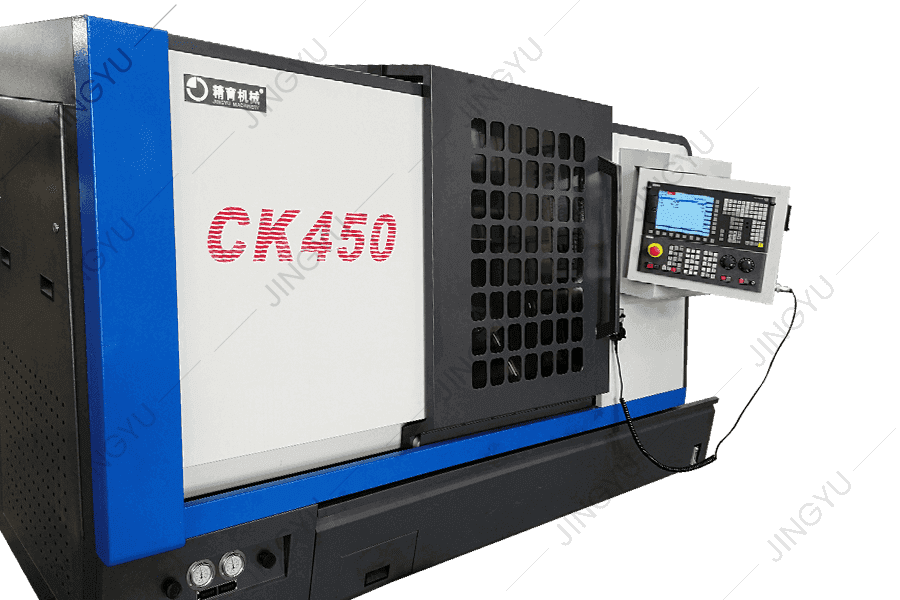
The CK450 inclined bed CNC lathe adopts the German Siemens control system. The appearance, operating system, and safety protection system of the machi...
See Details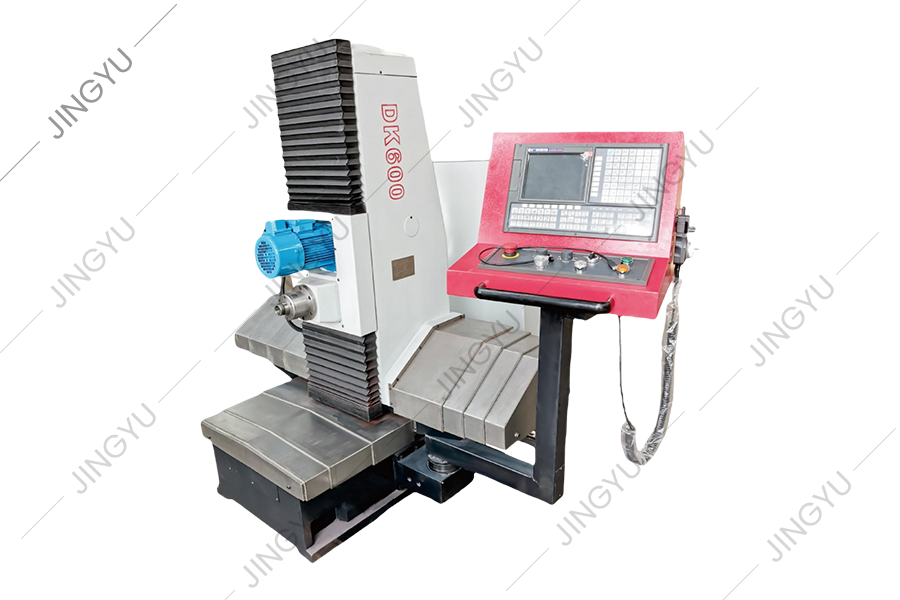
CNC roll engraving machine is suitable for processing various roll end face markings. Through the automatic editing software, it can generate processi...
See Details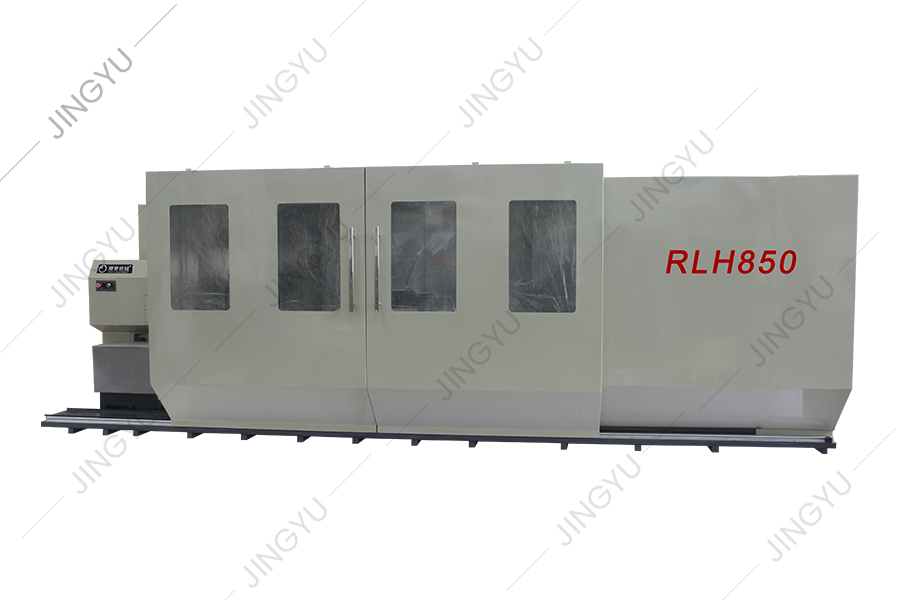
This machine tool is a new type of CNC roll grooving machine tool developed based on the company's CNC roll milling machine series and after full rese...
See Details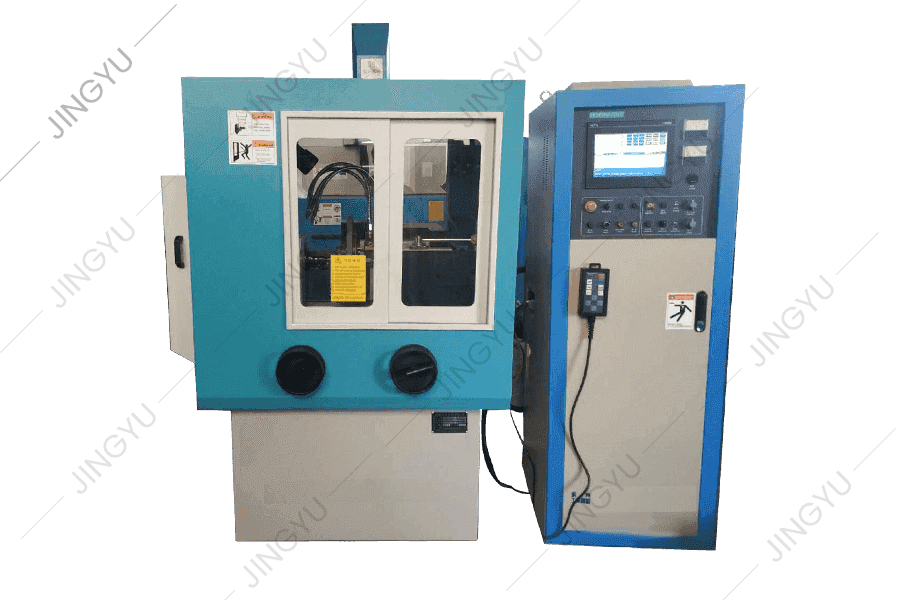
MX250 is a standard diamond wheel dressing machine, used for forming and dressing diamond wheels for metallurgical steel mills. The diameter of diamon...
See Details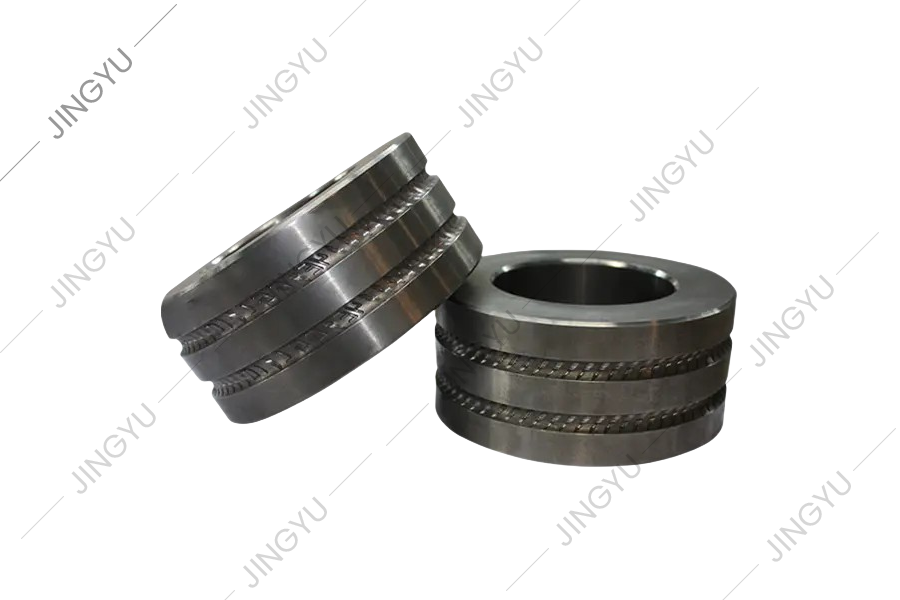
This series mainly provides common-wearing parts for CNC TC ring grinding machines and composite roll grinding machines, such as mandrels, dynamic and...
See DetailsNo.3, Xinghe Road, Zhaxi Industrial Park, Chongchuan District, Nantong, Jiangsu Province, 226003, P.R.China
info@rolllathe.com jennifergao@rolllathe.com
+86-513-85636116
Copyright © Nantong Jingyu Machinery Co., Ltd. All Rights Reserved
 China Roll Turning Lathe Manufacturers
