


 English
 русский
 عربى

Cat:CNC Roll Milling Machine
CNC Notching and Marking Machine
XK9350 series CNC rebar roll crescent groove milling machine is the upgraded product of XK500 type, which is suitable for processing rolls with diamet...
See DetailsAn end mill starts to scream after the first pass in a deep cavity. The surface looks like a washboard and the tool path no longer follows the programmed contour. This is not a random event; it is regenerative chatter. The practical conclusion is that chatter can be predicted and controlled by targeting the vibration loop among the cutter, the spindle, and the workpiece. You do not have to accept poor finish or broken tools.
Chatter is a combination of forced and self-excited vibration. Forced vibration follows an external event such as an interrupted cut or a worn bearing. Self-excited vibration, especially regenerative chatter, develops when the flexible tool and workpiece system resonates with the periodic cutting force. Each tooth leaves a wavy surface, the next tooth cuts into that wave, and the resulting force variation feeds energy into the system. Once that loop starts, the chip thickness changes so rapidly that the tool literally bounces off the material.
The main classification matters because the fix is different. Forced vibration responds to eliminating the external source. Regenerative chatter responds to changing speed, engagement, tool geometry, or system stiffness.
Chatter appears when the system is flexible enough to resonate. The most common triggers are:
In practice, chatter is recognizable without sensors:
If you see these signs, stop the cut before treating it as a feed or speed mistake.
The chart below ranks common countermeasures based on how directly they raise the stability limit. The best result comes from combining several actions rather than chasing one variable.
| Variable | Effect | Practical recommendation |
|---|---|---|
| Spindle speed | Changes tooth–wave phase; resonance points shift | Test in ±10% increments |
| Feed per tooth | Changes cutting force and damping | Increase feed slightly when chatter starts |
| Radial engagement | Wider cut is more prone to chatter | Keep under 10–20% of cutter diameter in roughing |
| Axial depth | Directly influences the stability limit | Use stability lobe data to select a safe depth |
| Overhang length | Longer overhang lowers natural frequency | Keep ≤ 3× tool diameter when possible |
| Helix angle | Staggered forces break resonance | Use variable helix tools for rigid setups |
Many experienced machinists use a simple start: reduce spindle speed by 10% and increase feed by 10%. This shifts the phase between the surface wave left by the previous tooth and the cut of the next tooth, breaking the energy feedback. If the sound changes pitch, continue in small steps. Stability lobe diagrams show that certain speed ranges permit deeper stable cuts, so a speed change can move the operating point into a stable island.
Remember that the old machinist’s rule is a starting point, not a guarantee. Combine it with a change in feed per tooth so the chip thickness remains high enough to prevent rubbing.
Reduce overhang to less than three times the cutter diameter whenever possible. Use the shortest flute length that still clears the workpiece. A shrink-fit holder or hydraulic chuck with low runout keeps the cutting edge concentric and dampens vibration. Check runout regularly; a TIR above 0.01 mm defeats even the best end mill geometry.
Variable helix end mills stagger the tooth spacing, so each flute hits the wave at a different phase. For difficult materials, try variable pitch and a higher helix angle. A small corner radius or chamfer hone distributes cutting forces and minimizes micro-chipping. After a few regrinds, tools lose that optimized geometry; use a properly indexed cutter grinder to recreate the original edge. Consistent regrinding is as critical as the initial tool selection.
In end milling, chatter forces rise quickly when the tool is more than half the tool diameter engaged. Keep radial engagement below 10–20% of tool diameter in steels and titanium. Trochoidal paths keep a constant chord thickness and reduce force spikes, letting you maintain a productive axial depth without starting vibration.
Thin ribs and unsupported pockets act like tuning forks. Add sacrificial supports, use a vacuum fixture, or fill box sections with damped material. The contact area between workholding and part should be as large as possible. If the part moves less, the tool–part system becomes stiffer.
The machine tool frame filters vibration between the spindle and the table. Heavy castings, preloaded linear guideways, and a well-damped base shift the chatter limit upward. When planning high-removal milling, select a reinforced CNC milling platform with adequate torque and rigidity. For existing machines, check the spindle drawbar force, bearing preload, and holder taper. Worn parts allow forced vibration; replacing them with quality spare parts restores the original stiffness.
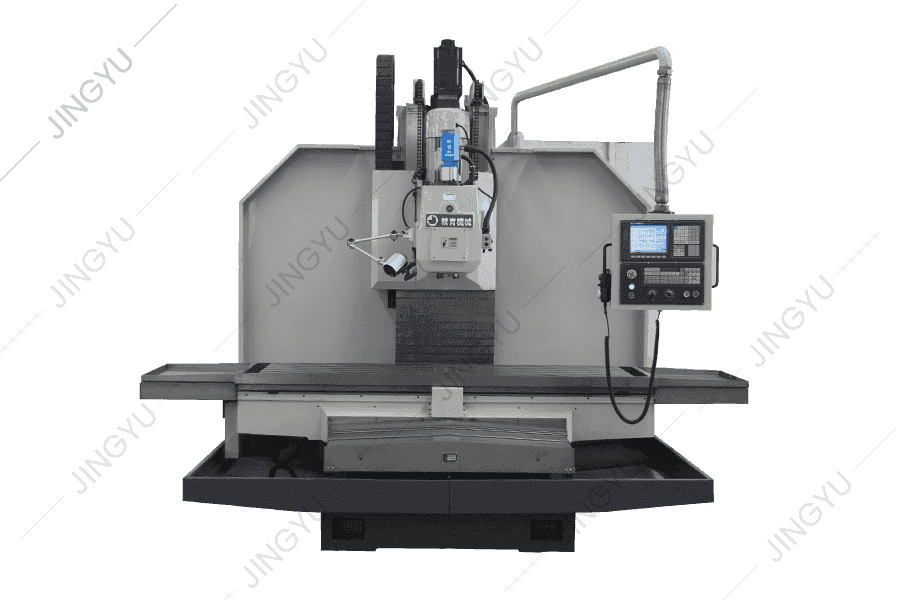 Reinforced CNC Vertical Milling Machine for High-Removal CuttingThis rigid XKV1800 milling platform offers high torque and precision, making it a practical choice when upgrading machine stiffness to suppress vibration and expand chatter-free cutting limits.View Product →
Once the basics are set, monitor for chatter in production. In addition to sound and surface, watch for wear stripes at a 45° angle on the flank, and use spindle load or vibration sensors when available. Keep detailed records of stable speed–depth combinations. Also verify that the tool holder and spindle interfaces are clean; a small nick or burr in the taper creates forced vibration. Replacing worn clamping parts with original-spec components is a low-cost fix that keeps rigidity. Many of the same vibration-control principles used for high-speed CNC roller grinders apply directly to end mill troubleshooting.
 Milling Machine Spare Parts for Chatter ControlQuality spare parts like tool holders and support blocks restore rigidity and reduce forced vibration, offering a low-cost fix for stable end mill operation and longer tool life.View Product →
End mill chatter is not an unsolvable machine problem. Start with the easiest lever—speed and feed—and then improve system rigidity. Choose tool geometry that breaks harmonic buildup, keep reground edges consistent, and use a machine and fixture that support stable cutting. The result is longer tool life, better finish, and far less stress on the shop floor.
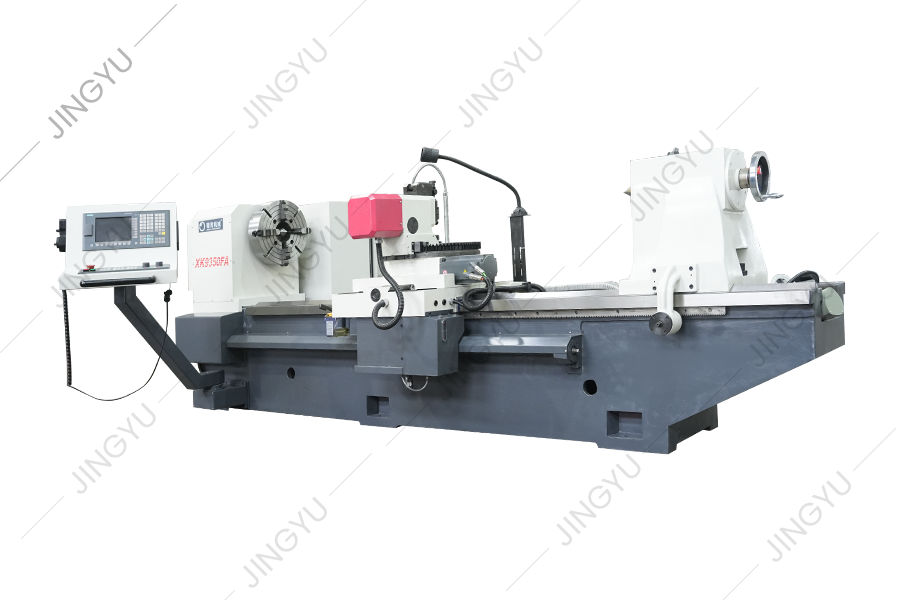
XK9350 series CNC rebar roll crescent groove milling machine is the upgraded product of XK500 type, which is suitable for processing rolls with diamet...
See Details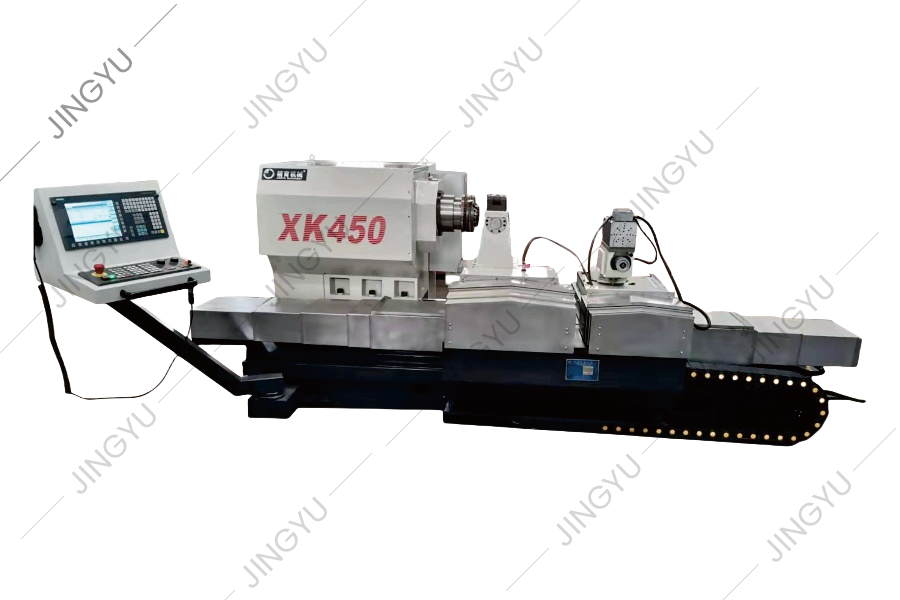
We have accumulated rich experience in the processing and use of rebar rolls, and have conducted in-depth analysis and research on the technology of s...
See Details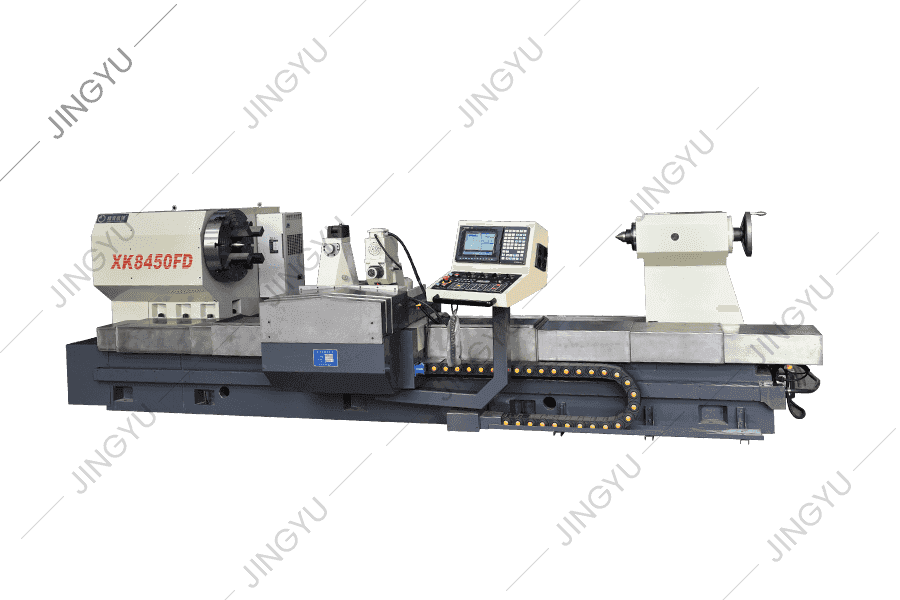
In view of the problems of high speed steel roll processing, XK8450 CNC roll milling machine is a new type of CNC roll groove processing machine tool ...
See Details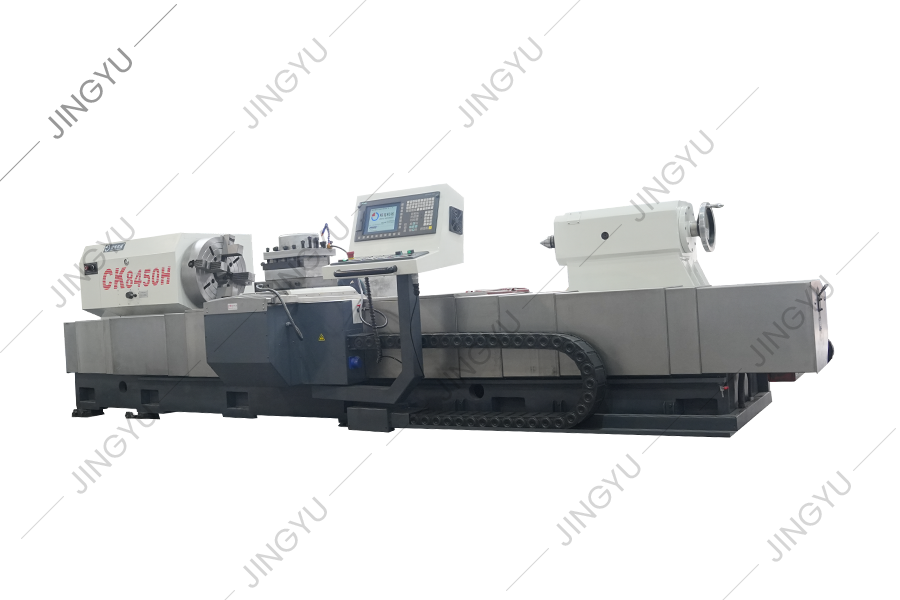
This series of machine tools is mainly used to pass and process rolls. It can also turn the outer circle and roll neck of rolls, and can also turn par...
See Details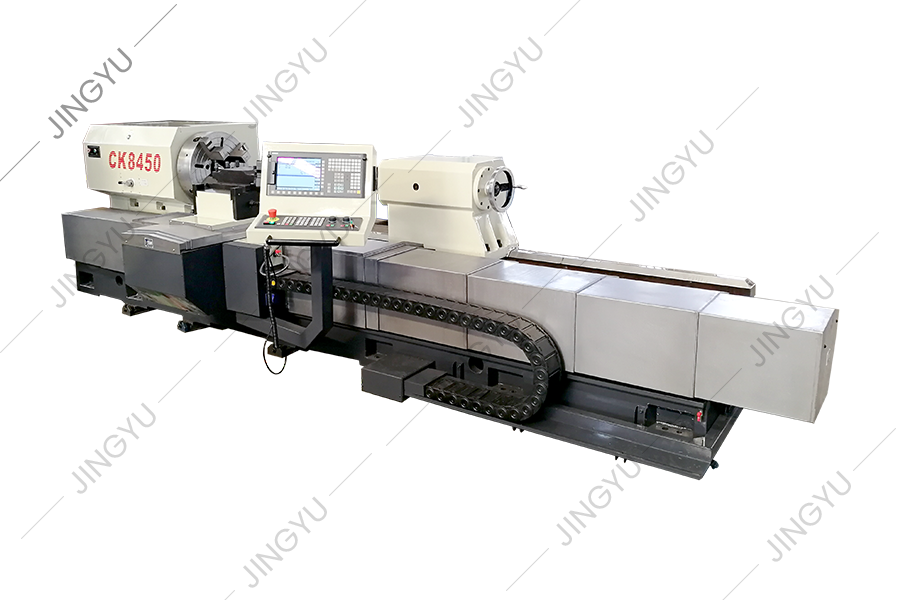
This series of machine tools is mainly used to pass and process rolls. It can also turn the outer circle and roll neck of rolls, and can also turn par...
See Details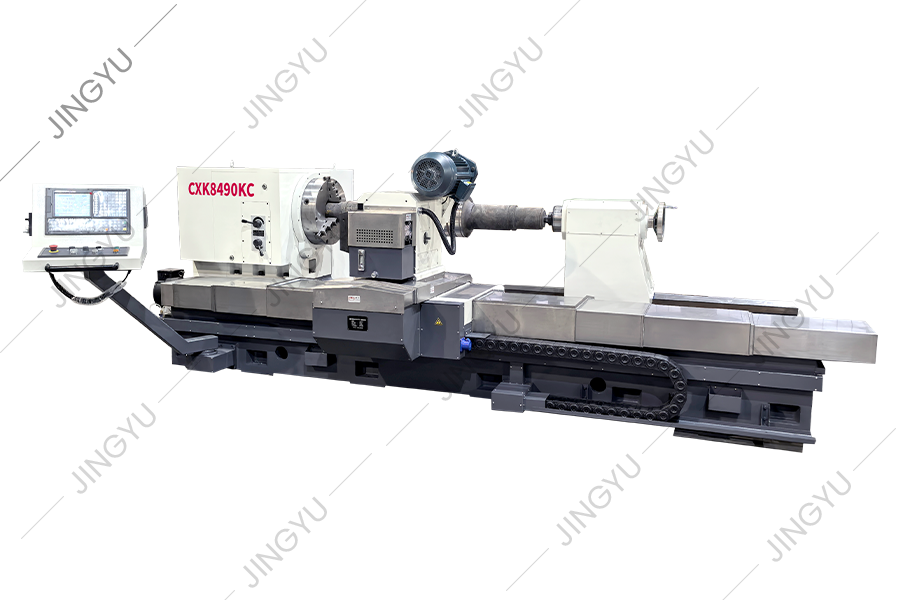
This machine tool is a new type of CNC roll grooving machine tool developed based on the company's CNC roll milling machine series and after full rese...
See Details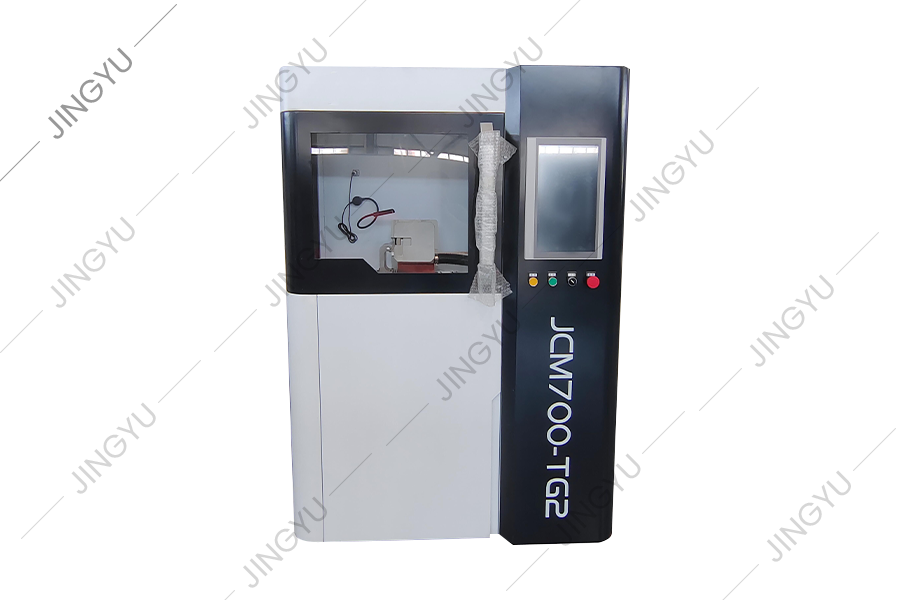
This machine is mainly used for grinding and repairing the milling cutter of roll threaded cross rib, which can easily repair and grind the edge of re...
See Details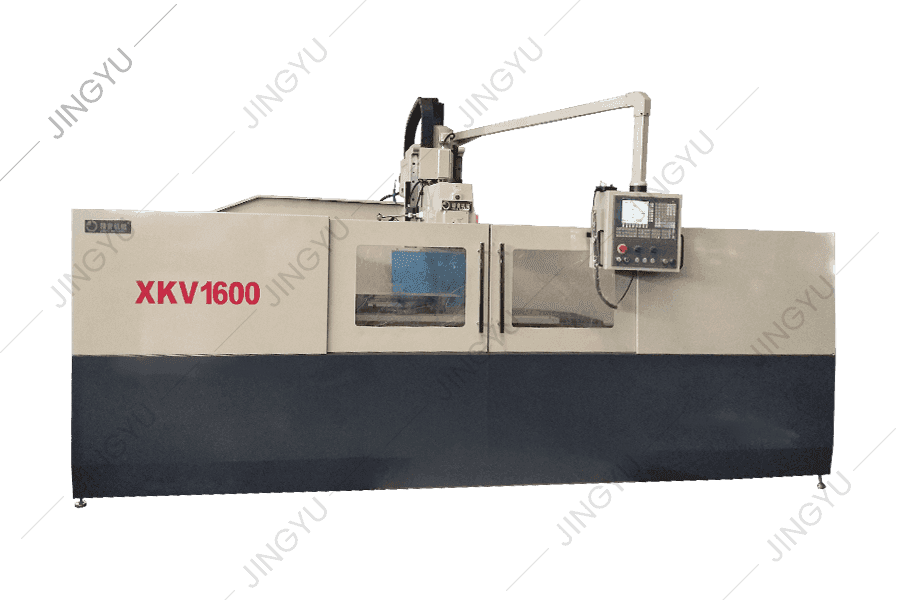
The CNC-reinforced milling machine adopts a full-gear spindle box, and the spindle transmission part adopts gears with precision of more than 6 levels...
See Details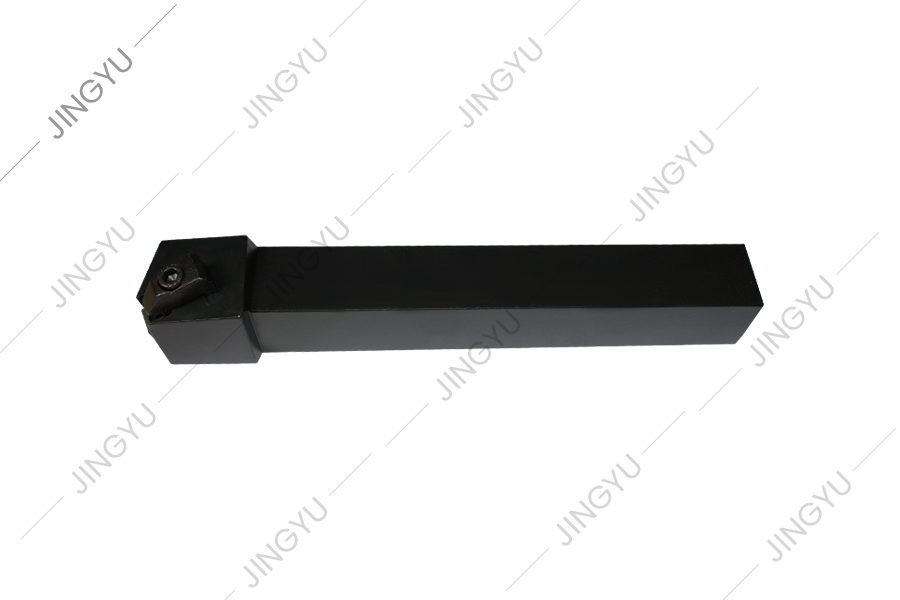
This series mainly provides common-wearing parts for CNC roll lathes, such as CBN blades, PCD blades, chucks, screws, etc.
See Details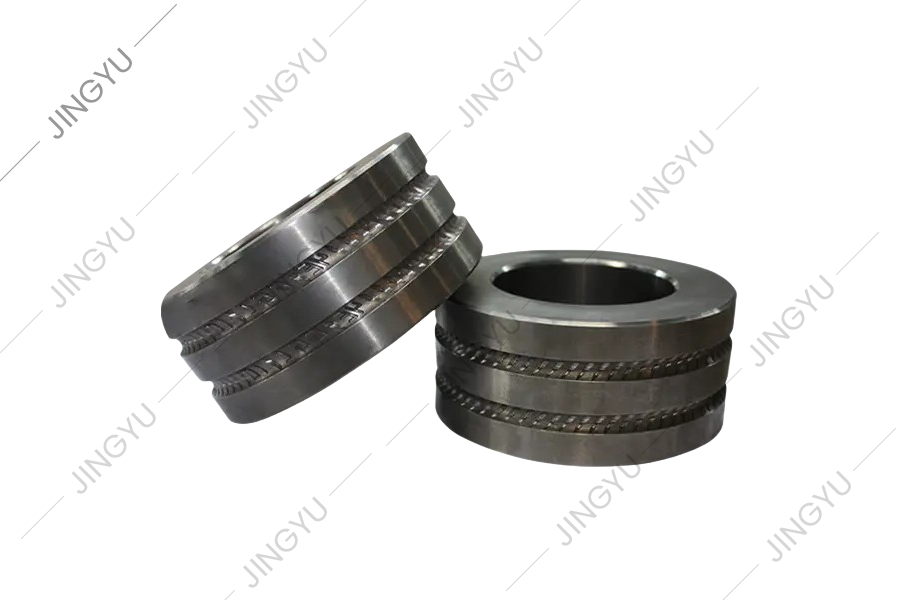
This series mainly provides common-wearing parts for CNC TC ring grinding machines and composite roll grinding machines, such as mandrels, dynamic and...
See DetailsNo.3, Xinghe Road, Zhaxi Industrial Park, Chongchuan District, Nantong, Jiangsu Province, 226003, P.R.China
info@rolllathe.com jennifergao@rolllathe.com
+86-513-85636116
Copyright © Nantong Jingyu Machinery Co., Ltd. All Rights Reserved
 China Roll Turning Lathe Manufacturers
