


 English
 русский
 عربى
عربى
Cat:CNC Roll Milling Machine
CNC Roll Notching Machine
XK9350 series CNC rebar roll crescent groove milling machine is the upgraded product of XK500 type, which is suitable for processing rolls with diamet...
See DetailsCNC roll milling machines operate under conditions that generate significant heat due to continuous cutting, friction between tool and workpiece, and prolonged machining cycles. Rolls are often large and made of dense metallic materials, which increases cutting resistance and thermal accumulation. Effective cooling is therefore an essential part of machine operation, influencing dimensional stability, tool life, surface condition, and overall process consistency. The choice of cooling method is closely related to machine design, application type, and material being processed.
Heat in CNC roll milling primarily originates from the cutting zone where the tool engages the roll surface. Additional heat is generated by spindle rotation, bearing friction, and drive system operation. Because roll milling often involves long contact paths and repeated passes, heat can accumulate gradually rather than dissipating naturally. Without adequate cooling, this thermal buildup may affect machining accuracy and component reliability.
CNC roll milling machines may use water-based coolant, oil-based coolant, spray cooling, or a combination of these methods. Each approach has specific characteristics related to heat removal, lubrication, cleanliness, and maintenance. The selection of a cooling method is usually determined during machine configuration and can be adapted to suit different machining tasks.
Water-based cooling systems are widely used in CNC machining due to their strong heat absorption capability. In roll milling applications, water-based coolants are typically mixed with additives to improve corrosion resistance and lubrication. These coolants are delivered directly to the cutting area through nozzles or internal channels, allowing efficient heat transfer away from the tool and workpiece.
Water-based coolants are effective at reducing cutting temperature and flushing away chips. Their relatively low viscosity allows them to penetrate the cutting zone easily, which supports stable cutting conditions. However, because water can promote corrosion, careful formulation and regular monitoring are required when such systems are used on CNC roll milling machines.
Oil-based cooling systems focus more on lubrication than direct heat removal. These systems use mineral or synthetic oils to reduce friction between the cutting tool and the roll surface. In roll milling, oil-based coolants are often chosen for operations involving heavy loads, slow speeds, or materials that benefit from enhanced lubrication.
Oil does not absorb heat as quickly as water, but it provides a stable lubricating film that reduces friction-generated heat at the cutting interface. This can lead to more controlled temperature rise over time. Oil-based cooling may also help achieve consistent surface finishes during finishing passes, especially when machining hardened rolls.
Spray cooling systems apply coolant in a fine mist directly to the cutting zone. This method is often used to balance cooling efficiency with reduced fluid consumption. In CNC roll milling machines, spray cooling may be employed when excessive coolant flow could interfere with chip evacuation or when cleaner operation is desired.
Spray cooling allows targeted application of coolant, minimizing waste and reducing the amount of fluid that needs to be collected and filtered. It can provide sufficient cooling for certain roll milling operations while maintaining a relatively dry machine environment. This approach is sometimes combined with compressed air to improve chip removal.
Some CNC roll milling machines use hybrid cooling strategies that combine water-based or oil-based coolant with spray delivery. This allows operators to adjust cooling intensity and lubrication according to machining stage. For example, heavier water-based cooling may be used during roughing, while lighter spray cooling may be applied during finishing.
In addition to cooling the cutting zone, CNC roll milling machines may include cooling circuits for the spindle, bearings, and drive components. These systems often use circulating water or oil to maintain stable operating temperatures. By controlling thermal expansion of critical components, such cooling supports consistent machine accuracy over long machining cycles.
Coolant can be delivered externally through adjustable nozzles or internally through the spindle and tool. Internal delivery allows coolant to reach the cutting edge more directly, which can be beneficial in deep or complex roll profiles. CNC roll milling machines designed for demanding applications often support both delivery methods.
The chosen cooling method has a direct influence on tool wear behavior. Effective cooling reduces thermal stress and helps prevent edge degradation. Water-based cooling tends to lower cutting temperature quickly, while oil-based cooling reduces friction-related wear. Spray cooling provides moderate thermal control with lower fluid impact.
Temperature variation during machining can lead to dimensional drift, especially on large rolls. Cooling systems help maintain more uniform temperatures across the workpiece. Consistent cooling reduces the risk of localized expansion that could affect profile accuracy or surface consistency.
| Cooling Method | Main Function | Typical Application | Operational Focus |
| Water-based coolant | Heat removal | High-speed or heavy cutting | Temperature control |
| Oil-based coolant | Lubrication | Heavy load or finishing | Friction reduction |
| Spray cooling | Targeted cooling | Moderate cutting conditions | Fluid efficiency |
Cooling system selection also affects environmental management and machine maintenance. Water-based systems require monitoring for bacterial growth and corrosion control. Oil-based systems demand filtration and periodic replacement to maintain lubrication quality. Spray systems reduce fluid volume but require precise nozzle adjustment and airflow management.
Most CNC roll milling machines are equipped with filtration systems that remove chips and contaminants from the coolant before recirculation. Clean coolant supports stable cooling performance and reduces wear on pumps and seals. The design of these systems varies depending on coolant type and machine configuration.
Different roll materials respond differently to cooling strategies. Softer materials may require less aggressive cooling, while harder alloys generate more heat and benefit from higher cooling capacity. CNC roll milling machines with flexible cooling options allow operators to adapt to these variations without altering machine structure.
Operators play an important role in selecting and adjusting cooling methods. Flow rate, pressure, and delivery angle can often be modified through the machine interface. Proper process planning ensures that cooling supports cutting conditions rather than introducing instability or thermal shock.
No single cooling method is suitable for all roll milling scenarios. Water-based cooling may not provide sufficient lubrication for certain materials, while oil-based cooling may not remove heat quickly enough in high-speed operations. Spray cooling may be insufficient for deep cuts or extended roughing cycles. Understanding these limitations helps guide appropriate system selection.
Cooling is not an isolated feature but part of the overall CNC roll milling machine design. Machine builders consider coolant type, delivery method, and thermal management when designing the structure, enclosure, and control systems. This integrated approach supports stable machining behavior over extended periods.
In practical use, CNC roll milling machines may be cooled by water-based systems, oil-based systems, spray methods, or combinations of these depending on application needs. The presence of multiple options allows manufacturers to configure machines for different production requirements while maintaining control over heat and lubrication throughout the machining process.
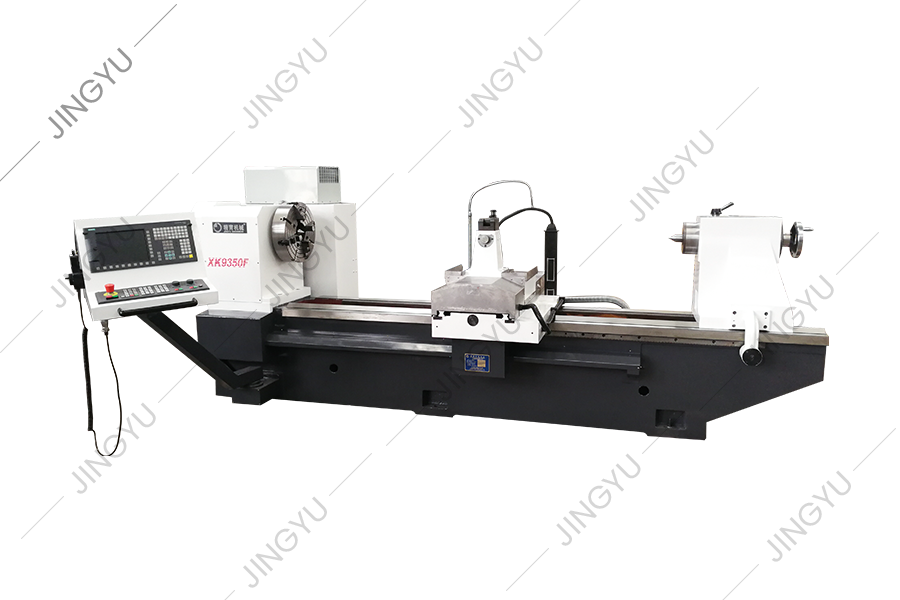
XK9350 series CNC rebar roll crescent groove milling machine is the upgraded product of XK500 type, which is suitable for processing rolls with diamet...
See Details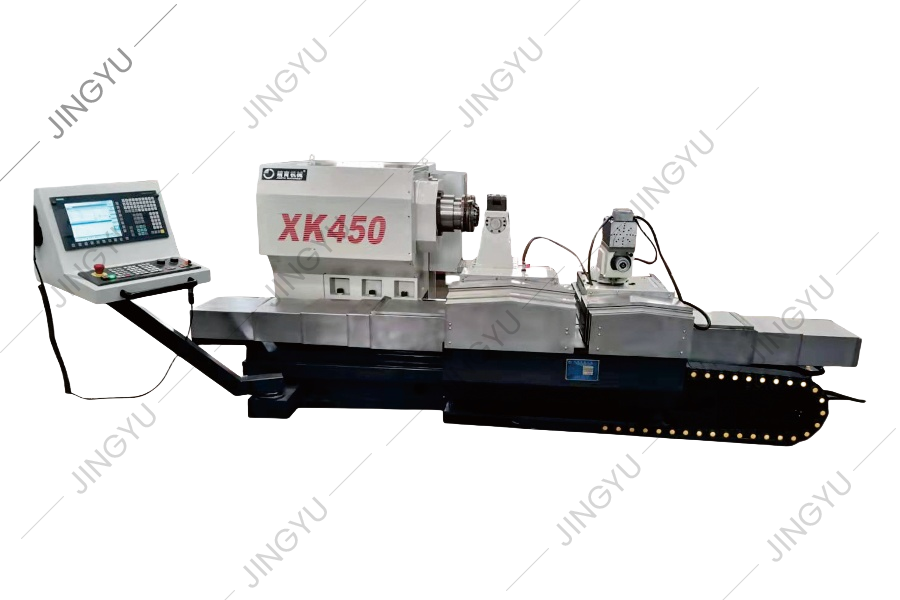
We have accumulated rich experience in the processing and use of rebar rolls, and have conducted in-depth analysis and research on the technology of s...
See Details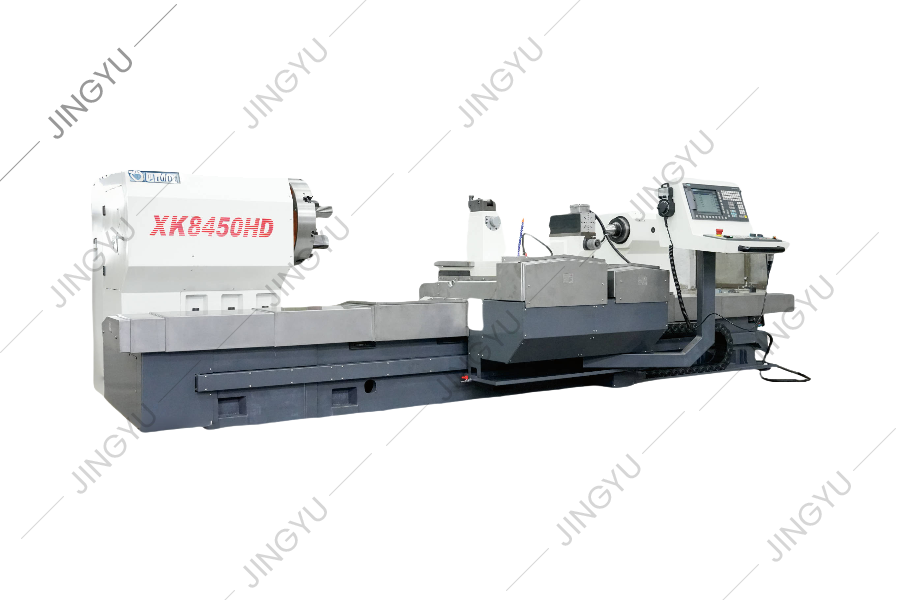
In view of the problems of high-speed steel roll processing, the XK8450 CNC roll milling machine is a new type of CNC roll groove processing machine t...
See Details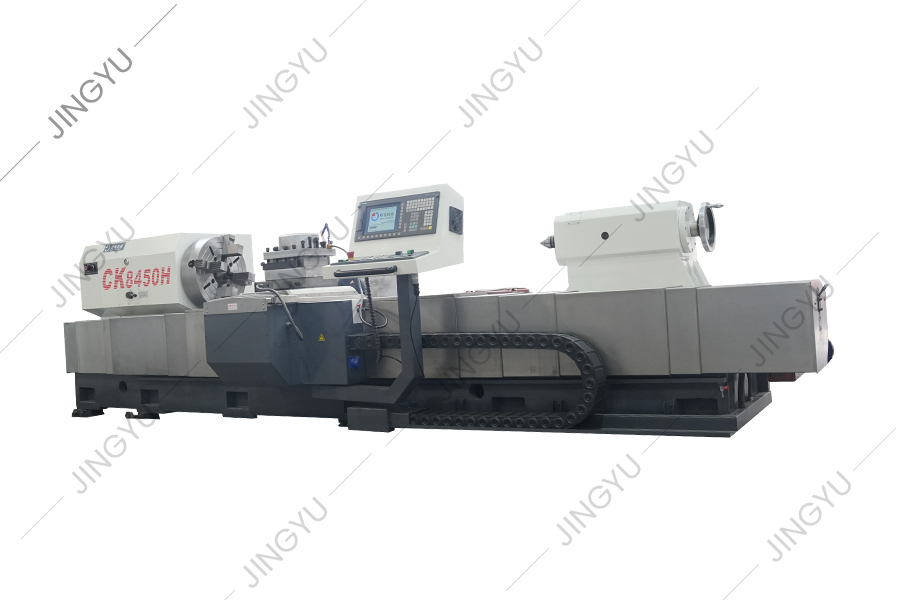
This series of machine tools is mainly used to pass and process rolls. It can also turn the outer circle and roll neck of rolls, and can also turn par...
See Details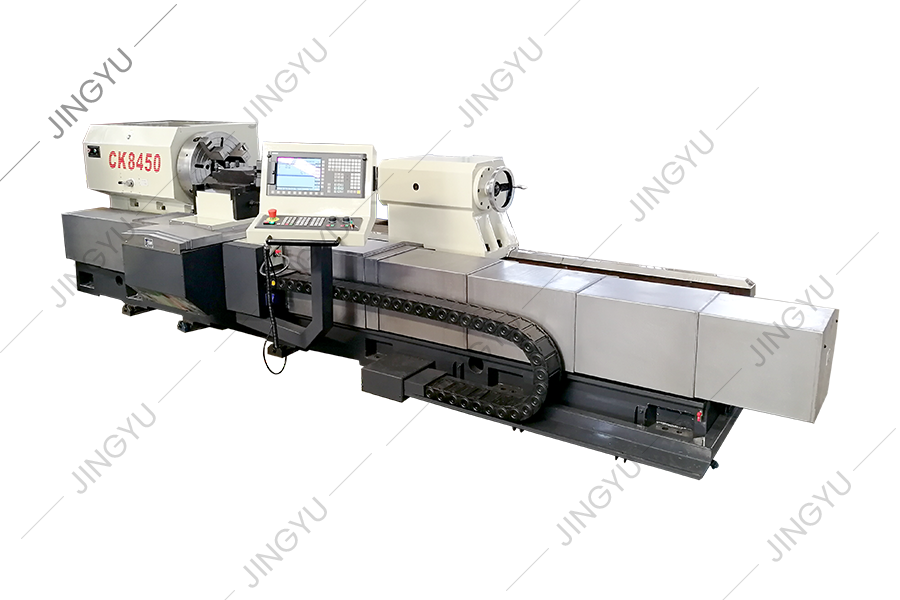
This series of machine tools is mainly used to pass and process rolls. It can also turn the outer circle and roll neck of rolls, and can also turn par...
See Details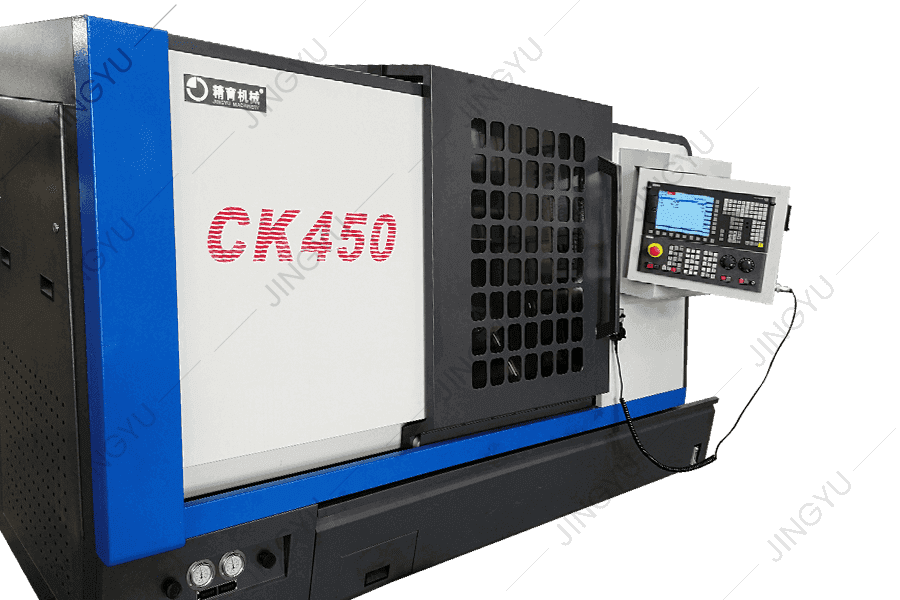
The CK450 inclined bed CNC lathe adopts the German Siemens control system. The appearance, operating system, and safety protection system of the machi...
See Details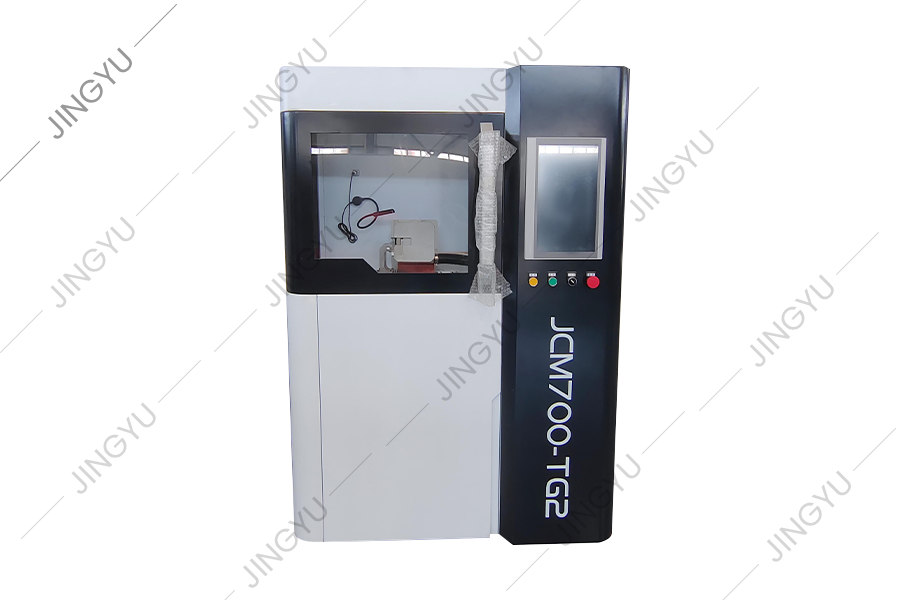
This machine is mainly used for grinding and repairing the milling cutter of roll threaded cross rib, which can easily repair and grind the edge of re...
See Details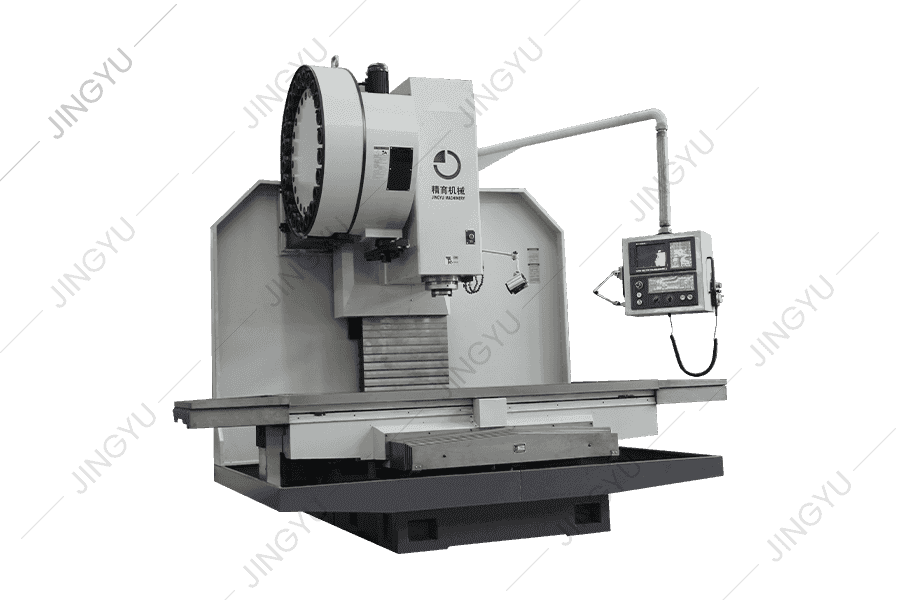
All three axes of the machine are P3-level 50×P10 ball screws, and the assembly process of 2-end fixed pretension is used to strengthen the axial rigi...
See Details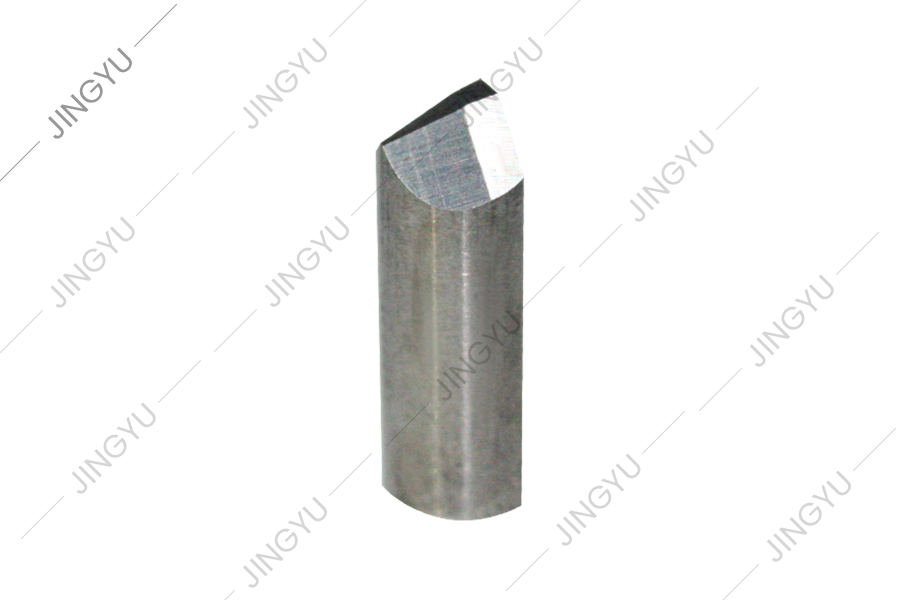
This series is mainly for CNC crescent groove milling machines to provide common-wearing parts, such as milling tool holders, milling cutters, support...
See Details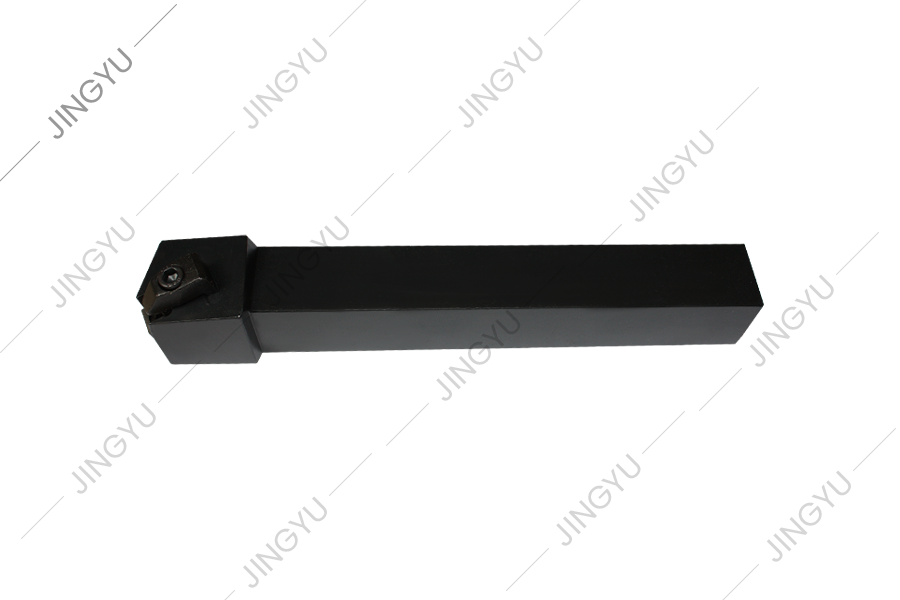
This series mainly provides common-wearing parts for CNC roll lathes, such as CBN blades, PCD blades, chucks, screws, etc.
See DetailsNo.3, Xinghe Road, Zhaxi Industrial Park, Chongchuan District, Nantong, Jiangsu Province, 226003, P.R.China
info@rolllathe.com jennifergao@rolllathe.com
+86-513-85636116
Copyright © Nantong Jingyu Machinery Co., Ltd. All Rights Reserved
 China Roll Turning Lathe Manufacturers
