


 English
 русский
 عربى
عربى
Cat:CNC Roll Milling Machine
Heavy Duty CNC Milling Machine
In view of the problems of high speed steel roll processing, XK8450 CNC roll milling machine is a new type of CNC roll groove processing machine tool ...
See DetailsOwning a CNC roller grinder makes financial sense once a shop grinds more than roughly 60 to 80 rolls a year; below that volume, outsourcing to a specialized grinding service is usually cheaper. That single break-even number drives most of the buy-versus-outsource decision, but turnaround time, quality control, and how sensitive your roll specifications are also weigh heavily on which route makes sense for a given operation.
A production line that stops because a roll is out of round is rarely cheap. Every hour a paper machine, rolling mill, or printing press sits idle waiting on a reground roll costs real money — often more than the grinding job itself. That single fact is why so many mid-size and large operations eventually buy a CNC roller grinder rather than continuing to send rolls out.
Outsourcing still makes sense in plenty of cases. A shop that only needs three or four rolls reground a year rarely justifies the six-figure capital cost, floor space, and skilled labor a CNC roll grinding machine requires. The decision usually comes down to volume, turnaround urgency, and how proprietary the roll specifications are.
| Scenario | In-House CNC Roller Grinder | Outsourced Grinding Service |
| Emergency roll regrind | Same day to 24 hours | 3 to 10 days including transport |
| Scheduled maintenance regrind | Fits directly into production calendar | Depends on vendor backlog and shipping |
| Roll transport risk | None — roll never leaves the plant | Damage or handling risk during shipping |
| Peak season capacity | Fixed by owned machine capacity | Vendor queue can stretch lead times further |
For a mill running three shifts, a spare roll grinding cycle measured in days rather than weeks can be the difference between a scheduled maintenance window and an unplanned production stoppage. Shops with heavy, oversized rolls — beyond 8 meters or 20 tons — face an added complication with outsourcing: transporting a roll that size safely can itself take a full day and requires specialized rigging, on top of the vendor's own queue time.
| Cost Category | Approximate Range |
| New CNC roll grinding machine (mid-size) | $250,000 – $800,000+ |
| Annual maintenance and calibration | 2% to 4% of machine cost |
| Grinding wheel consumables per year | $8,000 – $25,000 depending on volume and wheel type |
| Operator training and certification | $3,000 – $10,000 initial, ongoing refreshers |
| Outsourced regrind, mid-size roll | $1,500 – $6,000 per roll, plus transport |
Running the math on 100 rolls a year at an average outsourced cost of $3,000 per roll puts annual outsourcing spend around $300,000 — before factoring in transport delays and the production downtime those delays cause. A mid-range CNC roller grinder at $400,000, amortized over eight to ten years plus consumables, often lands well below that figure once volume clears the break-even threshold.
Whether the work stays in-house or goes to a vendor, the same technical bar applies. A properly specified CNC roll grinding machine should reliably deliver:
Any vendor or machine that can't document these figures with real measurement data — not just a spec sheet — is worth questioning before committing to a contract or a purchase.
This is a factor high-value buyers raise more often than it might seem. Roll crown profiles, surface finish requirements, and grinding programs can represent years of process tuning — effectively proprietary process knowledge. Sending that data to an outside grinding service means sharing it with a third party, and in competitive industries like specialty paper or precision printing, some operations treat those profiles as closely guarded as a trade secret. Owning a CNC roller grinder keeps that programming data entirely in-house, stored on the shop's own machine controller rather than a vendor's system.
Running a CNC roll grinding machine well requires a different skill set than manual grinding did. Programming crown and taper profiles, managing wheel dressing cycles, and interpreting in-process gauging data calls for an operator comfortable with CNC controls, not just grinding technique. Most shops budget for:
Not every roll justifies capital investment, but certain categories tip the decision strongly toward ownership:
A few practical signals tend to show up before the break-even math is even run: outsourced grinding invoices climbing past six figures annually, recurring production delays tied to vendor turnaround, spare roll inventory growing just to buffer against unpredictable outsourced lead times, or a shop increasingly turning down orders because roll availability has become the bottleneck. Any one of these on its own is worth a cost review; two or more together usually means it's time to price out a dedicated CNC roller grinder.
Most operations reach break-even somewhere between 60 and 80 regrinds a year, though the exact number shifts with roll size, transport distance to a vendor, and how urgent turnaround needs to be.
Buyers should expect diameter tolerances around ±0.0002 inches (roughly 5 microns), with roundness held to just a few microns on precision applications like anilox or chill rolls, backed by documented measurement data rather than spec-sheet claims alone.
A reputable grinding service using modern CNC roll grinding machines can match in-house accuracy. The bigger differences are usually turnaround time, transport risk for large rolls, and confidentiality of proprietary crown and taper profiles.
Beyond traditional grinding knowledge, operators need comfort with CNC programming, crown and taper profile setup, and interpreting in-process gauging data — typically covered through one to two weeks of vendor-led training when the machine is installed.
Shops grinding rolls regularly typically see payback within two to four years, once savings from reduced scrap, faster turnaround, and eliminated outsourcing fees are weighed against purchase price, consumables, and training costs.
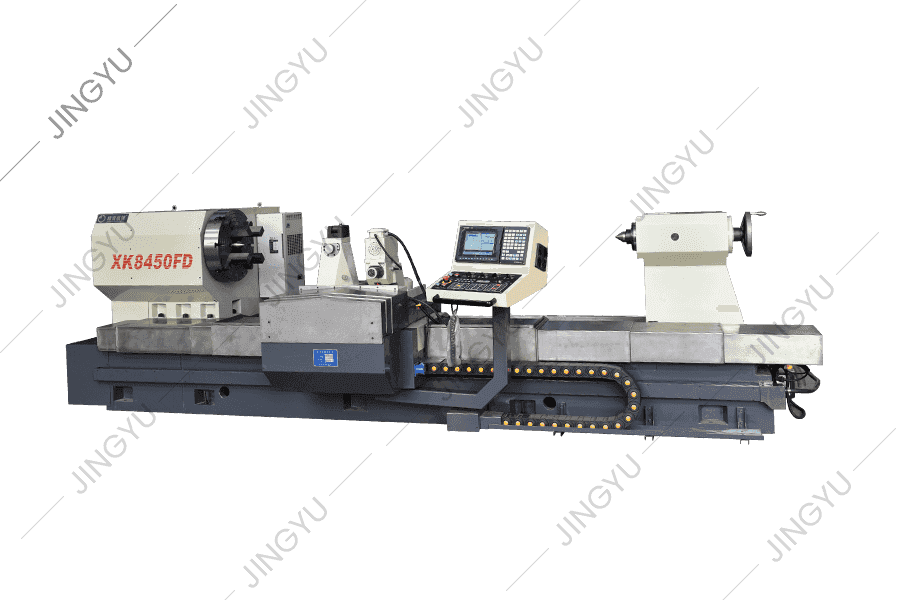
In view of the problems of high speed steel roll processing, XK8450 CNC roll milling machine is a new type of CNC roll groove processing machine tool ...
See Details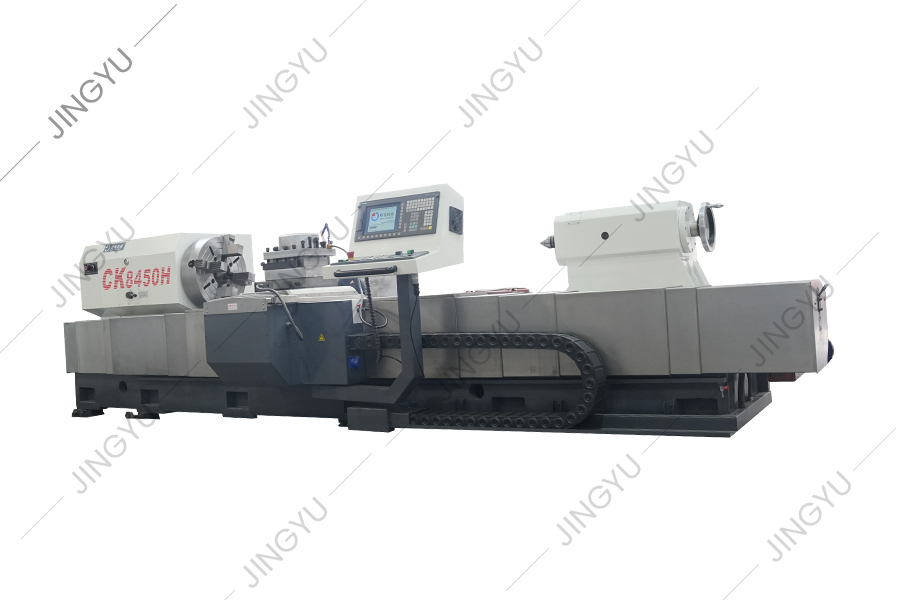
This series of machine tools is mainly used to pass and process rolls. It can also turn the outer circle and roll neck of rolls, and can also turn par...
See Details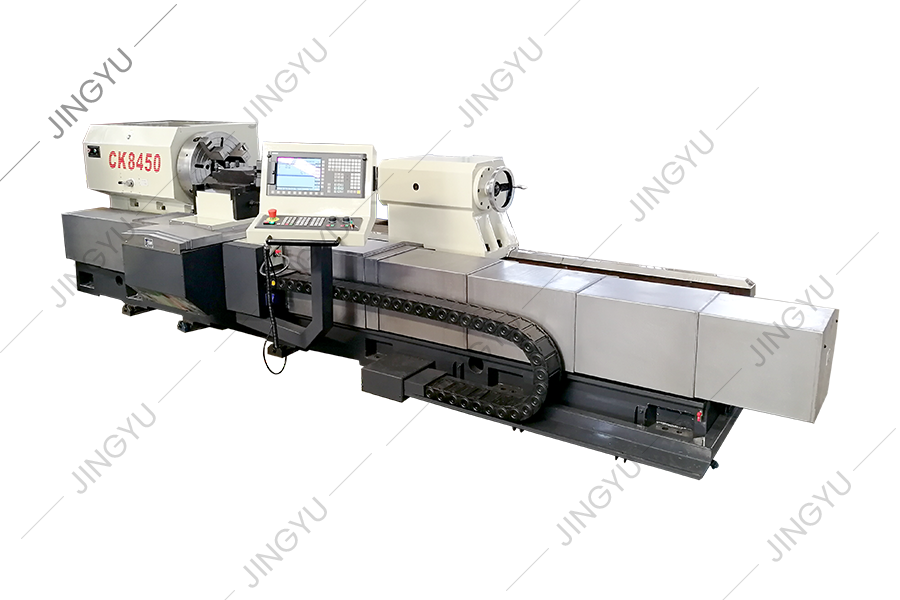
This series of machine tools is mainly used to pass and process rolls. It can also turn the outer circle and roll neck of rolls, and can also turn par...
See Details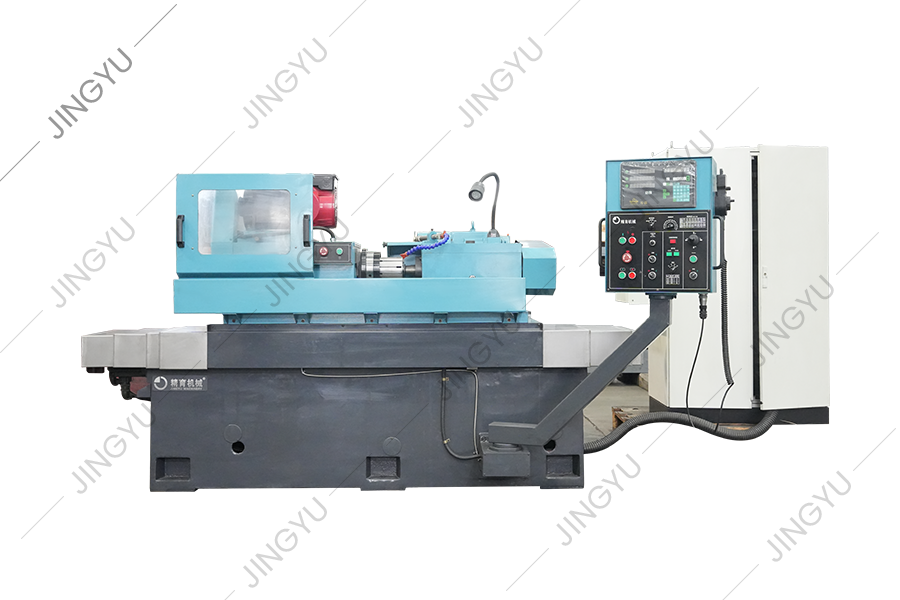
The roll ring forming grinder is mainly used for grinding tungsten carbide roller rings for high-speed wire rod production. The formed diamond grindin...
See Details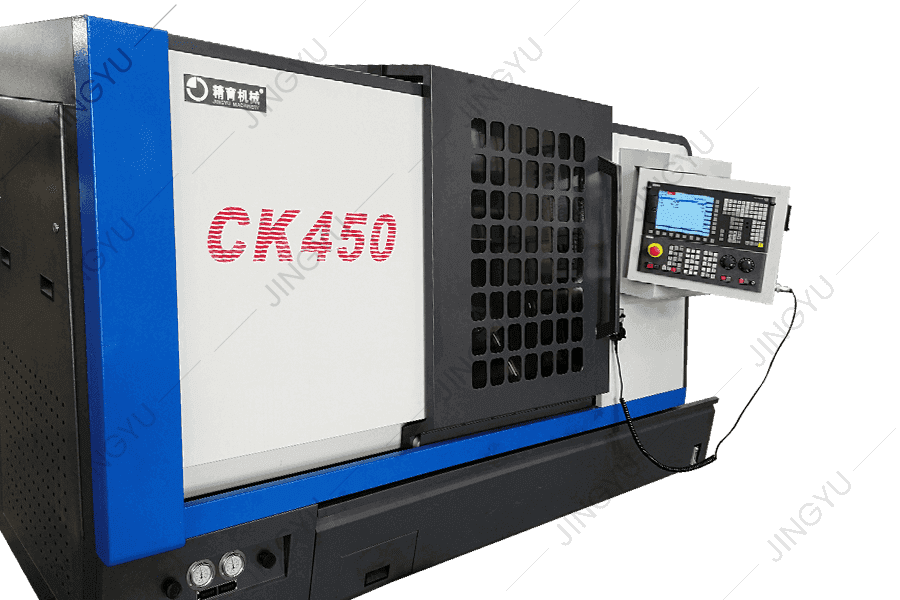
The CK450 inclined bed CNC lathe adopts the German Siemens control system. The appearance, operating system, and safety protection system of the machi...
See Details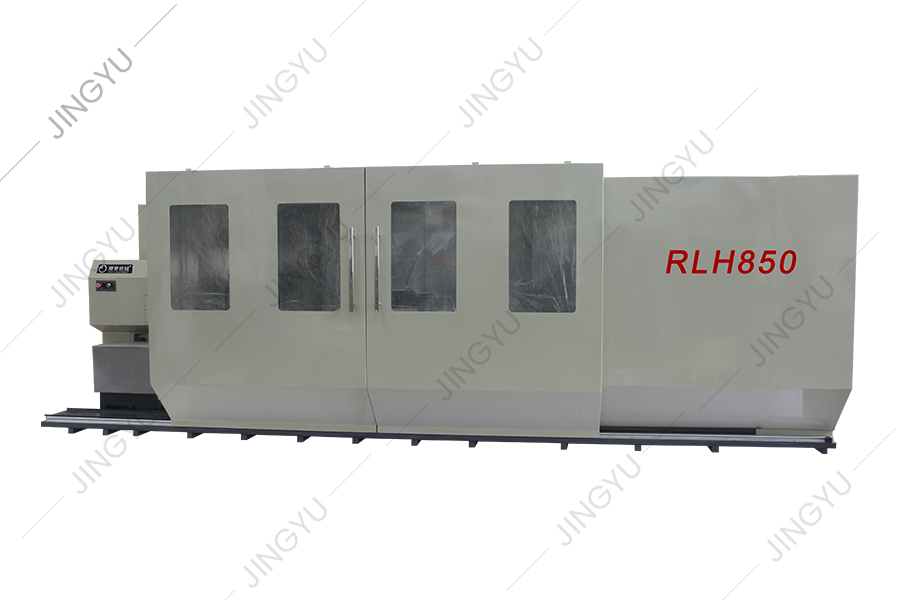
This machine tool is a new type of CNC roll grooving machine tool developed based on the company's CNC roll milling machine series and after full rese...
See Details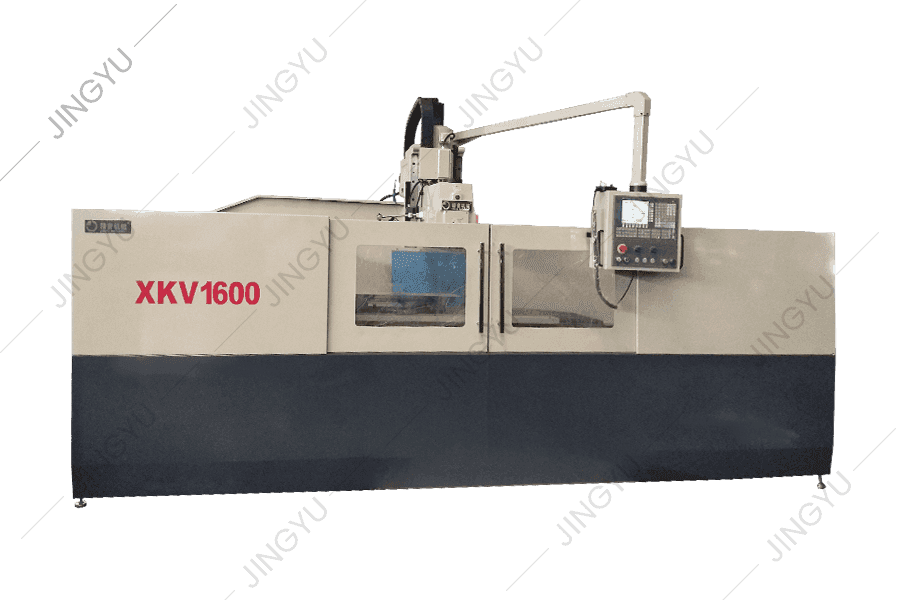
The CNC-reinforced milling machine adopts a full-gear spindle box, and the spindle transmission part adopts gears with precision of more than 6 levels...
See Details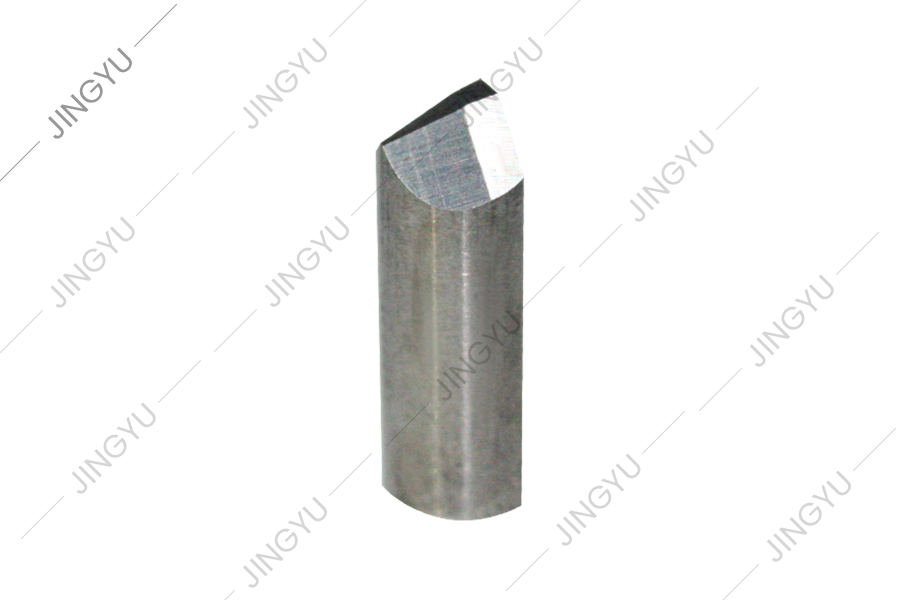
This series is mainly for CNC crescent groove milling machines to provide common-wearing parts, such as milling tool holders, milling cutters, support...
See Details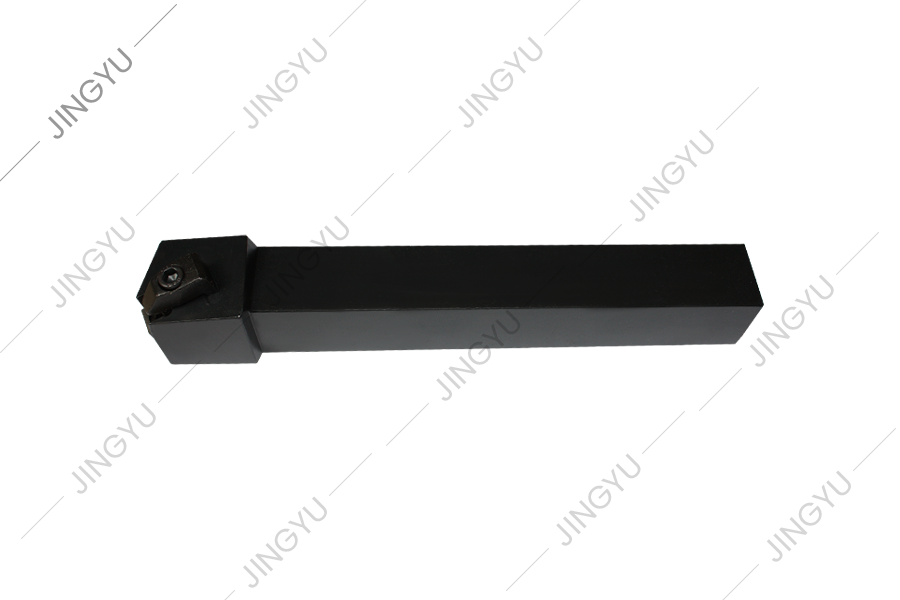
This series mainly provides common-wearing parts for CNC roll lathes, such as CBN blades, PCD blades, chucks, screws, etc.
See Details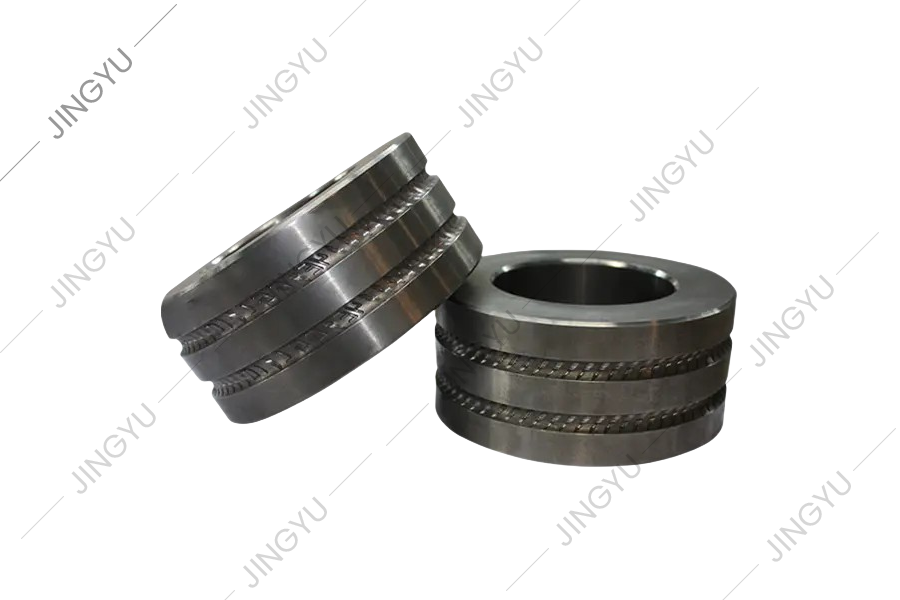
This series mainly provides common-wearing parts for CNC TC ring grinding machines and composite roll grinding machines, such as mandrels, dynamic and...
See DetailsNo.3, Xinghe Road, Zhaxi Industrial Park, Chongchuan District, Nantong, Jiangsu Province, 226003, P.R.China
info@rolllathe.com jennifergao@rolllathe.com
+86-513-85636116
Copyright © Nantong Jingyu Machinery Co., Ltd. All Rights Reserved
 China Roll Turning Lathe Manufacturers
