


 English
 русский
 عربى
عربى
Cat:CNC Roll Milling Machine
Automatic CNC Roll Milling Machine
In view of the problems of high-speed steel roll processing, the XK8450 CNC roll milling machine is a new type of CNC roll groove processing machine t...
See DetailsCore Evaluation Conclusion: Selecting the optimal CNC roll milling machine requires balancing structural rigidity against spindle power and multi-axis interpolative capabilities. Heavy-duty CNC roll milling systems engineered with high-rigidity cast-iron beds and high-torque mechanical gearboxes deliver maximum metal removal rates when processing ultra-hard tungsten carbide or high-chromium steel rolls (HSD 75–95). Conversely, lightweight to medium-duty CNC roll milling machines offer faster rapid traverse rates, superior energetic efficiency, and lower capital expenditure, making them ideal for re-notching rebar rolls and processing softer cast iron alloys in regional roll shops.
In hot rolling mills, section mills, and rebar manufacturing facilities, work rolls undergo continuous thermal shock, extreme mechanical loading, and surface abrasion. Reconditioning these massive cylindrical components requires specialized machine tool engineering. A modern CNC roll milling machine is designed to mill pass grooves, notch rebar rib profiles, and perform complex branding or sequence engraving directly into hardened roll surfaces.
The primary architectural distinction within this machine class lies between heavy-duty gantry or box-way beds and standard linear-guide CNC roll milling systems. Heavy-duty configurations prioritize static mass, vibration damping, and dynamic stiffness to resist massive cutting forces during heavy roughing cuts on high-hardness materials. Standard systems utilize high-speed linear motion guide components, prioritizing axis acceleration and rapid repositioning to minimize non-cutting cycle times during light-duty re-notching tasks.
Evaluating capital equipment for steel mill roll shops requires analyzing quantitative mechanical specifications. Dynamic load capacity, positioning accuracy, spindle torque curves, and tailstock loading limits directly dictate the productivity and service life of a CNC roll milling machine.
| Engineering Specification | Heavy-Duty CNC Roll Milling Machine | Standard CNC Roll Milling Machine |
| Maximum Roll Weight Capacity | 10,000 kg – 50,000+ kg | 1,500 kg – 8,000 kg |
| Spindle Motor Power Rating | 30 kW – 60 kW (Continuous Duty) | 15 kW – 25 kW |
| Peak Spindle Torque Output | 1,500 Nm – 4,500+ Nm | 300 Nm – 900 Nm |
| Target Workpiece Hardness | HSD 70 – HSD 95 (HS 100 Tungsten Carbide) | HSD 45 – HSD 70 |
| Positional / Repeatability Accuracy | ±0.008 mm / ±0.004 mm | ±0.005 mm / ±0.0025 mm |
| Rapid Traverse Speed (X/Z Axes) | 6,000 – 10,000 mm/min | 15,000 – 24,000 mm/min |
| Machining Process Capability | Pass Milling, Heavy Notching, Engraving | High-Speed Notching, Marking, Light Pass Dressing |
The financial viability of a roll shop relies heavily on reducing total tool cost per machined roll pass. Machining materials like composite tungsten carbide (WC) roll rings or high-speed steel (HSS) rolls presents distinct tribological challenges that test the limits of cutter geometry and machine rigidity.
When a CNC roll milling machine cuts rebar transverse crescent notches into ultra-hard tungsten carbide rings, the cutting tool experiences cyclic mechanical impacts. On flexible or lightweight machinery, micro-deflections in the spindle or machine bed generate chatter. This chatter causes premature chipping of expensive polycrystalline cubic boron nitride (PCBN) or custom diamond-coated carbide inserts.
In comparative steel mill roll shop testing, milling rebar pass crescent notches into HSD 88 composite tungsten carbide rolls on a heavy box-way CNC roll milling machine yielded an average insert tool life of 420 notches per cutting edge. The same cutter head operated on a lighter linear-guide system with equivalent spindle speed and feed rate suffered edge micro-chipping after just 160 notches. The high structural damping of the box-way bed absorbed impact energy, extending tool life by 162% and significantly lowering consumable costs.
In addition, high-torque spindle drives allow the CNC roll milling machine to run larger diameter indexable notch cutters at optimal surface speeds ($V_c$) with higher feed rates per tooth ($f_z$). This maximizes metal removal rates (MRR) without causing thermal degradation to the roll body metal structure.
Modern metalworking facilities require advanced software and sensor integration to eliminate human setup errors and maintain exact international standard compliance for rebar rib profiles (such as ASTM A615, BS 4449, or DIN 488).
Roll milling operations generate substantial localized heat, particularly during dry milling of hardened alloy rolls using ceramic or CBN tooling. Uncontrolled thermal expansion shifts the center height of the spindle and tailstock, leading to runout errors and uneven pass geometry along the roll length.
To maintain structural stability over long machining cycles, premium CNC roll milling machine models integrate active thermal mitigation features:
Selecting the right CNC roll milling machine architecture depends on aligning current roll shop throughput demands, budget limits, and workpiece materials. Operational leadership can utilize the operational decision guide below during capital equipment evaluation.
Opt for a Heavy-Duty CNC Roll Milling Machine when:
Opt for a Standard / Compact CNC Roll Milling Machine when:
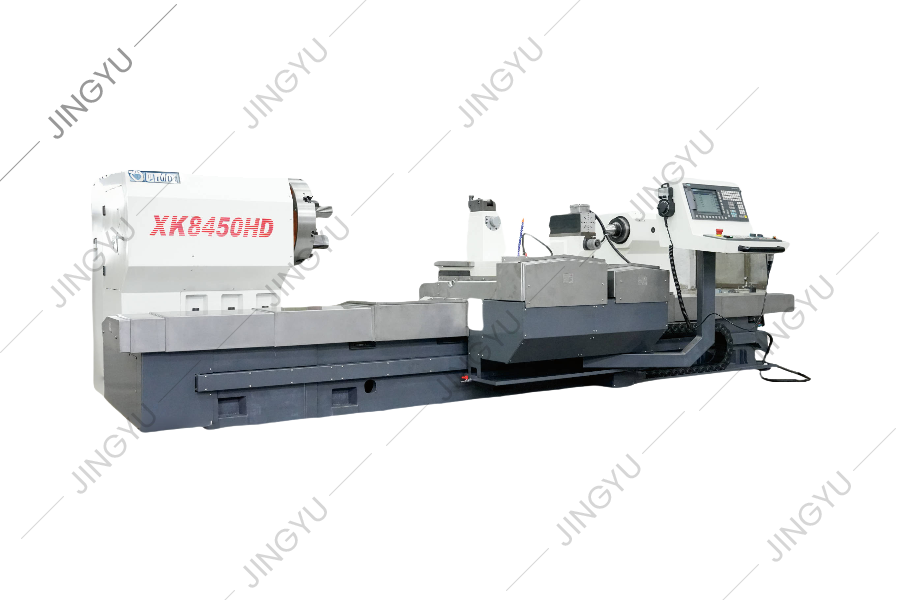
In view of the problems of high-speed steel roll processing, the XK8450 CNC roll milling machine is a new type of CNC roll groove processing machine t...
See Details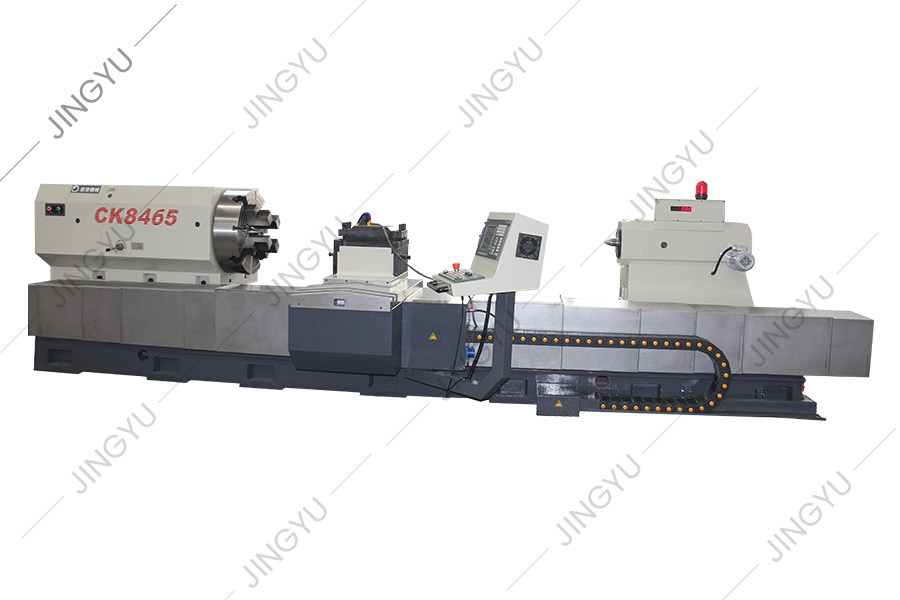
CK8465H CNC roll lathe bed adopts a 2+3 heavy-duty linear rolling guide structure, that is, two rectangular guide rails arranged horizontally on the b...
See Details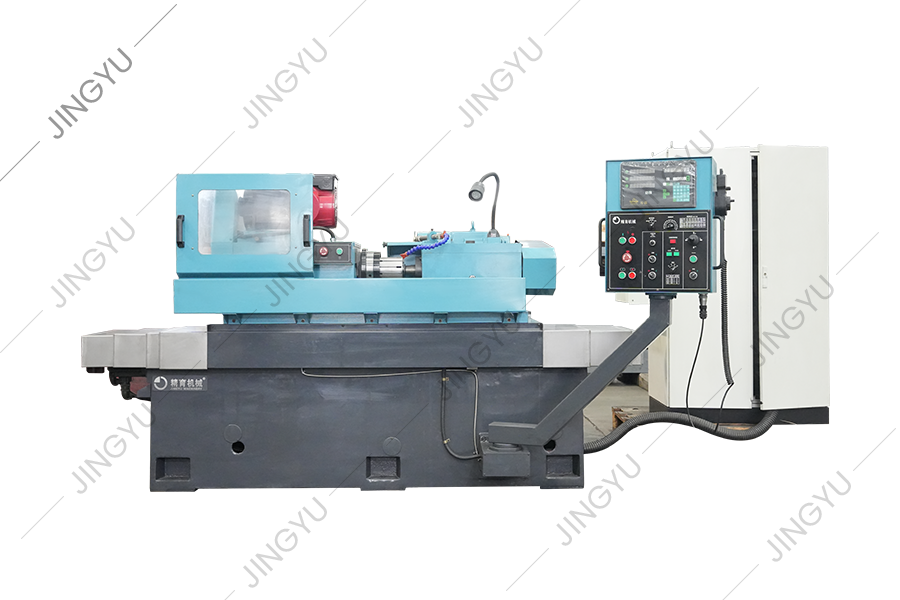
The roll ring forming grinder is mainly used for grinding tungsten carbide roller rings for high-speed wire rod production. The formed diamond grindin...
See Details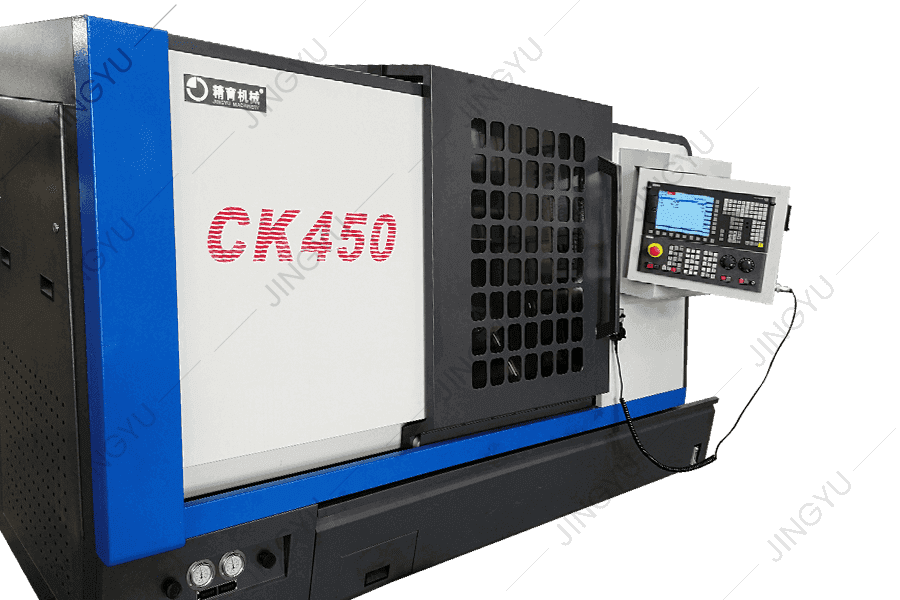
The CK450 inclined bed CNC lathe adopts the German Siemens control system. The appearance, operating system, and safety protection system of the machi...
See Details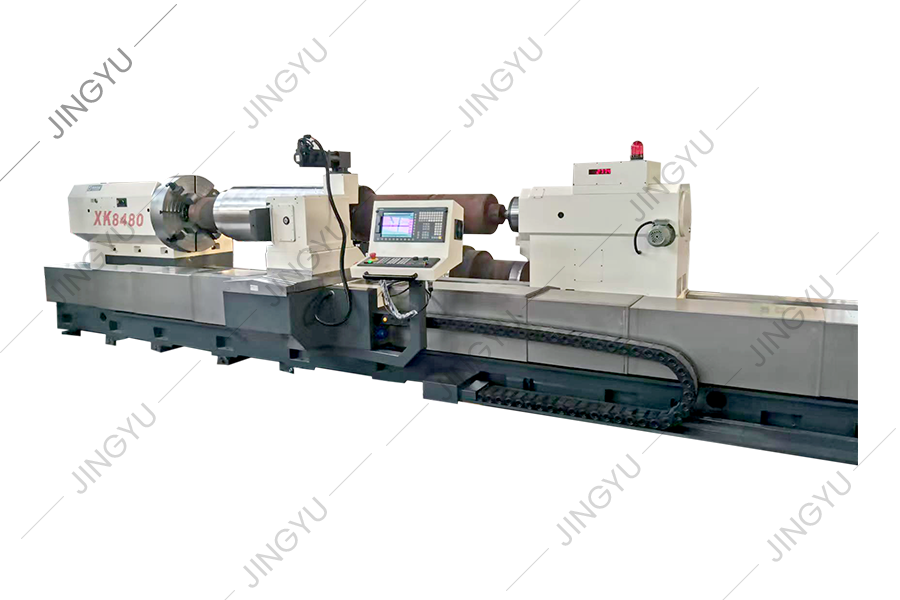
At present, pattern roll engraving at home and abroad generally adopts electrolysis method, ordinary horizontal milling machine milling and other proc...
See Details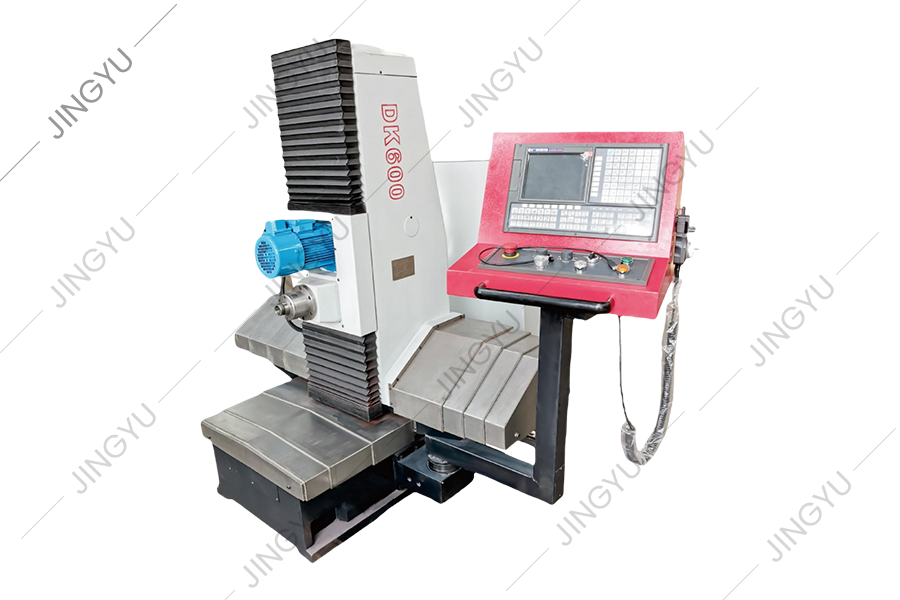
CNC roll engraving machine is suitable for processing various roll end face markings. Through the automatic editing software, it can generate processi...
See Details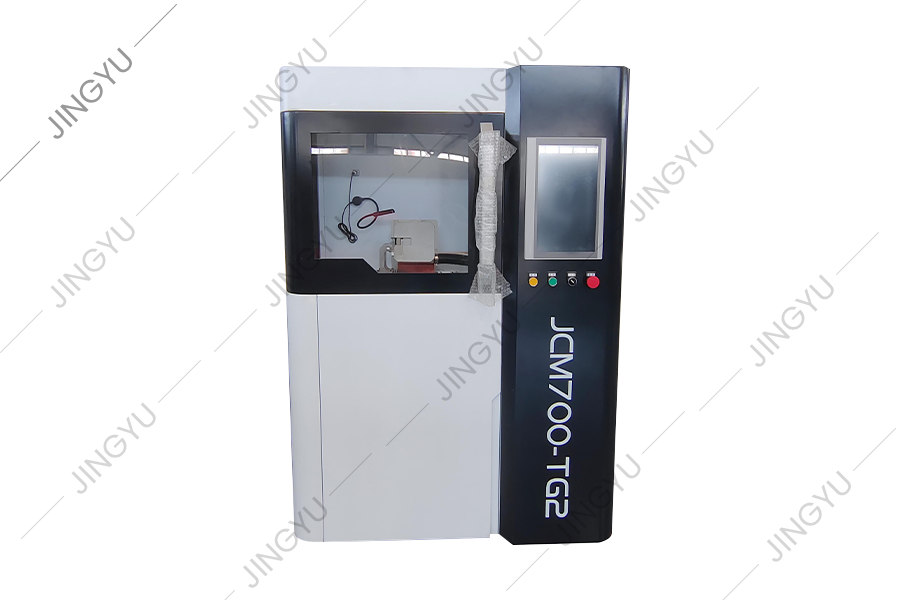
This machine is mainly used for grinding and repairing the milling cutter of roll threaded cross rib, which can easily repair and grind the edge of re...
See Details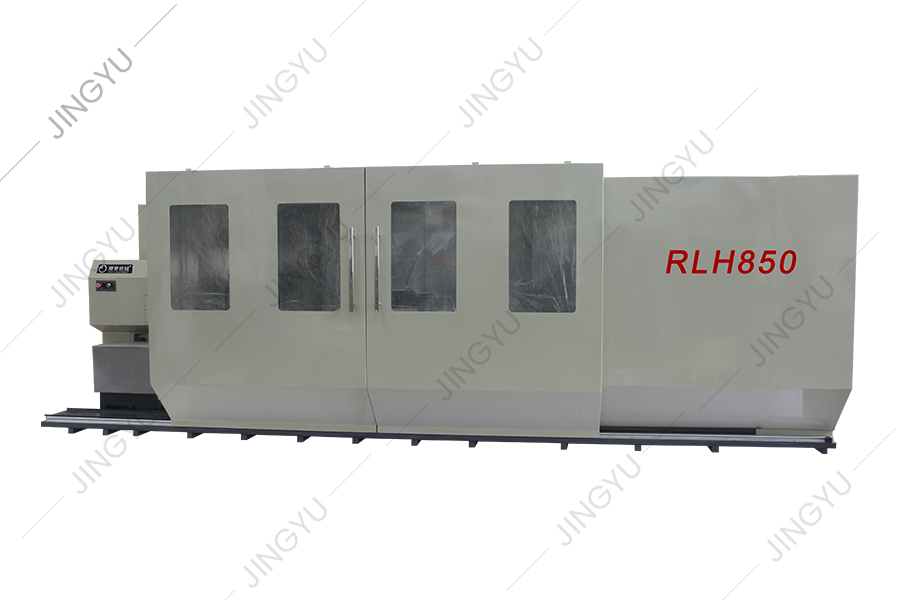
This machine tool is a new type of CNC roll grooving machine tool developed based on the company's CNC roll milling machine series and after full rese...
See Details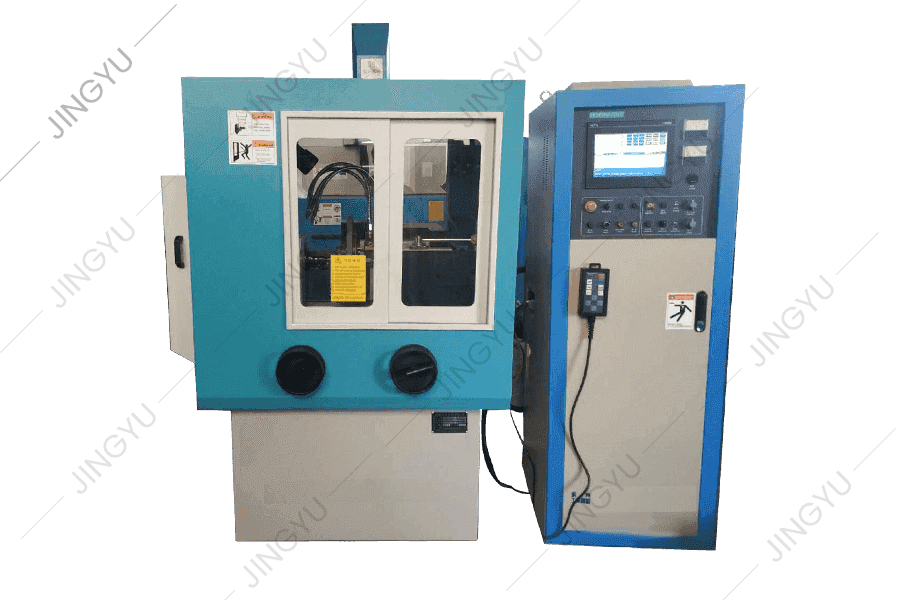
MX250 is a standard diamond wheel dressing machine, used for forming and dressing diamond wheels for metallurgical steel mills. The diameter of diamon...
See Details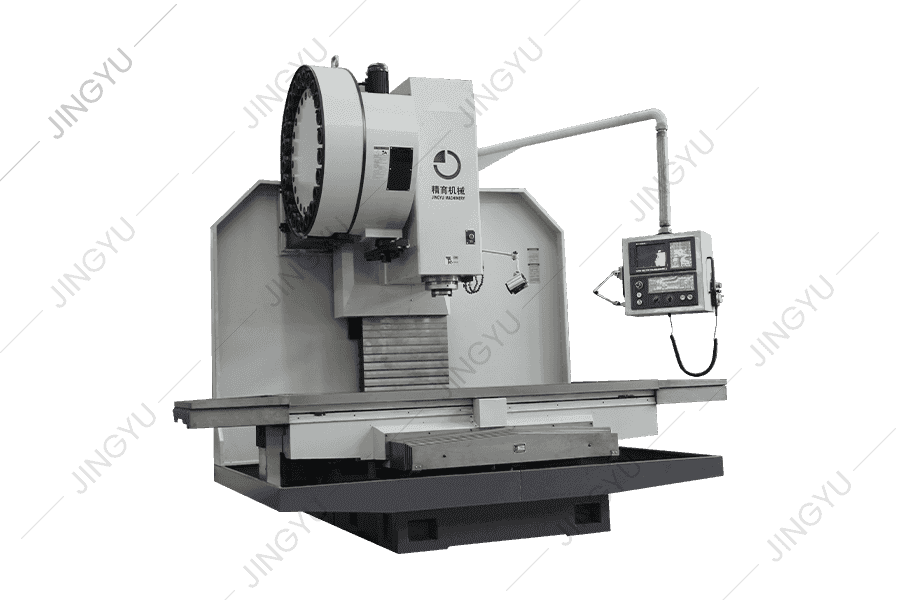
All three axes of the machine are P3-level 50×P10 ball screws, and the assembly process of 2-end fixed pretension is used to strengthen the axial rigi...
See DetailsNo.3, Xinghe Road, Zhaxi Industrial Park, Chongchuan District, Nantong, Jiangsu Province, 226003, P.R.China
info@rolllathe.com jennifergao@rolllathe.com
+86-513-85636116
Copyright © Nantong Jingyu Machinery Co., Ltd. All Rights Reserved
 China Roll Turning Lathe Manufacturers
