


 English
 русский
 عربى
عربى
Cat:CNC Roll Milling Machine
CNC Roll Ring Milling Machine
We have accumulated rich experience in the processing and use of rebar rolls, and have conducted in-depth analysis and research on the technology of s...
See DetailsWalk into any machine shop, and the lathe is the workhorse that turns raw bar stock into shafts, bushings, and precisely sized components. Yet the gap between a clean cut and a scrapped workpiece is rarely about raw power. It is about method. Operating a lathe safely and accurately comes down to a repeatable sequence: inspect the machine, mount the workpiece securely, set the tool on center, select a realistic speed and feed, and then make a controlled first cut. A new operator should also know the lathe’s swing and distance between centers; trying to machine work beyond those limits invites vibration and tool failure. Master the basic sequence, and every operation that follows—facing, turning, grooving, and parting—becomes a matter of careful measurement and small adjustments.
Before you touch the controls, check the lathe. Confirm that the chuck jaws are clean and free of chips, the tool post is tight, and the ways have a light film of oil. Make sure the chuck key is removed from the chuck before starting the spindle. This simple habit prevents the most common lathe accident: a chuck key thrown from the rotating assembly. Also verify that the cutting tool is sharp and correctly ground for the material. Check the coolant level if the machine uses coolant, and confirm that the chip pan is not overflowing. Then clear the area around the machine. Loose rags, tools, and raw stock belong on the workbench, not on the lathe bed.
Safety on a lathe is not a list of slogans; it is a set of physical limits. Wear safety glasses at all times. Do not wear gloves, loose sleeves, or jewelry when the spindle is running. Never reach over a rotating workpiece to remove chips; stop the spindle and use a brush. Keep your hands clear of the chuck and the cutting zone. If a workpiece starts to chatter or vibrate, stop the machine and correct the problem rather than pushing through. Never leave the machine running unattended. If you need to check the surface finish or inspect the tool, stop the spindle first. For operators moving from manual to CNC lathes, additional hazards exist, such as programmed rapid moves and automatic tool changes. Practical guidance on improving operating safety on CNC roller lathes covers these situations in more detail.
For most jobs, a three-jaw self-centering chuck is the fastest way to hold round stock. Make sure the workpiece seats fully and the jaws grip on a circular surface, not on corners. Leave only enough material sticking out for the operation; excessive overhang causes deflection and chatter. For long shafts, use a tailstock center or a steady rest to support the far end. For square or irregular blanks, switch to a four-jaw independent chuck and indicate the part true. This adds setup time, but it is the right way to hold non-round material. In heavy-roll applications, workpieces are often too large for a standard chuck, which is why a CNC roll lathe uses reinforced chucks and faceplates designed for high concentricity under heavy loads.
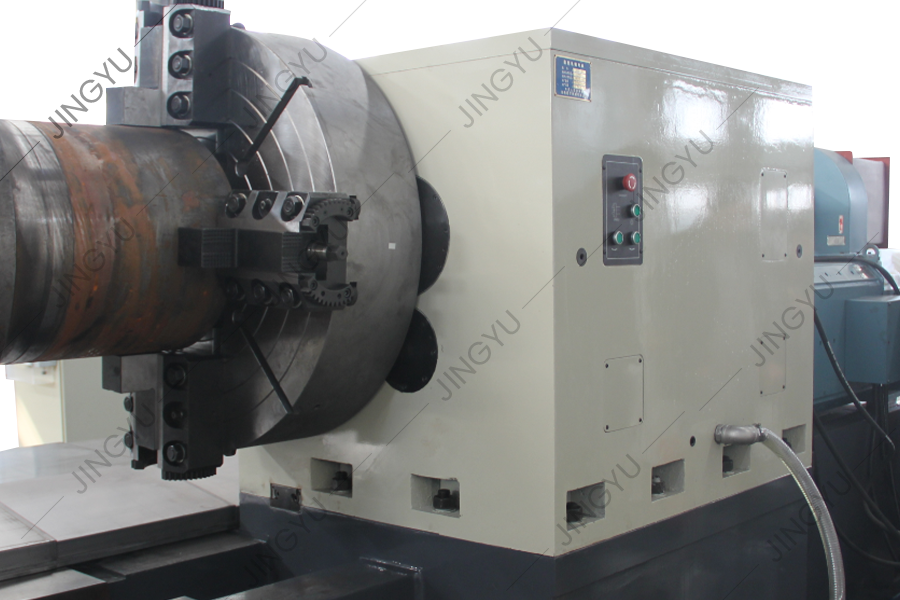 Wholesale Roll lathe Factory, SuppliersNantong Jingyu Machinery Co., Ltd. is China Roll lathe Factory and CNC Roll lathe suppliers, manufacturing wholesale Roll lathe for saleView Product →
The cutting tool must be set with its tip exactly on the spindle centerline. A tool set too high will rub and wear; a tool set too low can cause chatter or dig in. For most turning operations, the tool should approach the work at about a 90-degree side cutting edge angle, with enough front clearance to avoid rubbing. Tighten the tool post firmly, and take a trial cut before committing to the full machining pass.
Three cutting parameters interact to determine the result: spindle speed, feed rate, and depth of cut. In manual turning, spindle speed is often expressed as cutting speed in surface meters per minute. Higher speeds and feeds remove metal faster, but they also raise heat and tool wear. To set the spindle speed, use the formula RPM = (cutting speed × 1000) / (π × workpiece diameter). For a 50 mm mild steel bar at 30 m/min, that works out to roughly 190 RPM. A safe starting point for mild steel with high-speed steel tooling is a cutting speed of 25–35 meters per minute, a feed of 0.1–0.3 millimeters per revolution, and a depth between 0.5 and 2.5 millimeters. The table below gives conservative starting values; adjust based on the actual workpiece and tool condition.
| Operation | Cutting speed (m/min) | Feed (mm/rev) | Depth of cut (mm) |
|---|---|---|---|
| Roughing | 25 | 0.20–0.40 | 1.5–2.5 |
| Finishing | 30–40 | 0.05–0.15 | 0.20–0.50 |
For carbide tooling, cutting speeds can be two to three times higher. The important point is to start conservative, listen to the sound of the cut, and increase parameters only when the machine and tool are stable.
Facing produces a flat, square end on the workpiece. Mount the tool so it can move across the end of the part. With the spindle turning, move the tool from the outside edge toward the center, using a light feed. Take small passes; a final pass with a fine feed leaves a smooth surface.
Straight turning reduces the diameter of the workpiece over a length. Use a right-hand turning tool and feed it from the tailstock end toward the headstock, unless you are cutting up to a shoulder. Take the depth of cut from the diameter, and check the diameter with calipers or a micrometer after each pass to avoid undersize or oversize parts. Cutting fluid should be applied consistently to the cutting edge to carry away heat and improve surface finish.
For grooves, set the tool to the required width and feed it straight in to depth. For a shoulder, machine the larger diameter first, then the smaller diameter, and square up the corner with a small tool. Parting uses a narrow blade fed radially at a low speed with plenty of cutting fluid. In every case, reduce the spindle speed when cutting interrupted surfaces or deep grooves to prevent chatter.
Accurate turning is not a guess. After a trial cut, stop the spindle and measure the diameter with an outside micrometer or caliper. Compare the measurement to the target, then use the cross-slide micrometer collar to add or reduce depth. When you get close to final size, take a very light pass and measure again. If the part is larger at one end than the other, the tailstock is misaligned; adjust the tailstock offset and take another cut. Remember that a freshly cut part can expand from cutting heat; if you need a tight tolerance, let the part cool to room temperature before the final measurement. On CNC lathes, the same principles apply, but the machine uses programmed tool offsets to make size corrections automatically.
On a manual lathe, every decision happens in real time: the operator sets speed, moves the carriage, and reads the dial. A CNC lathe moves much of that responsibility into the program. The operator still mounts the workpiece, sets the tool offsets, and runs the first-piece inspection, but the machine controls the cutting path, feed, and spindle speed consistently. This is particularly valuable for complex profiles and repetitive batches. For shops that turn large or heavy rolls, a high-precision CNC mill-roll lathe can machine contours that would require several manual operations and dedicated form tools. CNC also allows in-process probing and automatic tool compensation, but those features depend on the accuracy of the initial setup. However, the operator’s understanding of cutting fundamentals remains essential; a CNC program cannot fix a dull insert, an insecure workpiece, or a bad offset.
Operating a lathe is not a single skill but a chain of small decisions. Start with a clean machine and a sharp tool, hold the workpiece rigidly, choose sensible speeds, and measure at every step. Whether you run a manual machine or a CNC model, those fundamentals decide whether you produce good parts or scrap. For operators and plant engineers who want to compare machine options, the product information on Nantong Jingyu Machinery provides a practical starting point for evaluating roll lathes, grinders, and milling machines.
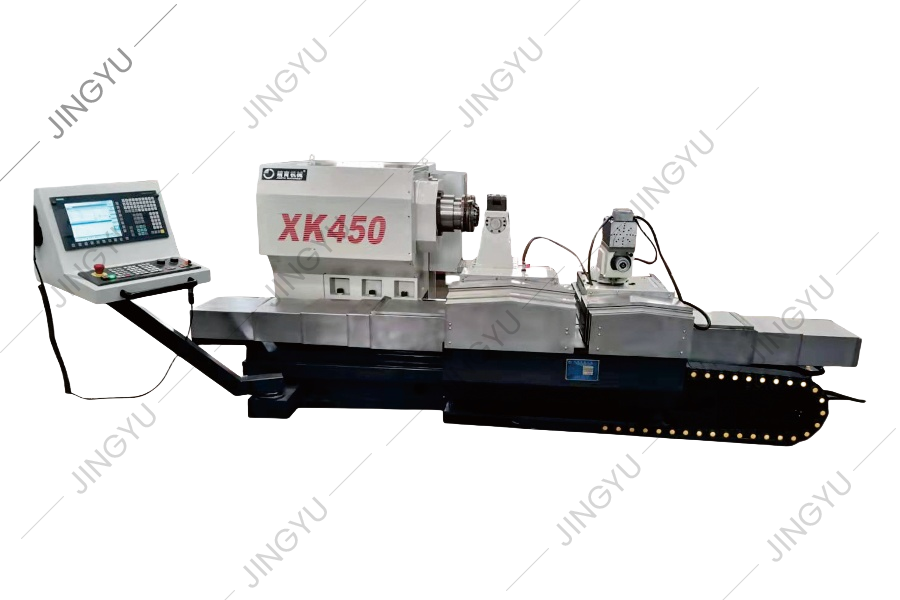
We have accumulated rich experience in the processing and use of rebar rolls, and have conducted in-depth analysis and research on the technology of s...
See Details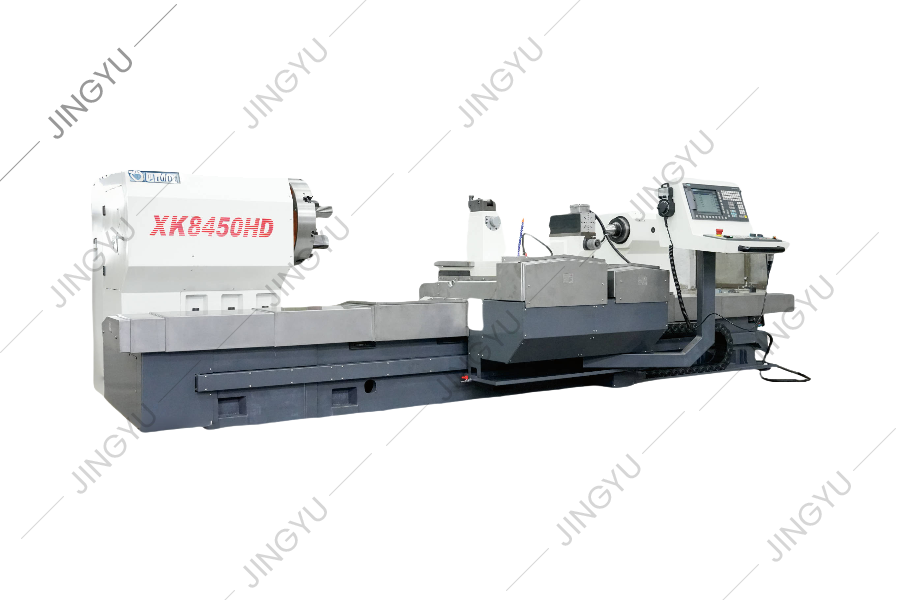
In view of the problems of high-speed steel roll processing, the XK8450 CNC roll milling machine is a new type of CNC roll groove processing machine t...
See Details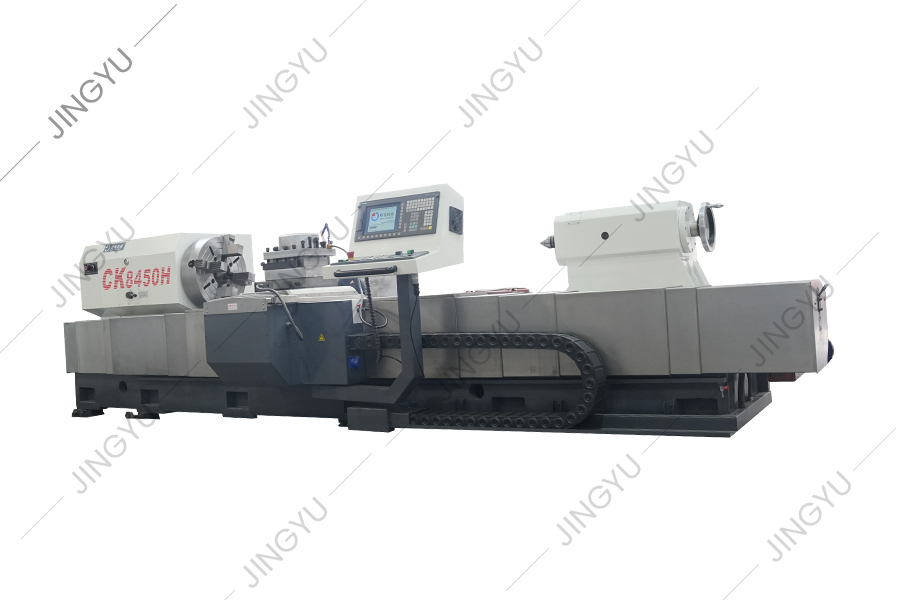
This series of machine tools is mainly used to pass and process rolls. It can also turn the outer circle and roll neck of rolls, and can also turn par...
See Details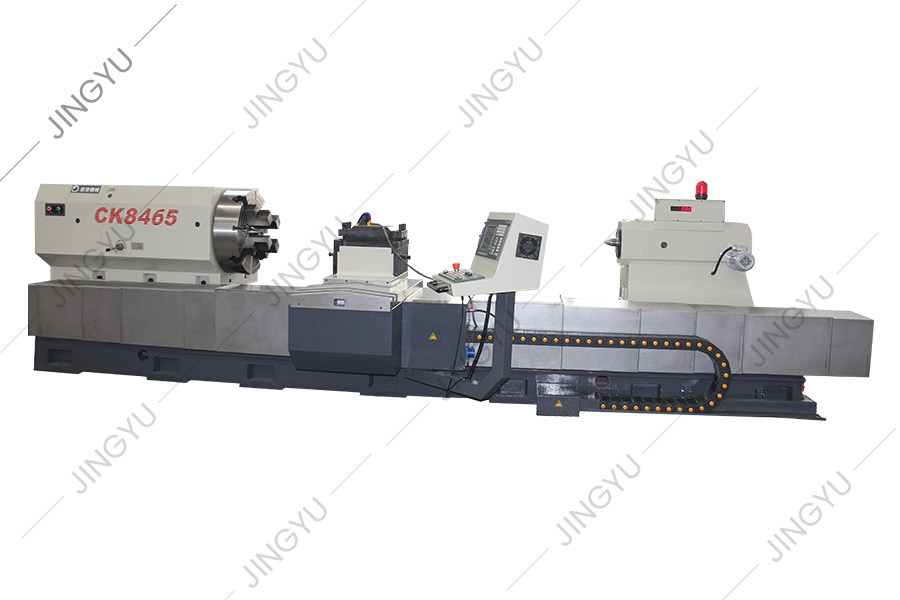
CK8465H CNC roll lathe bed adopts a 2+3 heavy-duty linear rolling guide structure, that is, two rectangular guide rails arranged horizontally on the b...
See Details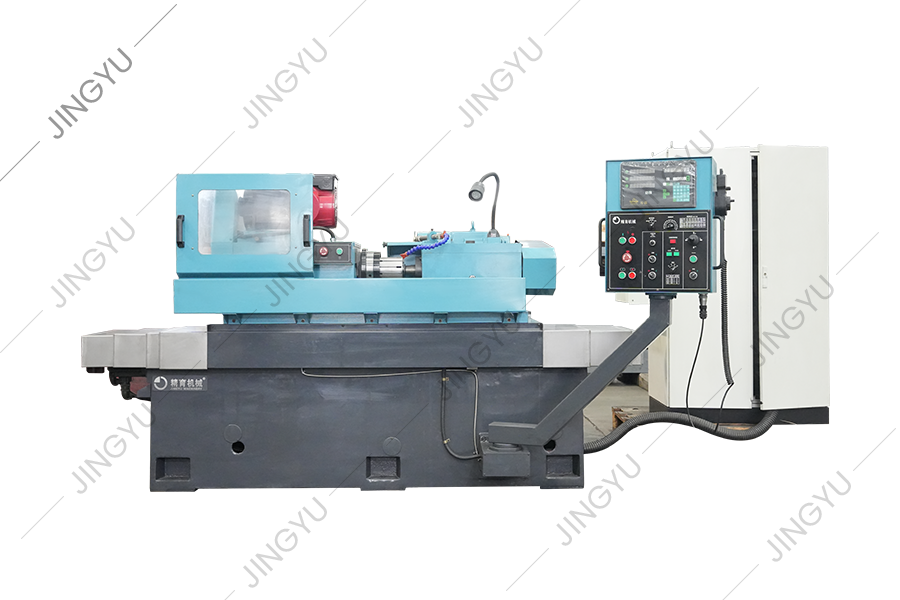
The roll ring forming grinder is mainly used for grinding tungsten carbide roller rings for high-speed wire rod production. The formed diamond grindin...
See Details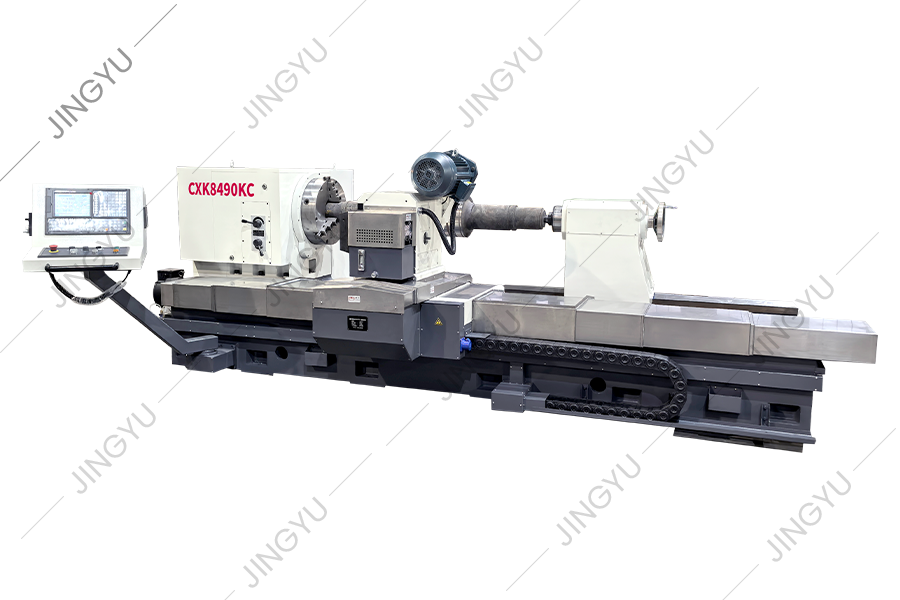
This machine tool is a new type of CNC roll grooving machine tool developed based on the company's CNC roll milling machine series and after full rese...
See Details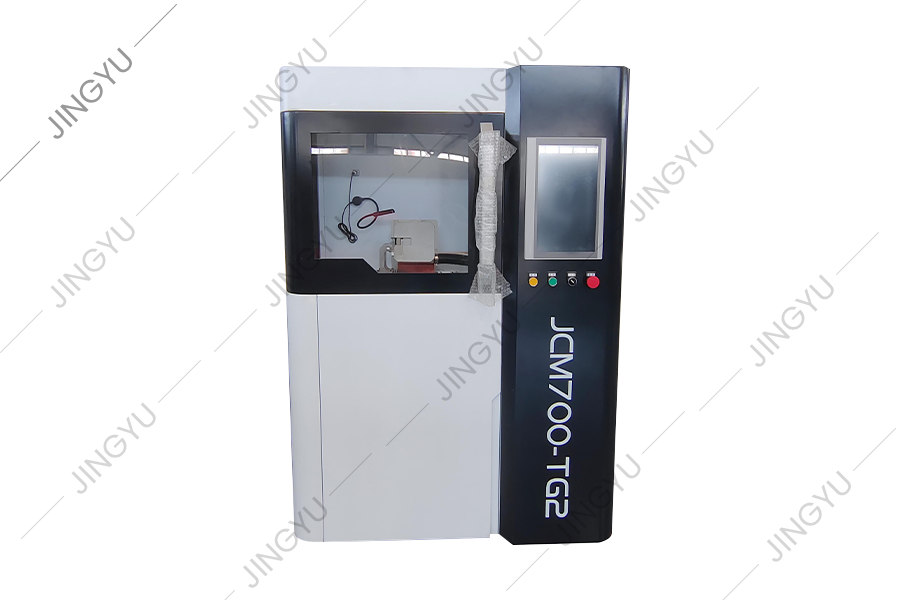
This machine is mainly used for grinding and repairing the milling cutter of roll threaded cross rib, which can easily repair and grind the edge of re...
See Details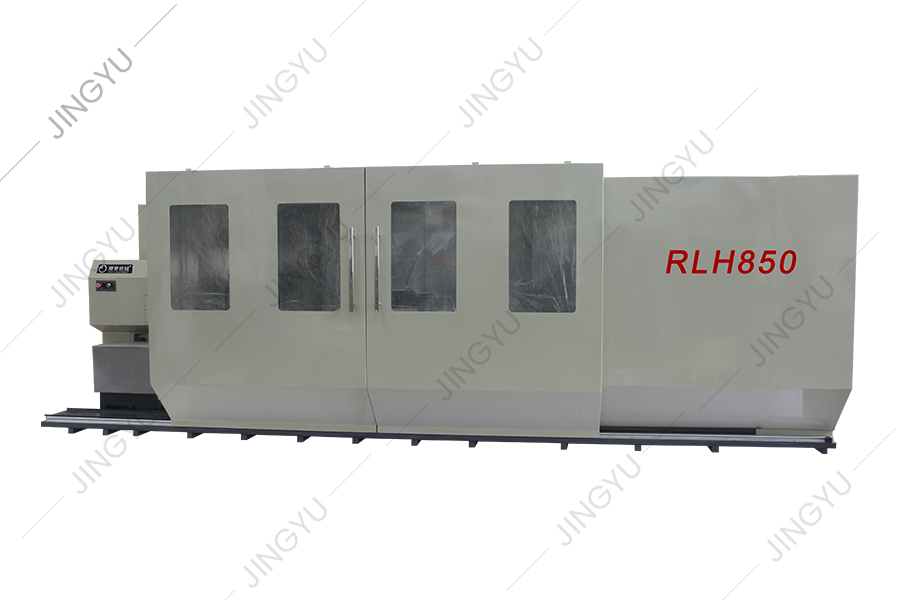
This machine tool is a new type of CNC roll grooving machine tool developed based on the company's CNC roll milling machine series and after full rese...
See Details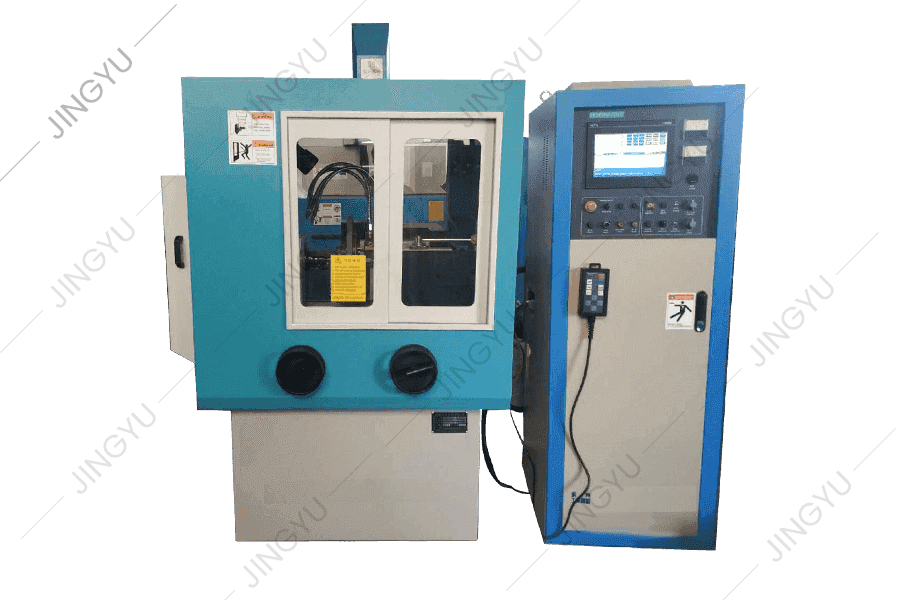
MX250 is a standard diamond wheel dressing machine, used for forming and dressing diamond wheels for metallurgical steel mills. The diameter of diamon...
See Details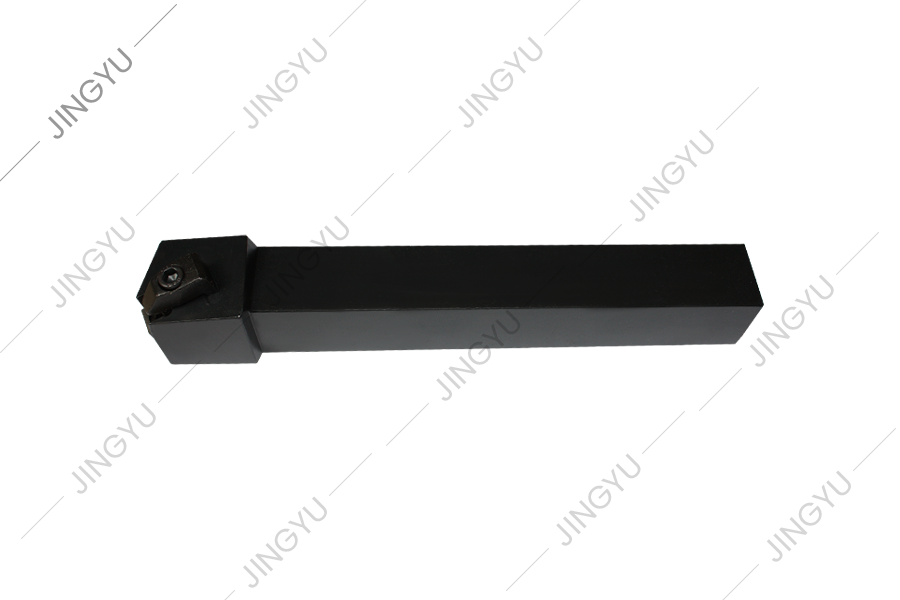
This series mainly provides common-wearing parts for CNC roll lathes, such as CBN blades, PCD blades, chucks, screws, etc.
See DetailsNo.3, Xinghe Road, Zhaxi Industrial Park, Chongchuan District, Nantong, Jiangsu Province, 226003, P.R.China
info@rolllathe.com jennifergao@rolllathe.com
+86-513-85636116
Copyright © Nantong Jingyu Machinery Co., Ltd. All Rights Reserved
 China Roll Turning Lathe Manufacturers
