


 English
 русский
 عربى
عربى
Cat:CNC Roll Milling Machine
CNC Notching and Marking Machine
XK9350 series CNC rebar roll crescent groove milling machine is the upgraded product of XK500 type, which is suitable for processing rolls with diamet...
See DetailsA worn work roll from a bar mill arrives in the maintenance shop with surface cracks and 10 mm of stock to remove on the diameter. Before any grinder can produce the final finish, a machine must cut through the damaged layer, restore true geometry, and leave a clean reference surface. That machine is a roll turning lathe. It is the workhorse of every roll repair facility and a core unit in roll manufacturing lines.
A roll turning lathe is a heavy-duty horizontal lathe designed specifically for turning the journals, necks, tapers, and cylindrical bodies of industrial rolls. It performs the same fundamental operation as the familiar engine lathe, but it is engineered to a far more demanding set of requirements. The bed is heavier and more rigid. The spindle and main bearings are sized for large radial loads. The tailstock and steady rests are built to support long, flexible workpieces without sag or vibration. Nothing about the machine is an afterthought.
Modern roll lathes take this a step further. The CNC roll lathe adds automated cycles, programmable tool paths, and constant surface speed control, which make roll machining consistent from one piece to the next.
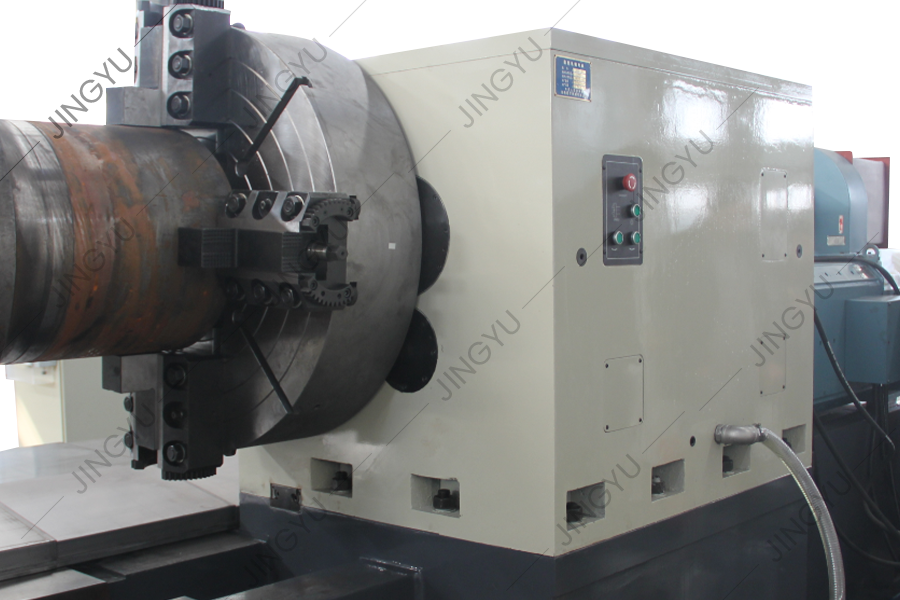 Wholesale Roll lathe Factory, SuppliersNantong Jingyu Machinery Co., Ltd. is China Roll lathe Factory and CNC Roll lathe suppliers, manufacturing wholesale Roll lathe for saleView Product →
Think of the roll turning lathe as a specialized branch of the heavy-duty lathe family. It shares the same robust DNA but is optimized for rolls, where high weight and long working length create machining problems that general-purpose lathes simply cannot handle.
Roll manufacturing and repair follow a disciplined sequence of operations: turning first, then grinding, and in many cases milling for grooves, textures, or pass profiles. Each stage removes a controlled amount of material at a specific tolerance level.
Turning is the roughing and dimensional stabilization stage. For a new roll, the lathe removes casting or forging stock, brings the body to near-net dimensions, and cuts the necks, shoulders, and driving ends that later operations depend on. For a worn roll, the lathe cuts through the fatigued surface, removes cracks and spalling, and restores concentricity so the grinder can work on a true datum.
Grinding follows to achieve the final surface quality and dimensional tolerance. A CNC roll grinding machine is the natural next stop after turning because it refines the geometry left by the lathe. When roll profiles include grooves, pockets, or patterned textures, a heavy-duty roll milling machine covers that part of the workflow.
The process is a relay race in which each machine must finish its leg accurately. If the lathe leaves too much stock, the grinder wastes hours. If it leaves too little or introduces runout, the roll risks rejection at final inspection. That is why the lathe, not the grinder, is the foundation of quality.
At a glance, a roll turning lathe resembles a conventional lathe. The functional differences go deep.
| Feature | Conventional Lathe | Roll Turning Lathe |
|---|---|---|
| Workpiece capacity | Low to moderate | Very large diameters and lengths |
| Bed structure | Standard casting | Reinforced, heavily ribbed for rigidity |
| Spindle and bearings | Moderate bore and torque | Large bore, high torque at low speed |
| Workpiece support | Tailstock center | Multiple steady rests, heavy tailstock |
| Cutting capability | Light-to-medium depths | Deep roughing and interrupted cuts |
| Automation | Manual or basic CNC | CNC with roll-specific cycles |
The most obvious difference is capacity. Roll work routinely involves workpieces weighing tens of tons and measuring several meters in length. A conventional lathe is not built for those loads. The spindle bore, the distance between centers, and the swing diameters are all too small.
The less obvious difference is rigidity. Roll turning frequently encounters interrupted cuts because worn surfaces contain keyways, flats, and irregular wear bands. Each interruption hammers the cutting edge and sends shock waves through the machine. A roll lathe absorbs those loads with heavier castings, wider guideways, and oversized spindles. A standard lathe would chatter, lose accuracy, and wear out quickly.
If your production needs include large cylindrical shafts and other heavy parts in addition to rolls, Nantong Jingyu Machinery also offers the CNC heavy-duty lathe as a general-purpose alternative with the same rigid foundation.
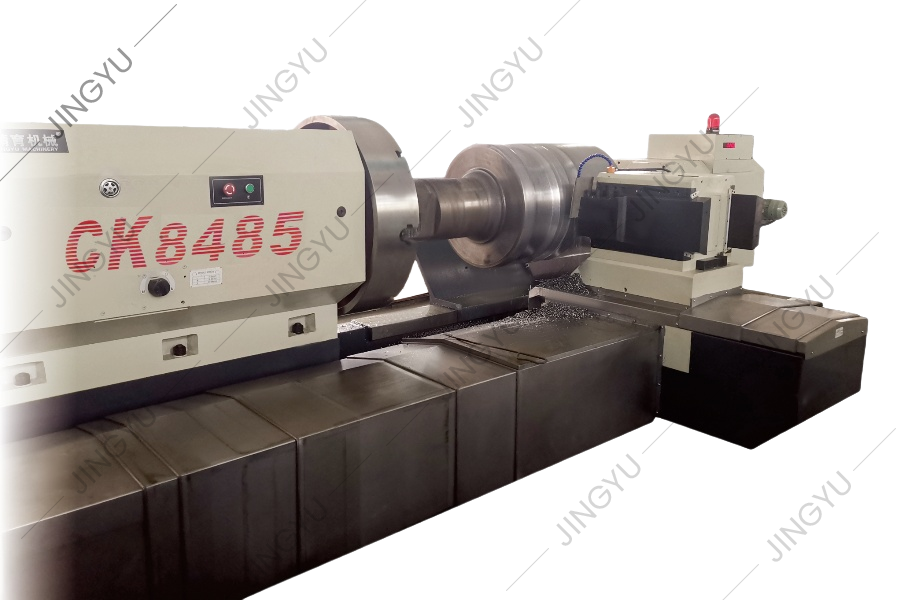 OEM/ODM Heavy Duty CNC Roll Turning Lathe Manufacturer, Suppliers- Nantong JingyNantong Jingyu Machinery Co., Ltd is China OEM/ODM Heavy Duty CNC Roll Turning Lathe Manufacturers and Suppliers, details:This series of ...View Product →
Roll turning machines serve a broad range of industries. The list below covers the most common.
In every case, the mission is the same: remove material efficiently and produce a true cylindrical reference that subsequent processing can refine.
Selecting a roll lathe requires looking past brochure photos and checking the parameters that govern real performance. Use this checklist when evaluating any proposal.
For safety, also review the safety features of a CNC roll lathe before finalizing your decision, because heavy rotating workpieces require robust protections.
You can compare configurations side by side in the CNC roller lathe lineup and then narrow the choice based on your workpiece set.
The jump from manual or conventional control to CNC creates clear gains in shop floor performance.
Programmed cycles matter for three reasons. First, they store the complete machining sequence for each roll type, so repeat orders run the same way every time. Second, constant surface speed control adjusts the spindle speed as the tool moves between rough and finish passes, which keeps cutting conditions stable and improves surface consistency. Third, automated cycles let operators attend multiple machines instead of standing at one handle.
CNC also supports higher-level integration. Many modern roll turning machines can communicate with factory scheduling systems, report cycle completion, and signal alarms when processes drift.
The CNC system of a roll lathe determines how fully these benefits are realized. Control reliability, ease of programming, and diagnostic capability should be part of your selection criteria.
Equipment parameters are only half of the buying decision. The manufacturer behind the machine determines how smoothly the project runs and whether the investment pays off over decades.
Look for a manufacturer that understands roll machining processes, not just lathe construction. A company that builds roll lathes as its core category knows how rolls vibrate, how worn passes load the tool, and what tolerances are realistic in production.
Check whether the manufacturer can support the full process chain. A supplier who also builds roll grinders and roll milling machines can give practical advice on how your workflow should look.
Assess quality control. Ask how the factory inspects incoming castings, how it tracks machining, and what checks take place before shipment. You can review how Nantong Jingyu Machinery organizes its production and quality management on the about page, including the 10,000-square-meter facility.
Finally, verify after-sales support. Spare parts availability, response times, and commissioning service matter more than the purchase price. A partner who stocks lathe spare parts and responds when downtime occurs is worth more than a slightly cheaper alternative.
A roll turning lathe is the first and most critical machine in the roll manufacturing and repair chain. It removes stock efficiently, restores damaged geometry, and gives the grinder and milling machine a reliable starting point.
When you compare options, focus on workpiece capacity, structural rigidity, spindle performance, and CNC capability. Choose a manufacturer with real process knowledge and a proven facility.
If you are planning a purchase, send your workpiece parameters — maximum diameter, roll length, weight, and target tolerances — and the team will recommend a roll lathe configured for your production needs.
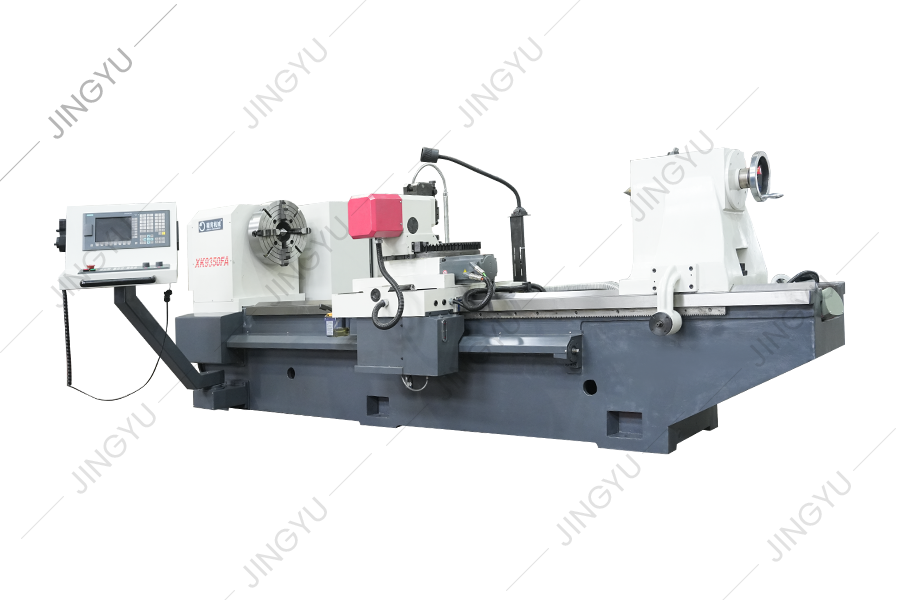
XK9350 series CNC rebar roll crescent groove milling machine is the upgraded product of XK500 type, which is suitable for processing rolls with diamet...
See Details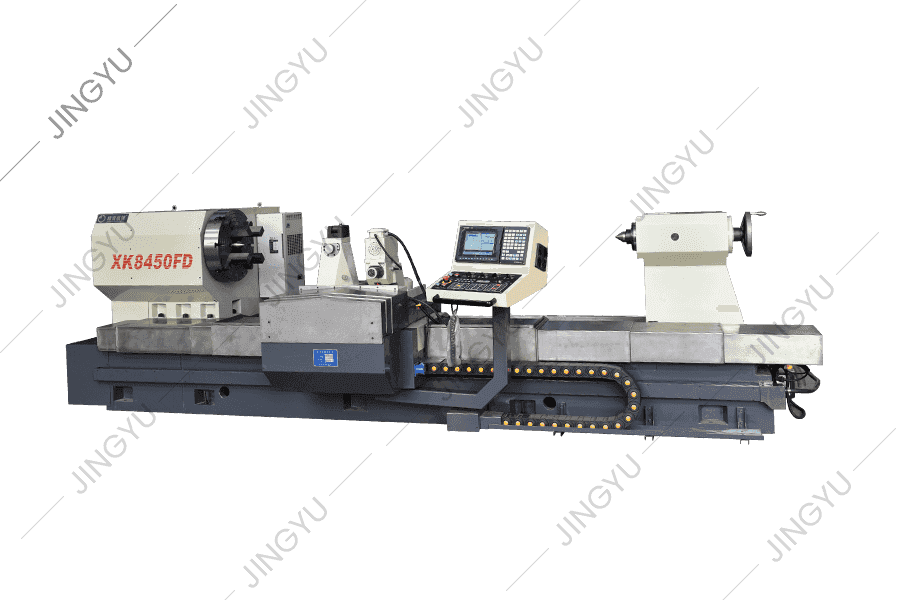
In view of the problems of high speed steel roll processing, XK8450 CNC roll milling machine is a new type of CNC roll groove processing machine tool ...
See Details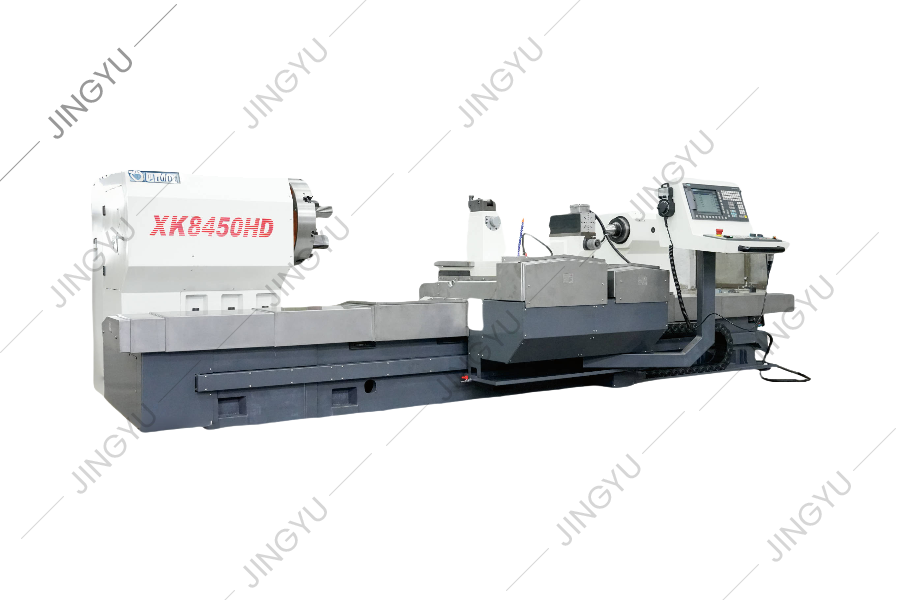
In view of the problems of high-speed steel roll processing, the XK8450 CNC roll milling machine is a new type of CNC roll groove processing machine t...
See Details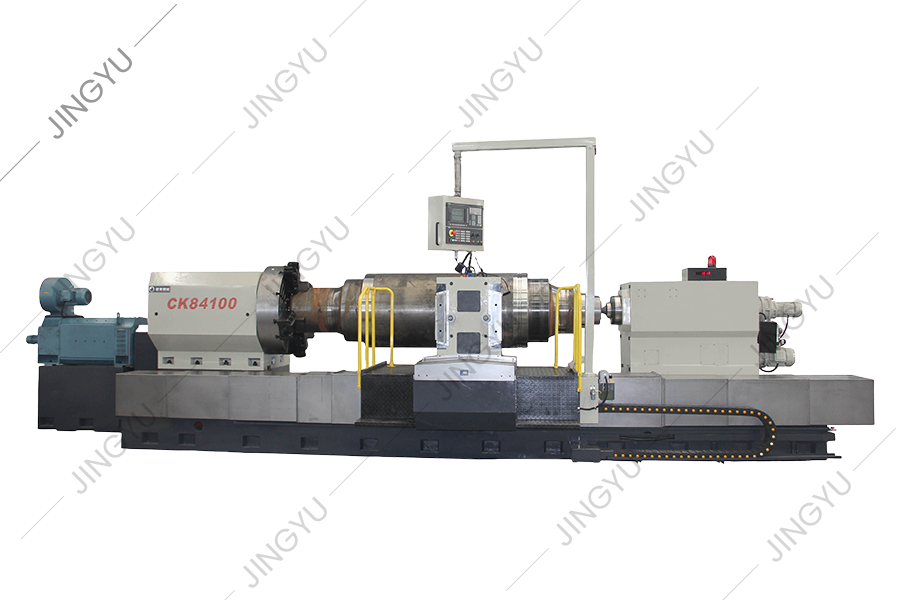
CK84 series CNC roll lathe adopts Siemens 828D CNC system and is driven by a servo motor. When designing this machine tool, we fully analyzed the tech...
See Details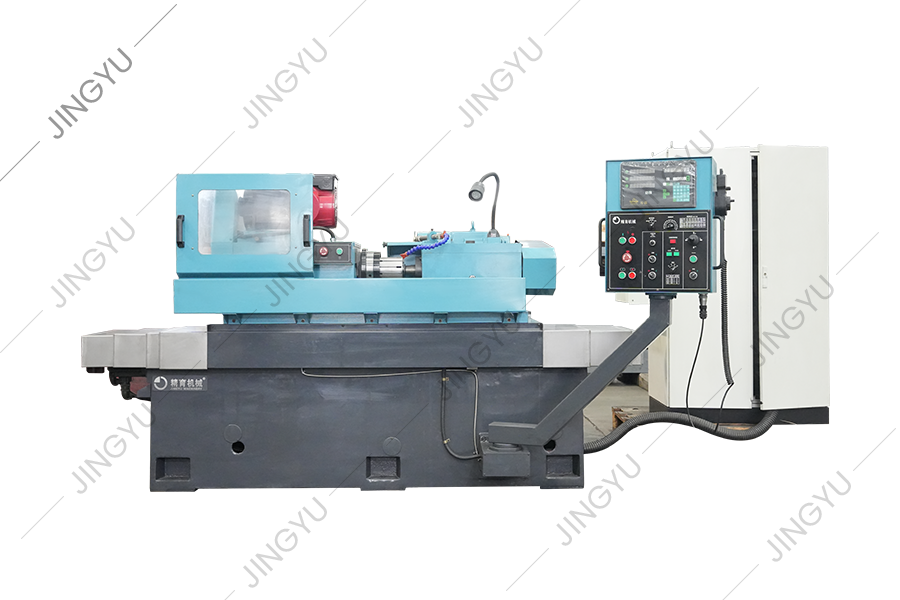
The roll ring forming grinder is mainly used for grinding tungsten carbide roller rings for high-speed wire rod production. The formed diamond grindin...
See Details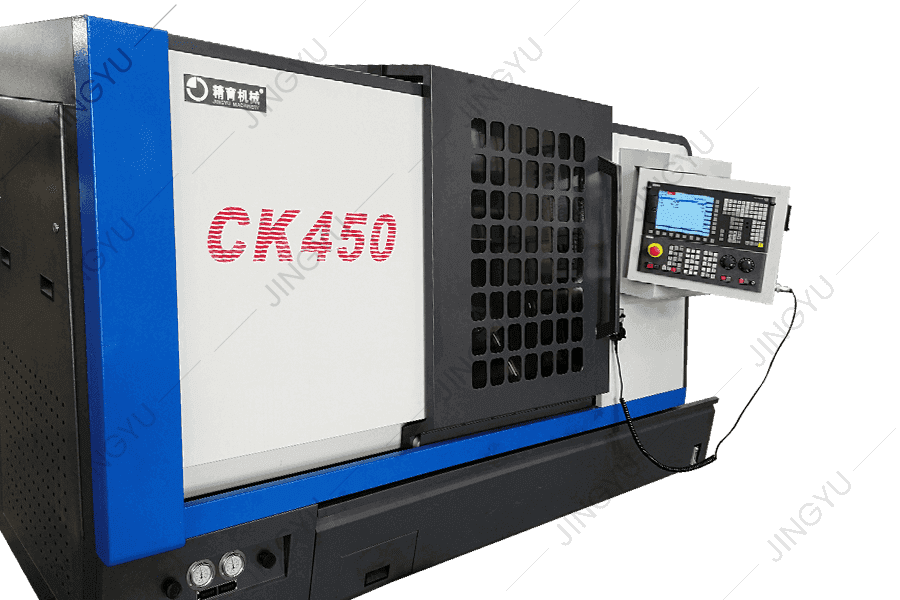
The CK450 inclined bed CNC lathe adopts the German Siemens control system. The appearance, operating system, and safety protection system of the machi...
See Details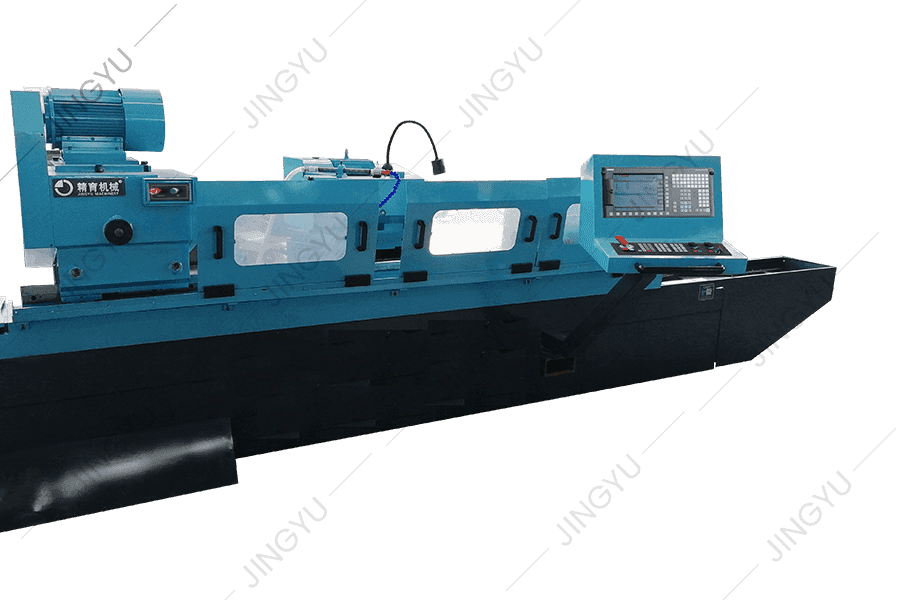
MK8450 CNC roll grinder is mainly used for rough grinding, semi-finish grinding, fine grinding, and non-spark grinding of the outer circles and R groo...
See Details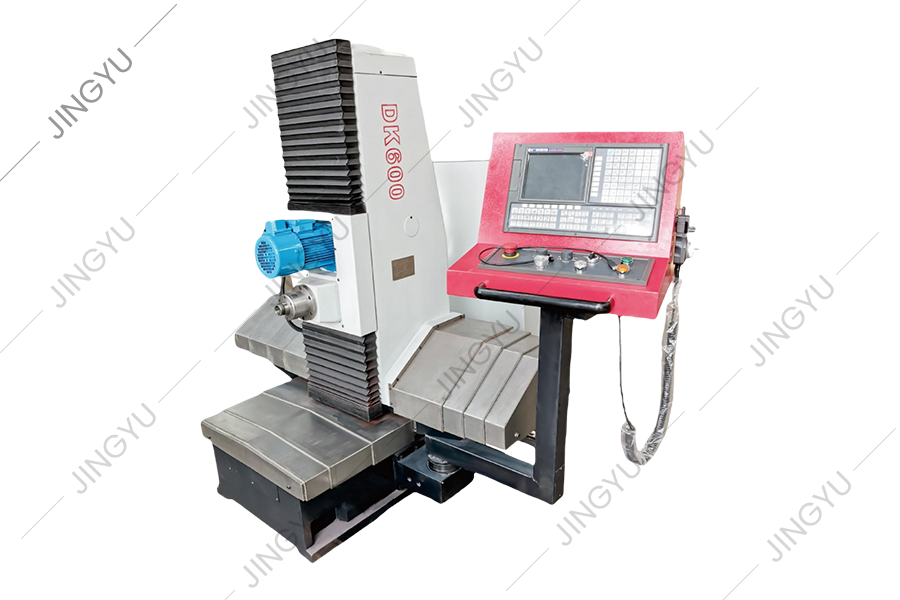
CNC roll engraving machine is suitable for processing various roll end face markings. Through the automatic editing software, it can generate processi...
See Details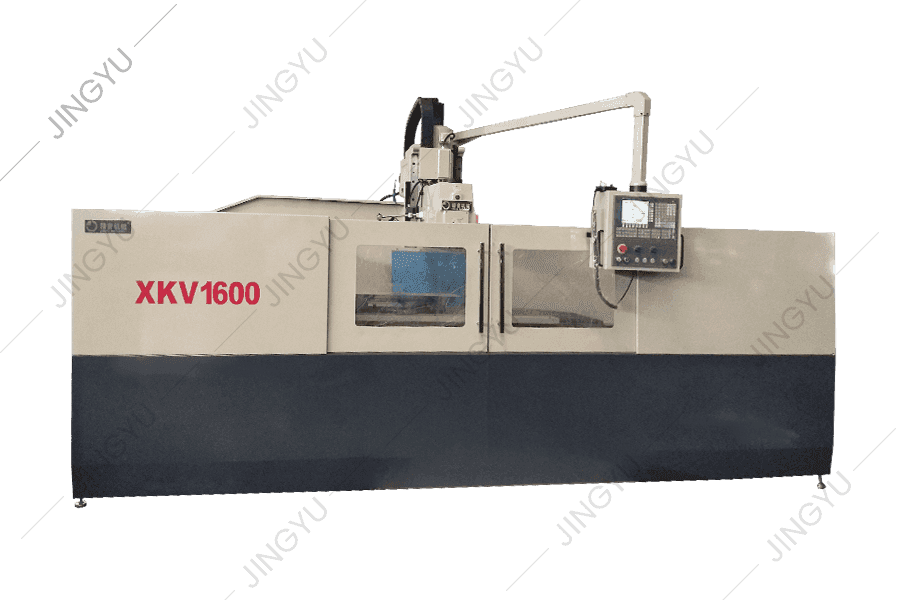
The CNC-reinforced milling machine adopts a full-gear spindle box, and the spindle transmission part adopts gears with precision of more than 6 levels...
See Details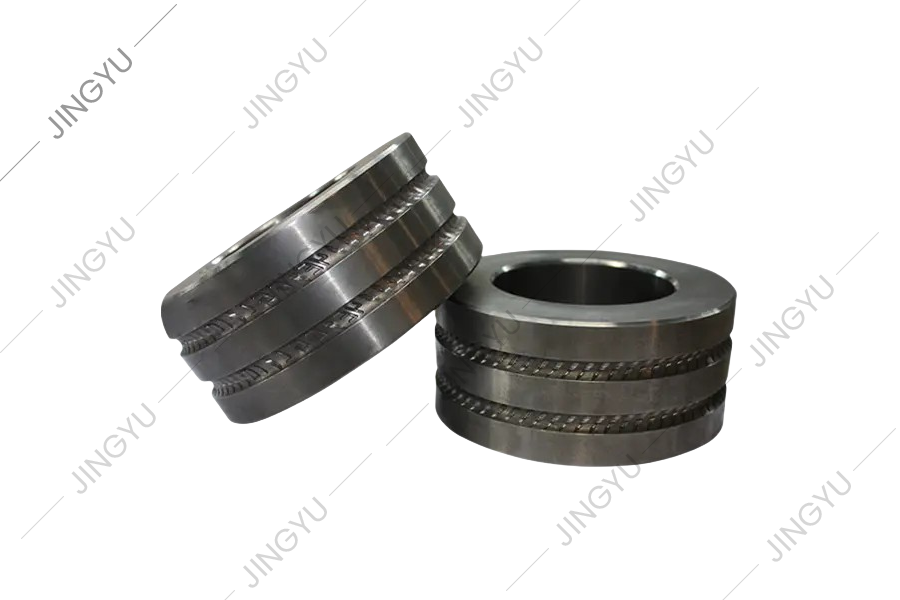
This series mainly provides common-wearing parts for CNC TC ring grinding machines and composite roll grinding machines, such as mandrels, dynamic and...
See DetailsNo.3, Xinghe Road, Zhaxi Industrial Park, Chongchuan District, Nantong, Jiangsu Province, 226003, P.R.China
info@rolllathe.com jennifergao@rolllathe.com
+86-513-85636116
Copyright © Nantong Jingyu Machinery Co., Ltd. All Rights Reserved
 China Roll Turning Lathe Manufacturers
