


 English
 русский
 عربى
عربى
Cat:CNC Roll Milling Machine
CNC Notching and Marking Machine
XK9350 series CNC rebar roll crescent groove milling machine is the upgraded product of XK500 type, which is suitable for processing rolls with diamet...
See DetailsA typical CNC shop starts every new milling job with climb cutting, assuming it is always the best choice. Then a batch of hardened roller rolls arrives with a brittle mill scale, and the carbide inserts start chipping on the first pass. The experienced machinist steps in and suggests a conventional milling entry to break through the surface. The truth is that both climb cutting and conventional milling are essential techniques, and the correct pick depends on machine stiffness, work material condition, and the required surface finish.
Climb cutting, also called down milling, happens when the cutter rotates in the same direction as the workpiece feed. At the instant a tooth engages, it takes a full-thickness chip, and the chip thins toward zero as the tooth leaves the material. Conventional milling, or up milling, rotates against the feed. The tooth begins with no uncut chip thickness, rubs along the surface, and gradually builds to a maximum chip at the end of engagement.
That single difference in chip geometry affects cutting forces, heat, tool wear, and vibration. In climb milling, the force pushes the cutter downward into the workpiece and table, which helps stabilize thin parts. In conventional milling, the cutting force lifts the workpiece and pushes the cutter away, but the gradual entry is forgiving when the surface is hard or the machine has loose leadscrews.
On a rigid CNC machine with preloaded ball screws and secure fixturing, climb milling is the default choice for most operations. The practical benefits are measurable:
For aluminum, low-carbon steel, brass, and most plastics, these advantages appear immediately in cycle time and tooling cost. Climb milling also works well in pocket work with thin floors because the downward force helps hold the material down.
Conventional milling is not obsolete. There are three situations where it outperforms climb cutting:
The cost of conventional milling is more friction, higher tool temperature, and a rougher finish. In deep slotting, chips stay in the groove and may cause edge build-up, so increasing coolant or pecking becomes necessary.
| Factor | Climb Milling (Down) | Conventional Milling (Up) |
|---|---|---|
| Chip thickness | Starts thick, ends thin | Starts thin, ends thick |
| Cutting force direction | Downward, into the table | Upward, lifting the workpiece |
| Surface finish | Usually better | Rougher, more burr |
| Tool wear mode | Even wear, less heat | More rubbing, hotter edge |
| Vibration risk | Low if setup is rigid | Higher during initial rubbing |
| Backlash tolerance | Requires zero backlash | Handles some backlash |
| Best for | CNC roughing and finishing | Manual mills, breaking through scale |
Use the first four rows to understand process quality. The last three rows help you match the cutting mode to the machine and material condition.
For CNC users, set climb milling as the starting point for most toolpaths, especially finishing passes. Confirm that the machine is free of backlash and that the workholding can handle downward forces. A sturdy vise or fixture that presses the workpiece against the machine bed will give the best results.
Machine rigidity is the gatekeeper for climb milling. A reinforced milling machine with a heavy cast iron base and preloaded double-nut screws provides the rigidity to handle climb milling on demanding materials.
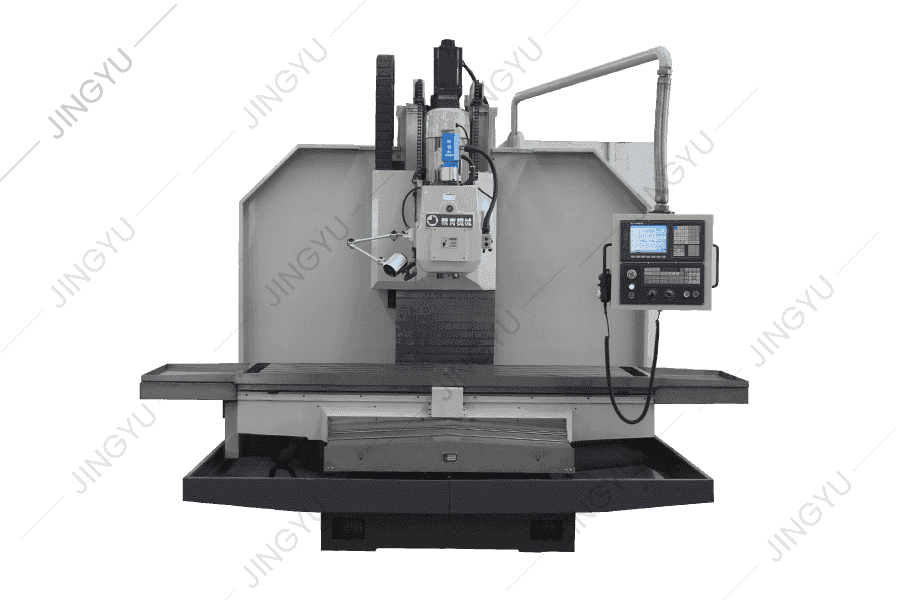 Reinforced CNC Vertical Milling Machine for Climb MillingThis heavy-duty vertical mill features a reinforced cast iron structure and preloaded ball screws, providing the rigidity needed to climb mill demanding materials while maintaining smooth feed and long-term precision.View Product →
On that class of equipment, the servo drives eliminate lead screw backlash so the feed remains smooth even under a full-width cut. When a conventional pass is unavoidable, reduce the spindle speed by 10–15% and slow the feed slightly to minimize rubbing. Adding a small chamfer or lead-in can also ease the tool into a hard surface.
Understanding the working principle of a fully automatic CNC roll milling machine helps you appreciate how control systems switch between cutting modes based on load feedback. Modern controls can monitor spindle load and axis deviation, but the cutting geometry still decides which mode is appropriate.
Rolls used in steel bar, rod, and strip mills are classic examples of workpieces with abrasive scale and interrupted grooves. The first pass often needs conventional milling to break through the rolled skin without damaging the insert. Once the scale is removed, climb milling provides the fine surface finish required for the final profile.
A dedicated CNC roll milling machine combines a stiff bed, low-friction guideways, and direct servo axis drives. That combination allows the cutter to maintain a consistent chip load without the pulling effect that disturbs ordinary machines. On a fully automatic CNC roll milling machine, the controller manages the transition between conventional entry and climb finishing automatically within the same cycle.
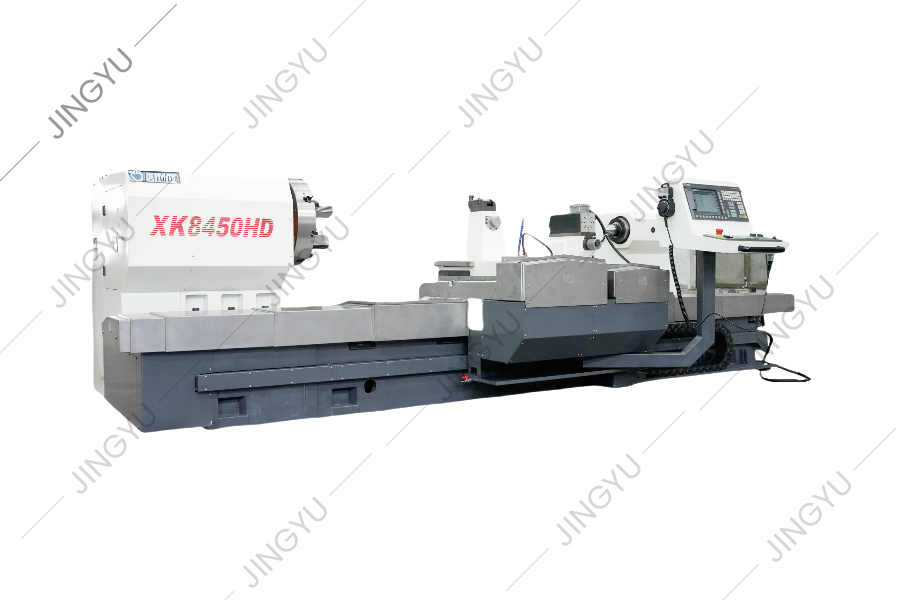 Automatic CNC Roll Milling Machine with Rigid BedDesigned for automatic climb milling of roll grooves, this machine combines a stiff four-rail bed, low-friction guideways, and direct servo axis drives to maintain consistent chip load and reduce chatter during heavy-duty machining.View Product →
For large rolls with deep crescent grooves, a heavy-duty roll milling machine with a high-torque spindle and wide bed spacing absorbs the vibration that normally promotes chatter in climb milling. The extra mass keeps the insert in contact with the work surface and prevents the tool from deflecting away from the groove profile.
Choosing between climb cutting and conventional milling is not a style question. It is a process decision based on machine condition, material surface, and the finish you need. Start with climb milling on rigid CNC equipment for clean surface finish and longer tool life. Move to conventional milling when you face a hard scale, a machine with backlash, or a manual operation where feel matters. By matching the cutting mode to the actual conditions, you will get consistent cuts, less scrap, and a longer tooling budget.
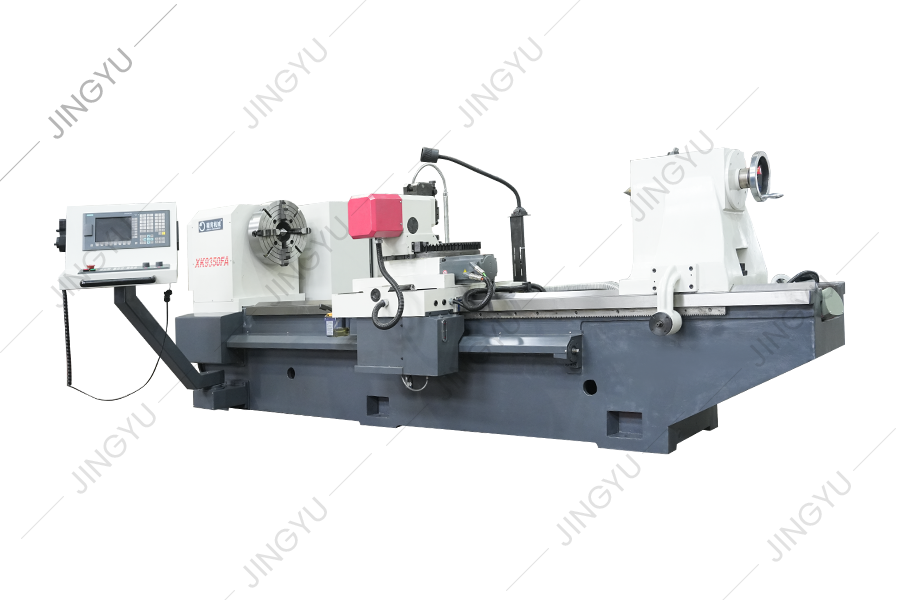
XK9350 series CNC rebar roll crescent groove milling machine is the upgraded product of XK500 type, which is suitable for processing rolls with diamet...
See Details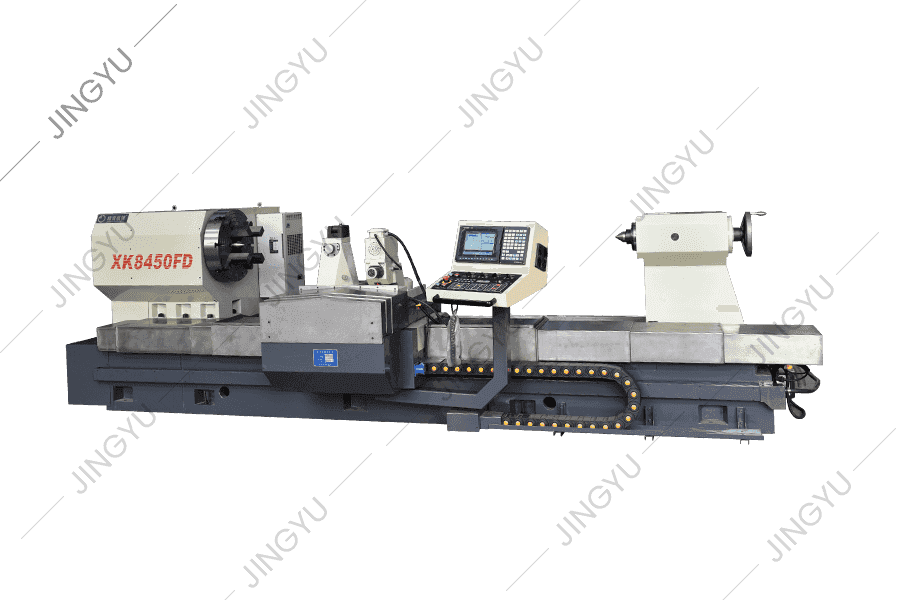
In view of the problems of high speed steel roll processing, XK8450 CNC roll milling machine is a new type of CNC roll groove processing machine tool ...
See Details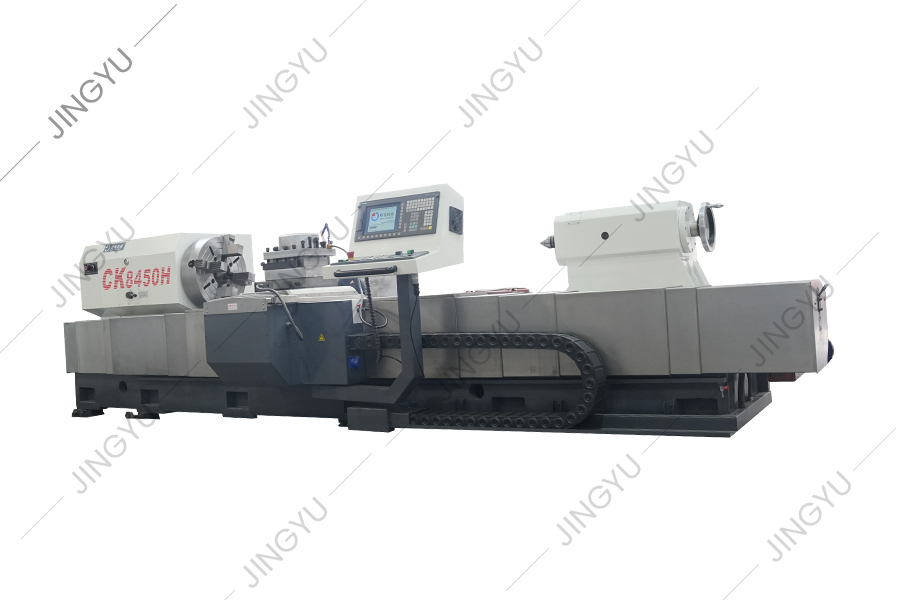
This series of machine tools is mainly used to pass and process rolls. It can also turn the outer circle and roll neck of rolls, and can also turn par...
See Details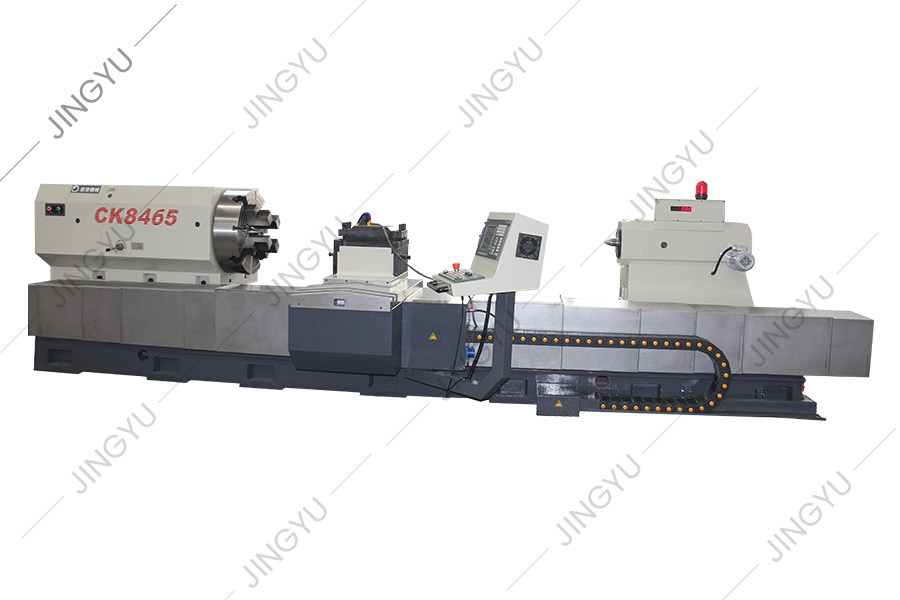
CK8465H CNC roll lathe bed adopts a 2+3 heavy-duty linear rolling guide structure, that is, two rectangular guide rails arranged horizontally on the b...
See Details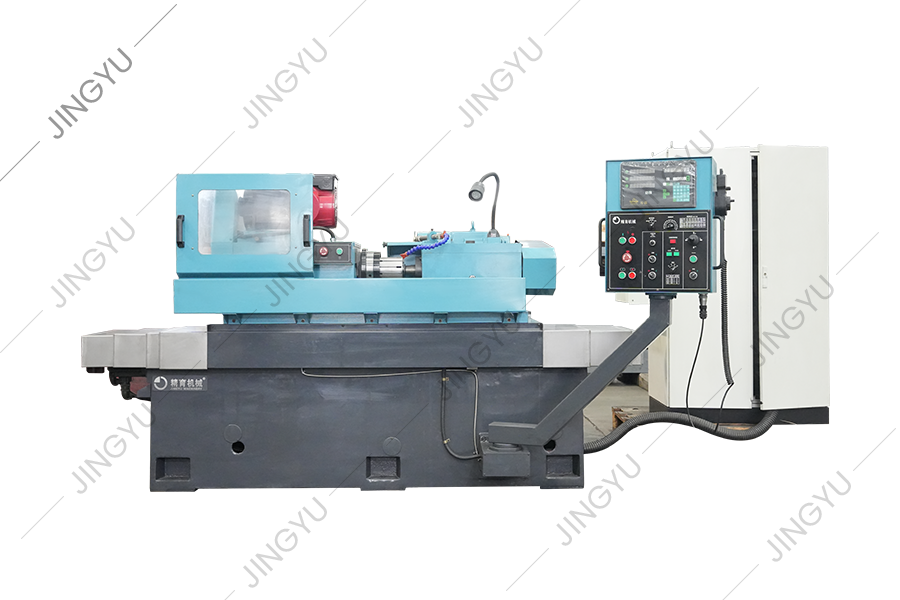
The roll ring forming grinder is mainly used for grinding tungsten carbide roller rings for high-speed wire rod production. The formed diamond grindin...
See Details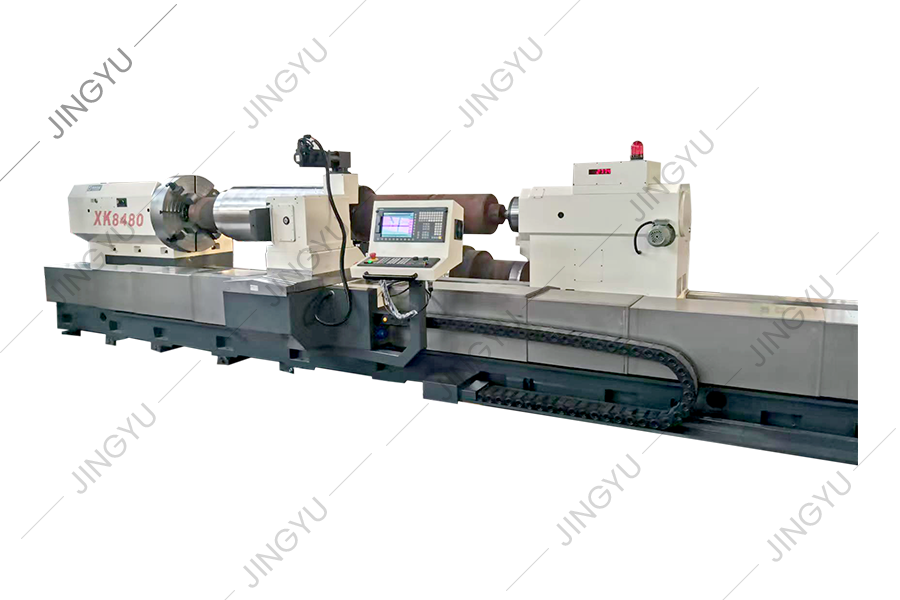
At present, pattern roll engraving at home and abroad generally adopts electrolysis method, ordinary horizontal milling machine milling and other proc...
See Details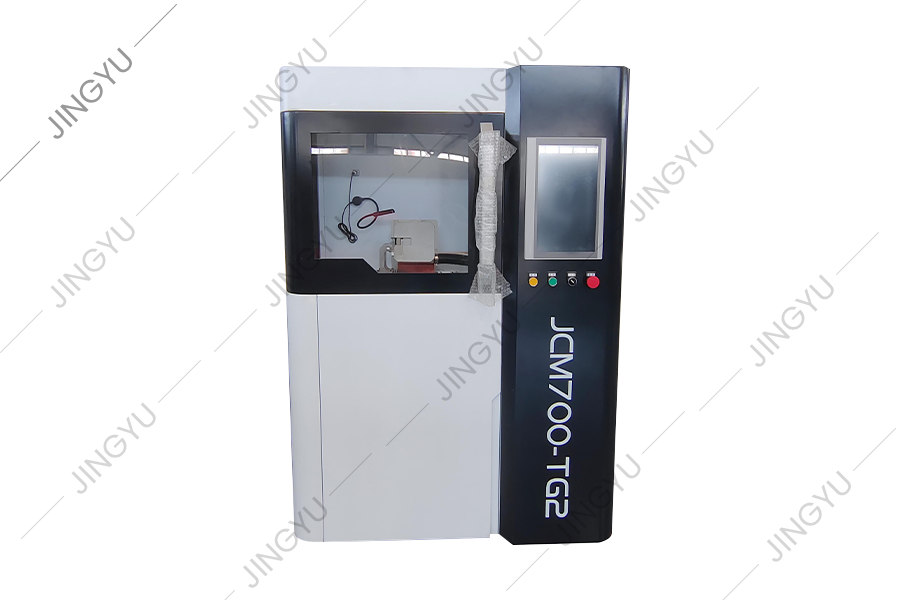
This machine is mainly used for grinding and repairing the milling cutter of roll threaded cross rib, which can easily repair and grind the edge of re...
See Details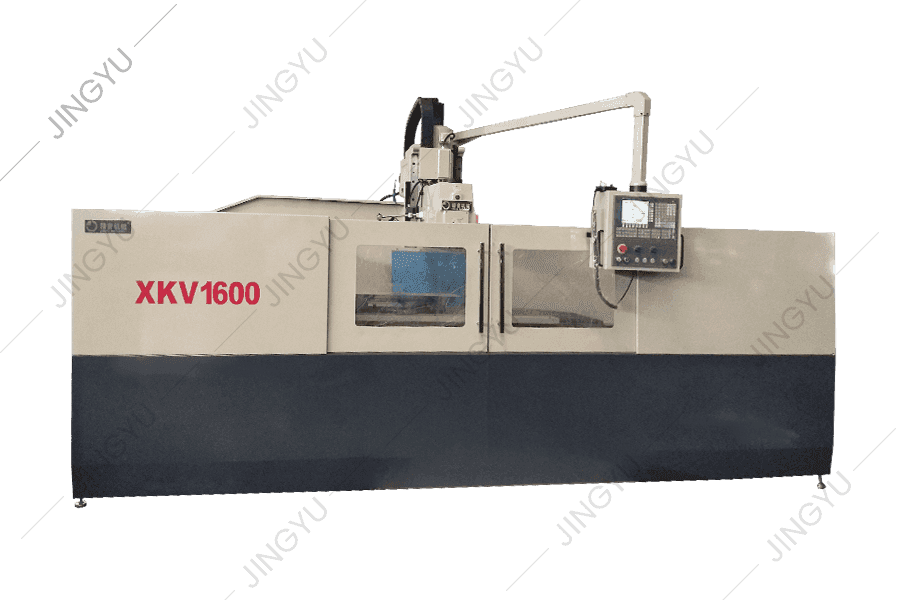
The CNC-reinforced milling machine adopts a full-gear spindle box, and the spindle transmission part adopts gears with precision of more than 6 levels...
See Details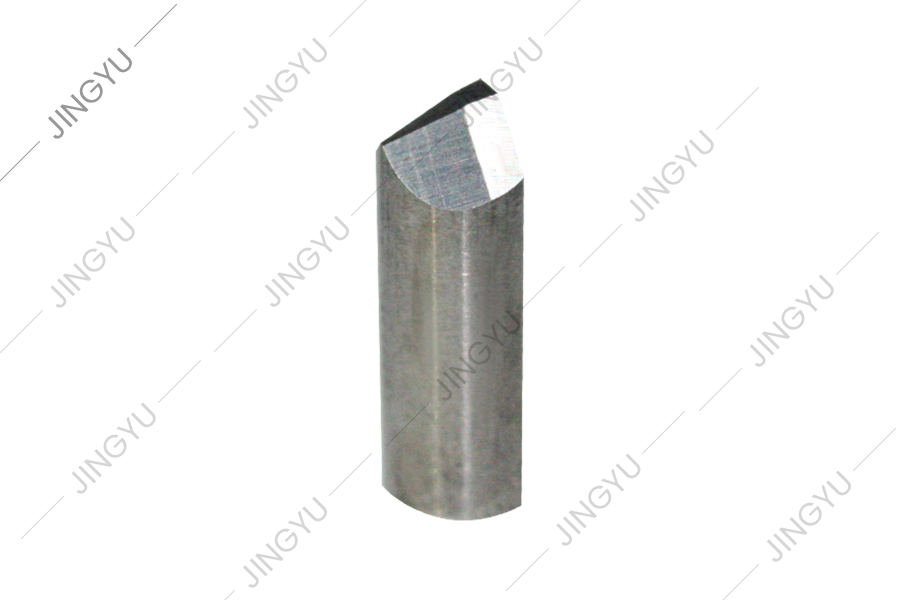
This series is mainly for CNC crescent groove milling machines to provide common-wearing parts, such as milling tool holders, milling cutters, support...
See Details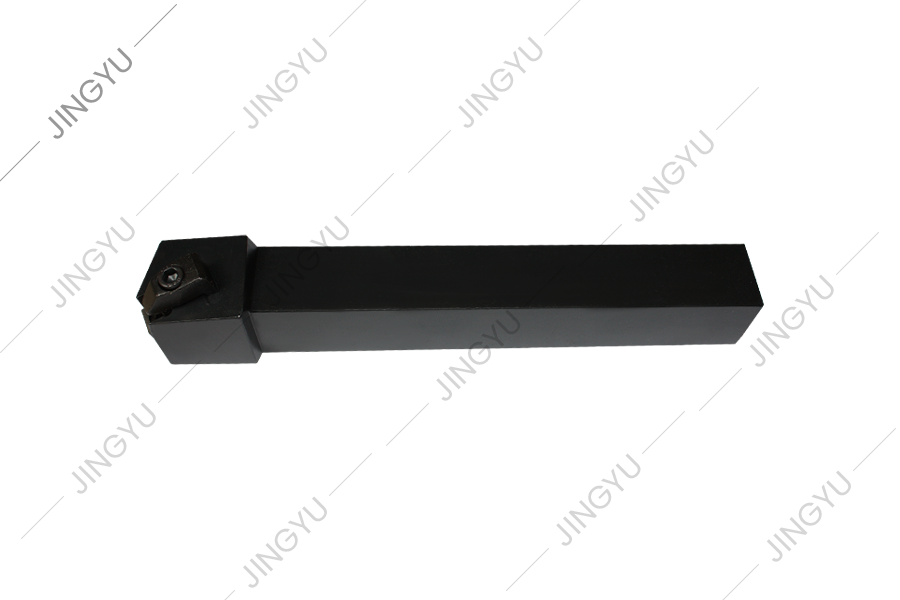
This series mainly provides common-wearing parts for CNC roll lathes, such as CBN blades, PCD blades, chucks, screws, etc.
See DetailsNo.3, Xinghe Road, Zhaxi Industrial Park, Chongchuan District, Nantong, Jiangsu Province, 226003, P.R.China
info@rolllathe.com jennifergao@rolllathe.com
+86-513-85636116
Copyright © Nantong Jingyu Machinery Co., Ltd. All Rights Reserved
 China Roll Turning Lathe Manufacturers
