


 English
 русский
 عربى
عربى
Cat:CNC Roll Milling Machine
CNC Notching and Marking Machine
XK9350 series CNC rebar roll crescent groove milling machine is the upgraded product of XK500 type, which is suitable for processing rolls with diamet...
See DetailsA steel service center that needs 600 identical shafts, each turned to a diameter tolerance of ±0.01 mm, faces a straightforward decision: trust the judgment of several skilled machinists and accept part-to-part variation, or put the job on a CNC lathe machine and let a program hold the size for the entire shift. The short answer to the question is this: a CNC lathe machine is a computer-controlled turning machine that spins a workpiece around its own axis while a fixed cutting tool follows programmed paths to remove material. That arrangement, a rotating part and a stationary tool, is known as turning, and it remains the most efficient way to produce round components such as shafts, discs, bushings, sleeves, and, in heavy industry, mill rolls that weigh several tonnes.
CNC stands for Computer Numerical Control. On a lathe, the workpiece is clamped in a chuck or collet on the spindle and spun at a programmed speed, while the cutting tool is fed along two primary axes: X, which controls diameter, and Z, which controls length. The machine executes a part program, usually written in G-code, and servo motors with position feedback move the tool to coordinates resolved to hundredths or even thousandths of a millimeter.
The defining detail is what rotates. On a lathe the workpiece spins; on a milling machine the tool spins. That division explains why lathes own the round-part market and mills dominate prismatic parts. Modern machines blur the line a little: adding live tooling and a C-axis to the spindle creates a mill-turn lathe that can drill cross-holes, cut flats, and mill hex profiles without removing the part from the chuck.
The technology itself is mature. Numerical control emerged in the 1950s and computer control spread through the 1970s and 1980s; what has changed since is cost, control usability, and the reliability of feedback components. The result is that shops of almost any size now run CNC lathes for hours with one operator watching several machines.
Every CNC lathe, from a compact bench-top unit to a thirty-tonne roll lathe, is assembled from the same core groups:
One machine covers most turning work because the turret swaps tools automatically and the slides can follow any programmed path. The standard operations are:
A 2-axis lathe, moving only X and Z, handles the majority of turning jobs. Adding live tooling and a C-axis produces a 3-axis mill-turn machine capable of cross-drilling and milling. A sub-spindle moves the part to a second spindle for back-working, and configurations with four or more axes allow simultaneous multi-tool cutting on large work.
Horizontal lathes are the default layout. Vertical lathes, where the spindle points upward and the part lies flat on a rotary table, suit large, heavy discs such as flanges, flywheels, and brake rotors, because gravity seats the part instead of hanging its full weight on the chuck jaws.
At the heavy end, machines are built around the workpiece rather than the catalog. Heavy-duty horizontal lathes pair swings measured in the hundreds of millimeters with distances between centers of 3,500 mm and beyond, massive cast beds, and steady rests that carry workpieces weighing several tonnes. Machines in this class exist because a standard lathe, however accurate, was never stiff enough for the cuts that large forgings demand.
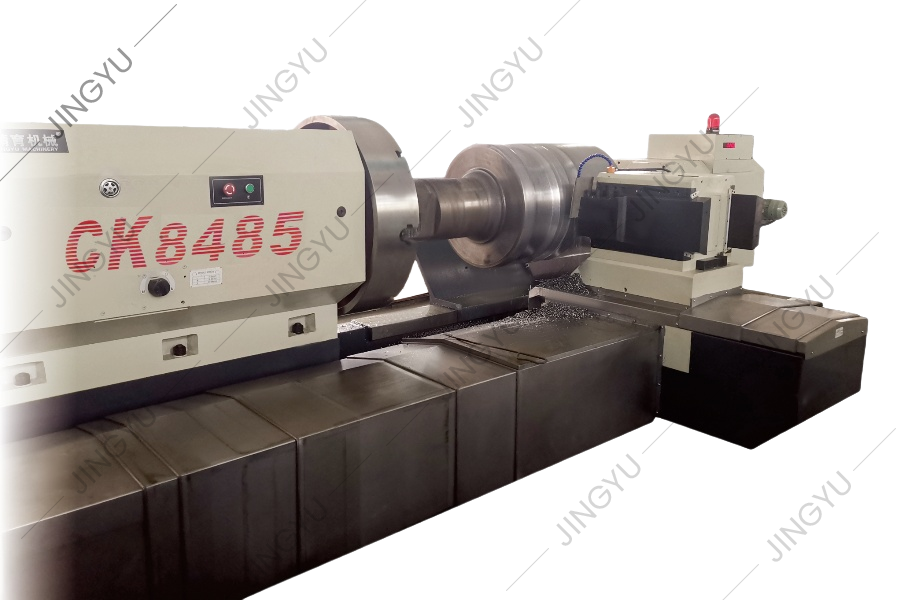 Heavy Duty CNC Roll Turning LatheTechnical ParametersView Product →
The practical difference appears in repeatability and in where the value lives: a manual lathe rewards the operator's hands, while a CNC lathe rewards the program and the machine's stiffness. As a rule of thumb for general steel work, skilled manual turning holds around ±0.05 mm, while a healthy CNC lathe holds ±0.01 mm or better and repeats it on part number 600 as faithfully as on part number 1.
| Aspect | Manual Lathe | CNC Lathe |
|---|---|---|
| Control | Hand wheels, dials, operator judgment | G-code program and servo drives |
| Typical tolerance | About ±0.05 mm, operator dependent | ±0.01 mm or better, machine dependent |
| Repeatability | Varies from part to part | Consistent across the full batch |
| Complex profiles | Slow, often needs form tools | Programmed contours without special tooling |
| Economical batch size | One-offs and repair work | Small runs to large production batches |
| Operator role | Continuous hands-on cutting | Programming, loading, and monitoring |
Steel rolling mills show what a production lathe has to survive. Work rolls and backup rolls lose diameter and develop wear patterns that must be re-turned on a schedule. Rebar rolls carry crescent grooves and rib contours that have to be re-cut accurately as they wear, and wire-rod mills run roll rings that need consistent diameter across the entire ring face.
None of this resembles job-shop turning. These workpieces are long, heavy, and hard on tooling, and they expose any machine with a light bed, which is why roller-specific CNC lathes exist at all: reinforced beds, oversized swings, steady rests rated in tonnes, and controls tuned for large diameters and slow, powerful cuts. A purpose-built CNC roll lathe is configured for exactly this duty cycle, and buyers comparing dedicated machines for roll rings can start with the reasons a CNC roller ring lathe has earned its own category.
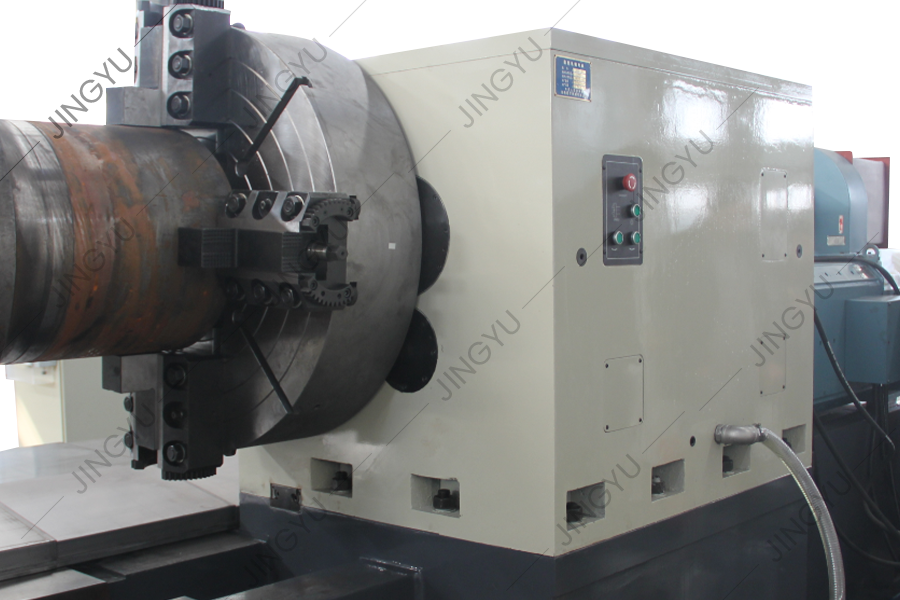 High Efficiency CNC Roll LatheTechnical ParametersView Product →
When the same workpiece also needs milled grooves rather than pure turning, combined mill-roll platforms cut both features in one setup, which matters because re-clamping a multi-tonne roll between operations risks both accuracy and time.
Specifications mean something only when they are matched to your parts. Work through the checklist in this order:
Safety belongs on the same list. Full guarding, interlocked doors, and trained operators should be part of the purchase rather than an afterthought, and buyers of roll machinery can review how to improve the operating safety of CNC roller lathes before commissioning a heavy machine.
The same reasoning applies when one part needs both turning and milling. A precision mill-roll lathe that performs both operations in a single setup removes the alignment risk of moving a heavy component between machines, and it often pays back the price difference within the first year through reduced handling and fewer rejected parts.
A CNC lathe machine comes down to three things working together: a spindle that spins the work, servo-driven slides that position stationary tools without drift, and a control that holds the programmed path from the first part to the last. Choose a 2-axis machine for straightforward round parts, add live tooling when features multiply, and step up to heavy-duty, roller-specific platforms when the parts weigh tonnes and the tolerances still read in hundredths of a millimeter. Match the machine to the workpiece first and the brochure second, and the investment will return itself in batches that come off the machine the same size, every time.
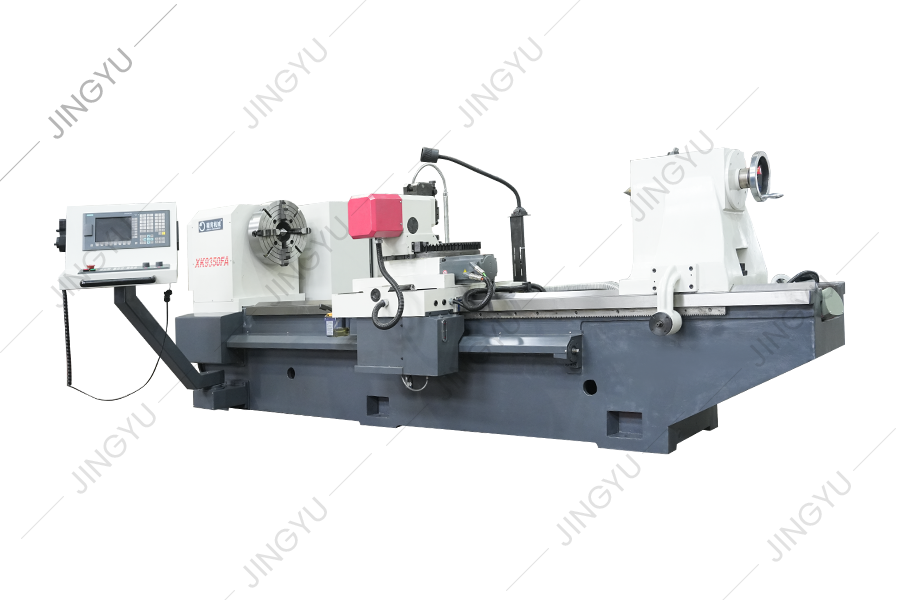
XK9350 series CNC rebar roll crescent groove milling machine is the upgraded product of XK500 type, which is suitable for processing rolls with diamet...
See Details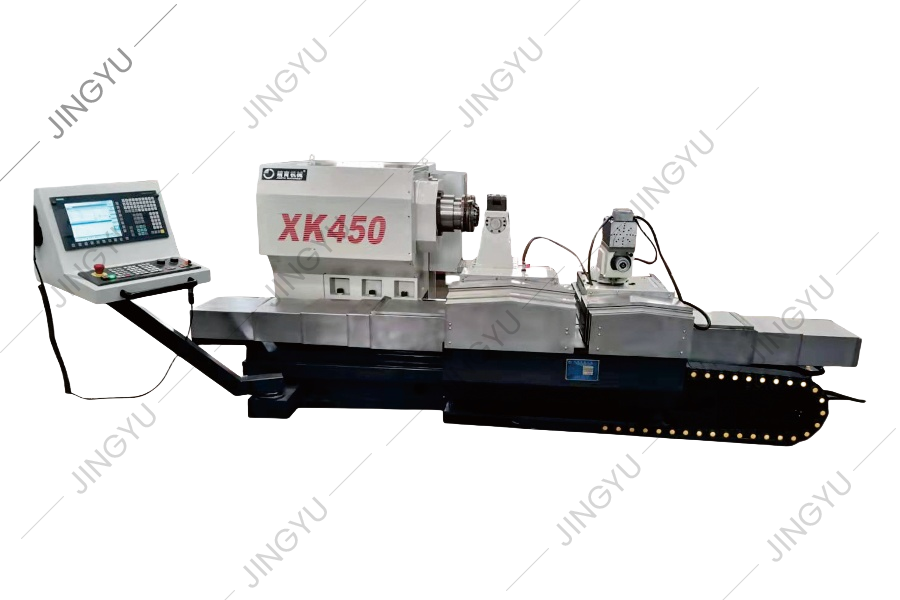
We have accumulated rich experience in the processing and use of rebar rolls, and have conducted in-depth analysis and research on the technology of s...
See Details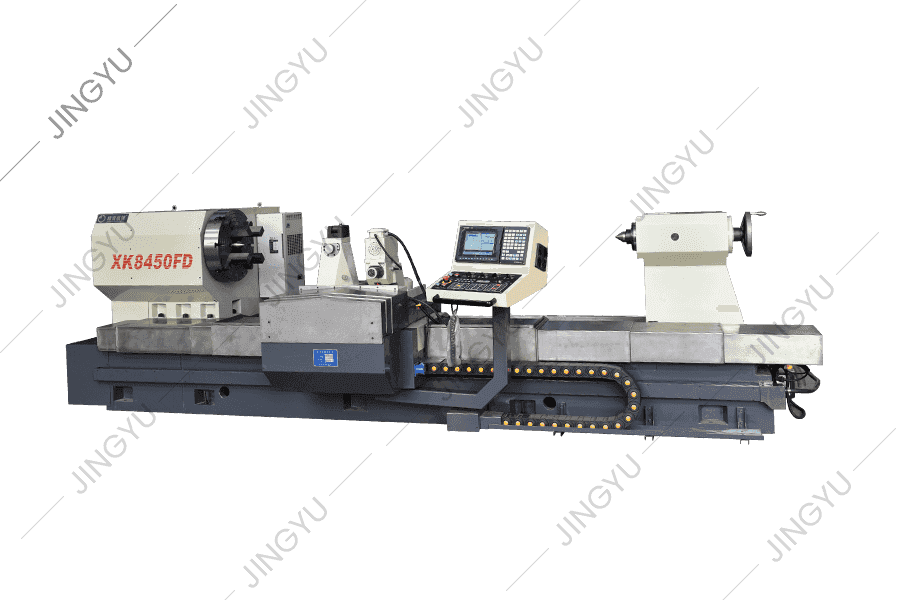
In view of the problems of high speed steel roll processing, XK8450 CNC roll milling machine is a new type of CNC roll groove processing machine tool ...
See Details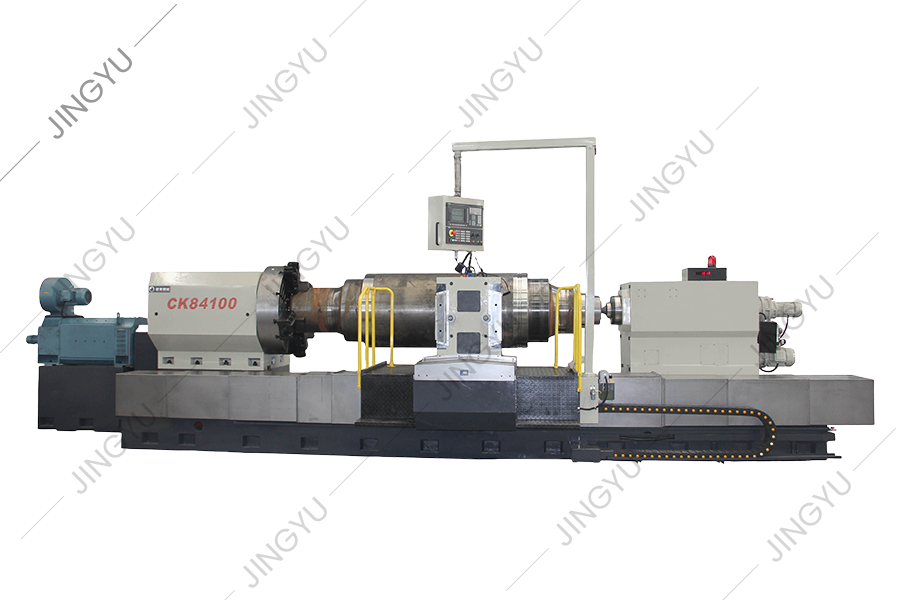
CK84 series CNC roll lathe adopts Siemens 828D CNC system and is driven by a servo motor. When designing this machine tool, we fully analyzed the tech...
See Details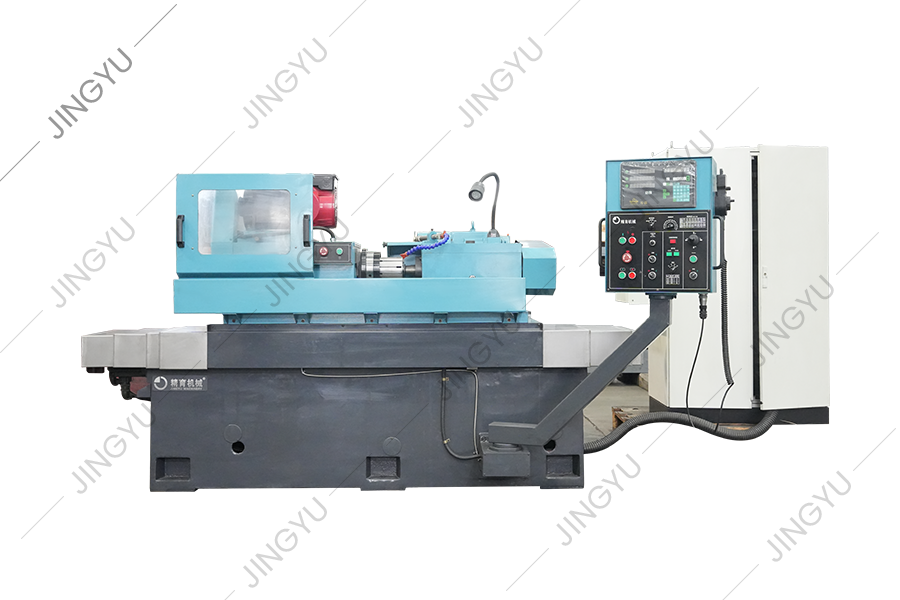
The roll ring forming grinder is mainly used for grinding tungsten carbide roller rings for high-speed wire rod production. The formed diamond grindin...
See Details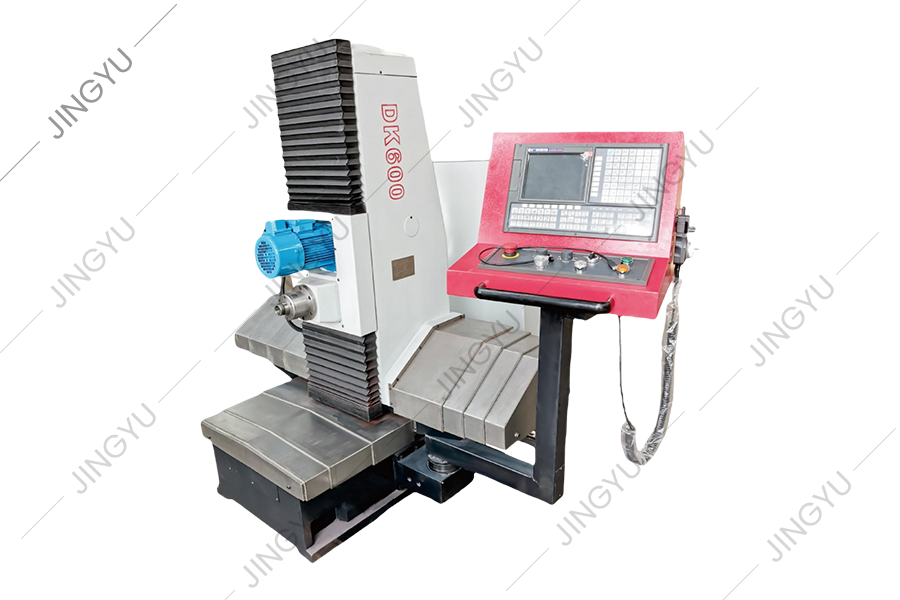
CNC roll engraving machine is suitable for processing various roll end face markings. Through the automatic editing software, it can generate processi...
See Details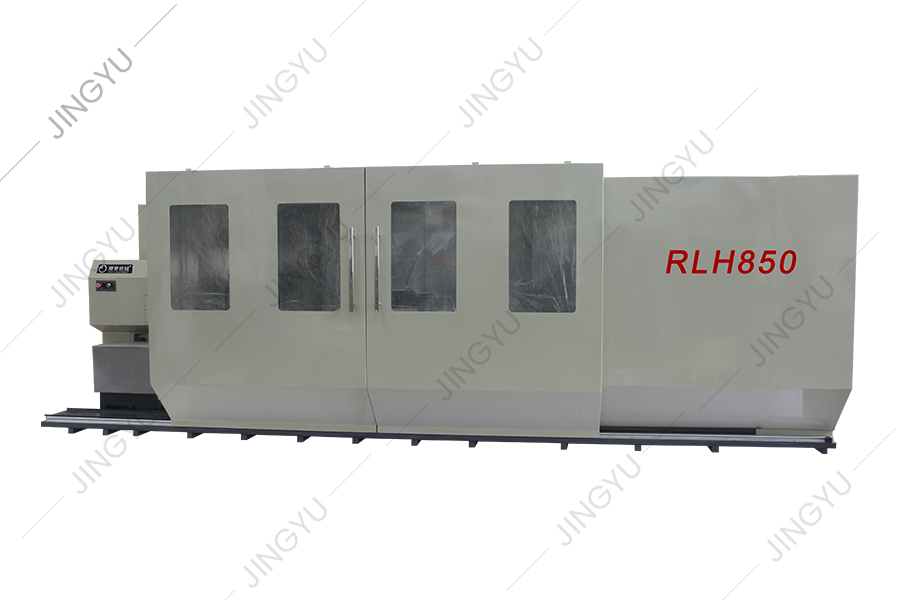
This machine tool is a new type of CNC roll grooving machine tool developed based on the company's CNC roll milling machine series and after full rese...
See Details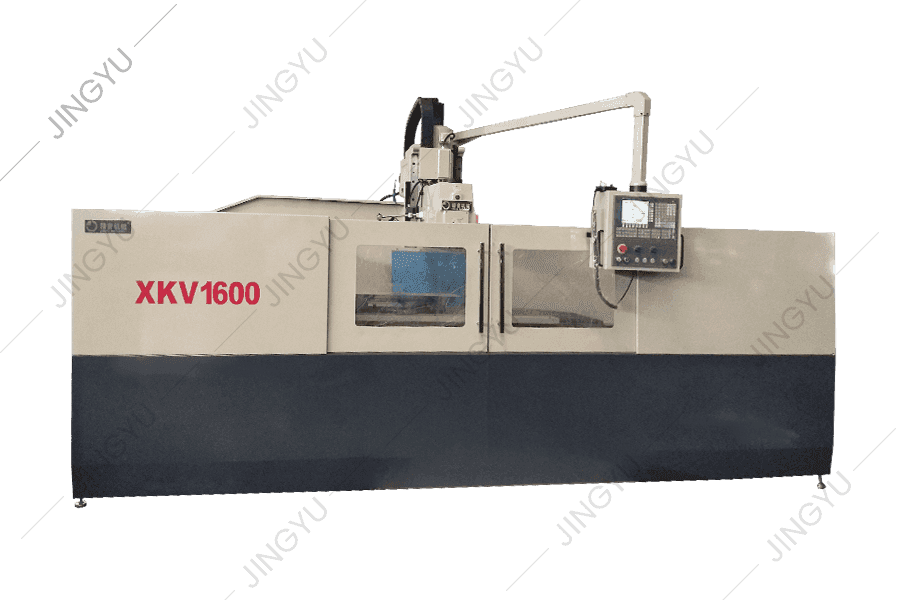
The CNC-reinforced milling machine adopts a full-gear spindle box, and the spindle transmission part adopts gears with precision of more than 6 levels...
See Details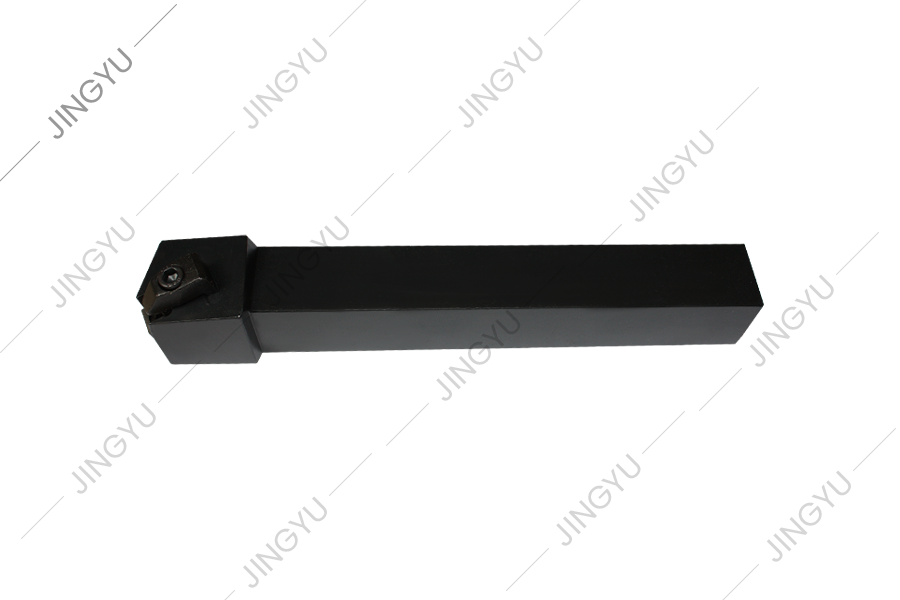
This series mainly provides common-wearing parts for CNC roll lathes, such as CBN blades, PCD blades, chucks, screws, etc.
See Details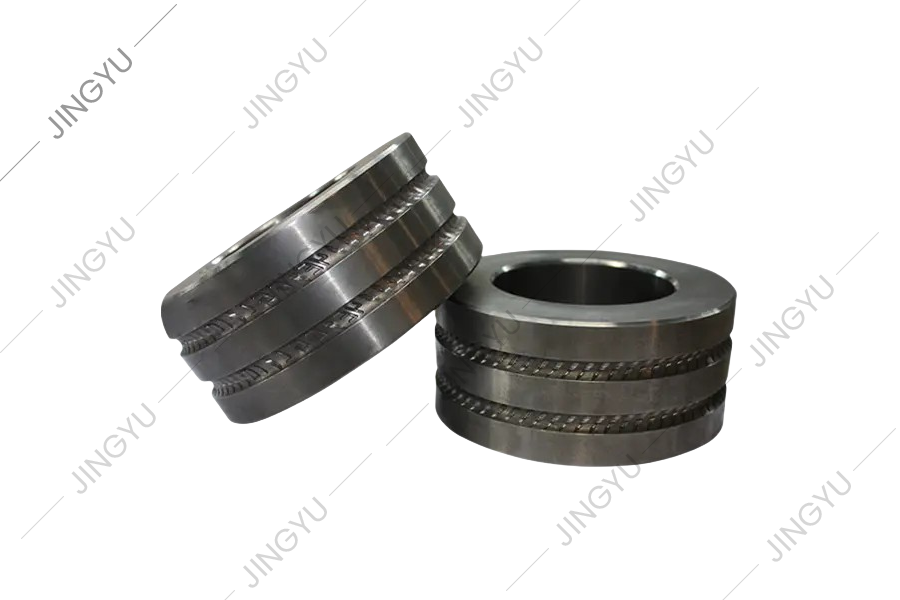
This series mainly provides common-wearing parts for CNC TC ring grinding machines and composite roll grinding machines, such as mandrels, dynamic and...
See DetailsNo.3, Xinghe Road, Zhaxi Industrial Park, Chongchuan District, Nantong, Jiangsu Province, 226003, P.R.China
info@rolllathe.com jennifergao@rolllathe.com
+86-513-85636116
Copyright © Nantong Jingyu Machinery Co., Ltd. All Rights Reserved
 China Roll Turning Lathe Manufacturers
