


 English
 русский
 عربى
عربى
Cat:CNC Roll Milling Machine
CNC Notching and Marking Machine
XK9350 series CNC rebar roll crescent groove milling machine is the upgraded product of XK500 type, which is suitable for processing rolls with diamet...
See DetailsCNC roll milling machines are advanced manufacturing tools designed for precision shaping and processing of cylindrical or rolled materials. These machines are widely used in industries such as metalworking, paper production, and steel manufacturing to achieve high-accuracy machining of rolls, shafts, and other cylindrical components. The combination of computer numerical control (CNC) and robust mechanical systems allows the machines to perform complex cutting, grinding, and milling operations with minimal manual intervention. Continuous processing is a common operational mode, and maintaining dimensional accuracy and surface quality during extended runs is a key concern for manufacturers.
The stability of a CNC roll milling machine's accuracy during continuous operation is influenced by several factors. Thermal expansion of components, wear of cutting tools, vibration of the machine frame, and feed system precision can all impact machining outcomes. High-speed rotation or prolonged cutting can generate heat, causing expansion of both the workpiece and machine parts. Proper cooling and temperature management systems are essential to minimize these effects. Regular maintenance of the spindle, linear guides, and ball screws ensures that mechanical precision is preserved, allowing consistent dimensional accuracy throughout continuous production cycles.
CNC systems play a crucial role in maintaining accuracy during continuous operation. Modern CNC controllers use closed-loop feedback systems with encoders and sensors to monitor tool position and adjust movements in real time. These systems can compensate for minor deviations caused by vibration, thermal changes, or mechanical backlash. Advanced software algorithms optimize cutting paths, feed rates, and spindle speeds to reduce stress on the machine and maintain consistent tolerances. The integration of monitoring and control technology ensures that the machine delivers repeatable results even under extended operational loads.
Cutting tool wear is a critical factor affecting the precision of CNC roll milling machines. Over time, tools may experience edge rounding, chipping, or coating degradation, which can lead to dimensional deviations or surface imperfections on the workpiece. Implementing tool wear monitoring, scheduled replacements, and reconditioning can minimize the effects on machining accuracy. Using high-quality, wear-resistant tools suitable for the specific material being processed also contributes to the stability of results during continuous production cycles.
Vibration is another factor that can compromise accuracy during prolonged operation. Vibrations may arise from imbalance in rotating components, uneven material feed, or external environmental influences. CNC roll milling machines are designed with rigid frames, damping systems, and precise bearings to mitigate vibration. Proper setup, including securing the workpiece and aligning the machine correctly, further reduces the risk of deviation. Minimizing vibration ensures that the cutting tool maintains consistent contact with the workpiece, preserving dimensional accuracy and surface quality.
Heat generated during continuous milling can cause thermal expansion of both the machine structure and the material being processed. This expansion may result in changes to the cutting path and deviations from target dimensions. CNC roll milling machines often include cooling systems, such as liquid coolant circulation, air fans, or heat-dissipating materials, to control temperature fluctuations. Monitoring the temperature at key points and adjusting feed or speed parameters can maintain precision throughout extended runs. Effective thermal management is essential to ensure that continuous processing does not compromise the dimensional accuracy of finished components.
Regular maintenance is essential for ensuring that CNC roll milling machines maintain stable accuracy. Routine tasks include lubrication of moving parts, inspection of linear guides and ball screws, recalibration of CNC systems, and verification of spindle alignment. Scheduled replacement of worn components prevents gradual degradation in performance. Implementing preventive maintenance routines and keeping detailed records of machine condition can help predict and address potential issues before they affect accuracy, ensuring reliable operation during continuous production cycles.
| Factor | Description | Impact on Accuracy |
|---|---|---|
| Thermal Expansion | Heat generated during continuous cutting | Can cause dimensional deviations if not managed |
| Tool Wear | Edge rounding, chipping, or coating degradation | Leads to dimensional inconsistencies and surface imperfections |
| Vibration | Machine frame or workpiece movement | Affects tool contact and results in uneven machining |
| CNC Feedback System | Encoders, sensors, and control algorithms | Compensates for deviations and maintains precision |
| Machine Maintenance | Lubrication, alignment, and component replacement | Prevents performance degradation and ensures consistent results |
Continuous monitoring and quality control are essential to ensure stability in CNC roll milling. Measurement systems, such as laser scanners, coordinate measuring machines, or touch probes, can detect deviations in real time. Integrating these monitoring systems into the production process allows operators to adjust parameters or replace tools promptly, maintaining consistent product quality. Documentation of measurements also provides valuable data for process optimization and future production planning.
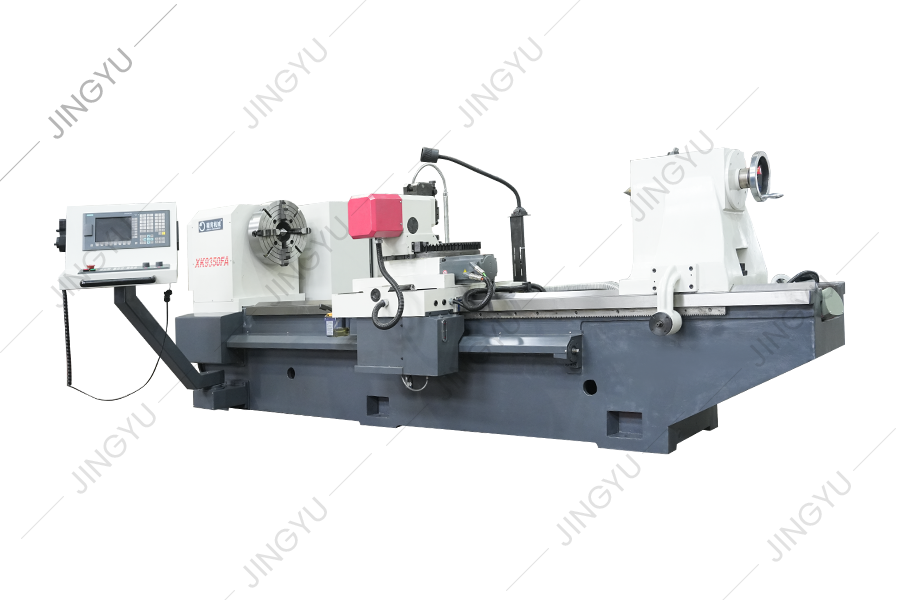
XK9350 series CNC rebar roll crescent groove milling machine is the upgraded product of XK500 type, which is suitable for processing rolls with diamet...
See Details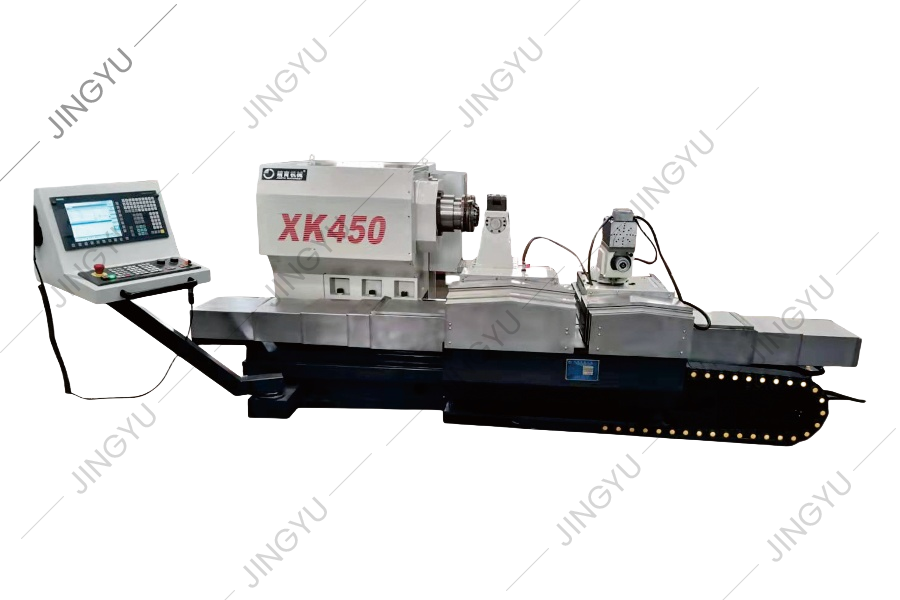
We have accumulated rich experience in the processing and use of rebar rolls, and have conducted in-depth analysis and research on the technology of s...
See Details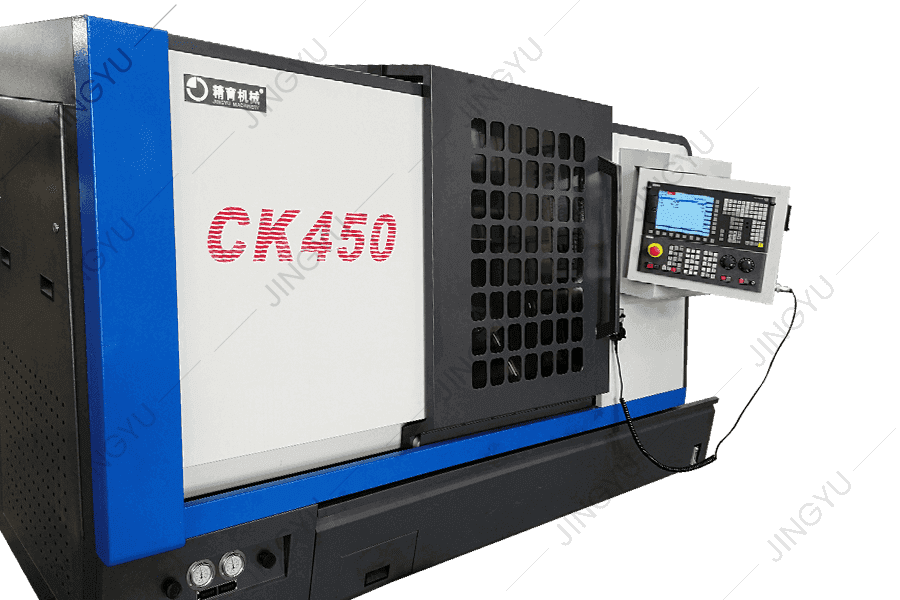
The CK450 inclined bed CNC lathe adopts the German Siemens control system. The appearance, operating system, and safety protection system of the machi...
See Details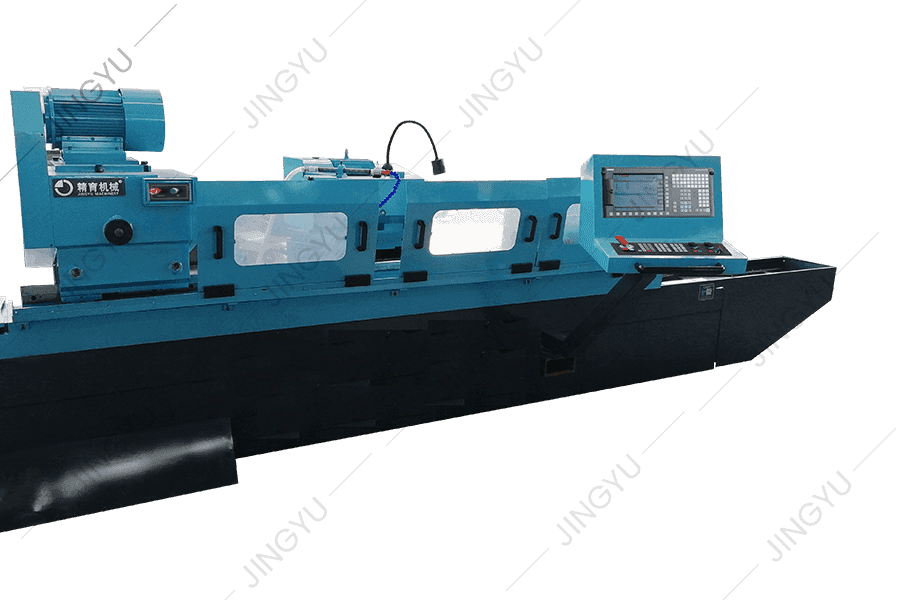
MK8450 CNC roll grinder is mainly used for rough grinding, semi-finish grinding, fine grinding, and non-spark grinding of the outer circles and R groo...
See Details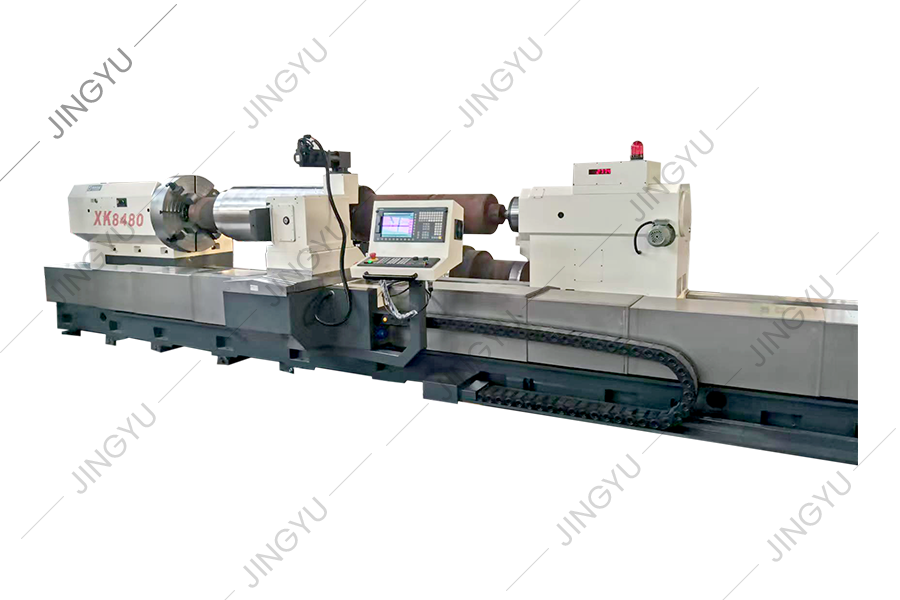
At present, pattern roll engraving at home and abroad generally adopts electrolysis method, ordinary horizontal milling machine milling and other proc...
See Details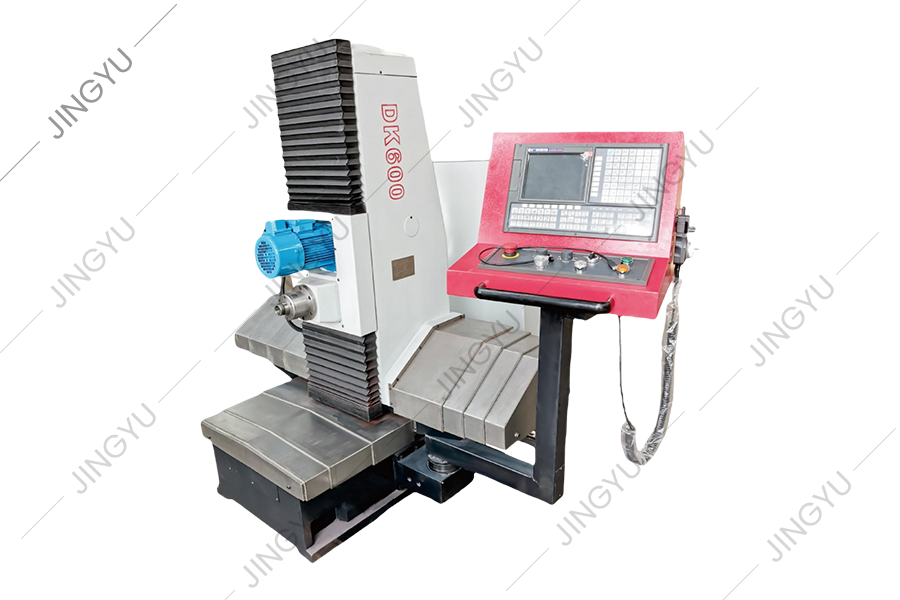
CNC roll engraving machine is suitable for processing various roll end face markings. Through the automatic editing software, it can generate processi...
See Details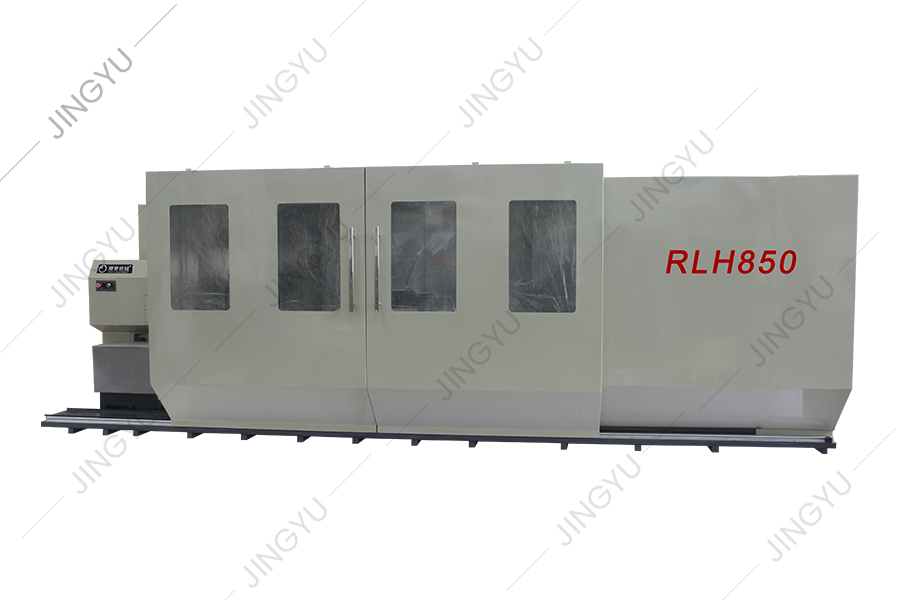
This machine tool is a new type of CNC roll grooving machine tool developed based on the company's CNC roll milling machine series and after full rese...
See Details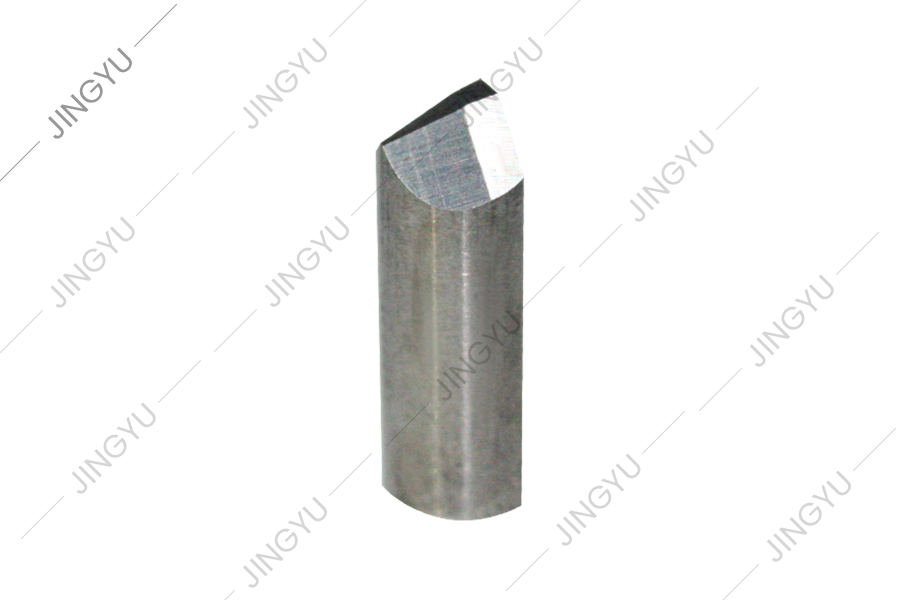
This series is mainly for CNC crescent groove milling machines to provide common-wearing parts, such as milling tool holders, milling cutters, support...
See Details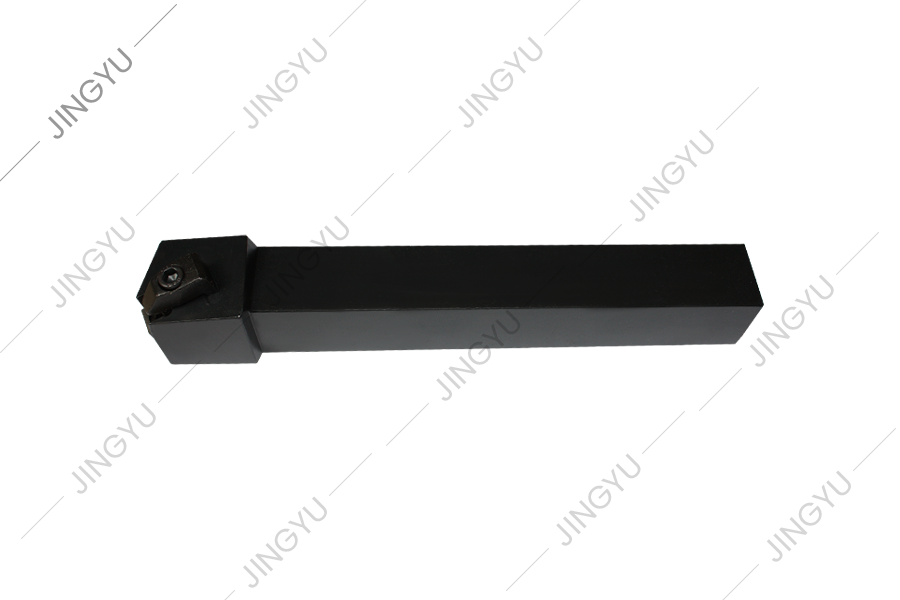
This series mainly provides common-wearing parts for CNC roll lathes, such as CBN blades, PCD blades, chucks, screws, etc.
See Details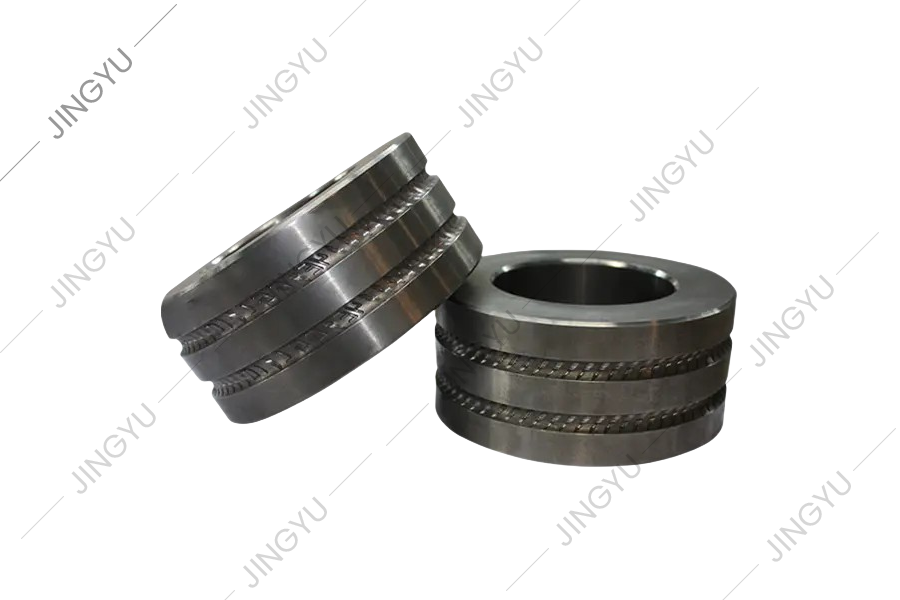
This series mainly provides common-wearing parts for CNC TC ring grinding machines and composite roll grinding machines, such as mandrels, dynamic and...
See DetailsNo.3, Xinghe Road, Zhaxi Industrial Park, Chongchuan District, Nantong, Jiangsu Province, 226003, P.R.China
info@rolllathe.com jennifergao@rolllathe.com
+86-513-85636116
Copyright © Nantong Jingyu Machinery Co., Ltd. All Rights Reserved
 China Roll Turning Lathe Manufacturers
