


 English
 русский
 عربى
عربى
Cat:CNC Roll Milling Machine
CNC Notching and Marking Machine
XK9350 series CNC rebar roll crescent groove milling machine is the upgraded product of XK500 type, which is suitable for processing rolls with diamet...
See DetailsCNC roll milling machines are precision industrial tools used to shape, grind, and mill cylindrical materials. These machines are widely utilized in metalworking, paper, and steel industries, among others. Given their high-speed operation, heavy components, and sharp cutting tools, safety considerations are crucial. The presence of operating safety guards or covers is an essential feature for protecting operators from mechanical hazards, flying debris, and accidental contact with moving parts. Understanding the role of these safety features is important for ensuring safe and efficient operation in industrial environments.
Safety guards and covers are designed to create a physical barrier between the operator and potentially dangerous components of a CNC roll milling machine. These guards are typically made from durable materials such as steel, polycarbonate, or reinforced plastics. They are strategically placed around the spindle, cutting tools, and moving parts to prevent accidental contact. In addition to protecting personnel, these covers also help contain metal chips, coolant spray, and other debris, contributing to a cleaner and safer work environment. The design of the guard must not obstruct the operator’s ability to monitor the machining process or access necessary controls.
Various types of safety guards are used in CNC roll milling machines. Fixed guards provide a permanent barrier around hazardous areas, ensuring consistent protection. Interlocked guards include switches that prevent the machine from operating if the guard is not in place, adding a layer of safety against human error. Transparent or see-through covers allow operators to observe machining operations without removing the protective barrier. Some machines incorporate retractable or adjustable guards to accommodate different workpiece sizes while maintaining safety. The selection of guard type depends on the machine configuration, operational requirements, and safety standards.
While safety guards provide essential protection, they are designed to minimize interference with machine performance. Properly designed guards do not impede the movement of the cutting tool or limit access to control panels. In some cases, safety covers can improve operational efficiency by reducing the risk of accidents and machine downtime. Guards also help maintain a cleaner workspace by containing debris and coolant, which can reduce the frequency of maintenance and cleaning cycles. Overall, a well-integrated safety guard system contributes to safer, more reliable, and efficient CNC roll milling operations.
CNC roll milling machines equipped with operating safety guards or covers often comply with industrial safety standards and regulations. These standards, such as ISO 12100 for machinery safety or OSHA requirements for workplace safety, define minimum protective measures for industrial equipment. Compliance ensures that the machine meets recognized safety benchmarks, reducing the risk of injury and liability for operators and manufacturers. Adhering to these standards also promotes a culture of safety and encourages proper training and maintenance practices among personnel.
Maintaining the integrity of safety guards is crucial for ongoing protection. Regular inspection is necessary to check for cracks, deformation, loose fasteners, or other damage that could compromise the guard’s effectiveness. Lubrication of moving covers or interlock mechanisms ensures smooth operation and prevents malfunction. Maintenance schedules should be documented and aligned with the machine’s overall service plan. Proper maintenance not only preserves the protective function of the guard but also contributes to the overall longevity and reliability of the CNC roll milling machine.
Modern CNC roll milling machines often integrate safety guard features with the machine’s control system. Interlock switches connected to the CNC controller prevent operation if a guard is removed or improperly positioned. This integration can include automatic shutdown or emergency stop functions, ensuring immediate cessation of machine movement when a potential hazard is detected. These systems provide real-time monitoring and enhance operator safety without significantly impacting production workflow, allowing continuous machining with minimized risk.
| Aspect | Details | Impact on Safety and Operation |
|---|---|---|
| Material | Steel, polycarbonate, or reinforced plastics | Provides durable protection against impact and debris |
| Type | Fixed, interlocked, transparent, or adjustable | Ensures continuous protection while accommodating operational needs |
| Interlock Mechanism | Switches connected to the CNC controller | Prevents operation when guards are removed or misaligned |
| Maintenance | Regular inspection and lubrication | Ensures guards remain effective and do not interfere with machining |
| Compliance | ISO and OSHA standards | Reduces risk of injury and ensures regulatory adherence |
Even with effective safety guards, operator training is critical for safe CNC roll milling operations. Personnel must be educated on the proper use of guards, interlock systems, and emergency stop mechanisms. Training should also cover the risks associated with rotating tools, high-speed spindles, and flying debris. Adherence to safe practices, including wearing personal protective equipment (PPE) and avoiding bypassing guards, is essential for preventing accidents. Continuous reinforcement of safety protocols helps maintain a safe working environment and maximizes the protective benefits of the installed safety guards.
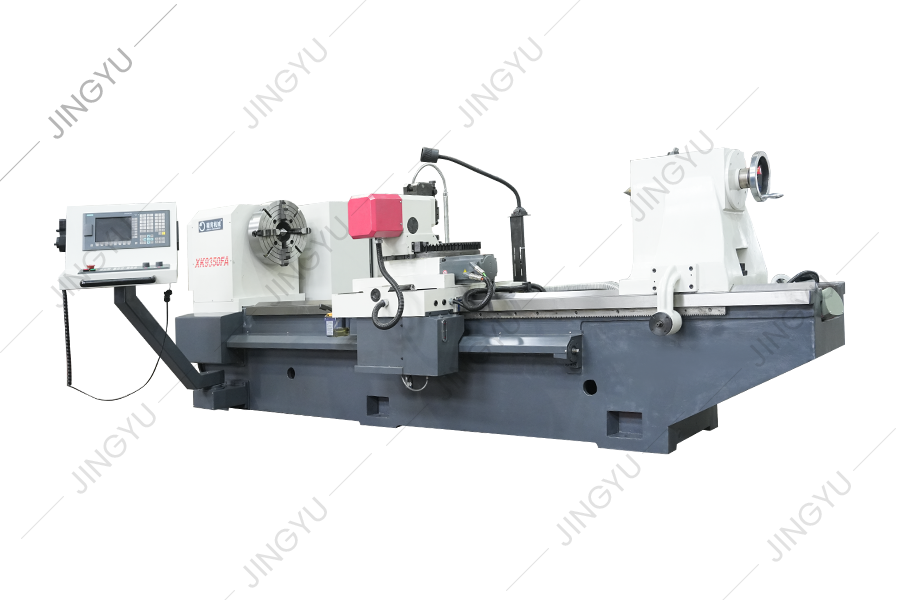
XK9350 series CNC rebar roll crescent groove milling machine is the upgraded product of XK500 type, which is suitable for processing rolls with diamet...
See Details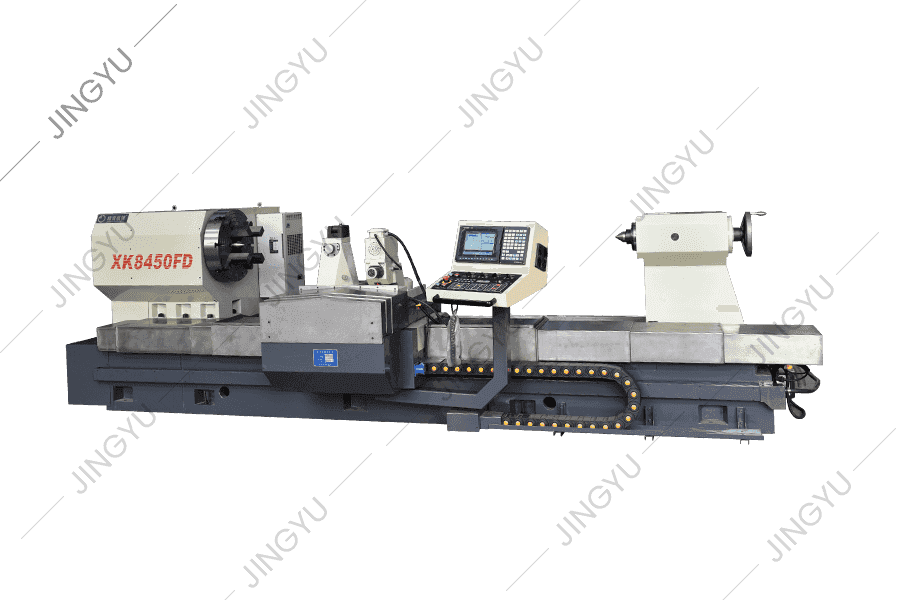
In view of the problems of high speed steel roll processing, XK8450 CNC roll milling machine is a new type of CNC roll groove processing machine tool ...
See Details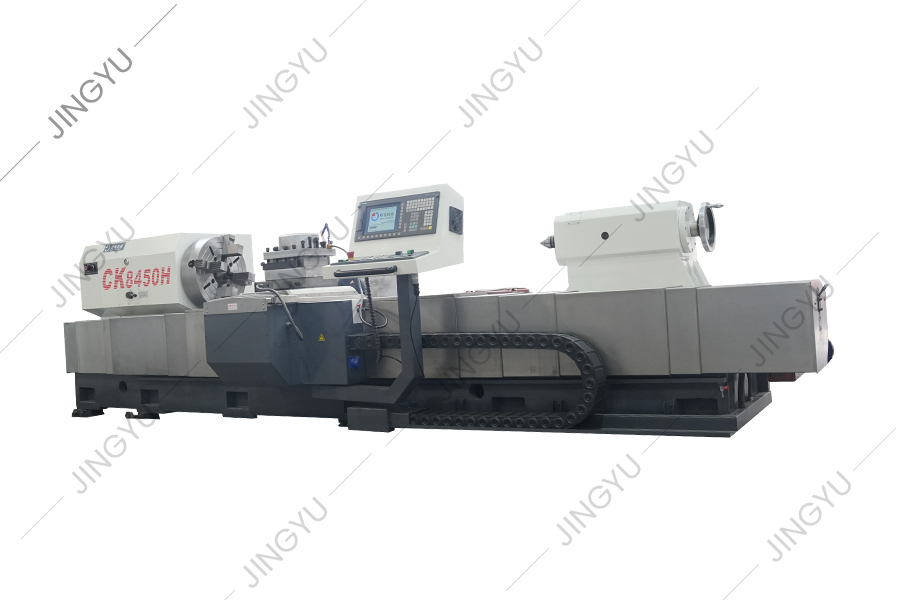
This series of machine tools is mainly used to pass and process rolls. It can also turn the outer circle and roll neck of rolls, and can also turn par...
See Details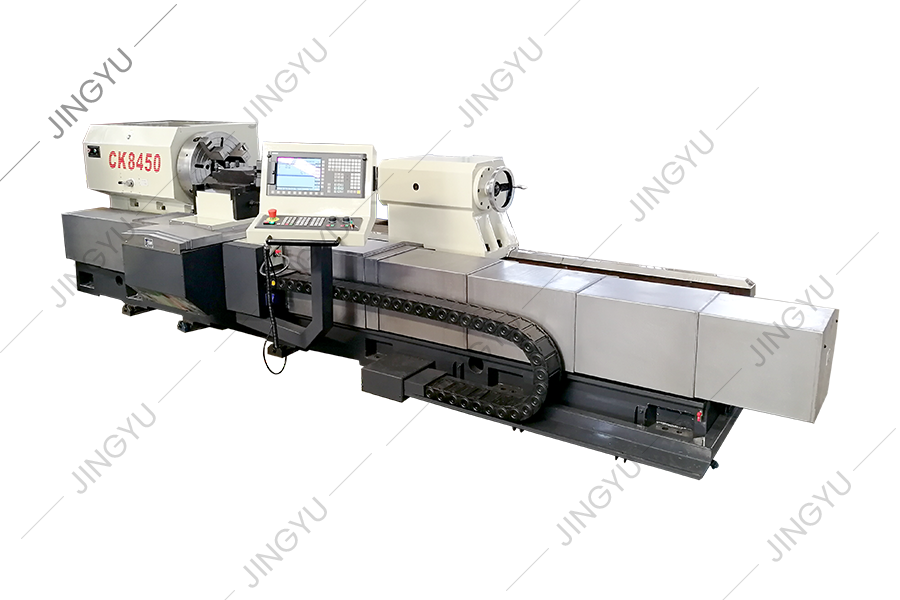
This series of machine tools is mainly used to pass and process rolls. It can also turn the outer circle and roll neck of rolls, and can also turn par...
See Details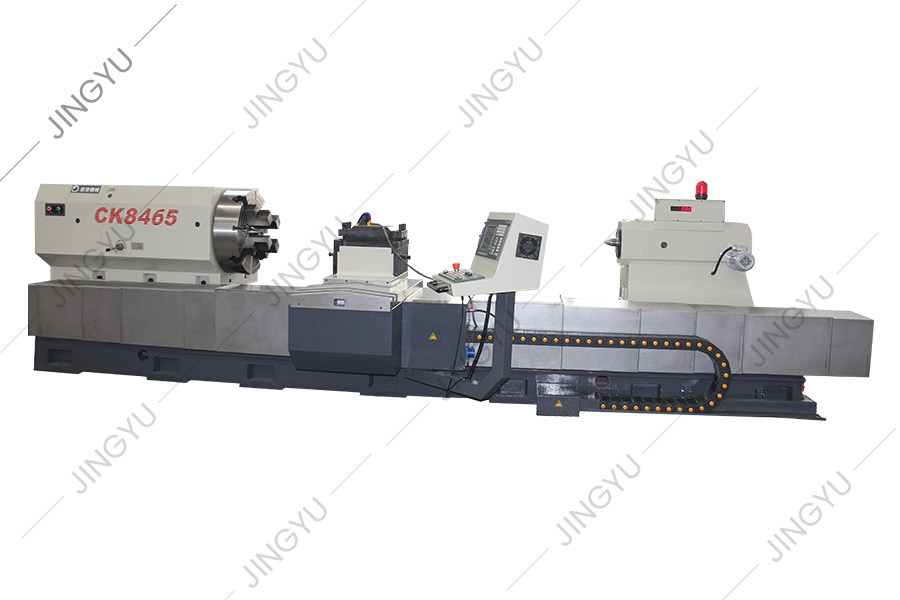
CK8465H CNC roll lathe bed adopts a 2+3 heavy-duty linear rolling guide structure, that is, two rectangular guide rails arranged horizontally on the b...
See Details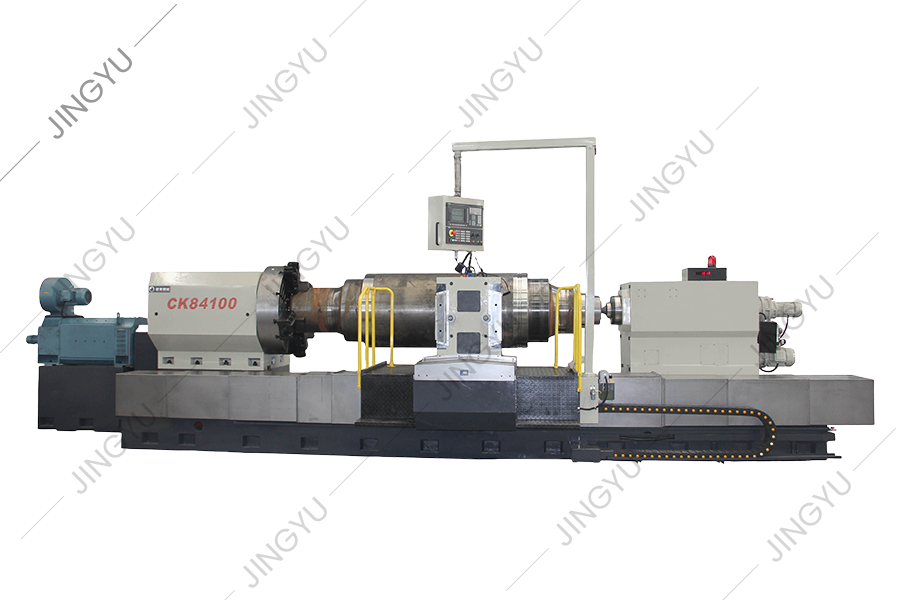
CK84 series CNC roll lathe adopts Siemens 828D CNC system and is driven by a servo motor. When designing this machine tool, we fully analyzed the tech...
See Details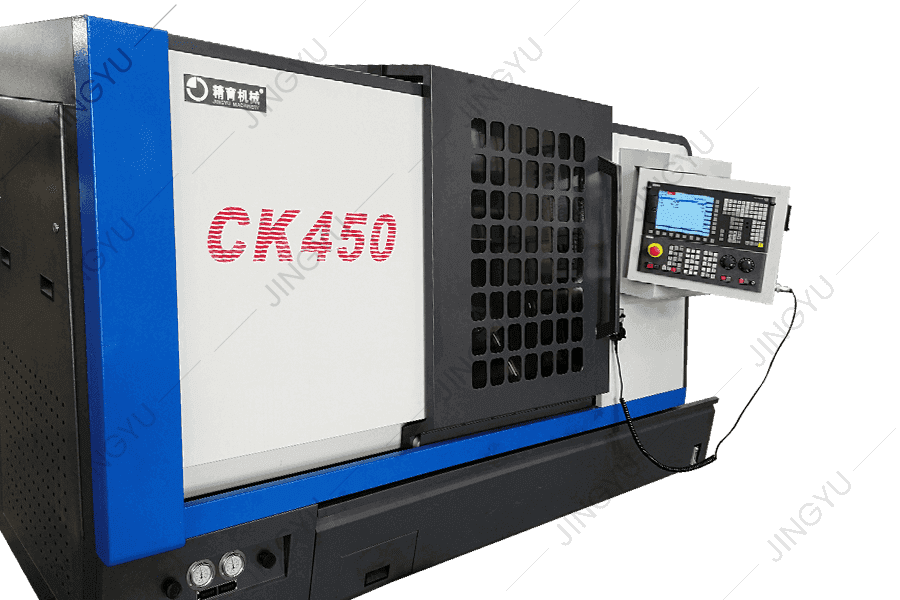
The CK450 inclined bed CNC lathe adopts the German Siemens control system. The appearance, operating system, and safety protection system of the machi...
See Details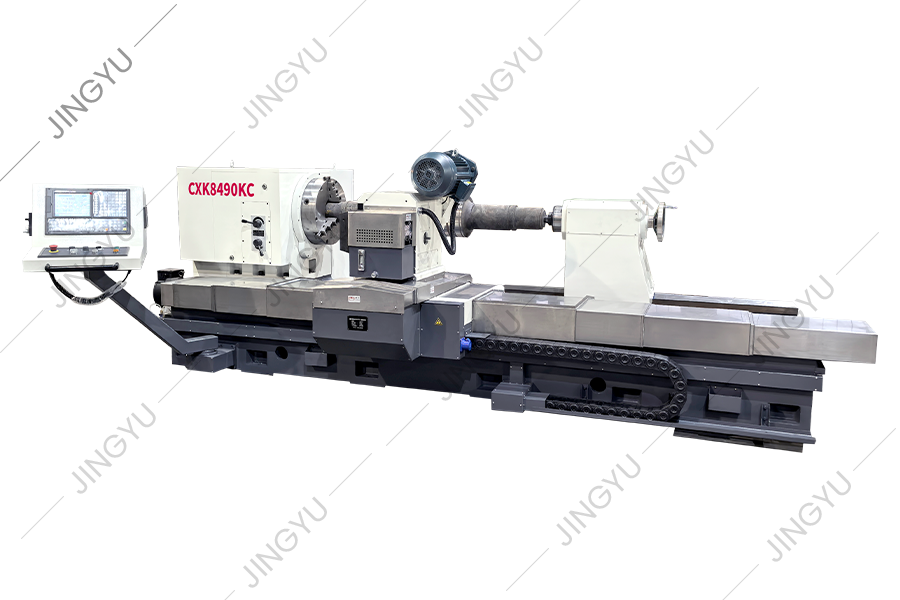
This machine tool is a new type of CNC roll grooving machine tool developed based on the company's CNC roll milling machine series and after full rese...
See Details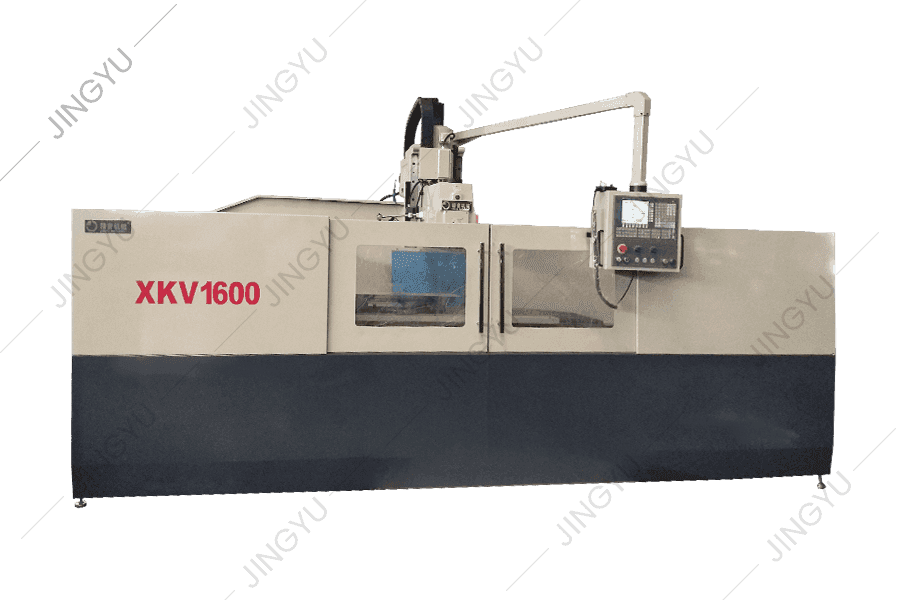
The CNC-reinforced milling machine adopts a full-gear spindle box, and the spindle transmission part adopts gears with precision of more than 6 levels...
See Details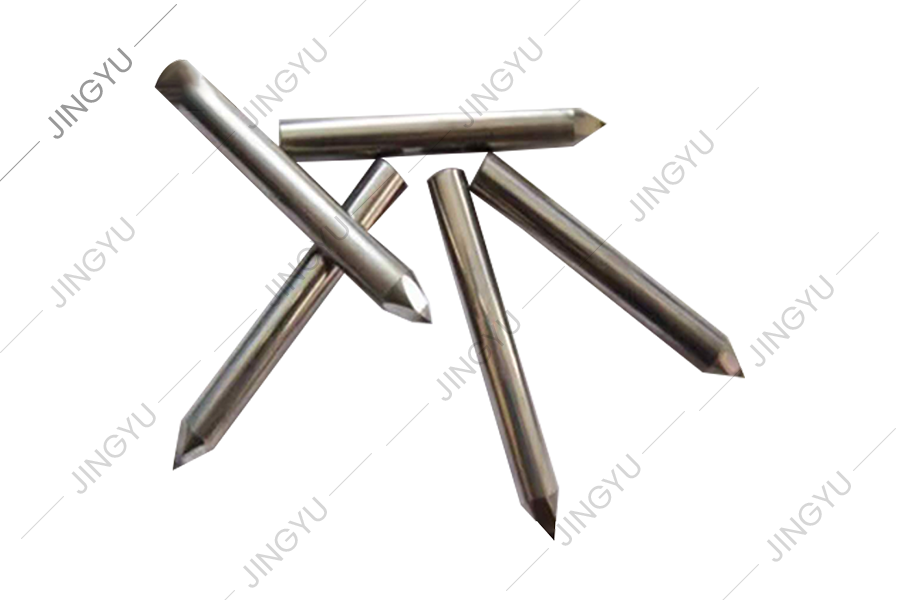
We also supply other spare parts, such as checkered plate milling cutters, roll slotting tools, oil pumps, motors, CNC systems, etc.
See DetailsNo.3, Xinghe Road, Zhaxi Industrial Park, Chongchuan District, Nantong, Jiangsu Province, 226003, P.R.China
info@rolllathe.com jennifergao@rolllathe.com
+86-513-85636116
Copyright © Nantong Jingyu Machinery Co., Ltd. All Rights Reserved
 China Roll Turning Lathe Manufacturers
