


 English
 русский
 عربى
عربى
Cat:CNC Roll Milling Machine
CNC Notching and Marking Machine
XK9350 series CNC rebar roll crescent groove milling machine is the upgraded product of XK500 type, which is suitable for processing rolls with diamet...
See DetailsCNC roller grinders are essential machines in many industries, particularly in the production of materials such as metals, plastics, and other components that require fine grinding and shaping. These machines are specifically designed to provide high precision and efficiency in producing products with smooth, accurate surfaces. However, despite their significant advantages, users of CNC roller grinders often encounter several challenges. These challenges can arise from operational issues, machine maintenance, software malfunctions, and other factors that impact the overall performance and longevity of the equipment. Understanding these issues and finding ways to mitigate them can significantly improve productivity and machine lifespan.
One of the first challenges that users often face when operating CNC roller grinders is the complexity involved in setting up and calibrating the machine. CNC systems require precise programming and adjustments to ensure that the grinding process aligns with the desired specifications. Even a small error in setup can lead to defective parts, increased wear on the grinding wheels, and reduced production efficiency. For operators who are not fully familiar with the machine’s software and mechanical components, the setup process can be time-consuming and prone to mistakes. Ensuring that operators are properly trained and equipped with adequate resources for machine setup is crucial in avoiding these issues.
Achieving consistent grinding quality is another significant challenge with CNC roller grinders. The performance of the grinder can be affected by several factors, such as the type of material being processed, the condition of the grinding wheels, and the settings on the machine. If the grinding wheel becomes worn or clogged, it may not provide the necessary surface finish or precision required, leading to product defects. Moreover, variations in the material’s hardness or structure can also cause inconsistencies in the grinding process. Regular monitoring and maintenance of the grinding wheels, as well as ensuring proper material handling, can help minimize these variations and maintain consistent results over time.
Grinding wheels are one of the most critical components in a CNC roller grinder. They undergo substantial wear and tear due to their constant contact with the material being ground. Over time, the grinding wheels can become dull or damaged, resulting in poor grinding performance and increased downtime for maintenance. Additionally, improper storage or handling of grinding wheels can accelerate wear and reduce their lifespan. To minimize these issues, operators must regularly inspect the condition of the grinding wheels, ensure they are properly aligned, and replace them when necessary to maintain the precision of the grinding process.
Modern CNC roller grinders rely heavily on advanced software for programming and controlling the machine. While these software systems offer a high degree of flexibility and precision, they also introduce the potential for errors. Mistakes in programming, improper machine parameter settings, or outdated software can lead to incorrect grinding operations, potentially damaging both the workpiece and the grinder itself. Furthermore, software malfunctions, crashes, or incompatibility with other systems can disrupt the entire production process. Regular software updates, proper programming practices, and periodic system checks are essential in minimizing the risk of software-related issues.
The performance of a CNC roller grinder can also be influenced by environmental factors, particularly temperature fluctuations. CNC machines are designed to operate within specific temperature ranges, and excessive heat or cold can affect the accuracy of the grinding process. For example, temperature changes can lead to thermal expansion or contraction of machine components, which in turn can cause misalignment or variations in grinding precision. To address this, it is important to maintain a stable working environment for the machine, ensuring that the temperature is within the recommended operating range and that humidity levels are controlled to prevent corrosion and other environmental damage.
Maintenance is an essential aspect of CNC roller grinder operation, but it can also be a source of challenges. Regular maintenance tasks, such as cleaning, lubrication, and checking for worn-out components, are necessary to keep the machine functioning optimally. However, performing maintenance can take time away from production, leading to downtime and reduced output. Additionally, if maintenance is not performed properly, it can lead to more serious issues, such as machine failure or costly repairs. Developing a well-structured maintenance schedule and ensuring that technicians are properly trained can help minimize downtime and keep the machine in good working condition for longer periods.
CNC roller grinders, like other industrial machines, require a significant amount of energy to operate. The high precision and power required for grinding operations can lead to substantial energy consumption, which in turn increases operational costs. Additionally, the need for frequent maintenance and the replacement of grinding wheels and other components can add to the overall cost of operation. Companies must balance the need for high-performance grinding with the need to minimize energy consumption and reduce operational costs. This may involve optimizing machine settings, improving energy efficiency, and exploring ways to reduce waste in the grinding process.
Another common issue faced by users of CNC roller grinders is the need for highly skilled operators. The complexity of CNC systems and the precision required in grinding operations necessitate that operators are well-trained and knowledgeable in both the mechanical and software aspects of the machine. Inadequate training can lead to errors in programming, poor maintenance practices, and suboptimal performance. To address this, manufacturers should invest in comprehensive training programs for operators, ensuring they are equipped with the skills and knowledge necessary to operate the machine efficiently and troubleshoot common issues.
Overloading the CNC roller grinder beyond its designed capacity can lead to overheating and damage to both the machine and the materials being processed. Overheating can cause various problems, including breakdowns of critical components, such as the motor or grinding wheel. To prevent this, it is important to ensure that the machine is not subjected to excessive loads or high-speed operations beyond its rated capacity. Operators should follow the manufacturer’s guidelines for optimal load limits and make necessary adjustments to machine parameters when handling tougher materials or larger workpieces.
Maintaining the desired quality of the final product is one of the primary goals when using a CNC roller grinder. However, ensuring that the grinding process consistently meets high standards of precision and surface finish can be difficult. Variations in raw materials, fluctuations in machine performance, and inconsistencies in operator techniques can all contribute to deviations in product quality. Effective quality control measures, such as regular inspections, in-process measurements, and feedback loops, are essential to identify and address any discrepancies early in the production process. Additionally, using automated inspection systems can help improve the accuracy of quality control, reducing human error and enhancing overall production efficiency.
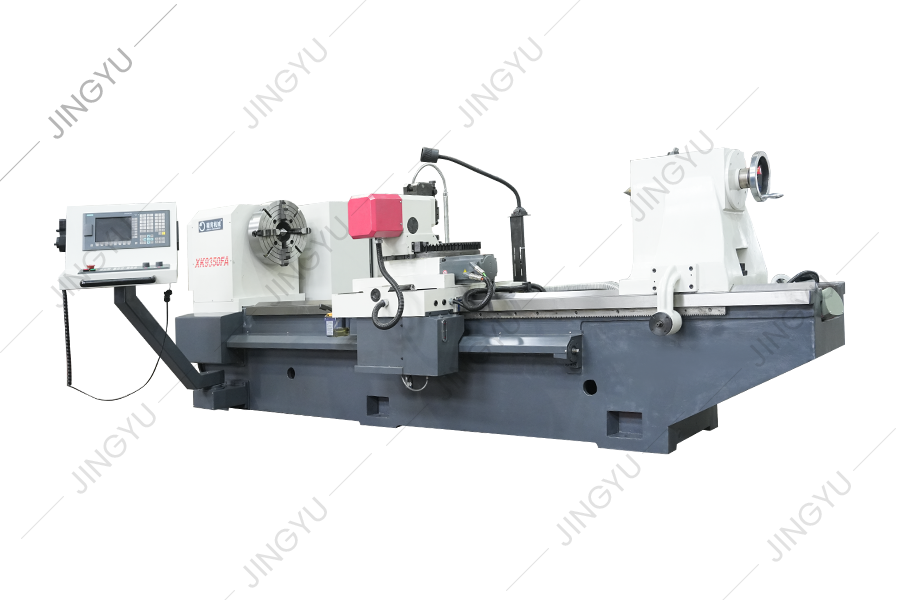
XK9350 series CNC rebar roll crescent groove milling machine is the upgraded product of XK500 type, which is suitable for processing rolls with diamet...
See Details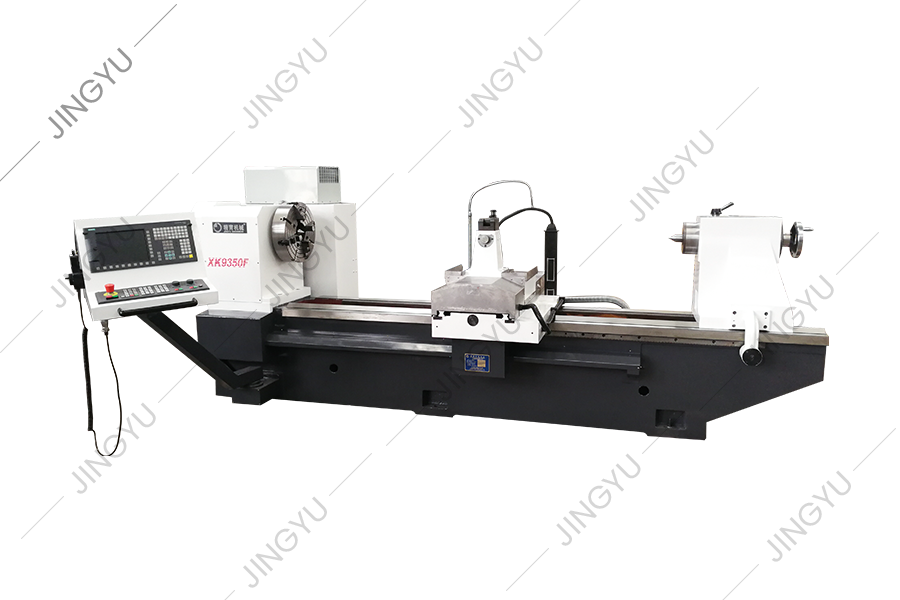
XK9350 series CNC rebar roll crescent groove milling machine is the upgraded product of XK500 type, which is suitable for processing rolls with diamet...
See Details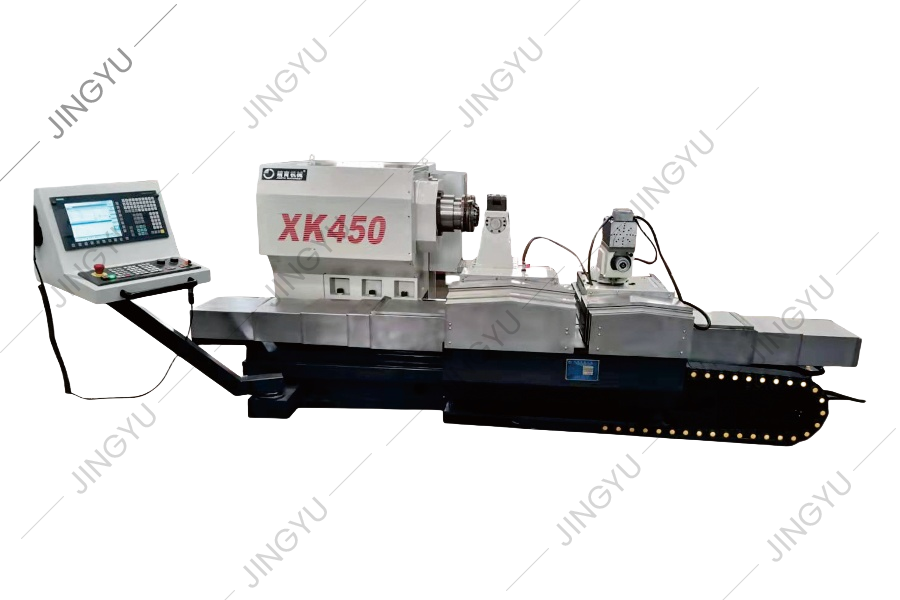
We have accumulated rich experience in the processing and use of rebar rolls, and have conducted in-depth analysis and research on the technology of s...
See Details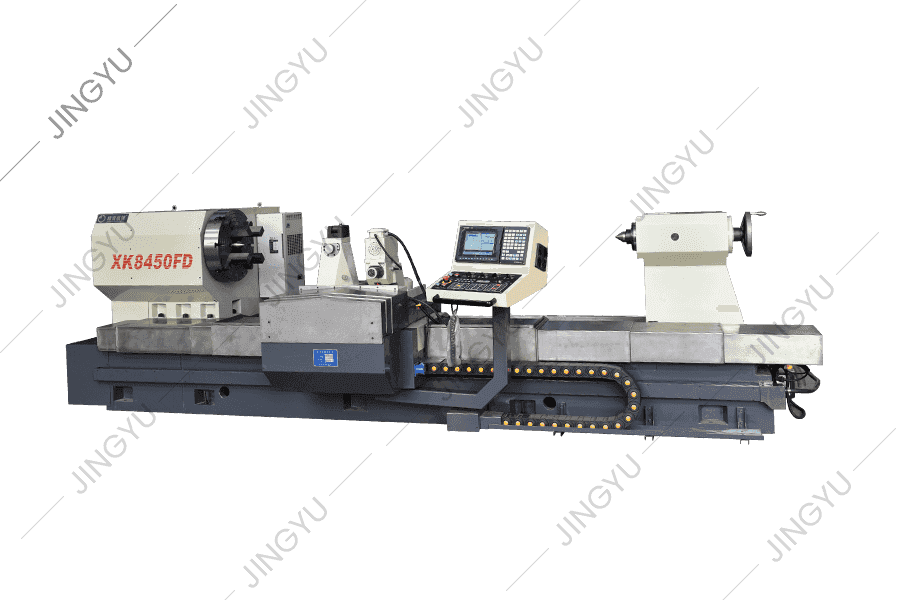
In view of the problems of high speed steel roll processing, XK8450 CNC roll milling machine is a new type of CNC roll groove processing machine tool ...
See Details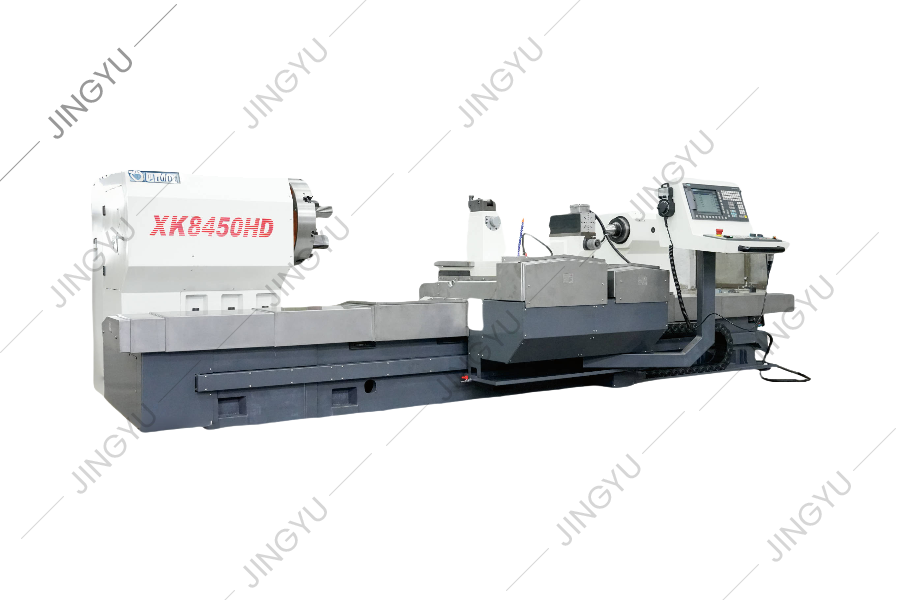
In view of the problems of high-speed steel roll processing, the XK8450 CNC roll milling machine is a new type of CNC roll groove processing machine t...
See Details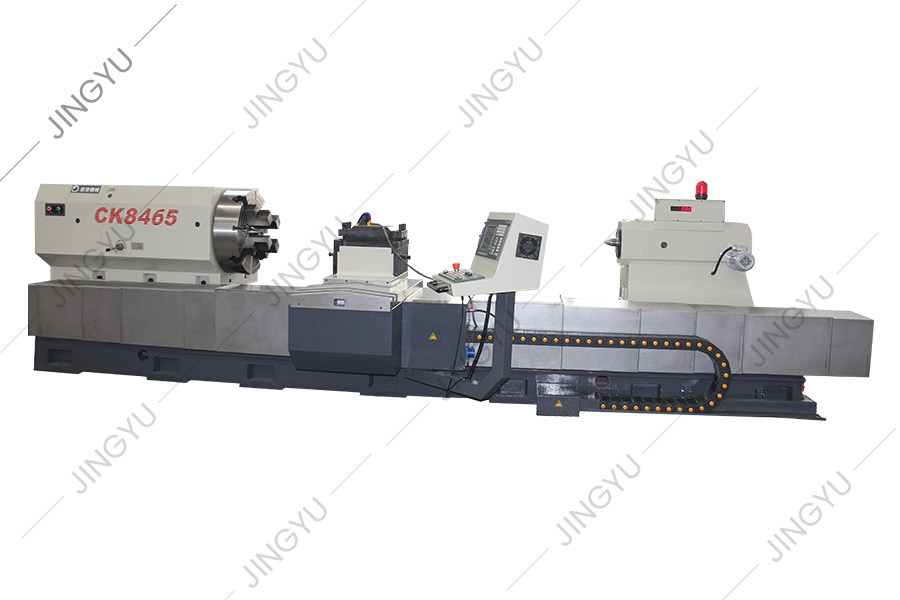
CK8465H CNC roll lathe bed adopts a 2+3 heavy-duty linear rolling guide structure, that is, two rectangular guide rails arranged horizontally on the b...
See Details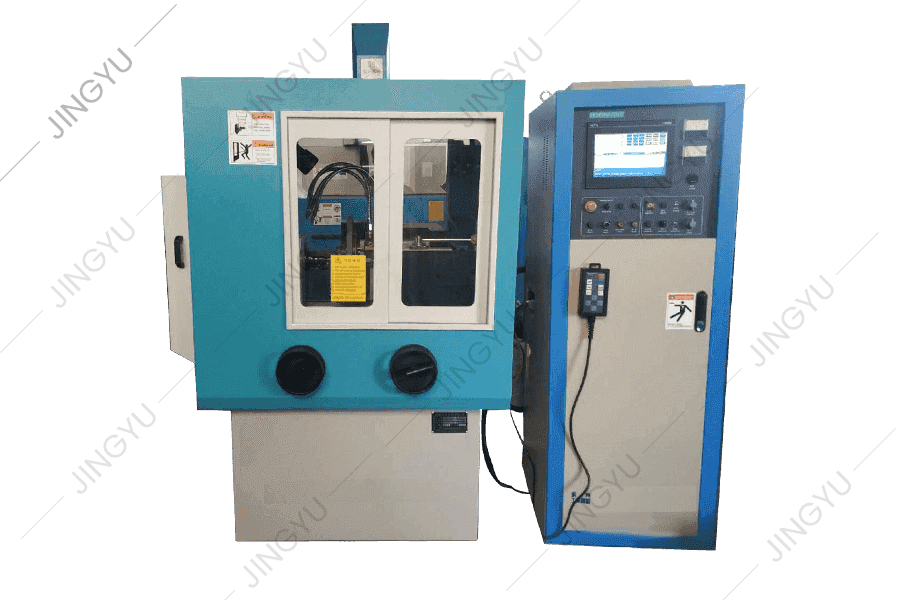
MX250 is a standard diamond wheel dressing machine, used for forming and dressing diamond wheels for metallurgical steel mills. The diameter of diamon...
See Details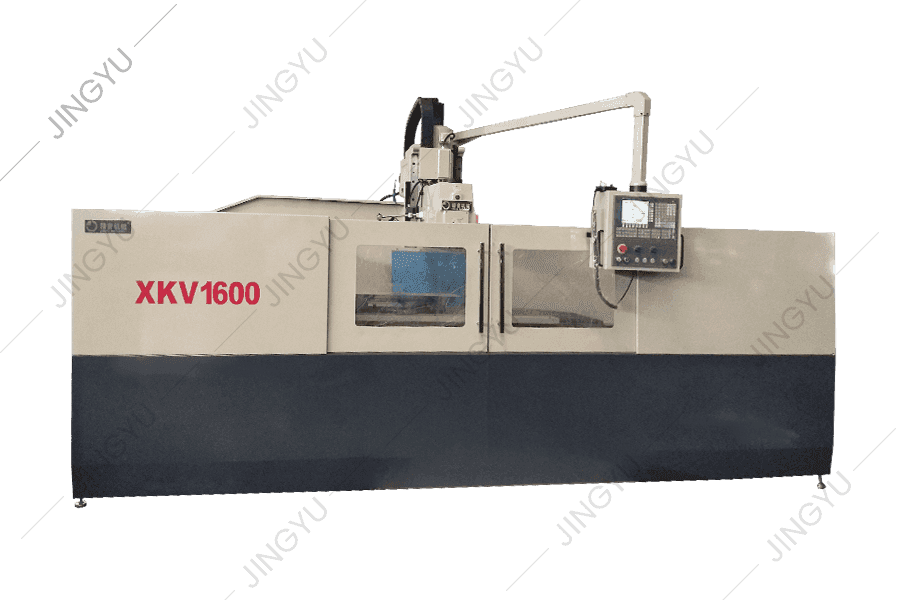
The CNC-reinforced milling machine adopts a full-gear spindle box, and the spindle transmission part adopts gears with precision of more than 6 levels...
See Details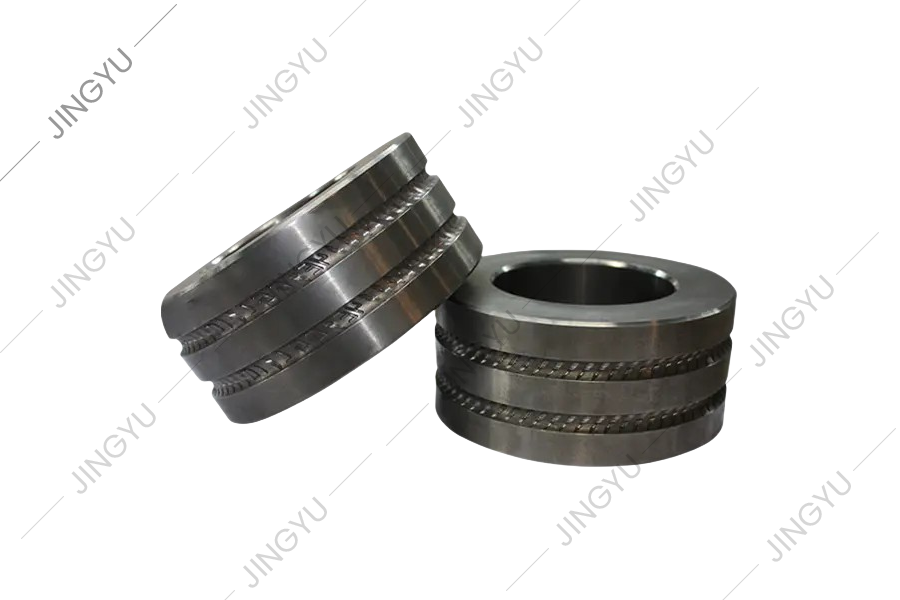
This series mainly provides common-wearing parts for CNC TC ring grinding machines and composite roll grinding machines, such as mandrels, dynamic and...
See Details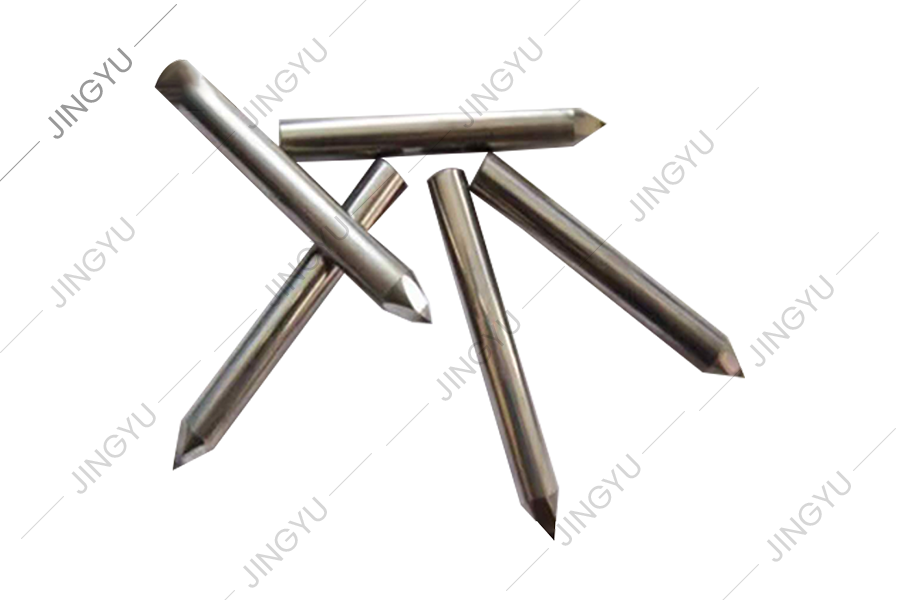
We also supply other spare parts, such as checkered plate milling cutters, roll slotting tools, oil pumps, motors, CNC systems, etc.
See DetailsNo.3, Xinghe Road, Zhaxi Industrial Park, Chongchuan District, Nantong, Jiangsu Province, 226003, P.R.China
info@rolllathe.com jennifergao@rolllathe.com
+86-513-85636116
Copyright © Nantong Jingyu Machinery Co., Ltd. All Rights Reserved
 China Roll Turning Lathe Manufacturers
