


 English
 русский
 عربى
عربى
Cat:CNC Roll Milling Machine
CNC Notching and Marking Machine
XK9350 series CNC rebar roll crescent groove milling machine is the upgraded product of XK500 type, which is suitable for processing rolls with diamet...
See DetailsCNC (Computer Numerical Control) roller ring lathes are highly advanced machining tools used in the production of precise components, particularly those with a cylindrical or ring-like shape. These lathes are crucial in industries such as aerospace, automotive, and industrial manufacturing, where high accuracy is required. CNC technology allows for automation of the cutting process, improving both efficiency and consistency. One of the key parameters for optimizing the performance of a CNC roller ring lathe is the cutting speed and feed rate. Proper adjustment of these parameters can significantly affect both the quality of the machined part and the longevity of the tool.
Before delving into the optimization process, it's important to understand what cutting speed and feed rate are and how they impact machining. Cutting speed refers to the speed at which the cutting tool moves relative to the workpiece material. It is typically measured in meters per minute (m/min) or feet per minute (ft/min). Feed rate, on the other hand, refers to the rate at which the tool moves along the material's surface during the cutting process. It is usually measured in millimeters per minute (mm/min) or inches per minute (in/min). Both of these parameters are crucial for achieving the right balance between machining time, surface finish, and tool wear. If they are not properly optimized, the workpiece may be overcut or undercut, leading to poor part quality or excessive tool wear.
Several factors influence the cutting speed and feed rate in CNC roller ring lathe operations. These factors include the material of the workpiece, the type of cutting tool used, the machine's capabilities, and the desired finish quality. Understanding the specific requirements of each of these variables is critical to selecting the appropriate cutting speed and feed rate. The material being machined plays a major role in determining the optimal settings. For example, harder materials such as steel will require lower cutting speeds compared to softer materials like aluminum to prevent tool wear and ensure an efficient cutting process. Similarly, the type of cutting tool—whether it's carbide, high-speed steel, or ceramic—also affects the choice of cutting speed and feed rate. Carbide tools, for example, can handle higher cutting speeds compared to high-speed steel tools.
The material of the workpiece significantly influences the choice of cutting speed. Harder materials generally require slower cutting speeds to avoid excessive tool wear, while softer materials can tolerate faster cutting speeds without damaging the cutting tool. For example, when machining materials such as stainless steel, titanium, or hardened steel, the cutting speed must be reduced to avoid overheating and rapid tool wear. Conversely, materials like aluminum or brass can withstand higher cutting speeds, leading to faster machining times and higher productivity. In addition to the material hardness, the material's thermal properties and its tendency to form chips during cutting also impact the optimal cutting speed. Some materials, such as composites, may require specialized cutting speeds to prevent delamination or other issues during machining.
The cutting tool is another key component that influences both cutting speed and feed rate. Different cutting tools are suited for different materials and machining processes. For instance, carbide tools are ideal for high-speed machining of hard materials due to their wear resistance, while high-speed steel tools are better suited for slower cutting speeds and softer materials. The geometry of the tool—such as the rake angle, nose radius, and cutting edge design—also plays a significant role in optimizing cutting performance. A tool with a larger rake angle, for example, can reduce cutting forces and improve surface finish, which may allow for a higher feed rate. Similarly, the tool's coating, such as TiN or TiAlN, can also affect its performance at higher speeds, providing better heat resistance and durability.
The optimal cutting speed varies significantly depending on the material hardness. For example, when working with soft materials such as aluminum, a high cutting speed can be used to improve productivity without compromising tool life. Aluminum’s low hardness means that it doesn't require as much cutting force, allowing for faster speeds. On the other hand, harder materials like stainless steel or tool steel require a reduction in cutting speed to minimize heat generation and reduce the risk of tool wear. The table below provides general guidelines for cutting speeds for different materials:
| Material | Cutting Speed (m/min) |
|---|---|
| Aluminum | 200-300 |
| Brass | 100-150 |
| Steel (mild) | 50-100 |
| Stainless Steel | 30-60 |
| Hardened Steel | 10-40 |
These values are only guidelines and may vary depending on factors such as tool geometry, coolant application, and the specific machining conditions. It is important to conduct trials and adjustments to optimize cutting performance for each individual case.
Feed rate, which dictates how fast the tool advances along the workpiece, is another critical parameter in optimizing the cutting process. The feed rate directly affects machining efficiency and surface finish. A higher feed rate will reduce the overall machining time but may lead to rougher surface finishes and increased tool wear. A lower feed rate, on the other hand, typically results in a better surface finish but can increase machining time and may lead to thermal problems if the cutting heat isn't efficiently removed. The optimal feed rate depends on factors such as the material being cut, the tool type, and the desired finish quality. For instance, when machining softer materials like aluminum, a higher feed rate can be employed to reduce cycle time without sacrificing quality. In contrast, when machining hard materials, a lower feed rate may be required to ensure the tool remains stable and minimizes the risk of tool failure.
Achieving the right balance between cutting speed and feed rate is crucial for optimizing the performance of a CNC roller ring lathe. Increasing the cutting speed can reduce machining time, but it may lead to higher temperatures, greater tool wear, and reduced surface finish quality. On the other hand, increasing the feed rate will decrease the machining time but can also affect the cutting forces and lead to poor surface quality. The key is to find an optimal combination that maintains both high productivity and acceptable surface finish, while ensuring that tool life is not unnecessarily shortened. Often, manufacturers use a trial-and-error approach, adjusting both parameters incrementally and observing the effects on part quality, cycle time, and tool wear.
Coolants play a vital role in maintaining optimal cutting speeds and feed rates during machining. Coolants help to dissipate heat generated by the cutting process, reduce friction, and flush away chips, thereby preventing damage to both the tool and the workpiece. The use of an appropriate coolant or lubricant can allow for higher cutting speeds and feed rates without compromising tool life or part quality. Different types of coolants—such as water-based solutions, oils, or synthetic fluids—can be used depending on the material being machined and the machining conditions. Proper coolant application can also help in reducing thermal deformation, maintaining dimensional accuracy, and preventing issues like chip welding or excessive wear.
Machine stability is crucial when optimizing cutting speed and feed rate on a CNC roller ring lathe. Vibrations caused by imbalances in the system or inadequate rigidity can adversely affect the cutting process, leading to poor surface finishes, dimensional inaccuracies, and increased tool wear. To mitigate vibrations, it is important to ensure that the machine is properly aligned and that the workpiece is securely clamped. Vibration dampening systems and tool holders with anti-vibration features can also be employed to improve machining stability. Additionally, maintaining proper tool alignment and ensuring that the cutting forces are evenly distributed can help minimize vibrations and optimize both cutting speed and feed rate.
Modern CNC roller ring lathes often incorporate real-time monitoring systems that provide continuous feedback on cutting parameters. These systems can monitor variables such as cutting forces, temperature, vibration, and tool wear in real-time. By analyzing this data, operators can make adjustments on the fly to optimize cutting speed and feed rate for improved performance. For instance, if the system detects that the cutting temperature is too high, it may automatically reduce the cutting speed or increase the feed rate to maintain optimal conditions. This type of feedback system helps prevent overloading the tool or workpiece, improving both machining efficiency and product quality.
Optimizing the cutting speed and feed rate on a CNC roller ring lathe is essential for achieving a balance between machining efficiency, surface finish, and tool life. By considering factors such as material properties, tool type
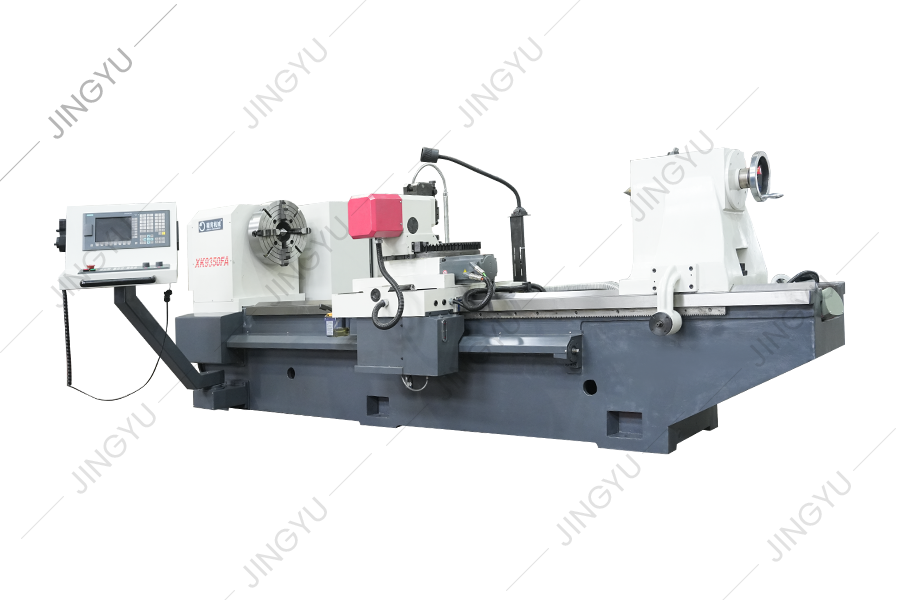
XK9350 series CNC rebar roll crescent groove milling machine is the upgraded product of XK500 type, which is suitable for processing rolls with diamet...
See Details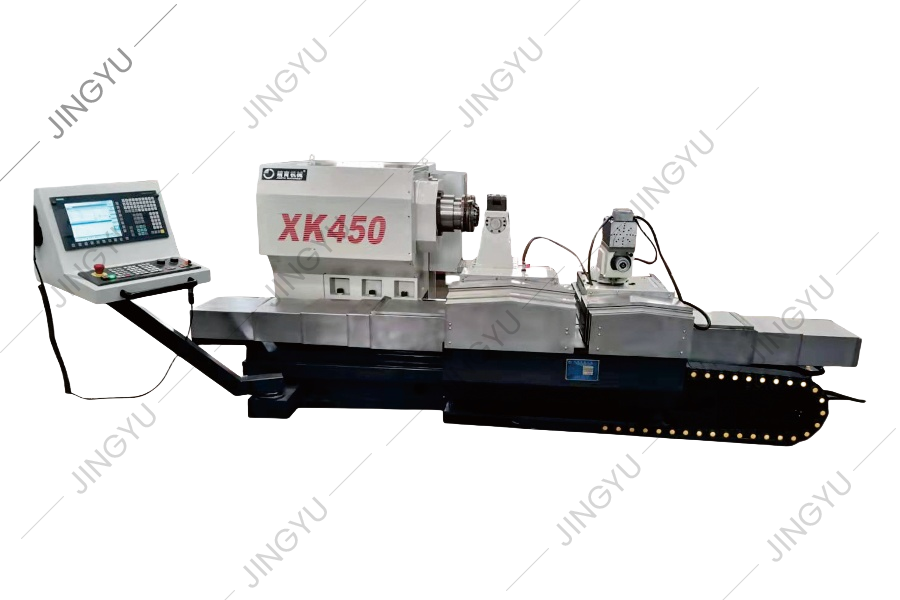
We have accumulated rich experience in the processing and use of rebar rolls, and have conducted in-depth analysis and research on the technology of s...
See Details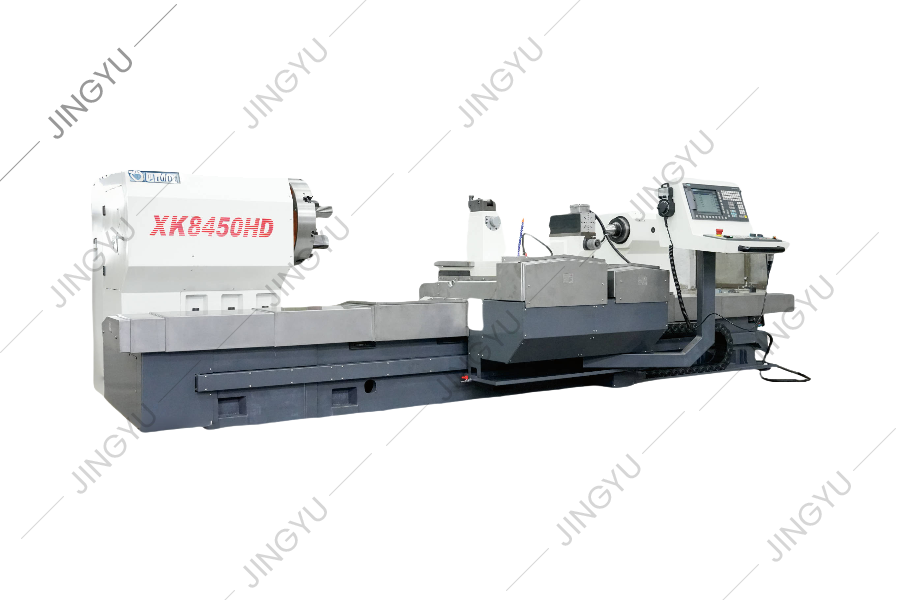
In view of the problems of high-speed steel roll processing, the XK8450 CNC roll milling machine is a new type of CNC roll groove processing machine t...
See Details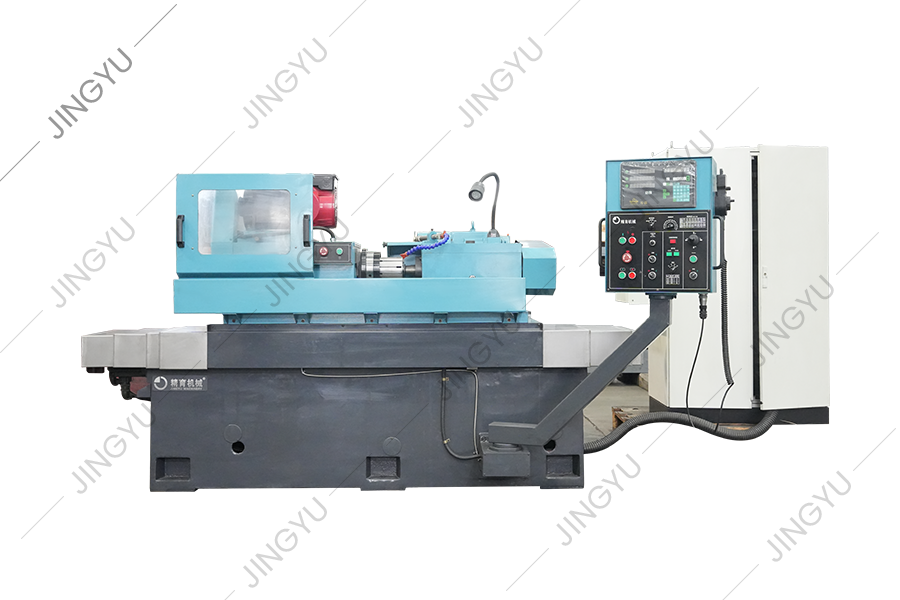
The roll ring forming grinder is mainly used for grinding tungsten carbide roller rings for high-speed wire rod production. The formed diamond grindin...
See Details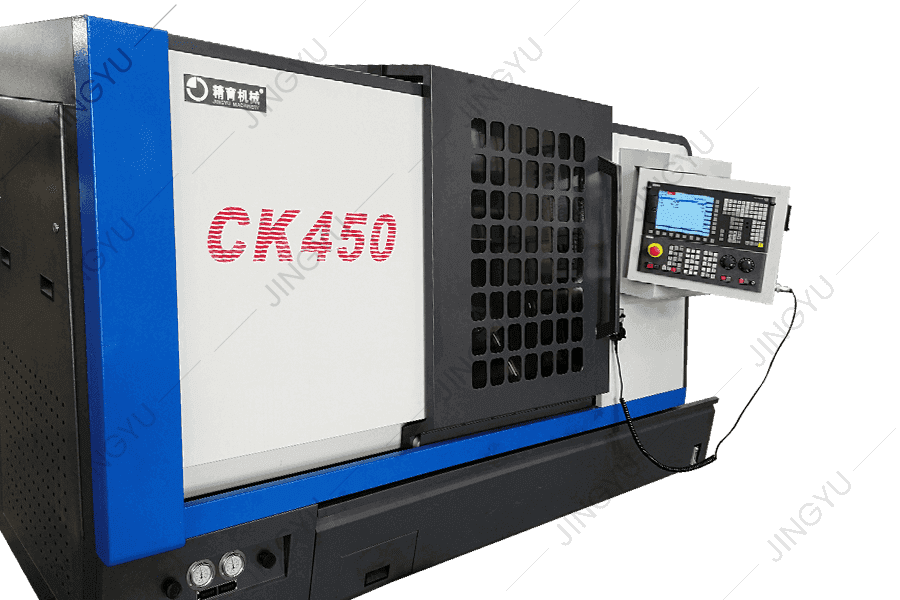
The CK450 inclined bed CNC lathe adopts the German Siemens control system. The appearance, operating system, and safety protection system of the machi...
See Details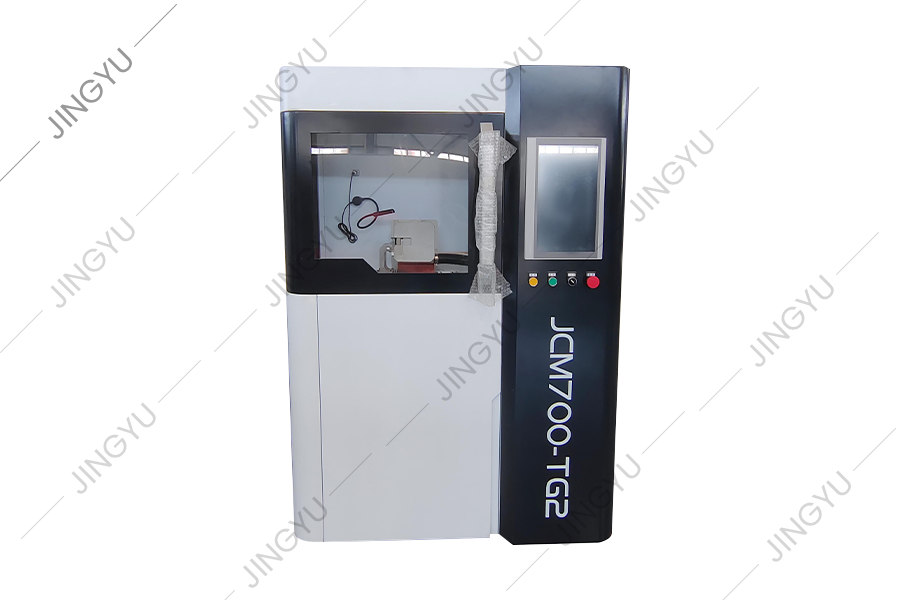
This machine is mainly used for grinding and repairing the milling cutter of roll threaded cross rib, which can easily repair and grind the edge of re...
See Details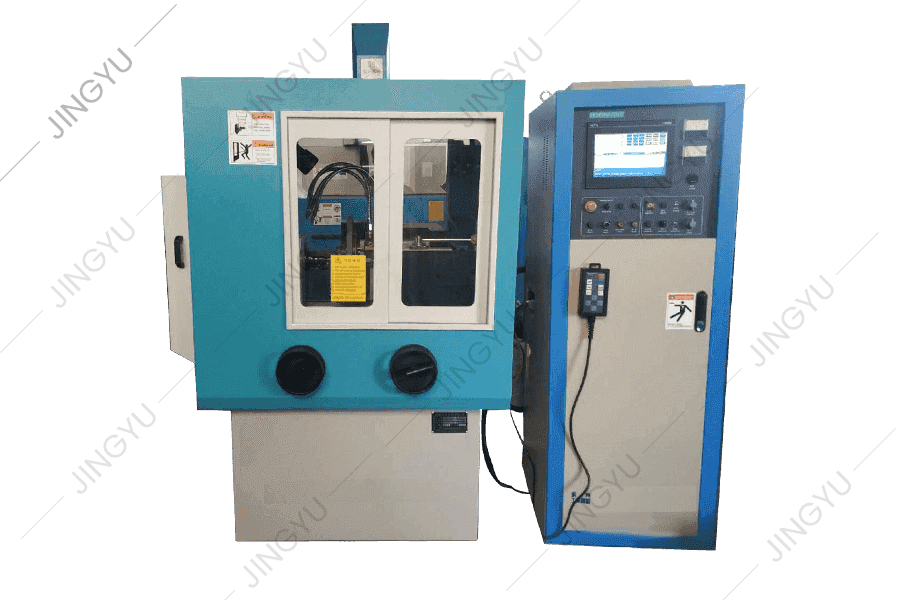
MX250 is a standard diamond wheel dressing machine, used for forming and dressing diamond wheels for metallurgical steel mills. The diameter of diamon...
See Details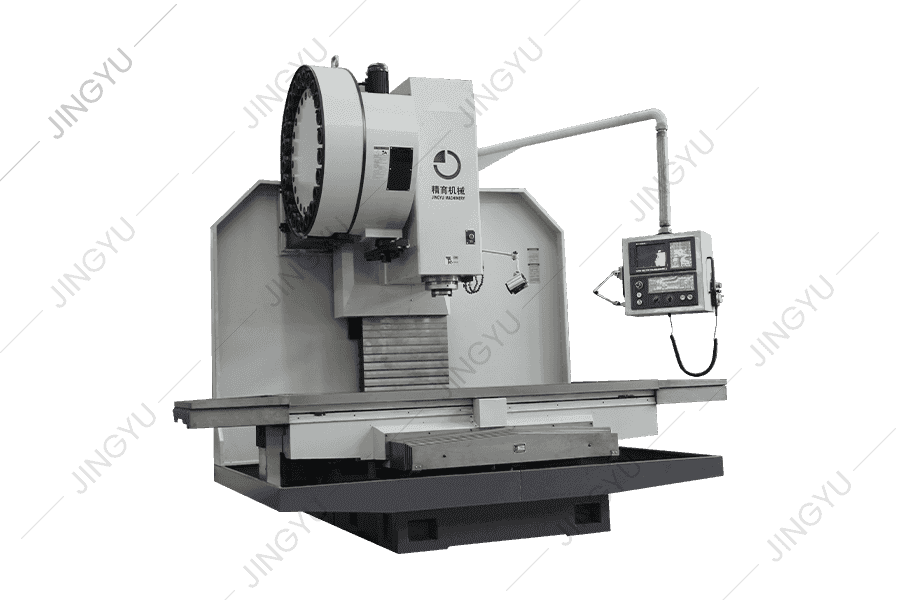
All three axes of the machine are P3-level 50×P10 ball screws, and the assembly process of 2-end fixed pretension is used to strengthen the axial rigi...
See Details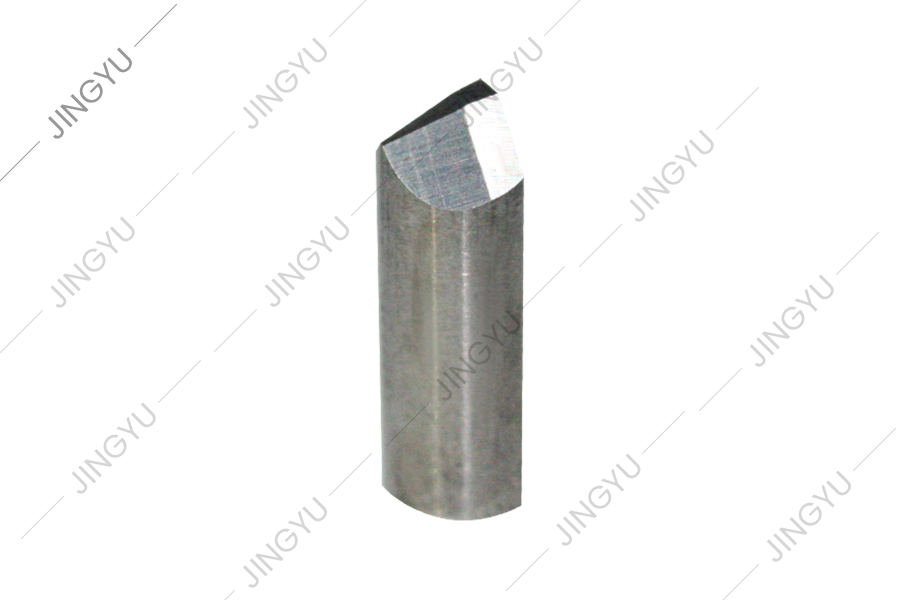
This series is mainly for CNC crescent groove milling machines to provide common-wearing parts, such as milling tool holders, milling cutters, support...
See Details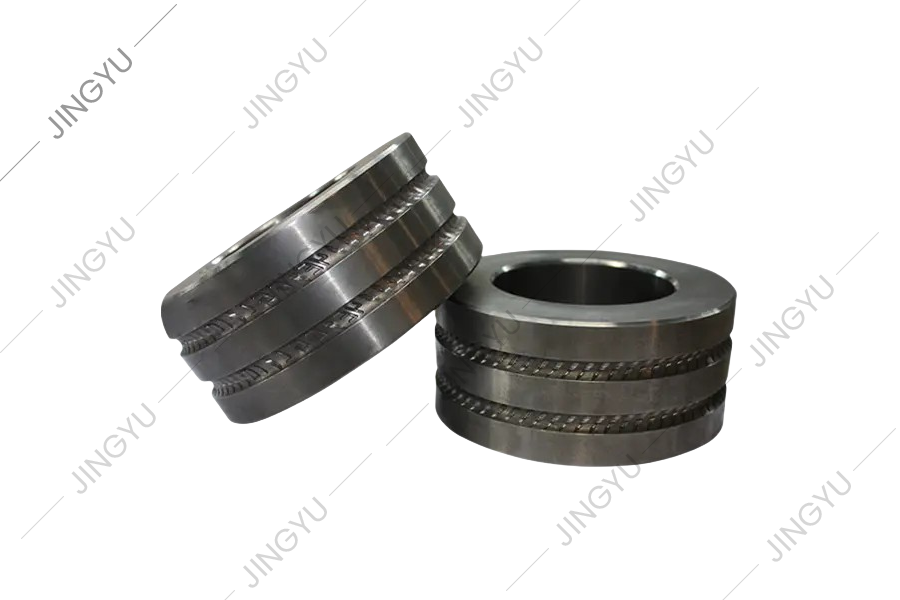
This series mainly provides common-wearing parts for CNC TC ring grinding machines and composite roll grinding machines, such as mandrels, dynamic and...
See DetailsNo.3, Xinghe Road, Zhaxi Industrial Park, Chongchuan District, Nantong, Jiangsu Province, 226003, P.R.China
info@rolllathe.com jennifergao@rolllathe.com
+86-513-85636116
Copyright © Nantong Jingyu Machinery Co., Ltd. All Rights Reserved
 China Roll Turning Lathe Manufacturers
