


 English
 русский
 عربى
عربى
Cat:CNC Roll Milling Machine
CNC Roll Ring Milling Machine
We have accumulated rich experience in the processing and use of rebar rolls, and have conducted in-depth analysis and research on the technology of s...
See DetailsCNC milling machines are widely used in manufacturing processes that require high precision and accuracy. These machines use computer-controlled systems to guide cutting tools and perform operations on a wide variety of materials such as metal, plastic, and composite materials. CNC milling machines are essential in industries like aerospace, automotive, medical device manufacturing, and electronics, where precise machining is critical. One of the key considerations for maintaining the performance of a CNC milling machine is ensuring that it maintains its precision throughout prolonged operation. One common concern is whether a reinforced precision CNC milling machine will experience precision drift after extended use.
Precision drift refers to the gradual loss of accuracy that occurs in a machine tool over time due to various factors, including mechanical wear, temperature fluctuations, and material fatigue. In CNC milling machines, precision drift can manifest in the form of misalignment, tool deflection, and inaccurate machining, leading to parts that do not meet the required tolerances. While precision drift is an inherent characteristic of any mechanical system that operates over time, the extent to which it occurs can vary depending on the machine's design, maintenance, and operating conditions.
Reinforced precision CNC milling machines are specifically designed to reduce the likelihood of precision drift by incorporating enhanced structural components, advanced control systems, and precise calibration methods. However, despite these improvements, it is still possible for some degree of precision drift to occur, especially in machines that are subjected to continuous, high-load operations over extended periods. Understanding the potential causes of precision drift and the methods to minimize its effects is crucial for maintaining the accuracy and reliability of CNC milling machines.
Several factors can contribute to precision drift in CNC milling machines. These factors can be broadly categorized into mechanical issues, thermal effects, and operational conditions. Understanding these factors is essential in identifying the root causes of precision drift and taking appropriate preventive measures.
One of the most common causes of precision drift in CNC milling machines is mechanical wear and tear. Over time, the moving parts of the machine, such as the linear guides, ball screws, and bearings, experience friction and fatigue due to the constant motion and load-bearing during operation. This wear can lead to slight misalignments or play in the moving parts, which can result in inaccurate machining.
To minimize mechanical wear, it is essential to use high-quality components that are designed to withstand the stresses of continuous operation. Regular maintenance, such as lubrication of moving parts and periodic replacement of worn-out components, is also crucial for maintaining the machine's precision. Additionally, some reinforced CNC milling machines incorporate self-lubricating systems and advanced bearing technologies to reduce the impact of wear and extend the machine's lifespan.
Temperature fluctuations can have a significant impact on the precision of CNC milling machines. As the machine operates, the components, such as the spindle and the workpiece, can heat up due to friction and cutting forces. This thermal expansion can cause dimensional changes in the machine's components, leading to misalignments and changes in machining accuracy. For example, a rise in temperature may cause the spindle to expand, resulting in a shift in tool position, which can affect the machining process.
To counteract the effects of thermal expansion, many high-precision CNC milling machines are equipped with temperature compensation systems. These systems monitor temperature changes and adjust the machine's control parameters to compensate for thermal effects. In some cases, the machine's structural components are made from materials with low thermal expansion coefficients, such as granite or cast iron, to reduce the impact of temperature changes. Additionally, environmental controls, such as air conditioning and climate-controlled machining areas, can help maintain stable operating temperatures and minimize thermal effects.
Material fatigue and deformation can also contribute to precision drift in CNC milling machines. Prolonged use of the machine under high load conditions can cause the structural components to experience deformation or distortion, which can lead to misalignment and inaccuracies in machining. This is especially true for machines that are subjected to heavy cutting forces or workpieces that require deep cuts.
To mitigate the risk of material fatigue, reinforced CNC milling machines are designed with stronger materials and robust construction. Additionally, careful monitoring of the cutting forces and ensuring that the machine operates within its rated load limits can help prevent excessive stress on the machine’s components. Properly balancing the cutting parameters, such as feed rates and cutting speeds, is also essential for reducing the risk of material fatigue.
Operational conditions and maintenance practices play a significant role in preventing precision drift in CNC milling machines. For example, improper machine setup, such as incorrect tool calibration or alignment, can lead to inaccuracies in machining. Regular inspection and recalibration of the machine are essential to ensure that it remains within the specified tolerances.
In addition to calibration, routine maintenance tasks, such as cleaning the machine, checking for loose bolts, and replacing worn components, can help maintain the machine's precision. It is also important to monitor the machine’s performance over time and perform periodic checks on its accuracy using measuring tools, such as laser interferometers or dial indicators. These practices help identify potential issues before they lead to significant precision drift.
Reinforced precision CNC milling machines are designed with various features to reduce the likelihood of precision drift and maintain accuracy during prolonged operation. These machines are typically built with enhanced structural integrity, advanced control systems, and high-precision components. Some of the key features that contribute to reduced precision drift in reinforced CNC milling machines include:
Reinforced CNC milling machines are designed with a high degree of stiffness and rigidity in their structure. A rigid machine frame reduces the impact of external forces, such as vibrations and thermal expansion, which can cause precision drift. Stiffness is achieved by using strong materials, such as cast iron, steel, or composite materials, that are resistant to deformation under load. A rigid machine frame ensures that the cutting tool remains in precise alignment with the workpiece, even during high-speed or high-load operations.
High-precision linear guides and ball screws are essential components in reinforced CNC milling machines. These components provide smooth and accurate movement along the machine's axes, minimizing the risk of misalignment and reducing friction. The use of high-quality ball screws and linear guides helps maintain the machine’s precision during prolonged operation by reducing backlash and ensuring consistent motion.
Advanced control systems are integral to maintaining precision in CNC milling machines. These systems continuously monitor the machine’s performance and make real-time adjustments to compensate for factors such as thermal expansion, tool wear, and material deformation. Some reinforced CNC milling machines are equipped with closed-loop control systems, which use feedback from sensors to adjust the machine's parameters for optimal performance. This level of automation helps ensure that the machine remains within specified tolerances throughout its operation.
| Feature | Benefits | Impact on Precision Drift |
| Stiff Machine Frame | Increased rigidity, reduced deformation under load | Minimizes misalignment and improves long-term accuracy |
| High-Precision Linear Guides and Ball Screws | Smooth and accurate movement, reduced friction | Reduces backlash and maintains precise motion during prolonged use |
| Advanced Control Systems | Real-time adjustments for optimal performance | Compensates for thermal expansion, tool wear, and other factors that cause precision drift |
| High-Quality Materials | Enhanced durability and resistance to wear | Prevents material fatigue and deformation over time |
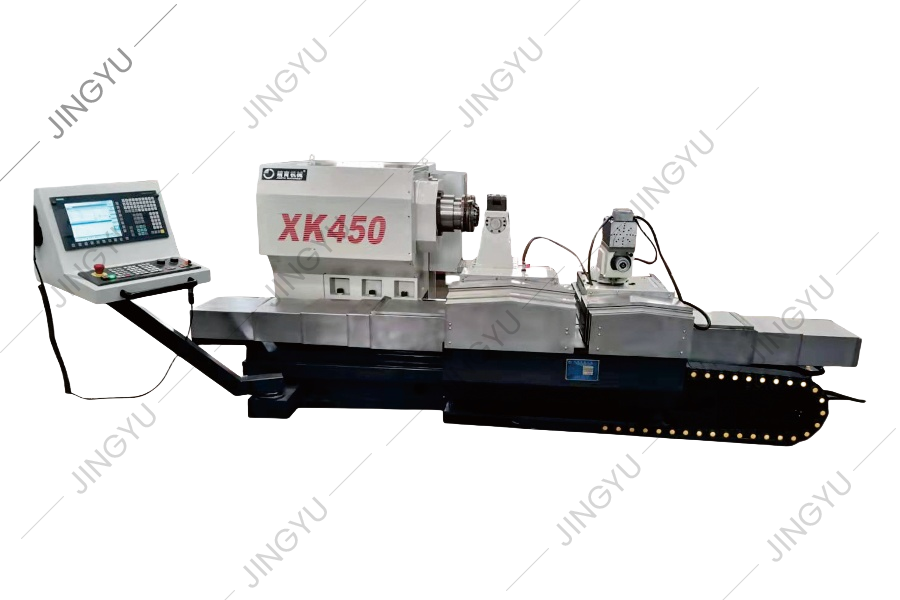
We have accumulated rich experience in the processing and use of rebar rolls, and have conducted in-depth analysis and research on the technology of s...
See Details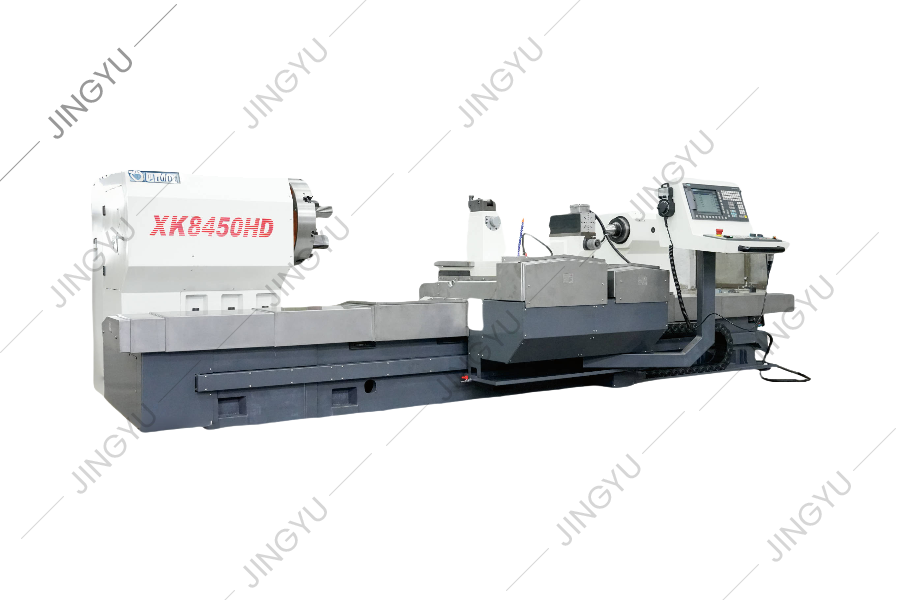
In view of the problems of high-speed steel roll processing, the XK8450 CNC roll milling machine is a new type of CNC roll groove processing machine t...
See Details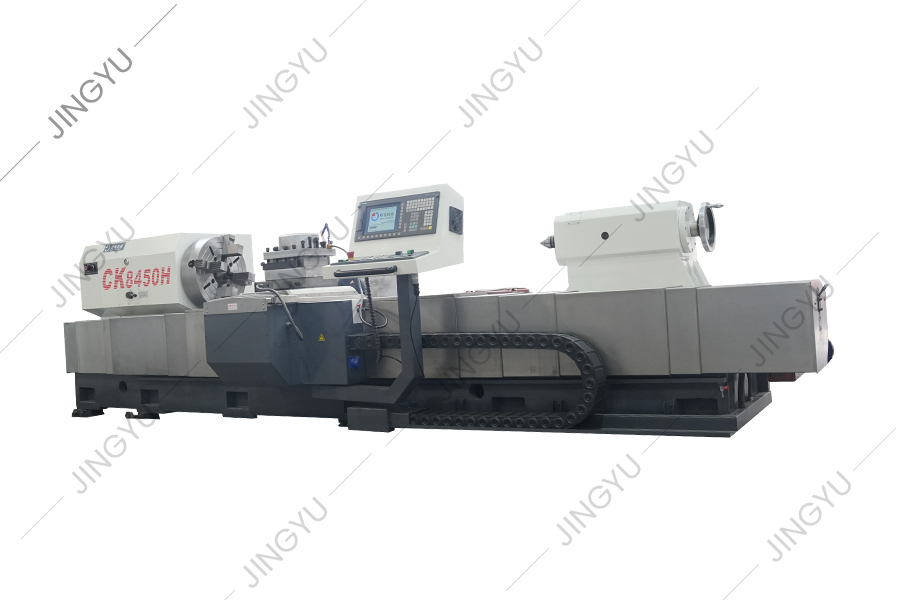
This series of machine tools is mainly used to pass and process rolls. It can also turn the outer circle and roll neck of rolls, and can also turn par...
See Details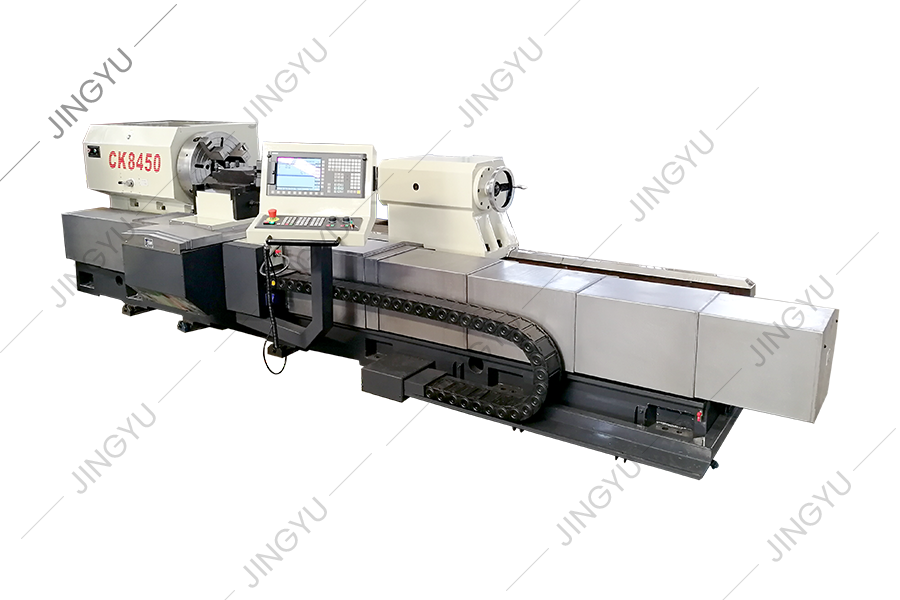
This series of machine tools is mainly used to pass and process rolls. It can also turn the outer circle and roll neck of rolls, and can also turn par...
See Details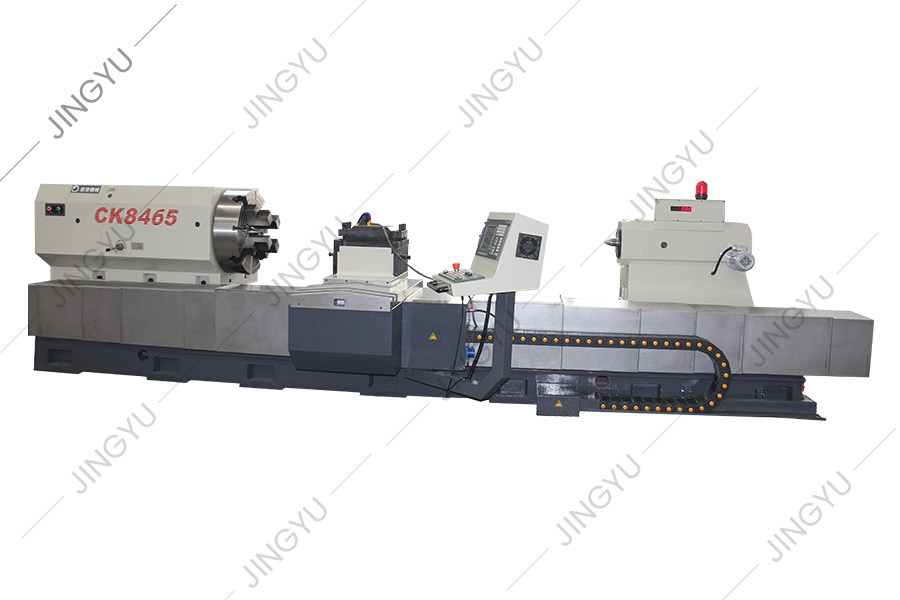
CK8465H CNC roll lathe bed adopts a 2+3 heavy-duty linear rolling guide structure, that is, two rectangular guide rails arranged horizontally on the b...
See Details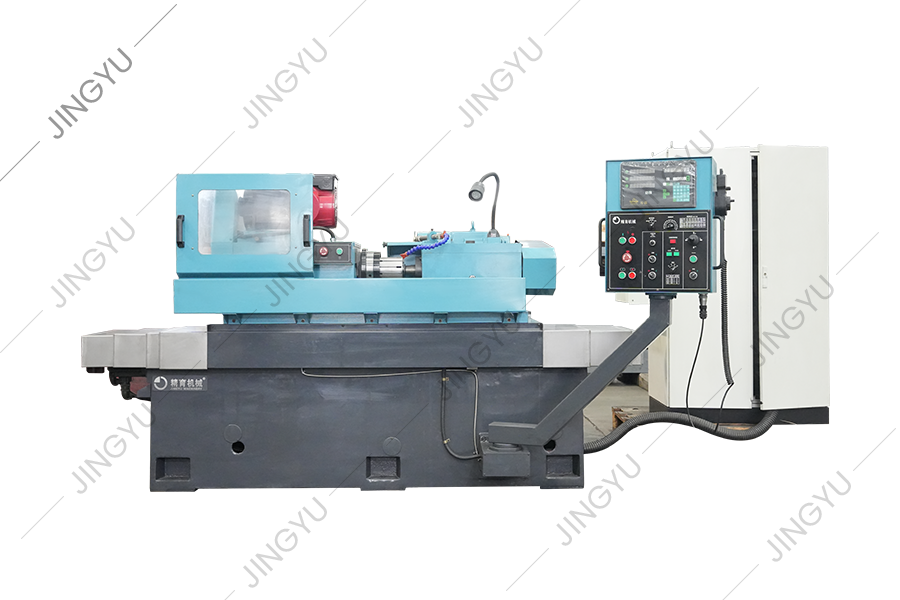
The roll ring forming grinder is mainly used for grinding tungsten carbide roller rings for high-speed wire rod production. The formed diamond grindin...
See Details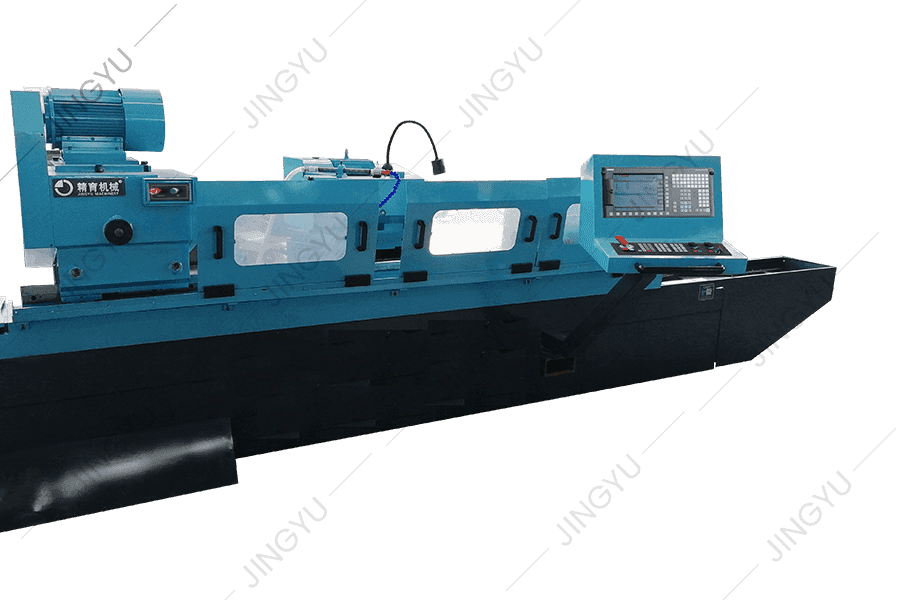
MK8450 CNC roll grinder is mainly used for rough grinding, semi-finish grinding, fine grinding, and non-spark grinding of the outer circles and R groo...
See Details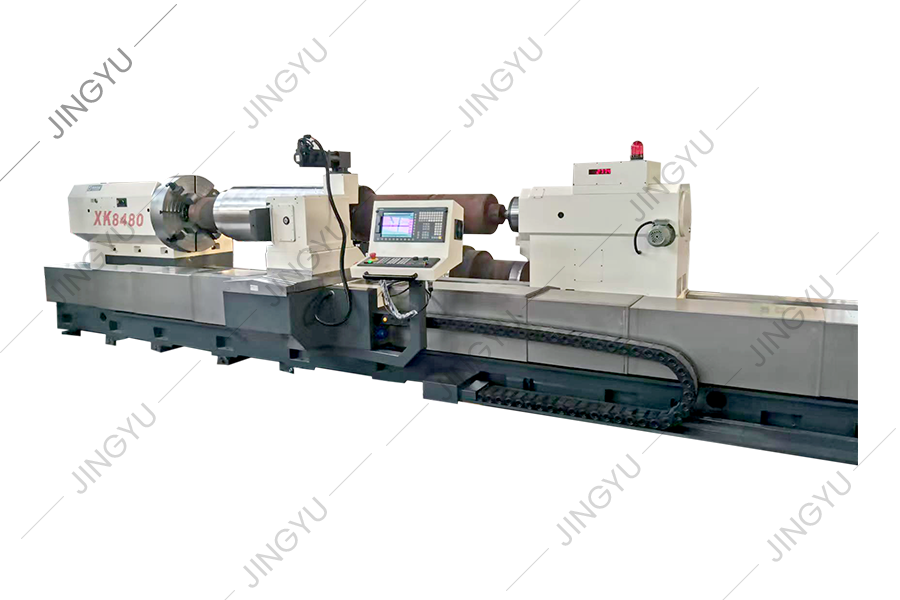
At present, pattern roll engraving at home and abroad generally adopts electrolysis method, ordinary horizontal milling machine milling and other proc...
See Details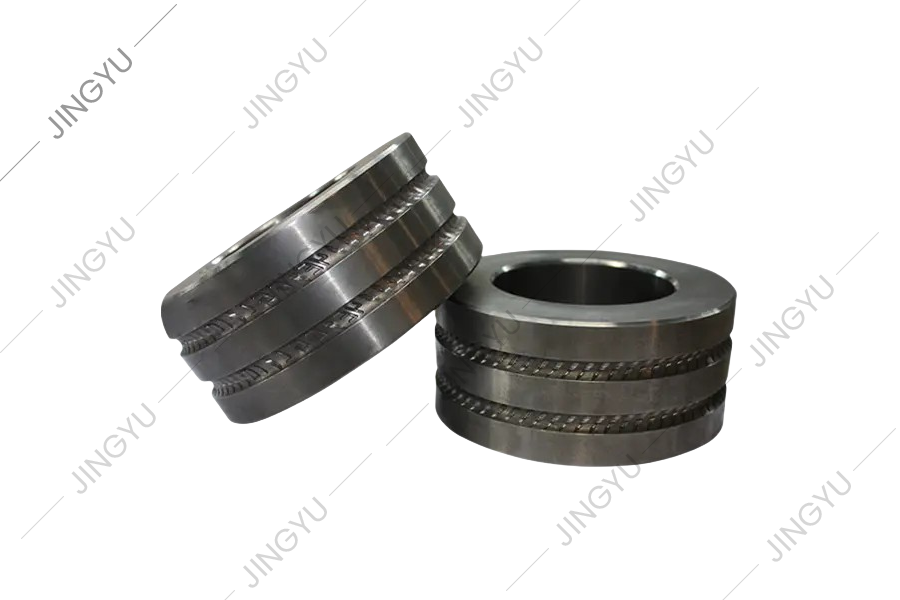
This series mainly provides common-wearing parts for CNC TC ring grinding machines and composite roll grinding machines, such as mandrels, dynamic and...
See Details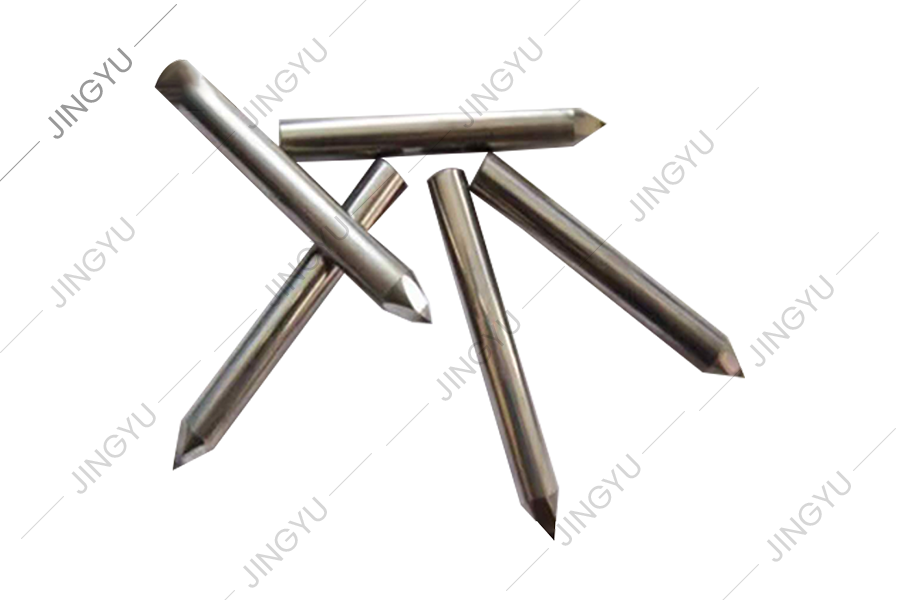
We also supply other spare parts, such as checkered plate milling cutters, roll slotting tools, oil pumps, motors, CNC systems, etc.
See DetailsNo.3, Xinghe Road, Zhaxi Industrial Park, Chongchuan District, Nantong, Jiangsu Province, 226003, P.R.China
info@rolllathe.com jennifergao@rolllathe.com
+86-513-85636116
Copyright © Nantong Jingyu Machinery Co., Ltd. All Rights Reserved
 China Roll Turning Lathe Manufacturers
