


 English
 русский
 عربى
عربى
Cat:CNC Roll Milling Machine
CNC Roll Milling Machine
This series of machine tools can automatically cut crescent grooves with different rotation directions and any helix angle. It can divide into equal (...
See DetailsMidway through a production shift, a turning cell starts producing parts with a faint but measurable taper. Dimensions are still inside the tolerance band, but the trend is clear: the machine is drifting. The cause is rarely a single dramatic failure. It is the slow accumulation of contaminated coolant, dried-up way lubrication, a clogged filter, and a spindle that never gets its warm-up run. On a CNC lathe, neglected maintenance shows up first as a slow loss of accuracy, and later as an expensive breakdown.
The fix is straightforward: follow a structured maintenance routine, record what you find, and replace wear items before they fail. This article outlines the practical maintenance tasks that keep a CNC lathe accurate and available, organized by daily, weekly, monthly, and long-term intervals.
CNC lathes are precision systems. The spindle, turret, tailstock, and feed axes work together to position a cutting edge within a few microns of the programmed coordinate. When any component drifts because of poor lubrication, thermal buildup, or worn guideways, the entire machine loses capability.
Maintenance protects four things that directly affect production:
Daily checks take ten to fifteen minutes and are the most effective maintenance step available. Operators are the first line of defense because they see and hear the machine on every cycle.
Shops that machine heavy workpieces should also inspect chuck jaws and any steady rests. A worn chuck on a heavy-duty machine can reduce gripping force significantly. The same logic applies whether you operate a general-purpose lathe or a dedicated CNC roll lathe, where roll-neck supports carry most of the workpiece weight.
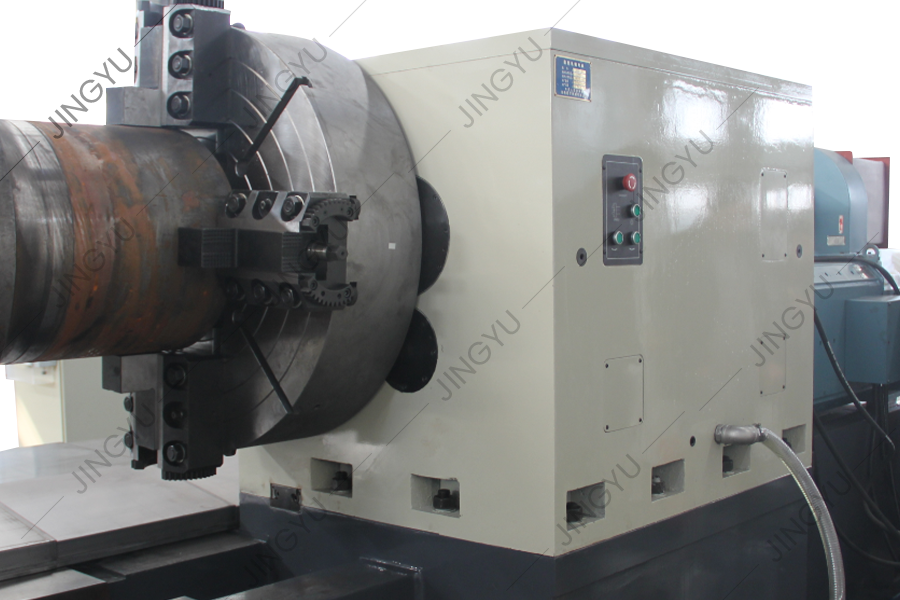 Wholesale Roll lathe Factory, SuppliersNantong Jingyu Machinery Co., Ltd. is China Roll lathe Factory and CNC Roll lathe suppliers, manufacturing wholesale Roll lathe for saleView Product →
Weekly tasks keep the machine from deteriorating between deeper inspections:
Monthly maintenance goes a step deeper:
Longer-term maintenance is usually based on running hours rather than calendar dates. Many manufacturers recommend checks at three months or 500 hours, six months or 1000 hours, and one year or 2000 hours.
| Interval | Focus Area | Key Checks |
|---|---|---|
| Quarterly / 500 hours | Hydraulics and coolant | Change the hydraulic filter; inspect hoses and fittings; clean the coolant tank; restore coolant concentration. |
| Semi-annual / 1000 hours | Precision and alignment | Check spindle runout; verify turret indexing repeatability; measure axis straightness; check ball screw preload. |
| Annual / 2000 hours | Deep service | Re-level the machine; inspect the chuck and drawbar; replace worn way wipers; recalibrate tool sensors; test safety interlocks. |
Annual service is also the time to re-check the machine foundation and leveling. A lathe that has settled unevenly produces taper, and re-leveling is the first correction to make before investigating program faults or tool wear. If the shop runs precision turning operations, the tolerance for drift is smaller. Machines such as the high-precision CNC mill-roll lathe are built with tighter geometric alignment, but that alignment still has to be verified on a regular schedule.
Even a well-intentioned maintenance plan can fail if common mistakes sneak in:
Another common mistake is failing to document maintenance. A simple log that records fluid levels, temperatures, noise changes, and corrective actions makes it possible to spot gradual trends. A hydraulic pump that slowly takes longer to reach pressure is a tired pump. Catching that trend early turns an unplanned breakdown into a planned repair.
Wear parts eventually need replacement. When they do, using manufacturer-certified lathe spare parts is the safer choice. Aftermarket parts may cost less, but spindle bearings, ball screws, and clamping elements are designed as matched sets. The correct materials, preload, and surface treatment matter when your tolerance targets matter.
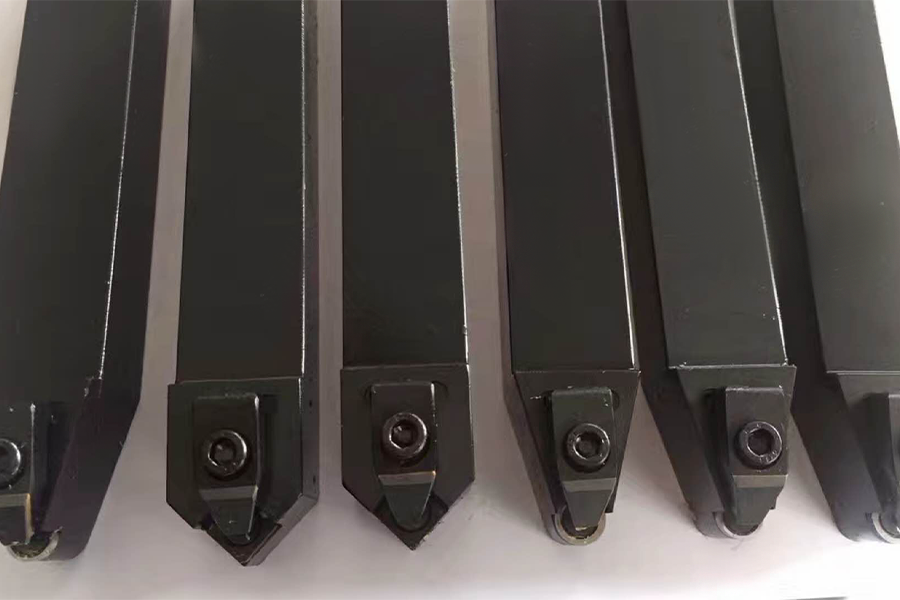 OEM/ODM Lathe Spare Parts Manufacturer, Suppliers- Nantong Jingyu Machinery Co.,Nantong Jingyu Machinery Co., Ltd is China OEM/ODM Lathe Spare Parts Manufacturers and Suppliers, details:This series mainly provides com...View Product →
Maintenance and safety are connected. Loose tool clamps, worn chucks, and leaking hydraulic lines are safety issues as much as mechanical issues. Operators should always lock the spindle before changing inserts and never reach into the work area during automatic cycles. For specific guidance, review our advice on improving the operating safety of a CNC roller lathe as part of your regular safety training.
The right interval depends on the machine, the material being cut, and how many hours the lathe runs per day. A shop machining cast iron needs more aggressive cleaning and coolant maintenance than a shop cutting aluminum or steel bar stock.
Practical rules for scheduling:
If the shop does not have a dedicated maintenance team, the quarterly and annual inspections can be handled by an external service technician. A schedule is not about doing every task in-house; it is about making sure every task has an owner.
The CNC control system is part of the maintenance picture as well. Keeping software backups, alarm history, and machine parameters protected is as important as changing hydraulic oil. Backing up parameters and understanding CNC system precision and efficiency are simple steps that prevent small software issues from becoming long downtime events.
The pattern is consistent across machine types: clean daily, lubricate correctly, monitor fluids weekly, and inspect deeply every quarter or six months. A CNC lathe that receives this treatment holds accuracy longer, fails less often, and costs less to run than a machine that operates until something breaks.
The alternative is unplanned downtime in the middle of a production run, a repair bill that dwarfs years of preventive maintenance, and parts that slowly drift out of tolerance. None of that is necessary. A few minutes a day and a few hours each quarter are a small price for predictable machining.
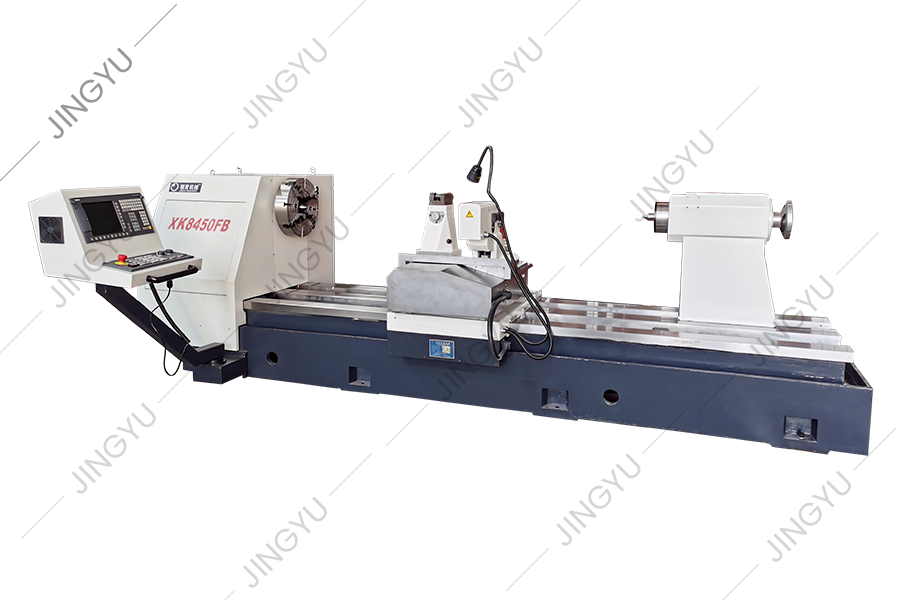
This series of machine tools can automatically cut crescent grooves with different rotation directions and any helix angle. It can divide into equal (...
See Details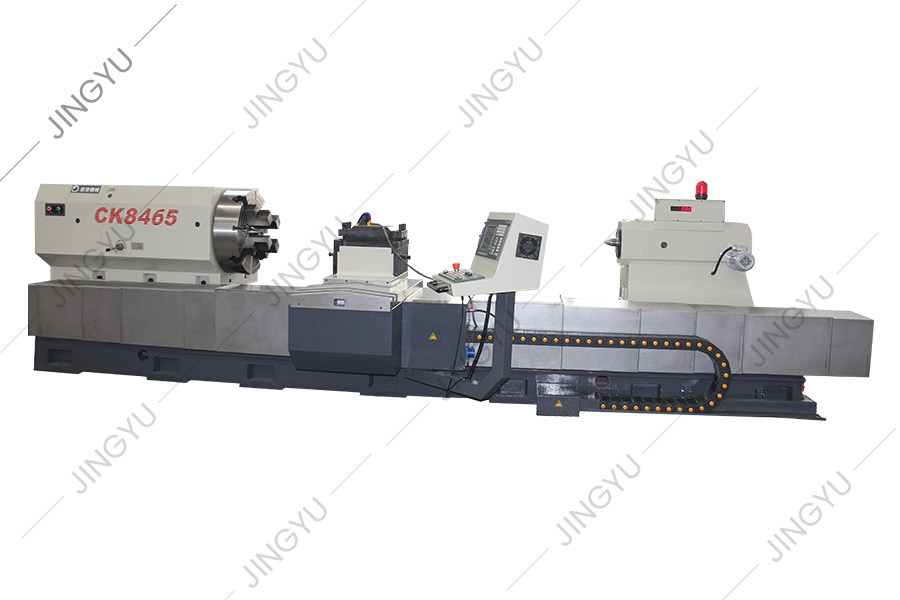
CK8465H CNC roll lathe bed adopts a 2+3 heavy-duty linear rolling guide structure, that is, two rectangular guide rails arranged horizontally on the b...
See Details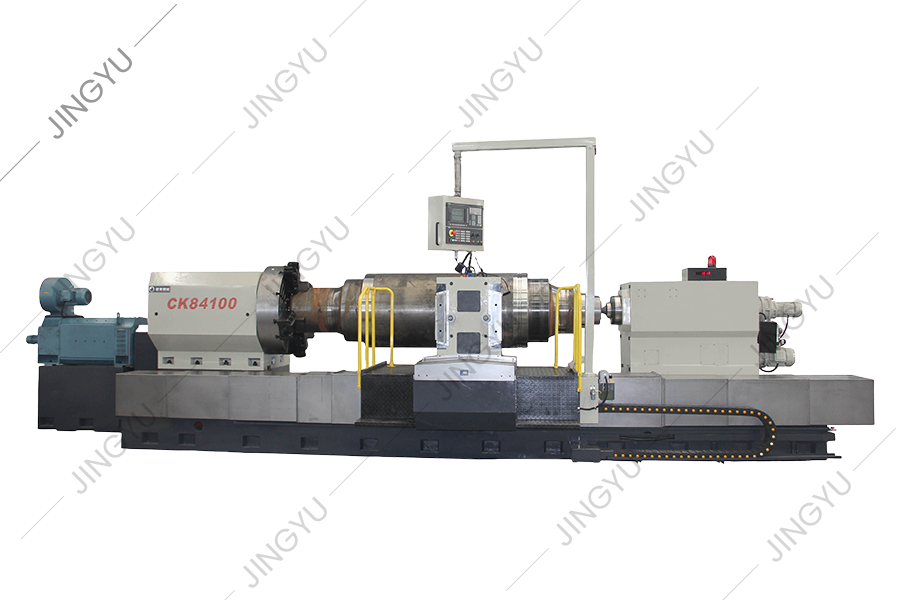
CK84 series CNC roll lathe adopts Siemens 828D CNC system and is driven by a servo motor. When designing this machine tool, we fully analyzed the tech...
See Details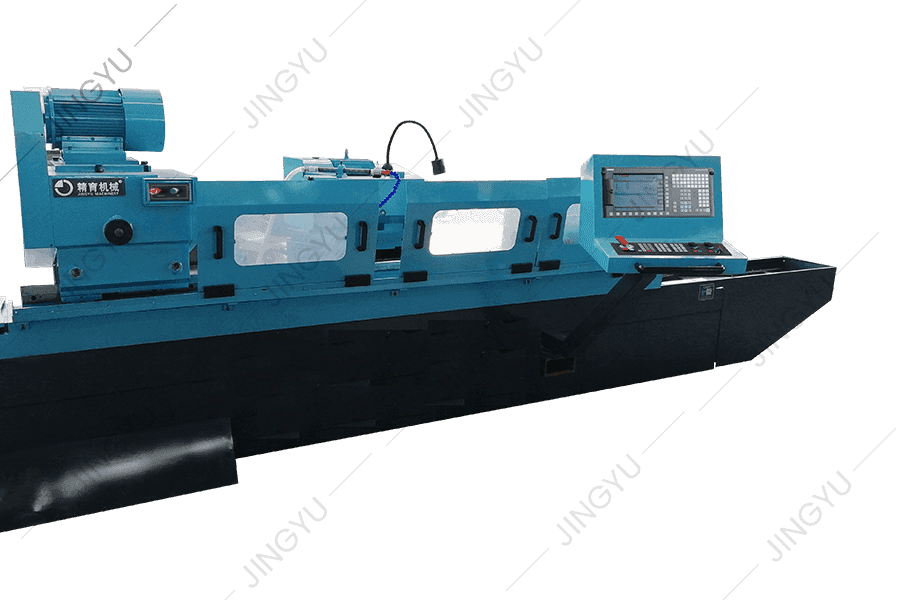
MK8450 CNC roll grinder is mainly used for rough grinding, semi-finish grinding, fine grinding, and non-spark grinding of the outer circles and R groo...
See Details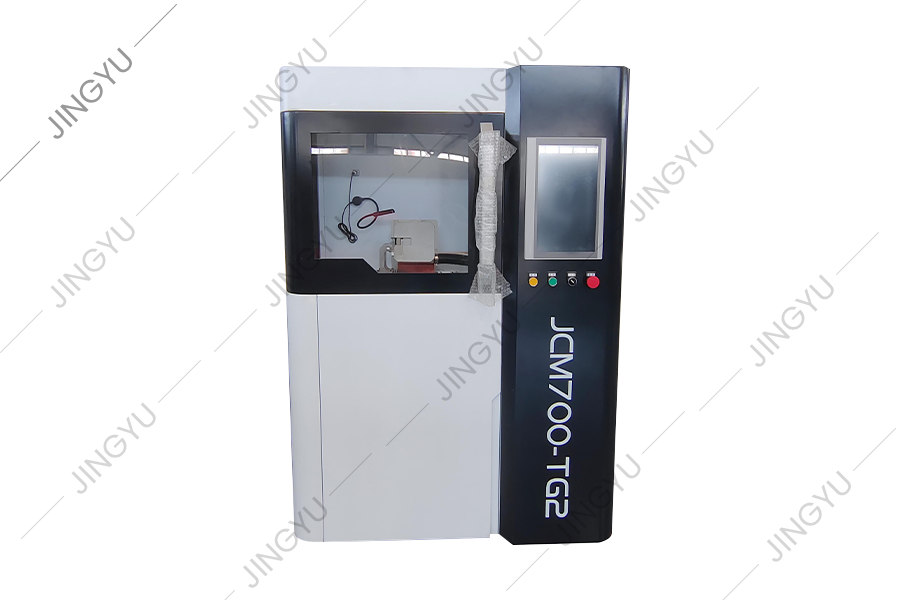
This machine is mainly used for grinding and repairing the milling cutter of roll threaded cross rib, which can easily repair and grind the edge of re...
See Details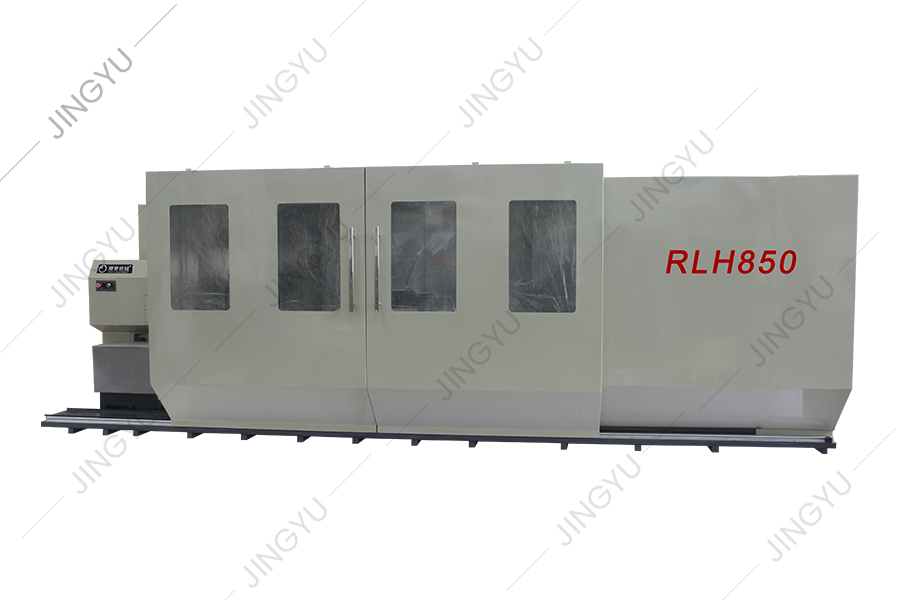
This machine tool is a new type of CNC roll grooving machine tool developed based on the company's CNC roll milling machine series and after full rese...
See Details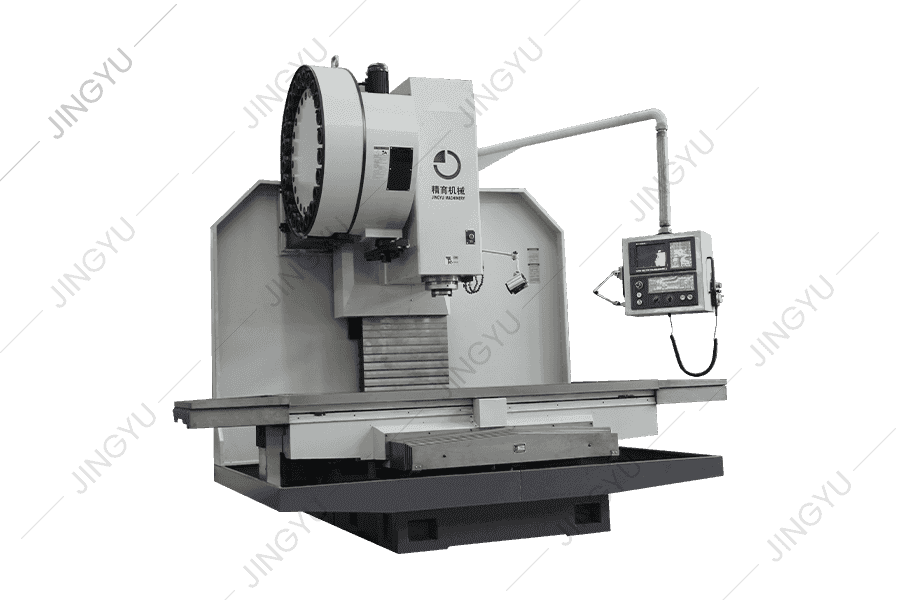
All three axes of the machine are P3-level 50×P10 ball screws, and the assembly process of 2-end fixed pretension is used to strengthen the axial rigi...
See Details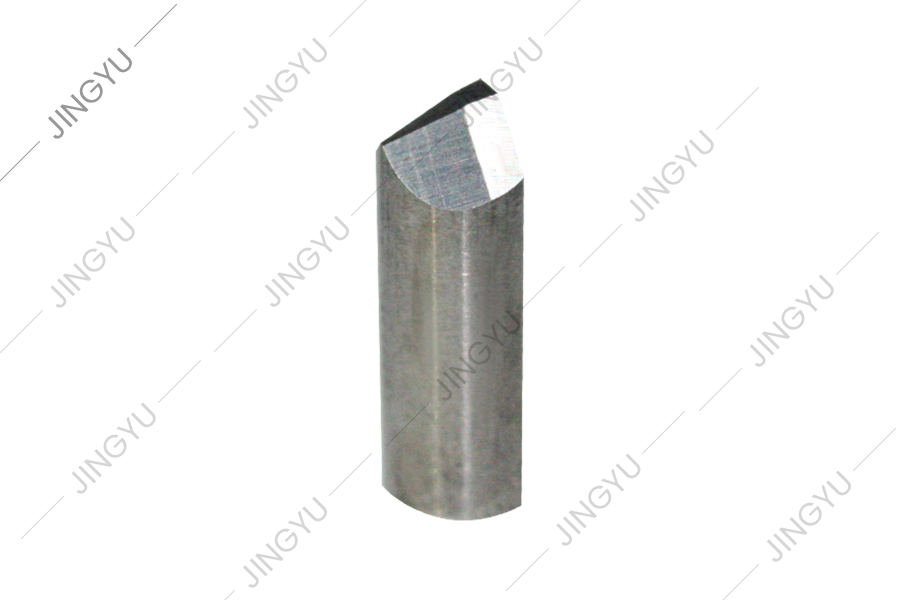
This series is mainly for CNC crescent groove milling machines to provide common-wearing parts, such as milling tool holders, milling cutters, support...
See Details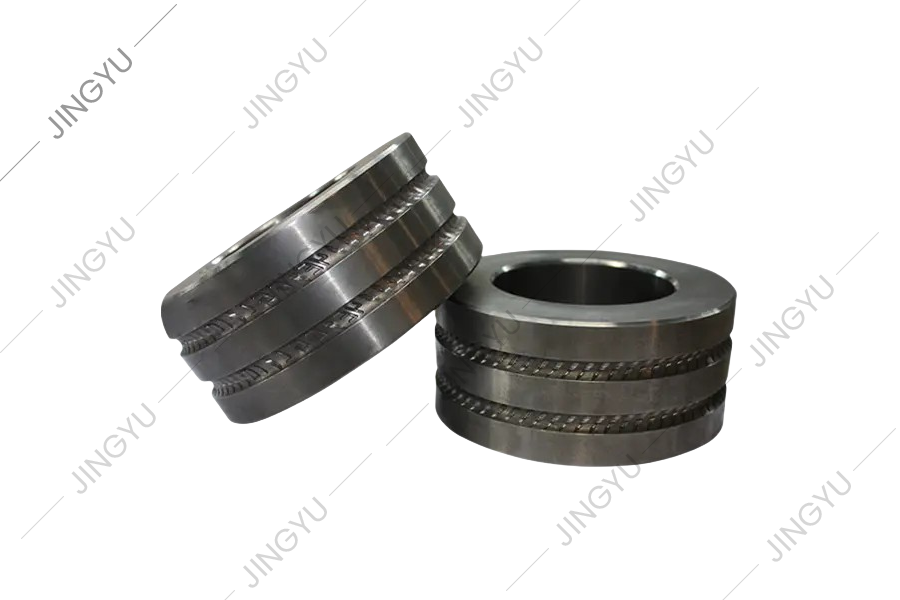
This series mainly provides common-wearing parts for CNC TC ring grinding machines and composite roll grinding machines, such as mandrels, dynamic and...
See Details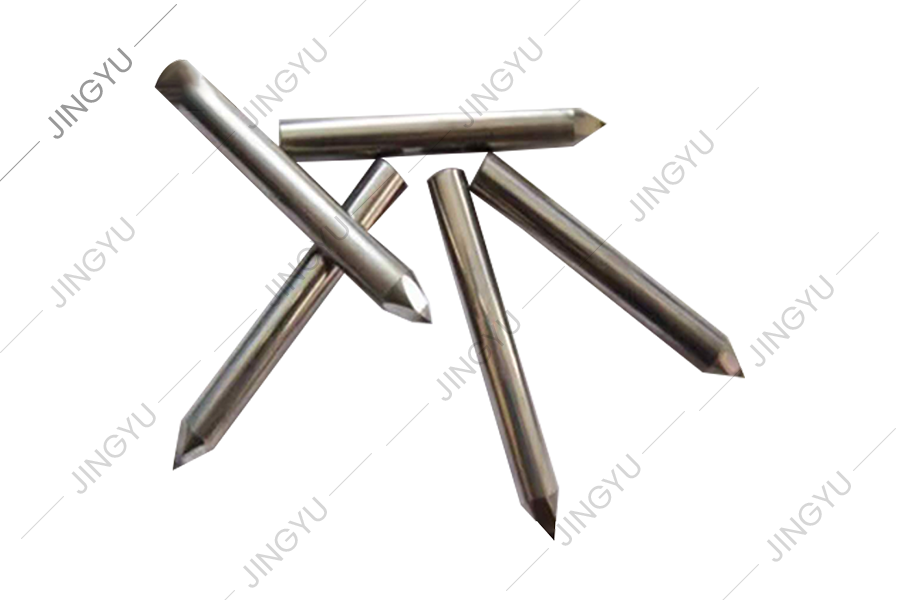
We also supply other spare parts, such as checkered plate milling cutters, roll slotting tools, oil pumps, motors, CNC systems, etc.
See DetailsNo.3, Xinghe Road, Zhaxi Industrial Park, Chongchuan District, Nantong, Jiangsu Province, 226003, P.R.China
info@rolllathe.com jennifergao@rolllathe.com
+86-513-85636116
Copyright © Nantong Jingyu Machinery Co., Ltd. All Rights Reserved
 China Roll Turning Lathe Manufacturers
