


 English
 русский
 عربى
عربى
Cat:CNC Roll Milling Machine
CNC Roll Ring Milling Machine
We have accumulated rich experience in the processing and use of rebar rolls, and have conducted in-depth analysis and research on the technology of s...
See DetailsIt is not the spindle speed on the spec sheet that tells you how a CNC lathe will perform after years of production. It is the quality of the individual components and how they work together. Whether you are turning rolls, shafts, or flanges, understanding the main parts of a CNC lathe helps you choose a machine that holds tolerance, stays stable under heavy cuts, and remains cost-efficient to maintain.
The bed is the foundation of a CNC lathe. It supports the headstock, tailstock, and the cutting forces generated during turning. A stiff bed made from well-ribbed cast iron reduces deflection and vibration, which directly affects surface finish and dimensional consistency. Hardened guideways on the bed keep the carriage moving in a straight line, and the accuracy of those guideways eventually shows up in every part you machine.
The headstock contains the main spindle and, in many machines, the gearbox and motor. This group of components determines the available speed range and torque. The tailstock supports long workpieces and keeps them aligned with the spindle axis. When heavy rolls put high loads on the machine, the bed and tailstock must absorb vibration without flex. That is why a CNC heavy-duty lathe is built with a generously sized bed and robust tailstock instead of a light frame.
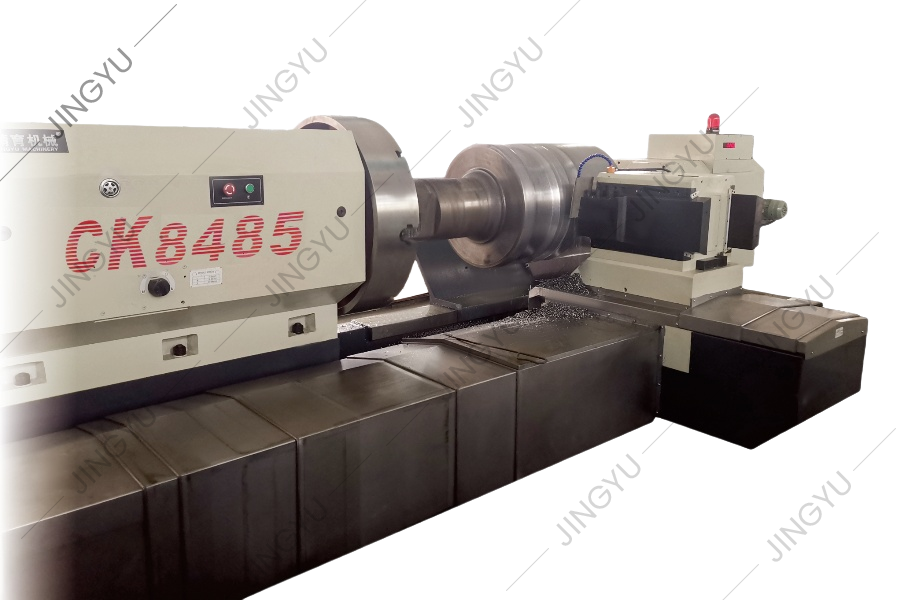 OEM/ODM Heavy Duty CNC Roll Turning Lathe Manufacturer, Suppliers- Nantong JingyNantong Jingyu Machinery Co., Ltd is China OEM/ODM Heavy Duty CNC Roll Turning Lathe Manufacturers and Suppliers, details:This series of ...View Product →
The spindle is the rotating heart of the lathe. Its bearings, shaft stiffness, and balancing determine the part's roundness and surface quality. Spindle runout is usually specified in microns, and even small wear can show up as chatter marks or out-of-round diameters. The chuck or collet must apply enough clamping force to hold the workpiece without distorting it. A three-jaw chuck is simple, but a hydraulic chuck provides more consistent clamping for high-volume production.
The tailstock quill moves along the Z axis to support the other end of the workpiece. For longer parts, tailstock alignment with the spindle center is critical; misalignment will bend the part and cause taper. For close diameter and surface finish requirements, a high-precision CNC mill-roll lathe provides a spindle and axis system designed to reduce thermal and mechanical variation.
The tool turret holds tools and indexes them into cutting position. The number of stations, indexing speed, and coupling quality determine how quickly the machine can switch operations. A robust turret uses a heavy coupling to hold tools rigidly; any movement during cutting will cause poor surface finish and insert wear. The carriage and cross slide move the turret along the axes, driven by servomotors and ball screws. Preloaded ball screws with minimal backlash are essential for consistent size.
A useful comparison when reviewing different machines is the turret's repeatability after indexing, not just the number of tools. Some machines also reduce cycle time by indexing the turret while the spindle is still rotating. For shops that switch frequently between jobs, a turret with easy tool setting access will save more time than extra horsepower.
Indexing accuracy also depends on the turret's clamping mechanism. A precision curvic coupling locks the tool holder in the same position every time, while less rigid designs allow small deviations that change cutting depth. If your work involves multiple diameter and thread passes, those small deviations add up.
The control system is the brain of the lathe. It reads the part program, interprets coordinates, and sends commands to the servo drives. The control panel gives the operator a workstation for setup and monitoring, but the more important parts are inside the cabinet: the CNC unit, power supplies, servo amplifiers, and feedback encoders. Closed-loop control compares the actual axis position with the commanded position and corrects differences on every move.
The quality of the CNC system affects contouring accuracy, feed rate stability, and diagnostic capabilities. In practical terms, it determines how easy the machine is to program and troubleshoot. The details of how the CNC system affects lathe precision matter when you compare machines.
Lathe software also plays a role. Look for features like tool life management, workpiece probing, and automatic compensation. These options use the machine's components more intelligently and reduce the chance of human error.
Coolant is not an extra; it controls temperature in the cutting zone and flushes chips away from the workpiece and tool. Without proper coolant flow, heat can distort the part and destroy insert life. A coolant system with effective filtration prevents fine chips from recirculating and scratching the surface. Similar attention should go to the lubrication system. Continuous lubrication of guideways and ball screws keeps friction and wear low, preserving accuracy over time.
Chip management matters more than many buyers expect. A jammed chip conveyor stops production, and chips trapped between the turret and workpiece can cause deep scratches. A good machine design keeps the machining area clear and makes maintenance access simple.
When evaluating a CNC lathe, start with the structural components because they are expensive to repair. Check the condition of the guideways, the quality of the spindle bearings, and the rigidity of the tailstock. Ask for the manufacturer's tolerance data instead of generic marketing claims.
| Component | Primary function | Typical wear indicator | Review point |
|---|---|---|---|
| Bed and guideways | Stable base and accurate axis motion | Scoring, uneven wear, loss of straightness | Hardness and grinding quality of guideways |
| Spindle | Rotates the workpiece | Runout, noise, vibration, heat | Bearing type, runout specification, lubrication |
| Chuck or collet | Clamps the workpiece | Loss of gripping force, worn jaws | Repeatability and clamping pressure adjustment |
| Tool turret | Indexes tools into position | Indexing errors, loose tool coupling | Turret repeatability and tool change time |
| CNC control system | Executes the program and controls motion | Axis drift, slow response, alarms | Closed-loop feedback and diagnostic support |
| Coolant system | Cools the cut and removes chips | Low pressure, plugged lines, coolant smell | Filtration and accessibility for cleaning |
Spare parts availability deserves the same attention as the initial machine price. A machine that depends on long-lead or proprietary parts can stall production for days. Confirm that standard lathe spare parts can be supplied quickly and that replacements for guideways, bearings, and seals do not require a complete machine dismantling process.
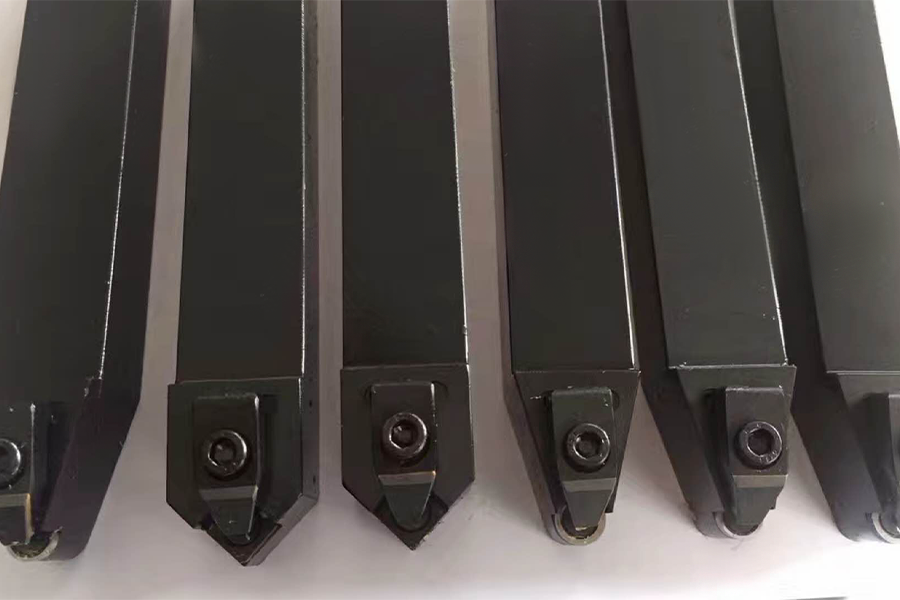 OEM/ODM Lathe Spare Parts Manufacturer, Suppliers- Nantong Jingyu Machinery Co.,Nantong Jingyu Machinery Co., Ltd is China OEM/ODM Lathe Spare Parts Manufacturers and Suppliers, details:This series mainly provides com...View Product →
Finally, request a trial or an application review with your own workpieces. A lathe can look good on paper, but only a live test reveals how the components behave under your cutting loads, tooling, and inspection methods.
No single component guarantees a perfect part, but a weak component can spoil an otherwise good machine. Study the bed, spindle, workholding, tooling, control system, and coolant system, and compare those details against your own workpieces. Understanding CNC lathe components is the most direct way to lower your risk when you buy a new machine or plan a maintenance schedule.
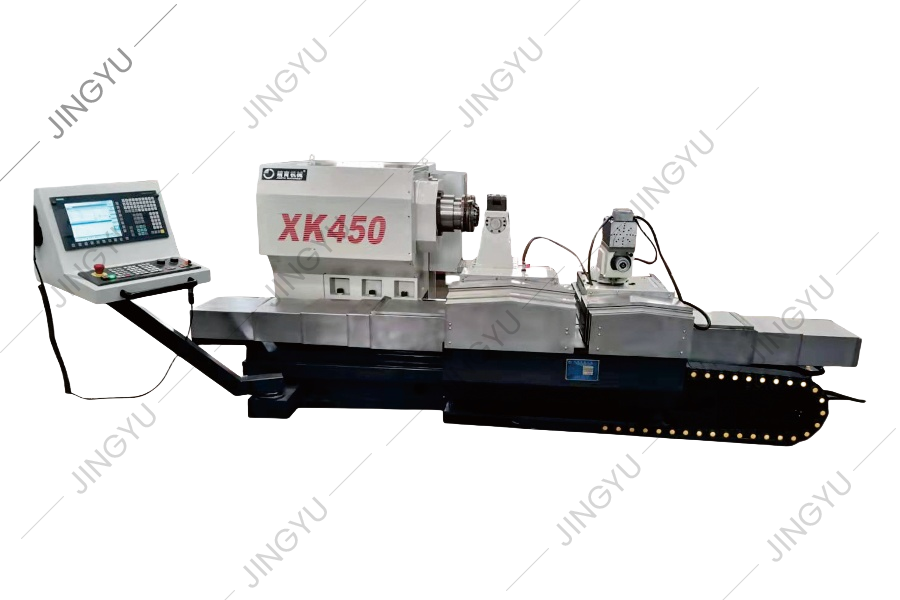
We have accumulated rich experience in the processing and use of rebar rolls, and have conducted in-depth analysis and research on the technology of s...
See Details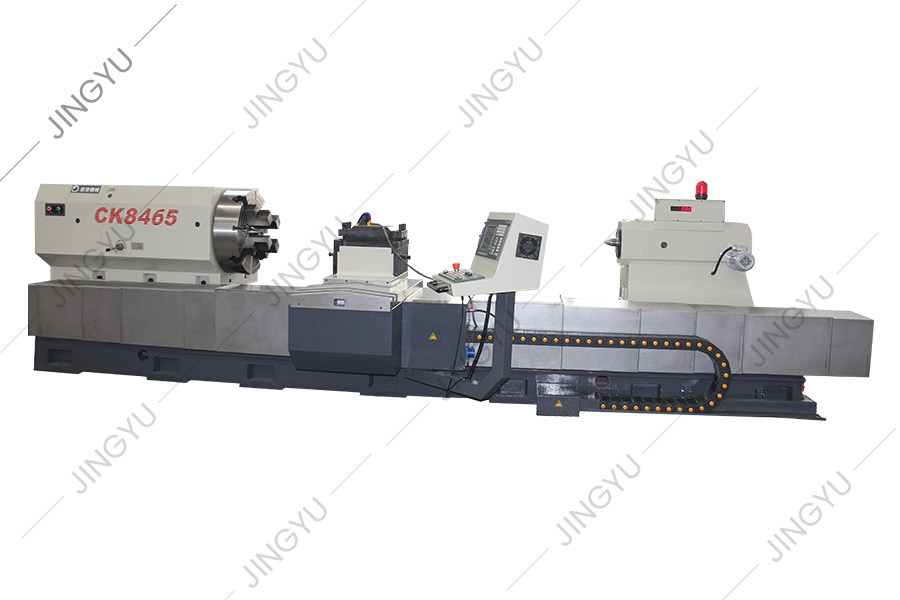
CK8465H CNC roll lathe bed adopts a 2+3 heavy-duty linear rolling guide structure, that is, two rectangular guide rails arranged horizontally on the b...
See Details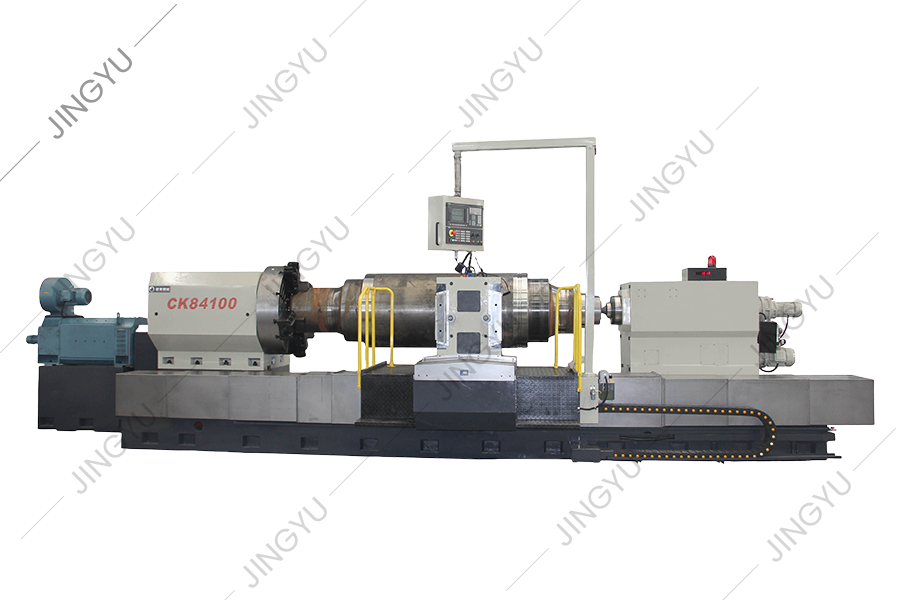
CK84 series CNC roll lathe adopts Siemens 828D CNC system and is driven by a servo motor. When designing this machine tool, we fully analyzed the tech...
See Details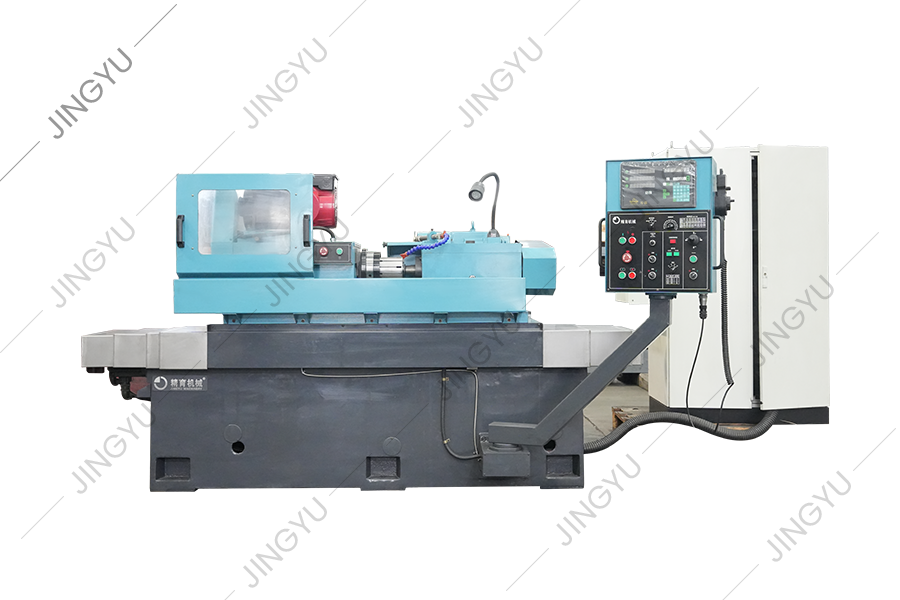
The roll ring forming grinder is mainly used for grinding tungsten carbide roller rings for high-speed wire rod production. The formed diamond grindin...
See Details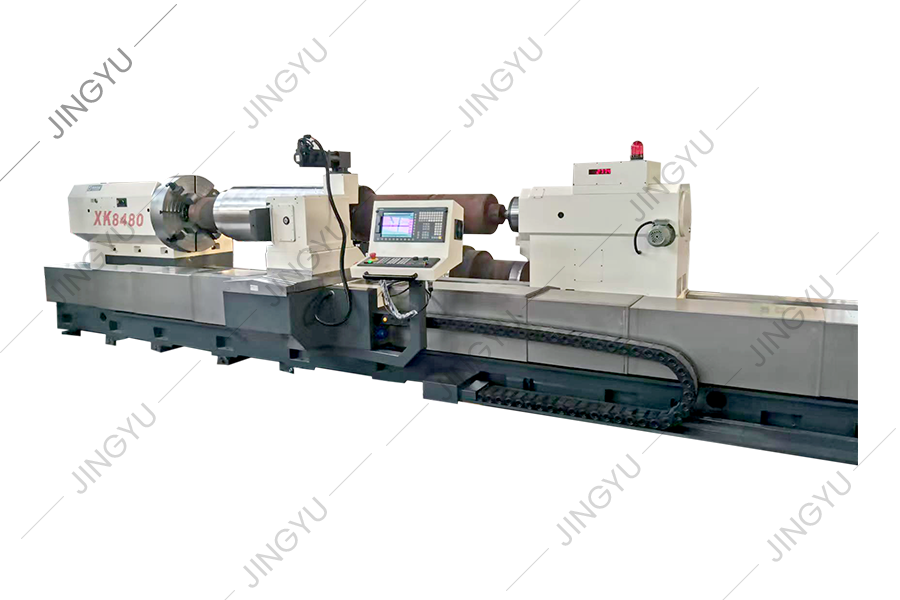
At present, pattern roll engraving at home and abroad generally adopts electrolysis method, ordinary horizontal milling machine milling and other proc...
See Details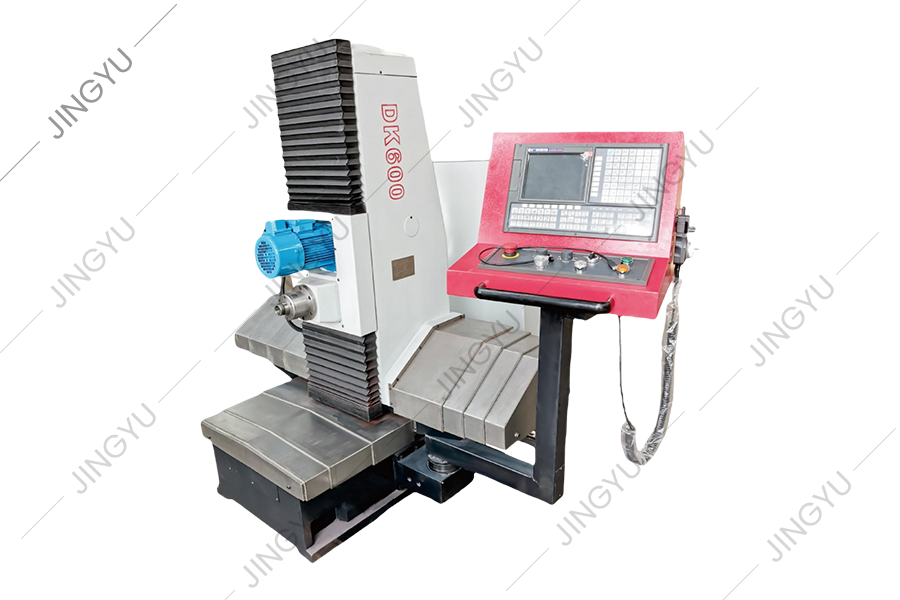
CNC roll engraving machine is suitable for processing various roll end face markings. Through the automatic editing software, it can generate processi...
See Details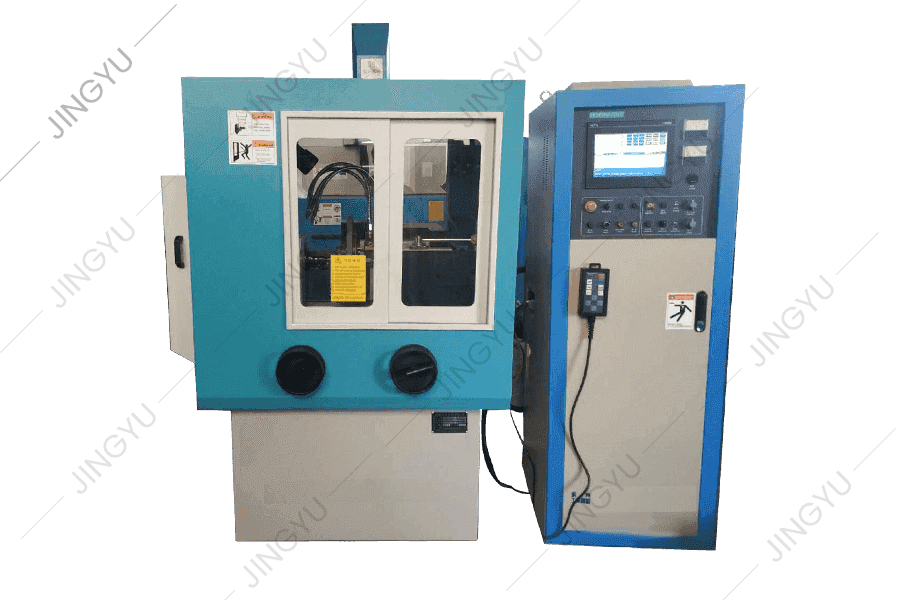
MX250 is a standard diamond wheel dressing machine, used for forming and dressing diamond wheels for metallurgical steel mills. The diameter of diamon...
See Details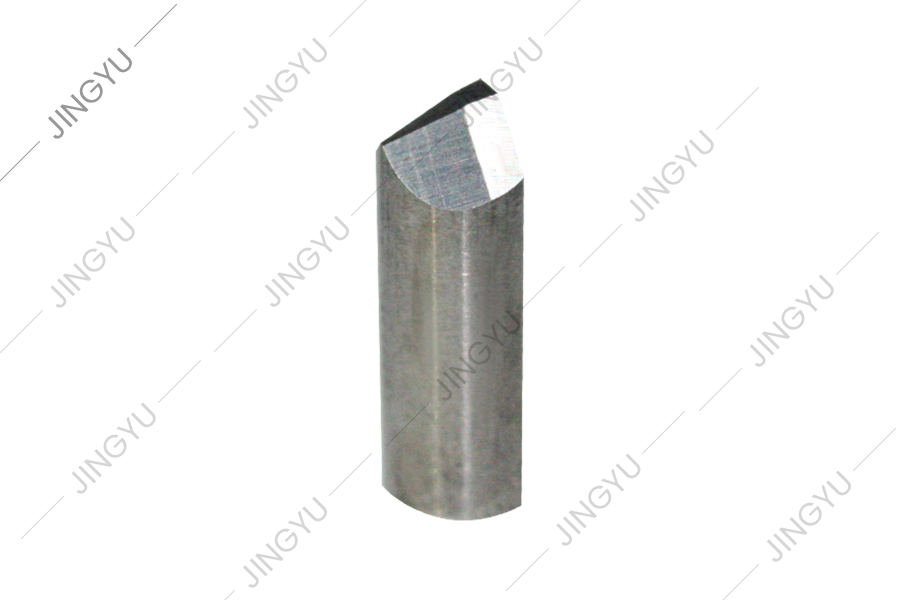
This series is mainly for CNC crescent groove milling machines to provide common-wearing parts, such as milling tool holders, milling cutters, support...
See Details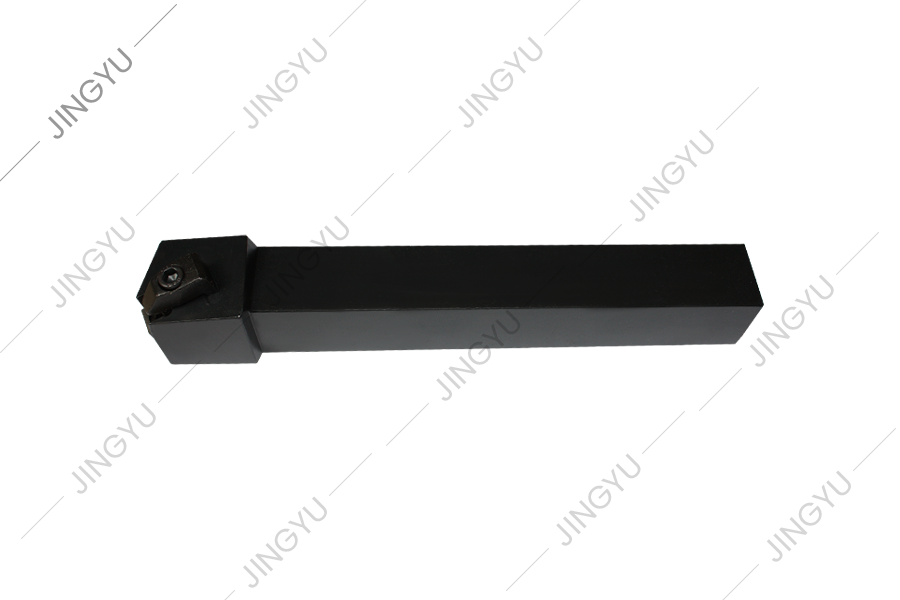
This series mainly provides common-wearing parts for CNC roll lathes, such as CBN blades, PCD blades, chucks, screws, etc.
See Details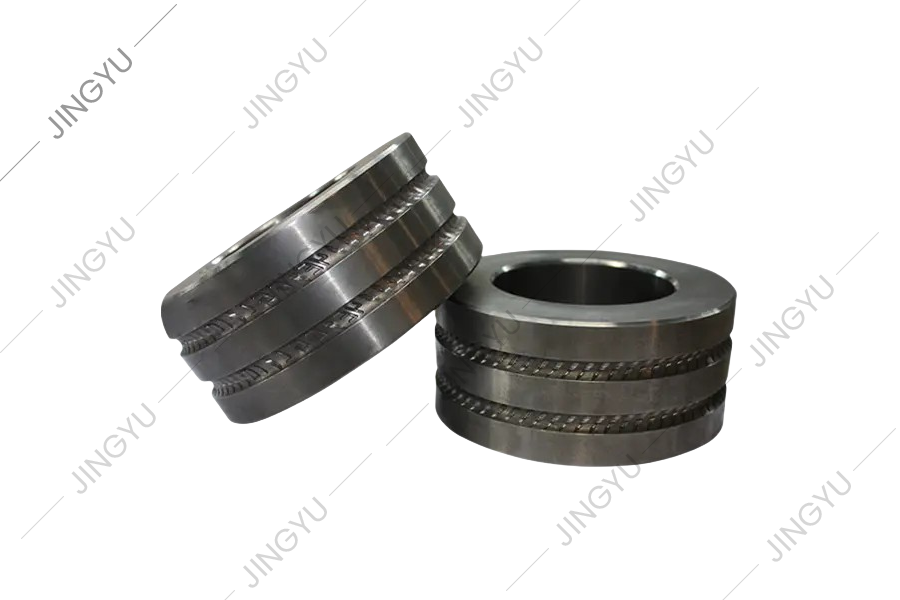
This series mainly provides common-wearing parts for CNC TC ring grinding machines and composite roll grinding machines, such as mandrels, dynamic and...
See DetailsNo.3, Xinghe Road, Zhaxi Industrial Park, Chongchuan District, Nantong, Jiangsu Province, 226003, P.R.China
info@rolllathe.com jennifergao@rolllathe.com
+86-513-85636116
Copyright © Nantong Jingyu Machinery Co., Ltd. All Rights Reserved
 China Roll Turning Lathe Manufacturers
