


 English
 русский
 عربى
عربى
Cat:CNC Roll Turning Lathe
High Precision CNC Roll Lathe
This series of machine tools is mainly used to pass and process rolls. It can also turn the outer circle and roll neck of rolls, and can also turn par...
See DetailsA production engineer evaluating a heavy duty CNC lathe usually has a concrete workload in mind: a 4,200 mm roll body to turn between centers, a 900 mm flange to face, or a stepped shaft rough-cut from a solid forging. When the workpiece alone weighs several tons, every decision about spindle torque, bed stiffness, and control accuracy becomes a long-term financial decision. The conclusion that comes out of most heavy machining projects is consistent: a heavy duty CNC lathe earns its cost only when its swing envelope, torque curve, and structural rigidity match the parts you actually produce, not the maximum values printed in a brochure.
Heavy duty CNC lathes form a distinct machine category, separate from standard CNC turning centers in structural mass, power, and the size of work they are designed to handle. Before comparing quotes, it helps to separate the features that affect cutting performance from those that only inflate the specification sheet.
A heavy duty CNC lathe is defined by three things: the size and weight of workpieces it can support, the torque it can apply at low spindle speeds, and the rigidity of the headstock, bed, and tailstock. Machines in this class typically use flat beds with wide hardened guideways, large spindle bores, and tailstocks built to carry long, heavy components. The table below shows parameter ranges that are common across this machine category.
| Specification | Typical range for heavy duty CNC lathes |
|---|---|
| Swing over bed | 800–1,600 mm |
| Distance between centers | 2,000–10,000 mm |
| Spindle bore | 130–350 mm |
| Spindle motor power | 30–120 kW |
| Maximum spindle torque | 10,000–60,000 N·m |
| Bed guideway span | 600–1,600 mm |
| Positioning accuracy | ±0.01–0.02 mm |
These values are starting points only. Two machines with the same swing can behave very differently under a continuous heavy cut because of differences in spindle bearing diameter, headstock casting weight, guideway width, and tailstock stiffness. That is why the specification table alone does not tell you how the machine will perform on your parts.
Five numbers and design choices carry most of the weight in a buying decision for this class of equipment.
Check the longest and heaviest part you process on a regular basis. A machine with 3,000 mm between centers cannot do a 3,500 mm roll body, no matter how attractive the price is. Verify the swing over the carriage as well as the swing over the bed, because large-diameter work often conflicts with the turret or with the tooling when the part is close to the chuck.
Motor power in kilowatts is the first number that buyers look at, but what matters in heavy roughing is the torque available in the 50 to 300 rpm range. When you take a deep cut on a hardened roll surface or a forged shaft, the spindle must keep its speed without stalling. Ask the builder for the full spindle torque curve, not a single maximum value.
Flat beds with wide hardened guideways remain the norm for heavy duty lathes because they provide a stable platform for interrupted cuts and heavy component weights. Compare guideway width, bed casting thickness, and the foundation requirements. A lighter machine can pass a no-load test and still chatter on its first production cut.
The CNC control determines how easily your operators can program the machine and how reliably it executes long machining cycles. In heavy duty turning, stable feed and accurate spindle speed control matter more than a long list of options. Siemens controls are common in this class, and the main advantages of a Siemens 828D on a heavy duty lathe show up when operators run complex cycles and the shop needs consistent program management.
Most builders quote positioning accuracy and repeatability, but the values are not always measured under the same standards. Check whether the numbers refer to axis positioning, machined diameters, or no-load conditions. On a real part, thermal growth, tool wear, and workpiece deflection all add to the quoted figures. If your parts require finish tolerances immediately after heavy roughing, consider a machine that can handle both stages in one setup; the high precision CNC mill roll lathe is designed for that kind of combined workload.
In production, heavy duty CNC lathes are used mainly for external cylindrical turning, facing, and grooving of large components: mill rolls, roller bodies, drive shafts, flanges, and large-diameter pipe ends. A CNC roll lathe is a heavy duty lathe configured specifically for roller machining, with the center height, length, and tailstock capacity needed to support long roll bodies in one clamping.
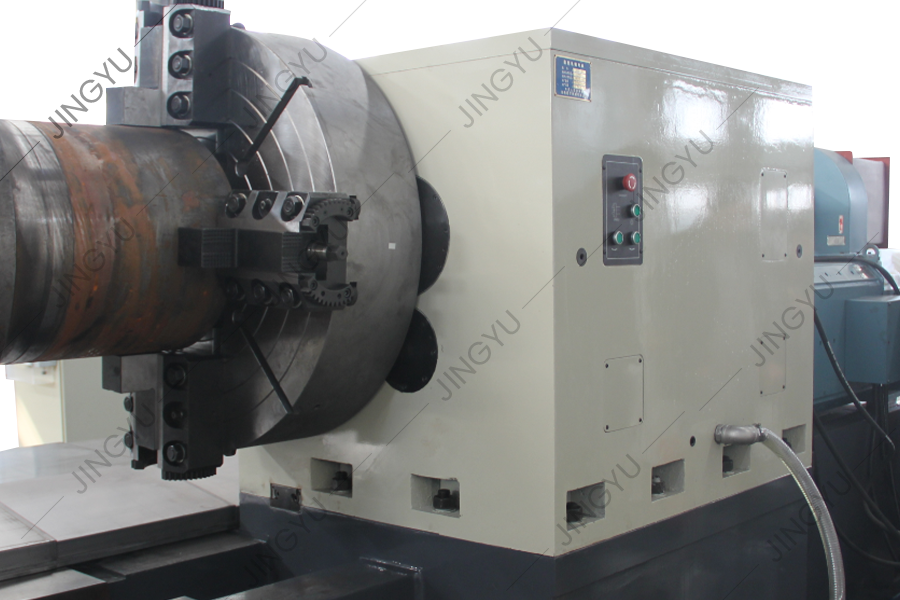 Wholesale Roll lathe Factory, SuppliersNantong Jingyu Machinery Co., Ltd. is China Roll lathe Factory and CNC Roll lathe suppliers, manufacturing wholesale Roll lathe for saleView Product →
A typical workload in a roll manufacturing shop is a work roll of 350 mm diameter and 3,500 mm length that needs rough and finish turning with roundness held to a few hundredths of a millimeter. The machine that handles this job every day must combine high torque at low speed with a stable tailstock and an automatic cycle. The same family of equipment extends to heavier roller work through the CNC roller lathe lineup.
The cost of a heavy duty CNC lathe is spread over ten or fifteen years, and mistakes made at the purchasing stage are paid for every month in that period. The most common ones include:
Each of these mistakes converts into a measurable cost: a second operation, a scrapped workpiece, longer setup times, or a machine that cannot run its intended duty cycle. Asking for reference installations in work similar to yours is one of the best ways to avoid them.
A heavy duty CNC lathe is a long-term asset, and the purchase price is only part of its lifetime cost. Spare parts availability, documentation, commissioning, and operator training determine how quickly you recover from a breakdown. A builder that controls its own production and assembly can respond faster and support the machine for decades.
The CNC heavy duty lathe is an example of a machine that can be specified around a shop's real part mix, with options for different center distances, spindle bores, and control systems. If you send actual part drawings and production volumes to the builder, the quotation comes back with a machine that matches the work rather than a generic model.
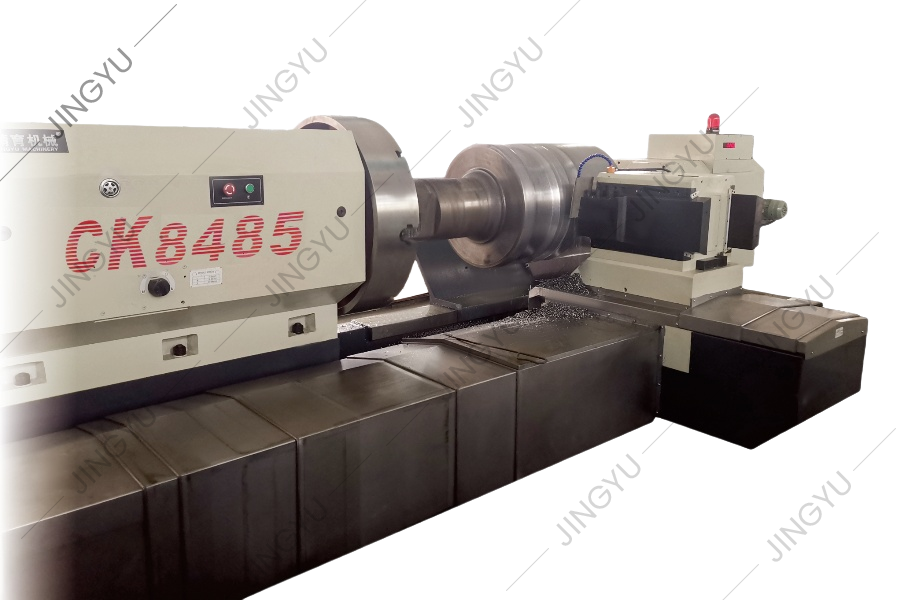 OEM/ODM Heavy Duty CNC Roll Turning Lathe Manufacturer, Suppliers- Nantong JingyNantong Jingyu Machinery Co., Ltd is China OEM/ODM Heavy Duty CNC Roll Turning Lathe Manufacturers and Suppliers, details:This series of ...View Product →
The right heavy duty CNC lathe is the one your own operators can run confidently, your maintenance team can keep alive for years, and your part mix can load to capacity. Envelope, torque, rigidity, control, and service support form the complete package. Document your part sizes, weights, materials, and tolerances before you talk to any builder; the quality of the final decision depends on the quality of that information.
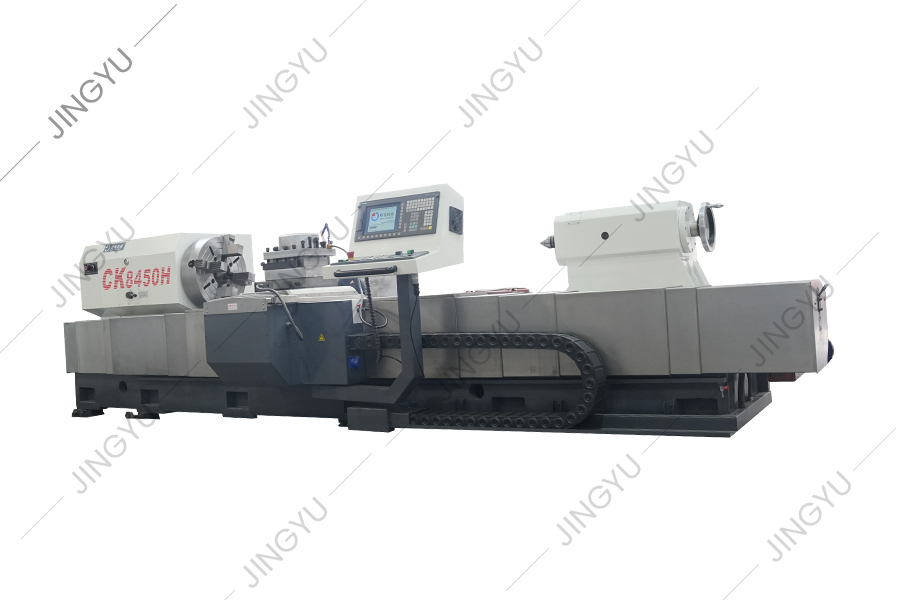
This series of machine tools is mainly used to pass and process rolls. It can also turn the outer circle and roll neck of rolls, and can also turn par...
See Details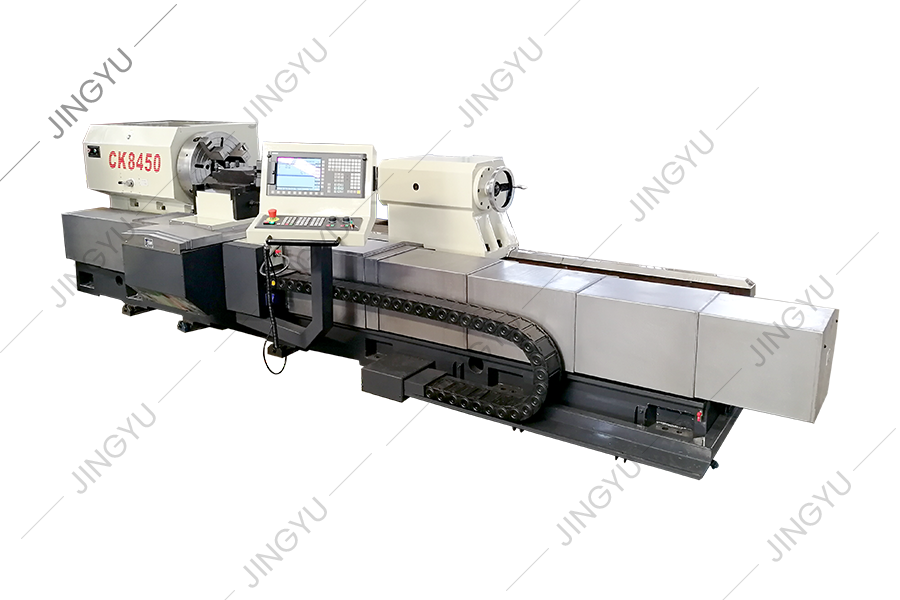
This series of machine tools is mainly used to pass and process rolls. It can also turn the outer circle and roll neck of rolls, and can also turn par...
See Details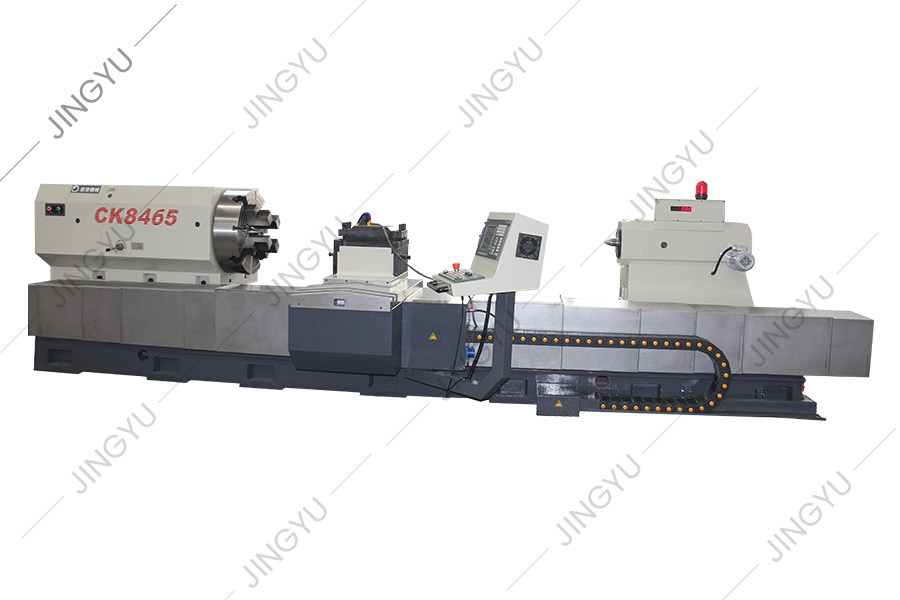
CK8465H CNC roll lathe bed adopts a 2+3 heavy-duty linear rolling guide structure, that is, two rectangular guide rails arranged horizontally on the b...
See Details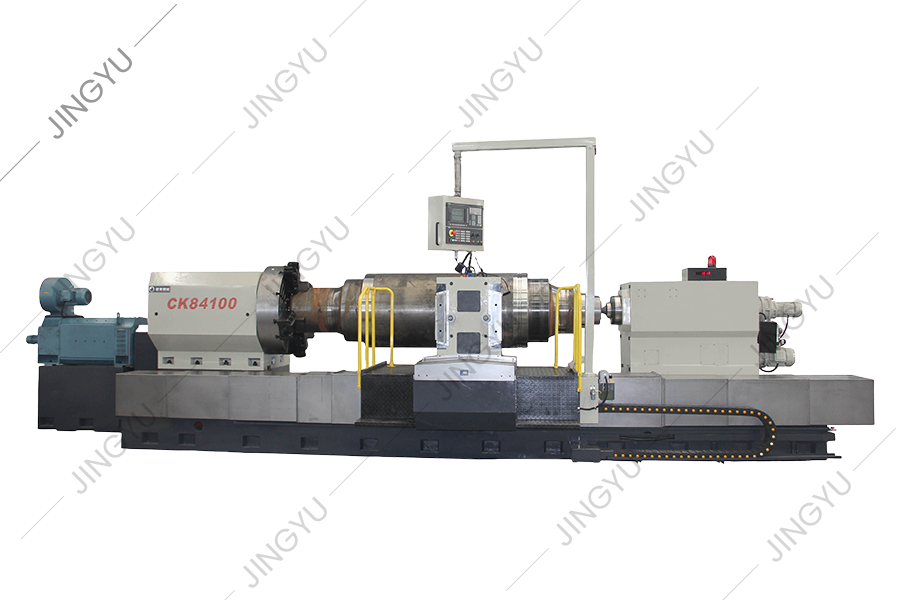
CK84 series CNC roll lathe adopts Siemens 828D CNC system and is driven by a servo motor. When designing this machine tool, we fully analyzed the tech...
See Details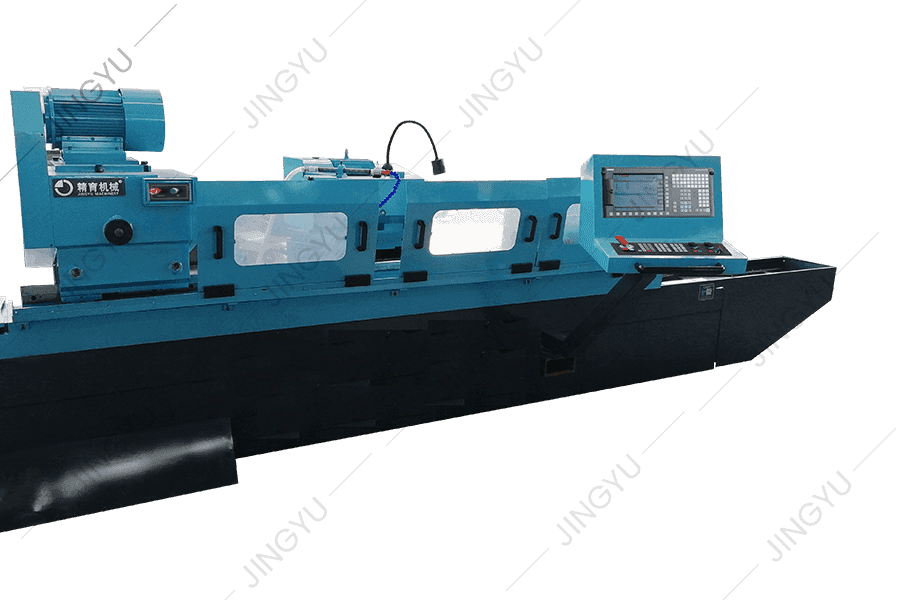
MK8450 CNC roll grinder is mainly used for rough grinding, semi-finish grinding, fine grinding, and non-spark grinding of the outer circles and R groo...
See Details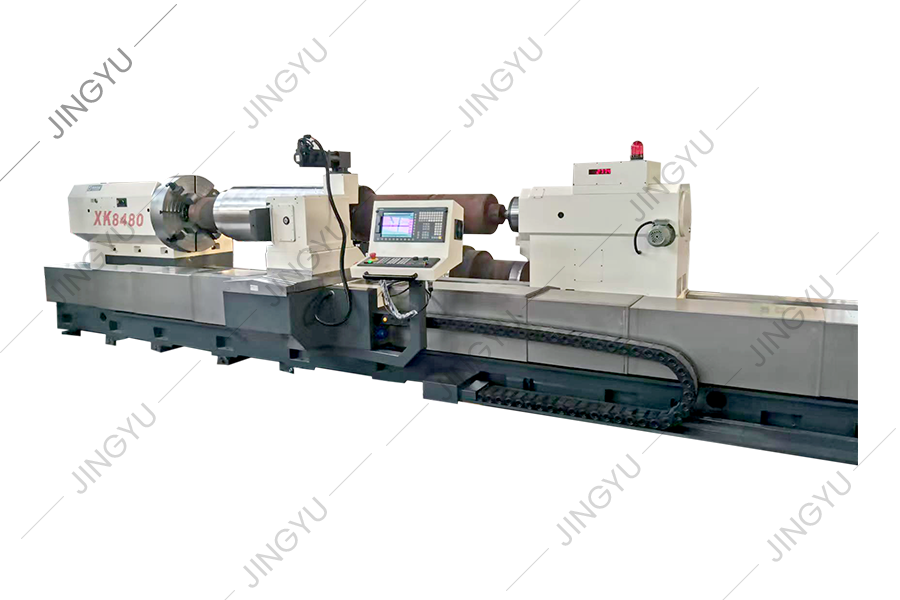
At present, pattern roll engraving at home and abroad generally adopts electrolysis method, ordinary horizontal milling machine milling and other proc...
See Details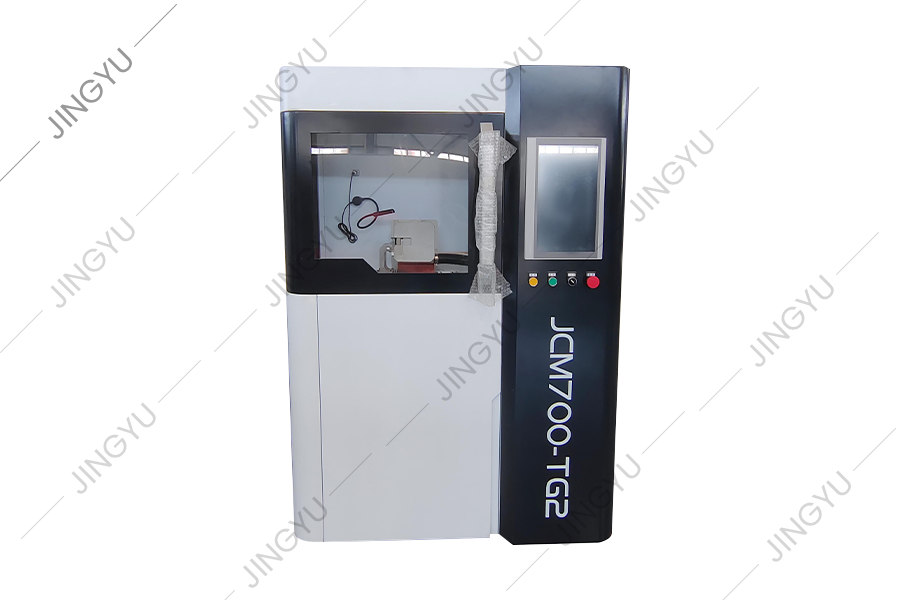
This machine is mainly used for grinding and repairing the milling cutter of roll threaded cross rib, which can easily repair and grind the edge of re...
See Details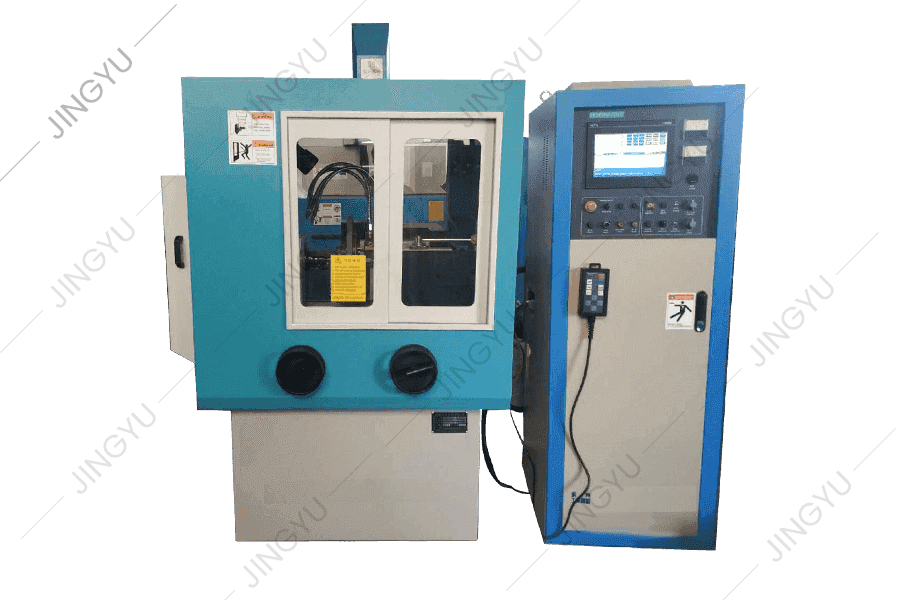
MX250 is a standard diamond wheel dressing machine, used for forming and dressing diamond wheels for metallurgical steel mills. The diameter of diamon...
See Details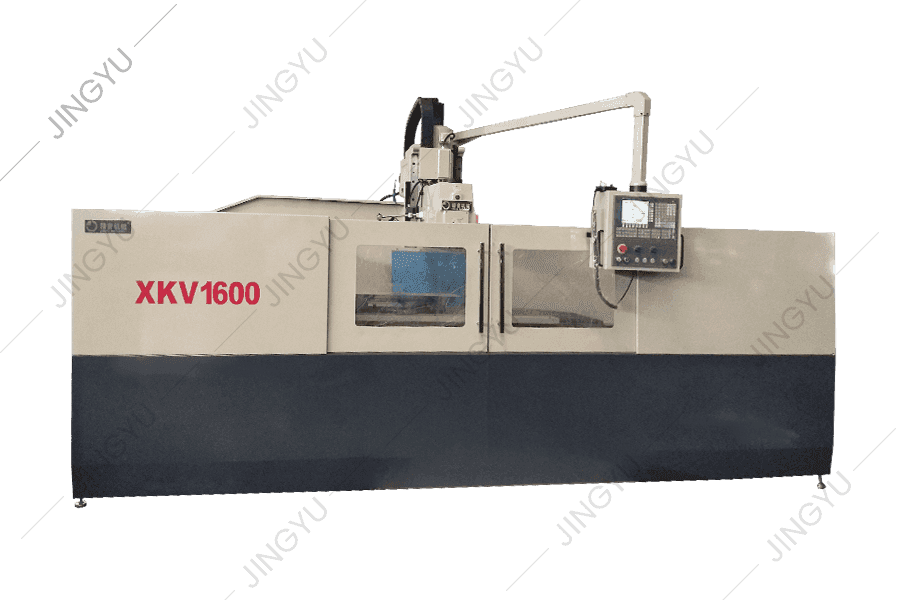
The CNC-reinforced milling machine adopts a full-gear spindle box, and the spindle transmission part adopts gears with precision of more than 6 levels...
See Details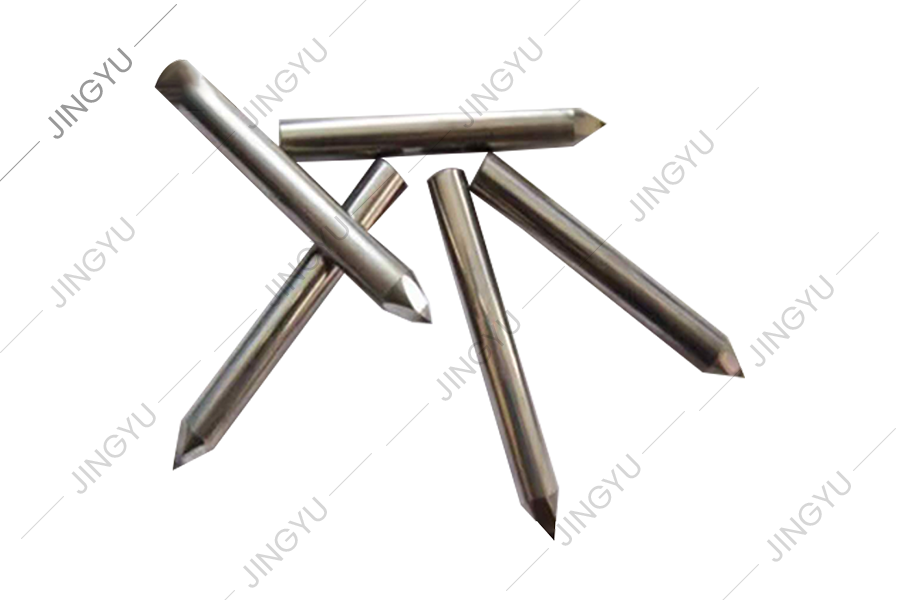
We also supply other spare parts, such as checkered plate milling cutters, roll slotting tools, oil pumps, motors, CNC systems, etc.
See DetailsNo.3, Xinghe Road, Zhaxi Industrial Park, Chongchuan District, Nantong, Jiangsu Province, 226003, P.R.China
info@rolllathe.com jennifergao@rolllathe.com
+86-513-85636116
Copyright © Nantong Jingyu Machinery Co., Ltd. All Rights Reserved
 China Roll Turning Lathe Manufacturers
