


 English
 русский
 عربى

Cat:CNC Roll Milling Machine
Automatic CNC Roll Milling Machine
In view of the problems of high-speed steel roll processing, the XK8450 CNC roll milling machine is a new type of CNC roll groove processing machine t...
See DetailsA 1.2 m forged steel roll arrives at the lathe with 4 mm of stock on the diameter. The operator does not push a tool into a stationary block. The headstock clamps the roll, spins it on its axis, and a rigid tool mounted on the carriage advances a controlled distance per revolution. That single relationship—workpiece rotation plus tool feed—is the short answer to how a lathe works.
The machine holds the work, creates the primary cutting motion, and guides the tool along or across the rotating surface. Everything else on the lathe—bed, spindle, carriage, tailstock, and control—exists to make that motion stiff, repeatable, and safe. Once you understand that division of labor, the rest of the machine becomes easier to read.
On a center lathe, the spindle turns the workpiece while the cutting tool remains relatively stationary. The tool is fed either parallel to the axis for longitudinal turning or perpendicular to the axis for facing and plunge cuts. The cutting tool is harder than the workpiece and removes material as a chip. Because the work rotates, the resulting surface is a surface of revolution: a cylinder, shoulder, taper, groove, or thread.
The tool does not spin. The work does. That is the key distinction between a lathe and a milling machine, where the tool rotates and the work is usually clamped in place. A lathe’s cutting speed is therefore tied to the workpiece diameter. A small diameter can turn at high rpm and still produce a moderate surface speed; a large roll needs lower rpm for the same surface speed.
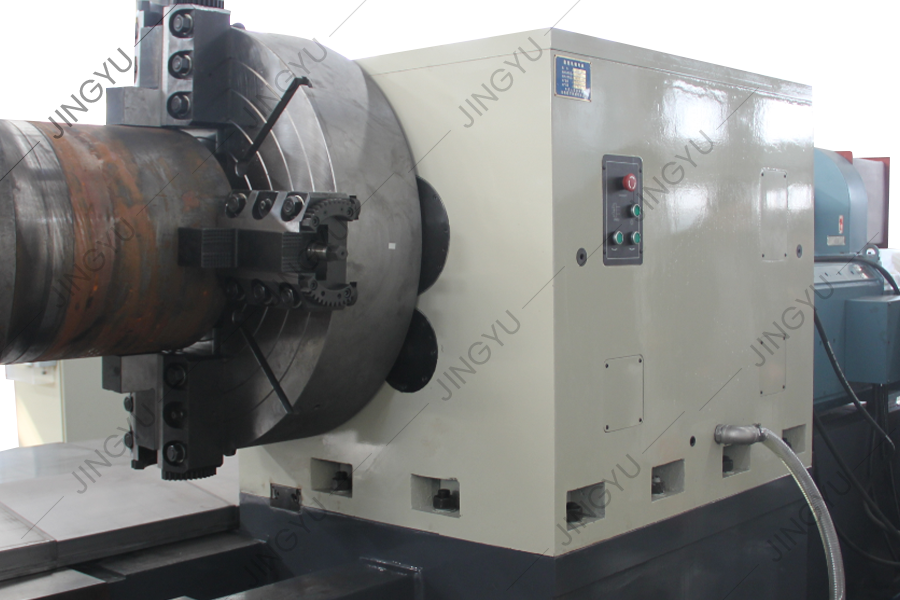 High Efficiency CNC Roll Lathe CK84 SeriesSiemens 828D-controlled roll lathe series for large roll turning, with CK84100 and CK84125 models, hardened guideways, and 90 kW spindle power.View Product →
On a roll lathe, the same kinematics are scaled up. The bed is wider, the headstock carries more torque at low rpm, and the tailstock or steady rest supports a long, heavy workpiece. A roll lathe from Nantong Jingyu Machinery, for example, is built around the same rotation-and-feed principle, but the structure is sized for roll diameters, roll weights, and the deep cuts that remove scale, wear, and damaged surface layers.
Most lathes share the same functional chain. The differences are in stiffness, capacity, and control. The table below maps the main parts to their job and to the checks that matter during setup or purchase.
| Component | Function | What to check |
|---|---|---|
| Bed | Provides the rigid foundation and guideways for the carriage and tailstock. | Cast iron mass, guideway wear, leveling, and chip clearance. |
| Headstock and spindle | Rotates the workpiece and transmits torque from the motor. | Spindle runout, low-speed torque, bearing condition, and spindle bore. |
| Chuck, centers, and steady rest | Hold and support the workpiece on its axis. | Jaw condition, clamping force, center alignment, and support for long rolls. |
| Carriage and tool post | Move the cutting tool along or across the work. | Slide rigidity, backlash, tool height adjustment, and repeatability. |
| Tailstock | Supports the free end of long workpieces and holds drills or centers. | Quill travel, alignment with the spindle axis, and clamping stability. |
| Feed rod and lead screw | Drive carriage feed and synchronized thread cutting. | Feed accuracy, lead screw condition, and engagement smoothness. |
| Control system | Coordinates spindle speed, feed, tool position, and cycle logic. | Interpolation quality, feedback resolution, and ease of recovery after a fault. |
On a manual lathe, the operator coordinates these elements by hand. On a CNC lathe, servo motors and feedback loops execute the same motions, but with programmed consistency. The physics do not change; the repeatability does.
A lathe is not a single-operation machine. It creates different geometry by changing the direction and timing of the tool feed. The most common operations are straightforward once the rotation-plus-feed principle is clear.
Roll work adds its own family of operations: crown and concave profiles, roll grooving, edge chamfers, end-face cleanup, and sometimes marking or engraving. These operations still depend on the same basic relationship, but they place higher demands on carriage stiffness, tool clamping, and the ability to hold a consistent depth of cut across a long surface.
Three settings control the cut. Cutting speed is the surface speed of the workpiece, usually expressed in meters per minute or surface feet per minute. Feed is the distance the tool advances per spindle revolution. Depth of cut is how far the tool engages radially into the work. If any one is pushed too far, the result is chatter, tool wear, poor finish, or a dimensional error.
For mild steel, a starting surface speed might be around 90 to 120 m/min for carbide tooling, with feed rates in the 0.2 to 0.4 mm/rev range for roughing and lower feeds for finishing. A 250 mm roll turning at 120 rpm gives a surface speed of about 94 m/min. The same rpm on a 50 mm shaft would give only about 19 m/min, which is why spindle speed must be matched to diameter rather than set by habit.
Figure 1: Indicative starting ranges for a rigid lathe; confirm with tooling data, material condition, and machine capacity.
The practical rule is to listen and measure. A stable cut sounds steady, produces consistent chips, and holds size. A cut that rings, leaves chatter marks, or changes dimension after the tool passes is telling you that rigidity, tool overhang, or feed is wrong. On large rolls, the effect of tool overhang is magnified because the workpiece itself is a heavy, spring-like mass.
A manual lathe gives the operator direct feedback through handwheels, dials, and sound. It is flexible for one-off repair work, but it depends on operator skill for repeatability. A CNC lathe replaces handwheel movement with programmed axes and feedback. The cutting principle is unchanged, but the machine can hold a contour, repeat a pass, and compensate for tool wear more consistently.
CNC roll lathes extend this principle with servo-driven axes and closed-loop feedback; the CNC system at the core of a roll lathe coordinates spindle speed, feed, and tool position so a long roll can be machined with consistent depth and surface quality. That matters when the workpiece is expensive, the repair window is short, and the same roll will return to service under load.
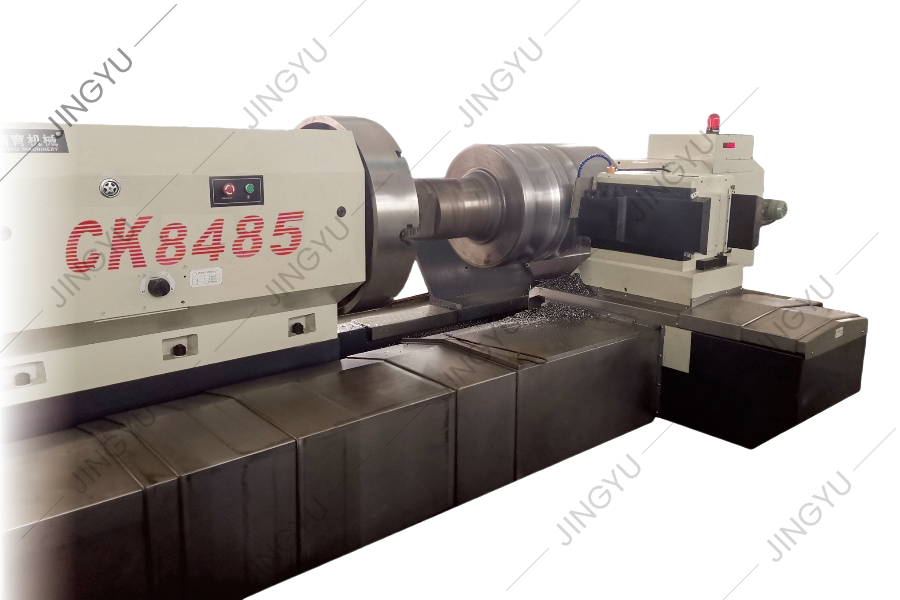 Heavy Duty CNC Roll Turning Lathe SeriesCNC roll lathe series including CK8450, CK8465, CK8480, and CK8485, built for turning large rolls and roll-like parts with integral 4+1 guideways.View Product →
Heavy-duty roll lathes add another layer: large spindle bores, wide guideways, heavy tailstocks, and low-speed torque. These features are not cosmetic. They resist deflection when the tool is taking a deep cut on a hardened or scaled roll. A light lathe can make the same shape in a test cut, but it may not hold tolerance over a full-length pass or survive years of roll repair work.
Buying a lathe for roll machining is not only a question of swing and center distance. The machine must fit the real workpiece, the real tooling, and the real inspection standard. A practical evaluation should cover the following points.
A lathe that is oversized for the work wastes money; a lathe that is undersized for the work wastes parts. The right choice sits between the two, with enough rigidity to take the required depth of cut and enough control to repeat the result after the first part is measured.
Most lathe accidents and costly mistakes happen during setup, not during the steady part of the cut. A few checks should become routine before the spindle starts.
These checks are simple, but they protect both the operator and the workpiece. On a roll lathe, where the workpiece may weigh several tons, a loose support or an incorrect speed can turn a routine pass into a serious event.
A lathe works because the workpiece rotates and the tool feeds into it in a controlled path. The headstock provides rotation, the bed and carriage provide stiffness, the tailstock supports the work, and the control system—manual or CNC—sets the speed, feed, and depth. Once that chain is clear, the machine becomes less mysterious and easier to evaluate.
For roll machining, the same principle applies at a larger scale. Capacity, low-speed torque, rigidity, and repeatable control matter more than a long list of features. Match the lathe to the roll, test it on real work, and keep the setup disciplined. That is how a lathe turns a heavy, worn roll back into a serviceable component.
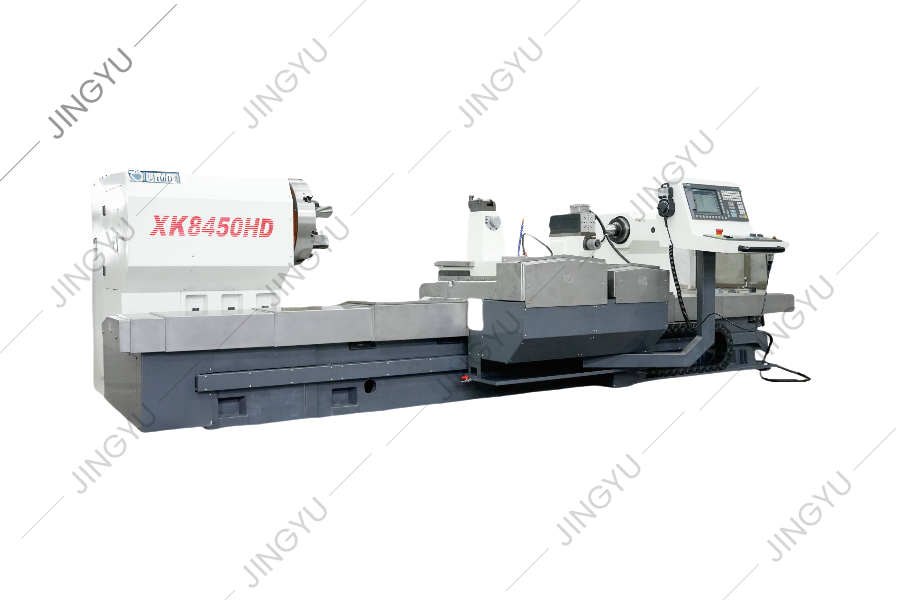
In view of the problems of high-speed steel roll processing, the XK8450 CNC roll milling machine is a new type of CNC roll groove processing machine t...
See Details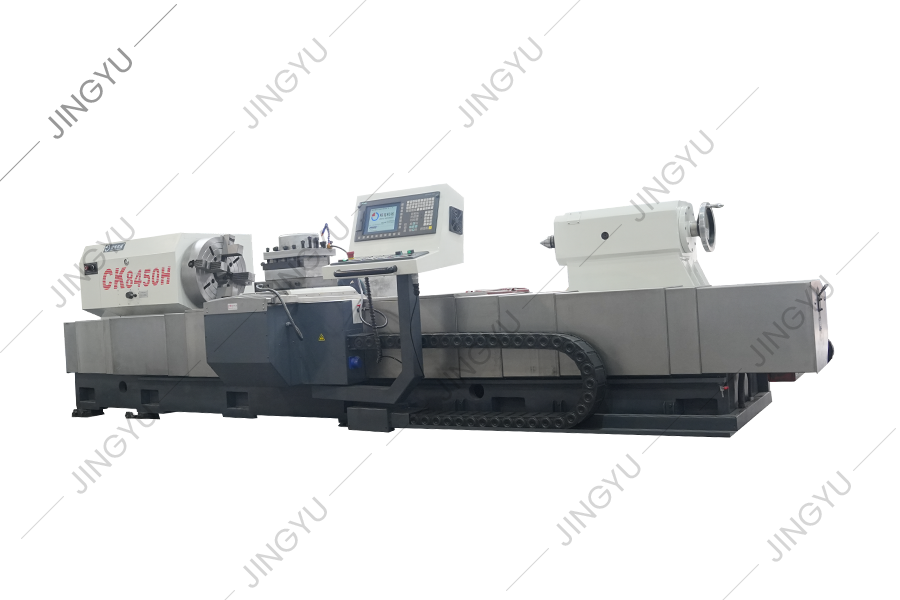
This series of machine tools is mainly used to pass and process rolls. It can also turn the outer circle and roll neck of rolls, and can also turn par...
See Details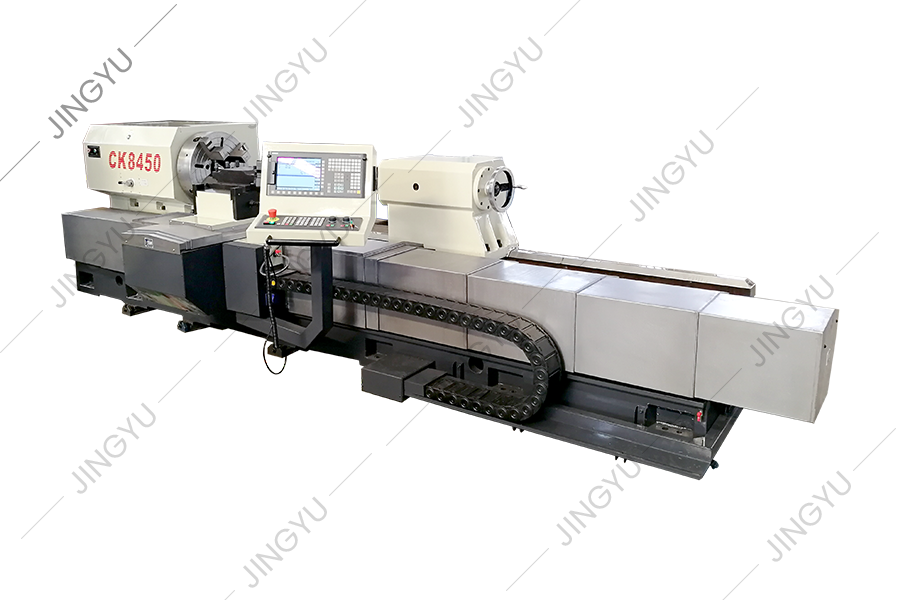
This series of machine tools is mainly used to pass and process rolls. It can also turn the outer circle and roll neck of rolls, and can also turn par...
See Details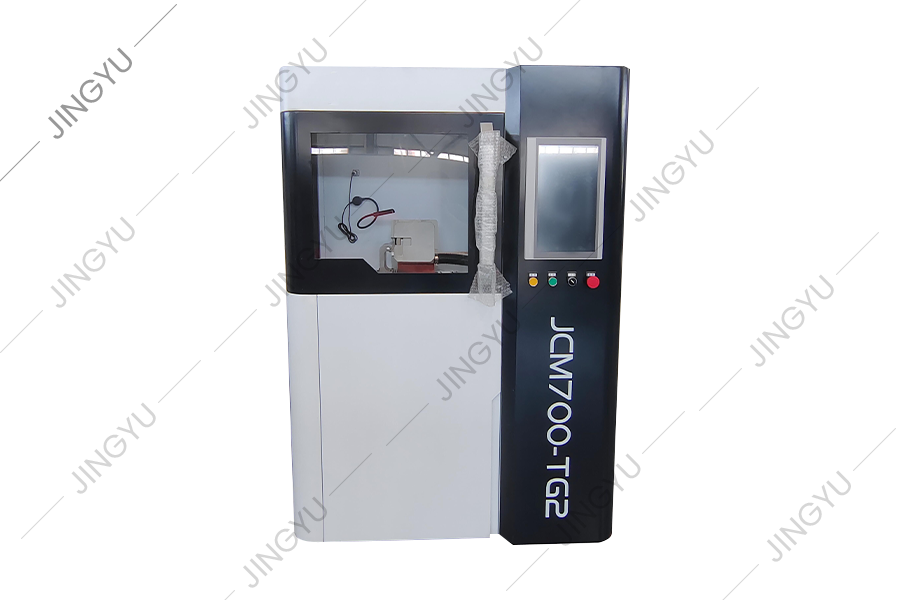
This machine is mainly used for grinding and repairing the milling cutter of roll threaded cross rib, which can easily repair and grind the edge of re...
See Details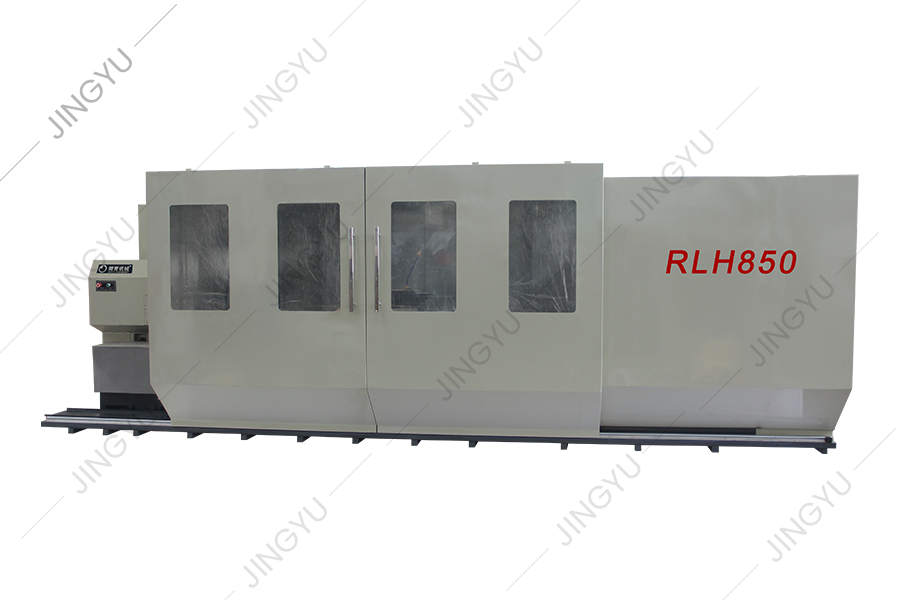
This machine tool is a new type of CNC roll grooving machine tool developed based on the company's CNC roll milling machine series and after full rese...
See Details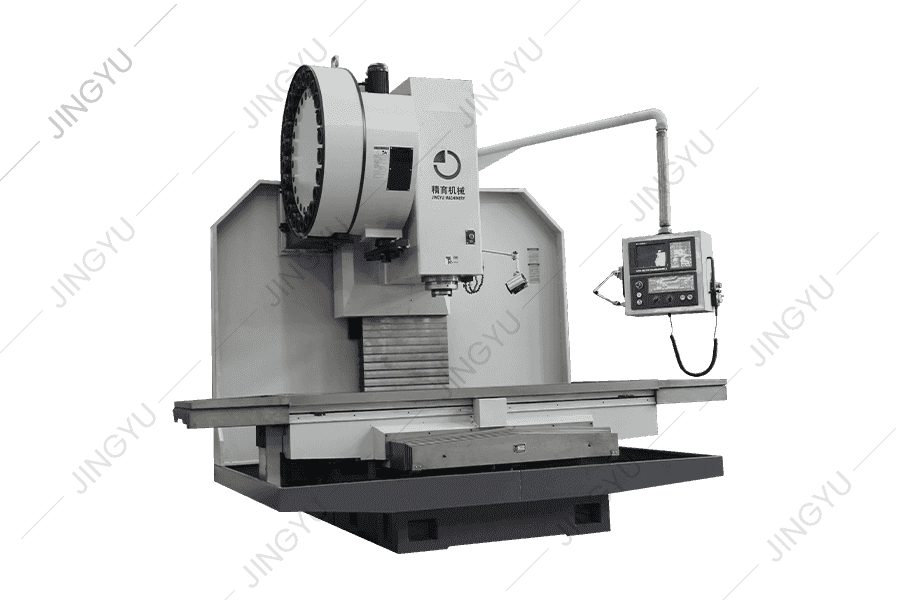
All three axes of the machine are P3-level 50×P10 ball screws, and the assembly process of 2-end fixed pretension is used to strengthen the axial rigi...
See Details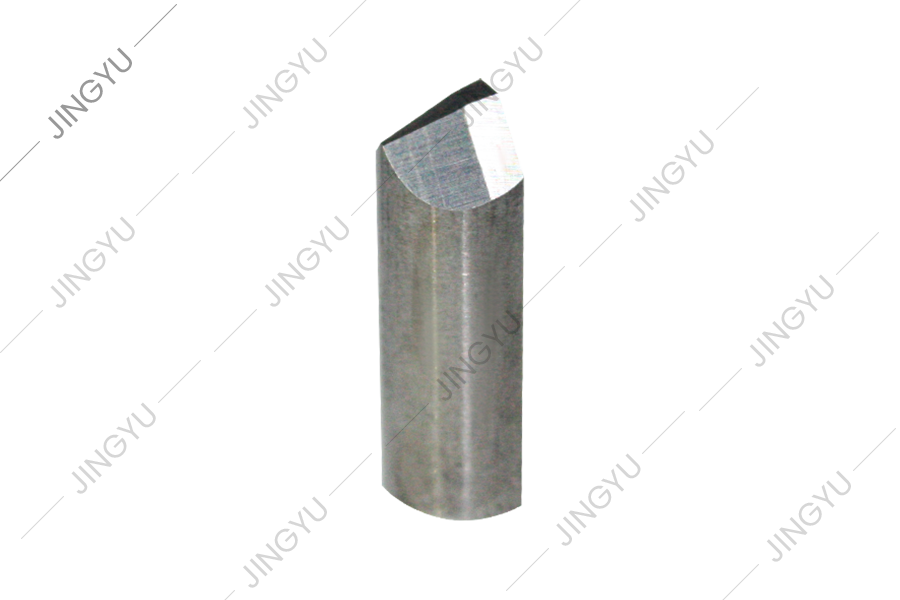
This series is mainly for CNC crescent groove milling machines to provide common-wearing parts, such as milling tool holders, milling cutters, support...
See Details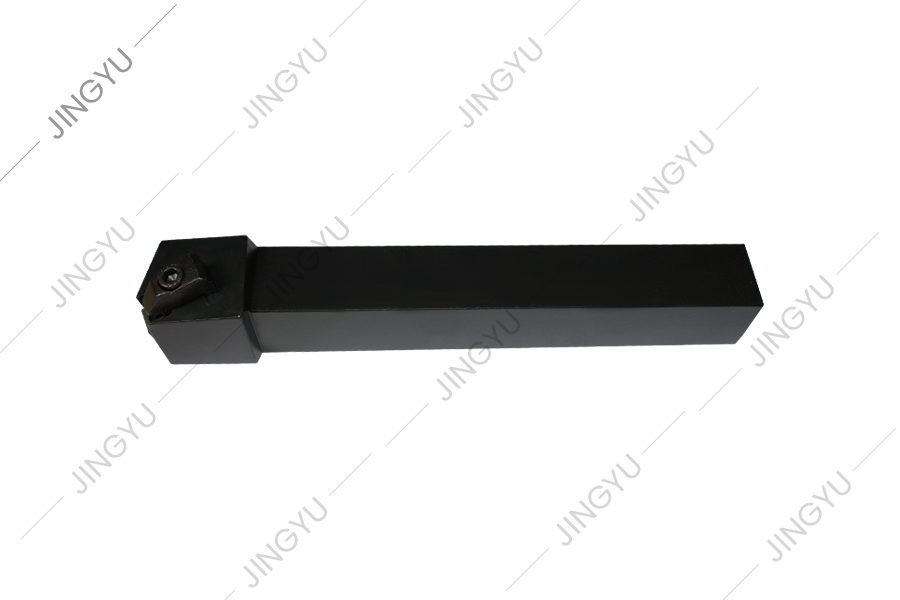
This series mainly provides common-wearing parts for CNC roll lathes, such as CBN blades, PCD blades, chucks, screws, etc.
See Details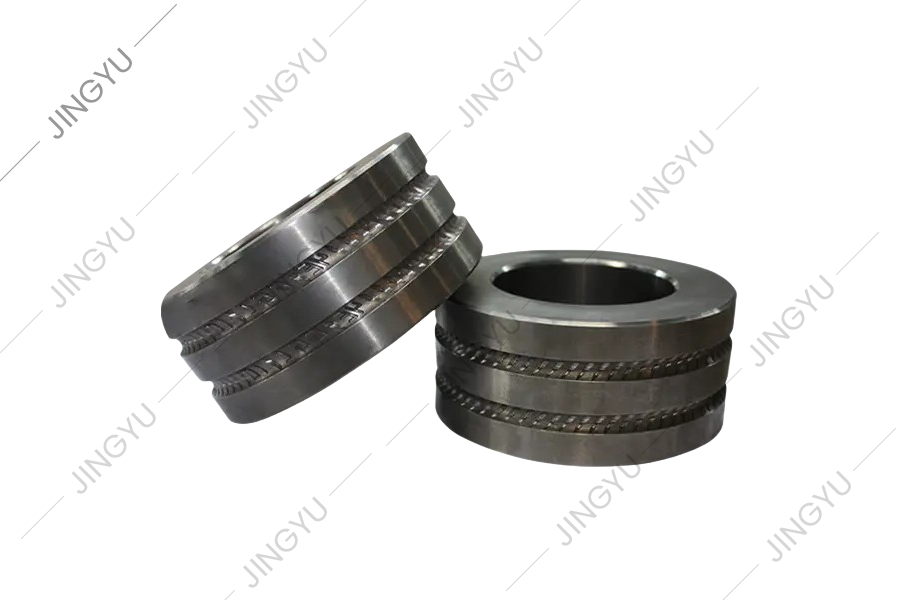
This series mainly provides common-wearing parts for CNC TC ring grinding machines and composite roll grinding machines, such as mandrels, dynamic and...
See Details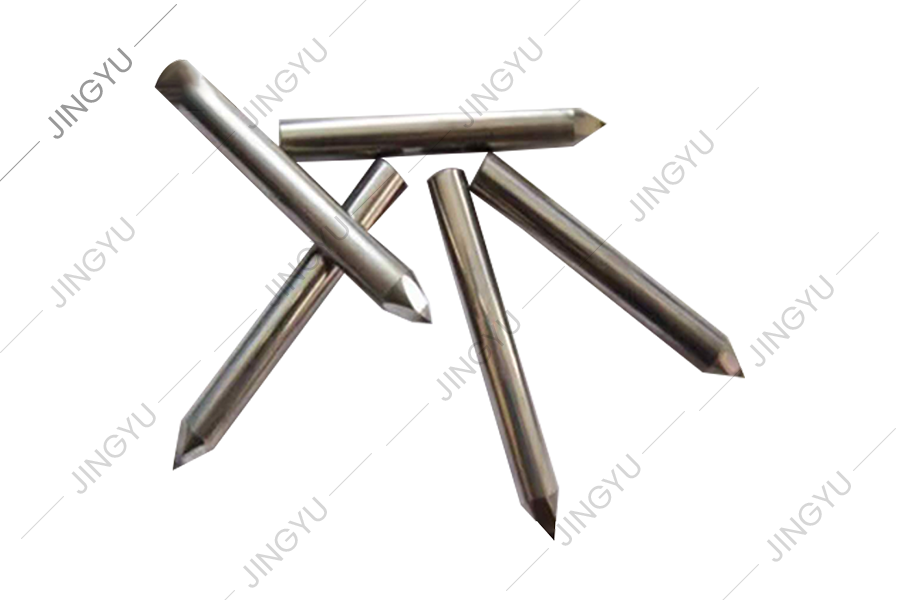
We also supply other spare parts, such as checkered plate milling cutters, roll slotting tools, oil pumps, motors, CNC systems, etc.
See DetailsNo.3, Xinghe Road, Zhaxi Industrial Park, Chongchuan District, Nantong, Jiangsu Province, 226003, P.R.China
info@rolllathe.com jennifergao@rolllathe.com
+86-513-85636116
Copyright © Nantong Jingyu Machinery Co., Ltd. All Rights Reserved
 China Roll Turning Lathe Manufacturers
