


 English
 русский
 عربى
عربى
Cat:CNC Roll Milling Machine
CNC Roll Milling Machine
This series of machine tools can automatically cut crescent grooves with different rotation directions and any helix angle. It can divide into equal (...
See DetailsCNC roll processing machines are advanced industrial tools designed to handle metal rolls with high precision and efficiency. These machines enable accurate shaping, cutting, and finishing of metal rolls for various industrial applications, including steel, aluminum, and copper processing.By automating complex operations, CNC roll processing machines reduce labor costs, minimize errors, and improve production speed, making them indispensable in modern manufacturing plants.
Different types of CNC roll processing machines cater to specific industrial needs:
Selecting the right machine type depends on material, thickness, roll size, and production capacity requirements.
Modern CNC roll processing machines offer numerous advantages that enhance production quality and efficiency:
The CNC roll processing workflow typically involves the following steps:
Example: A high-speed CNC slitting machine can process metal coils up to 3mm thickness at a speed of 30–50 meters per minute with ±0.05mm precision.
Key technical specifications to consider when choosing a CNC roll processing machine include:
| Machine Type | Material Thickness (mm) | Roll Width (mm) | Processing Speed (m/min) | Automation Level |
|---|---|---|---|---|
| CNC Slitting Machine | 0.3–3 | 500–1600 | 30–50 | High |
| CNC Leveling Machine | 0.2–2.5 | 600–1500 | 20–40 | Medium |
CNC roll processing machines are widely used in various industrial sectors:
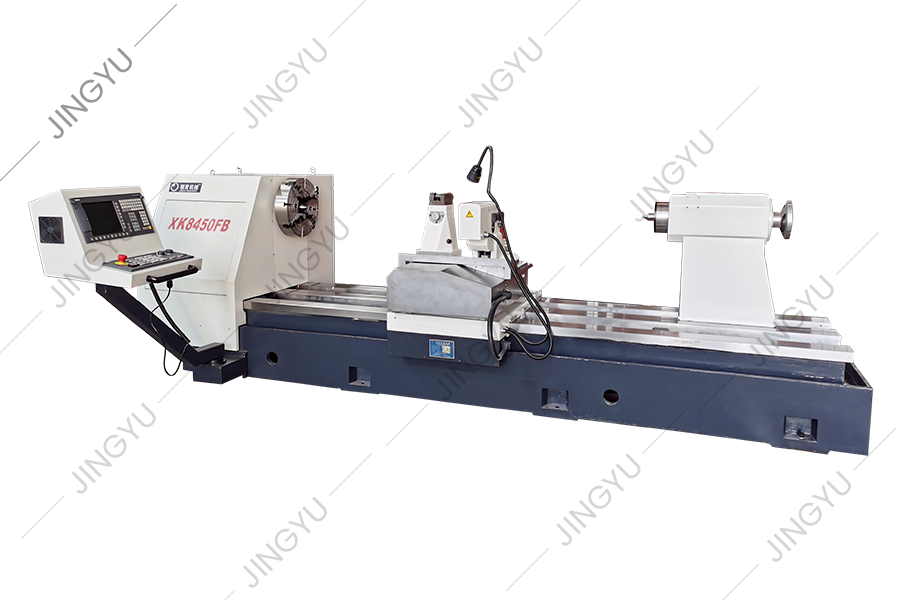
This series of machine tools can automatically cut crescent grooves with different rotation directions and any helix angle. It can divide into equal (...
See Details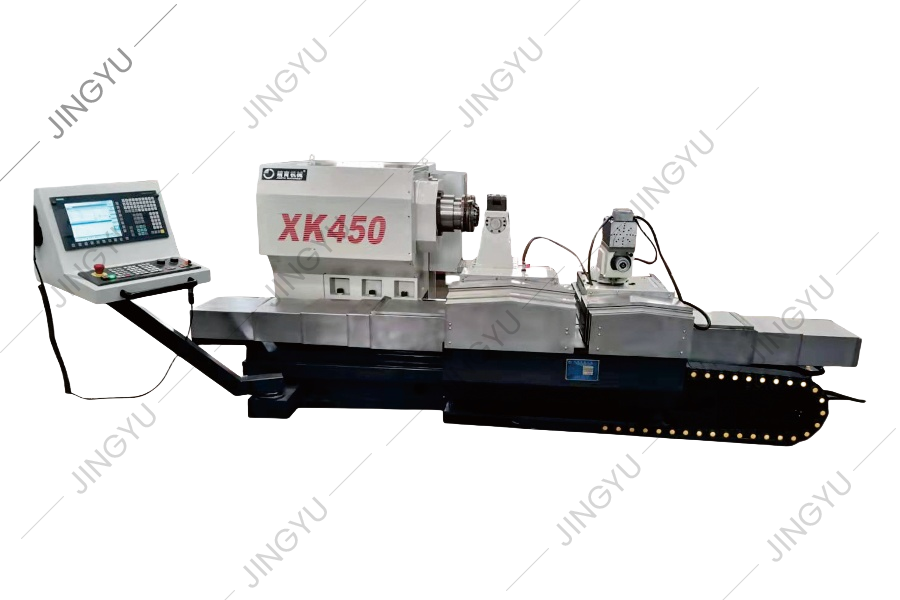
We have accumulated rich experience in the processing and use of rebar rolls, and have conducted in-depth analysis and research on the technology of s...
See Details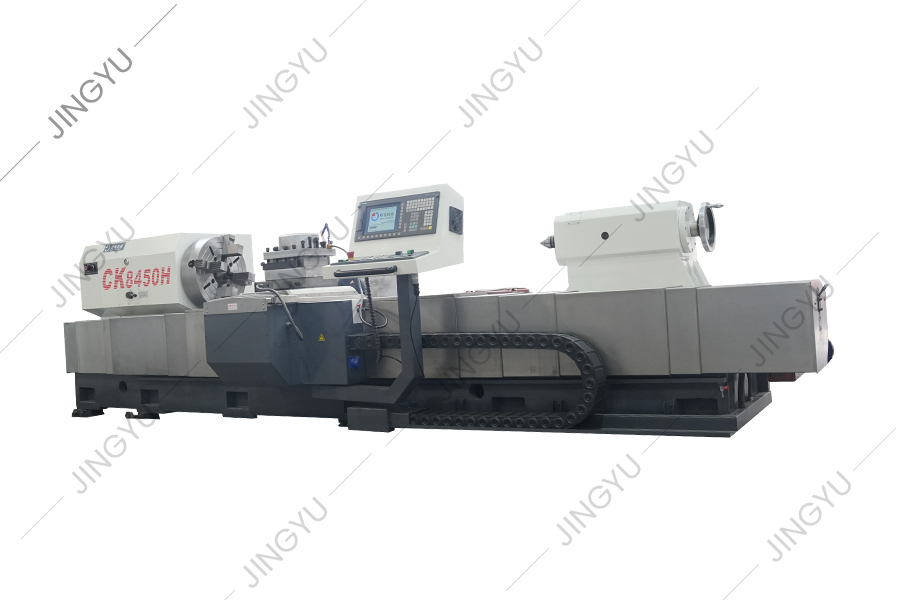
This series of machine tools is mainly used to pass and process rolls. It can also turn the outer circle and roll neck of rolls, and can also turn par...
See Details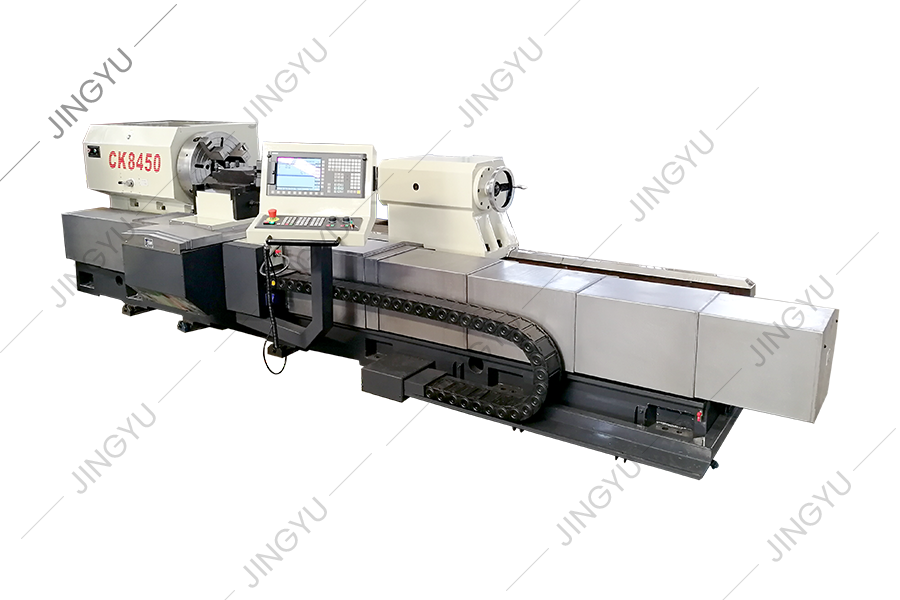
This series of machine tools is mainly used to pass and process rolls. It can also turn the outer circle and roll neck of rolls, and can also turn par...
See Details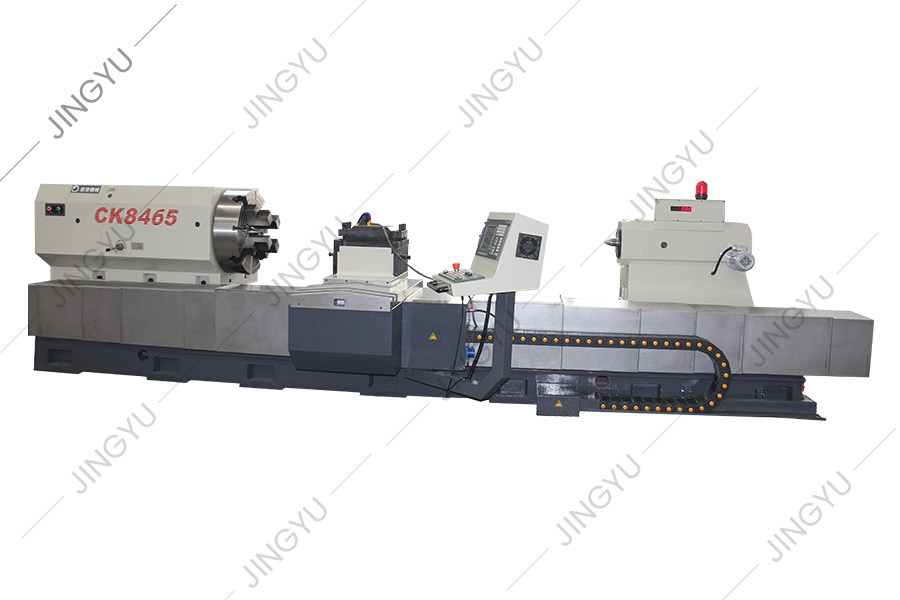
CK8465H CNC roll lathe bed adopts a 2+3 heavy-duty linear rolling guide structure, that is, two rectangular guide rails arranged horizontally on the b...
See Details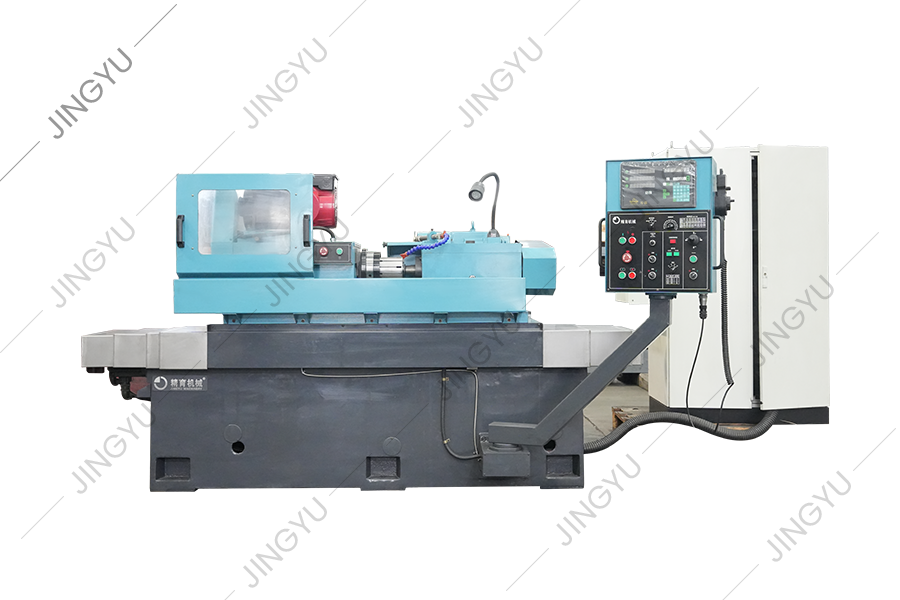
The roll ring forming grinder is mainly used for grinding tungsten carbide roller rings for high-speed wire rod production. The formed diamond grindin...
See Details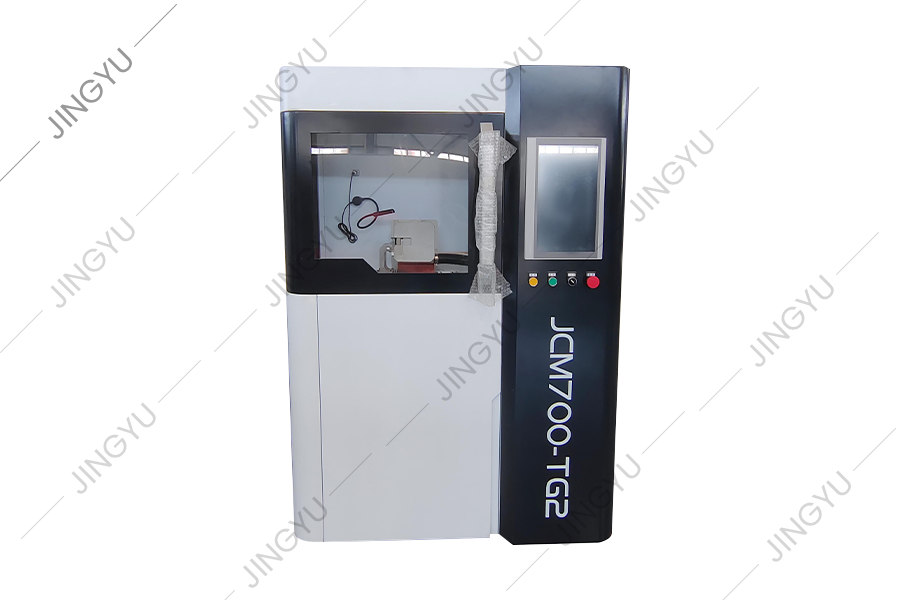
This machine is mainly used for grinding and repairing the milling cutter of roll threaded cross rib, which can easily repair and grind the edge of re...
See Details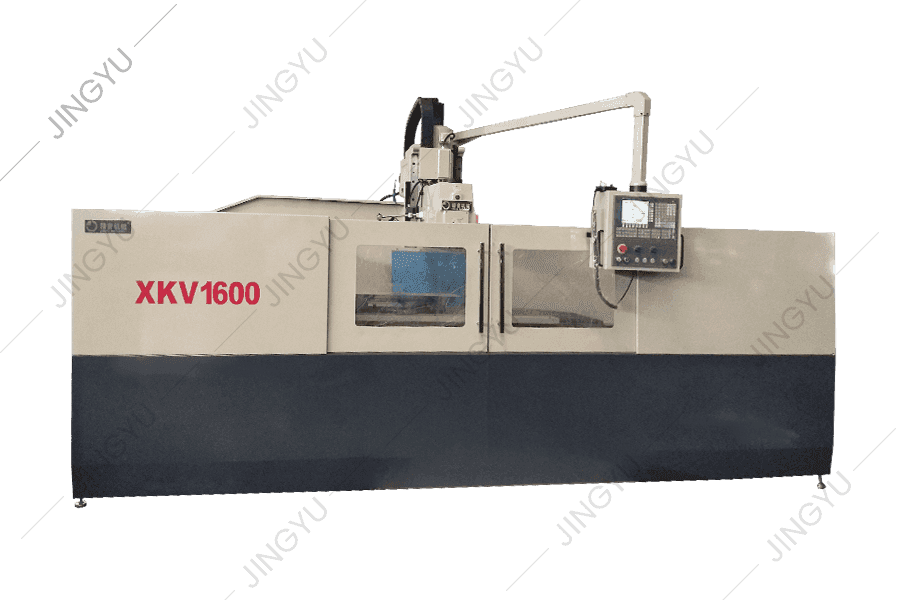
The CNC-reinforced milling machine adopts a full-gear spindle box, and the spindle transmission part adopts gears with precision of more than 6 levels...
See Details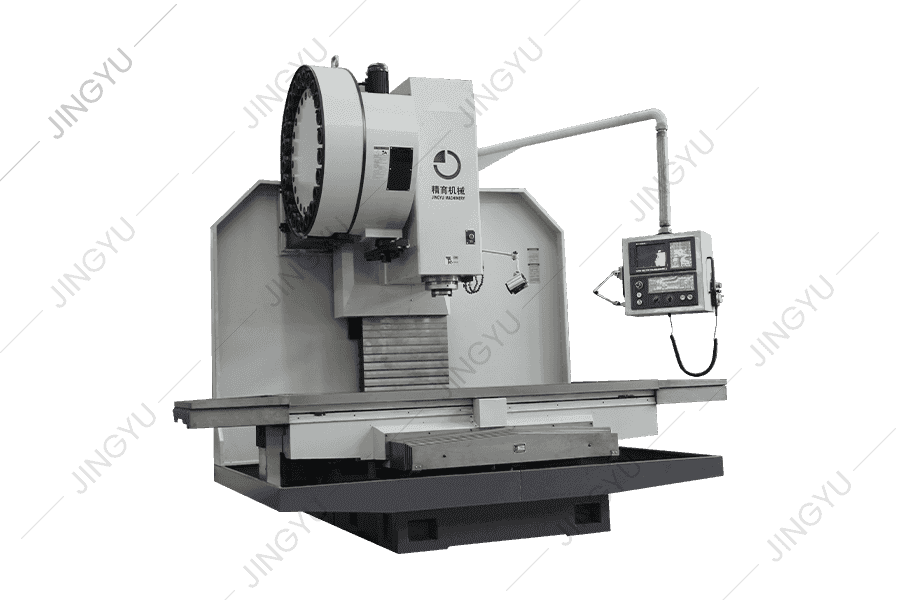
All three axes of the machine are P3-level 50×P10 ball screws, and the assembly process of 2-end fixed pretension is used to strengthen the axial rigi...
See Details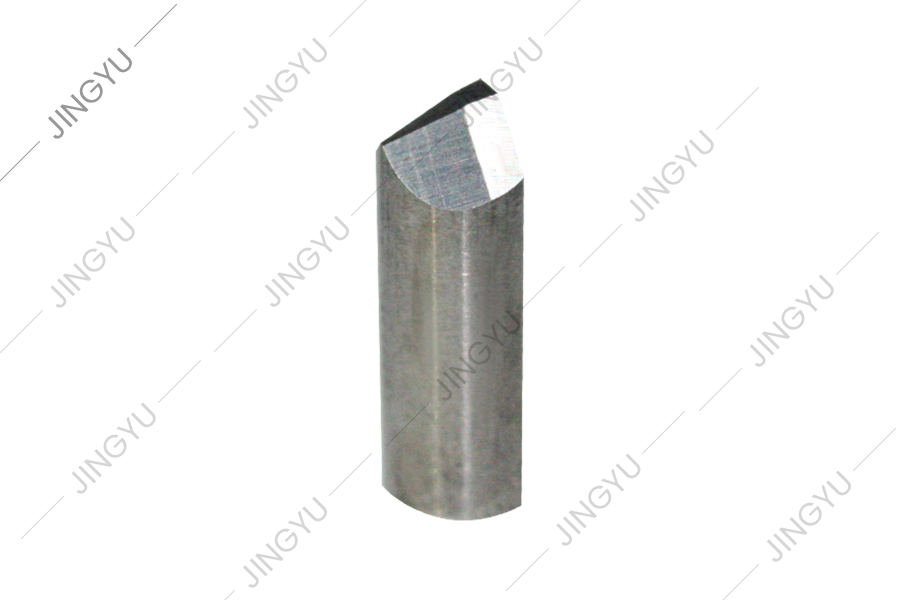
This series is mainly for CNC crescent groove milling machines to provide common-wearing parts, such as milling tool holders, milling cutters, support...
See DetailsNo.3, Xinghe Road, Zhaxi Industrial Park, Chongchuan District, Nantong, Jiangsu Province, 226003, P.R.China
info@rolllathe.com jennifergao@rolllathe.com
+86-513-85636116
Copyright © Nantong Jingyu Machinery Co., Ltd. All Rights Reserved
 China Roll Turning Lathe Manufacturers
