


 English
 русский
 عربى
عربى
Cat:CNC Roll Milling Machine
CNC Roll Notching Machine
XK9350 series CNC rebar roll crescent groove milling machine is the upgraded product of XK500 type, which is suitable for processing rolls with diamet...
See DetailsCNC roll milling machines are advanced tools used in precision machining, where materials are shaped, cut, and finished according to specific design requirements. These machines are commonly used in industries that produce parts for heavy machinery, automotive, aerospace, and other applications where precision and surface quality are critical. Ensuring that the product shape and surface quality meet customer requirements during CNC roll milling involves several factors, including machine setup, tool selection, operational parameters, and post-processing techniques. Each of these aspects plays a role in achieving the desired outcomes of accuracy and finish.
CNC (Computer Numerical Control) roll milling is a specialized process in which a rotating roll tool, controlled by a computer, shapes and cuts materials into the desired form. The CNC system allows for precise control over the movements of the machine and the tool, ensuring that each part is produced with high accuracy. The roll milling process can be used to create complex shapes, such as grooves, slots, and contours, which require careful management to ensure consistency in dimensions and surface quality.
The machine works by feeding a workpiece into the rotating roll, which moves according to predefined tool paths. The process can be used for a wide variety of materials, including metals, plastics, and composites, and it is capable of producing parts with tight tolerances and smooth surface finishes. Achieving the right shape and surface quality requires careful attention to several factors, such as the type of tool used, the cutting parameters, and the condition of the machine.
Achieving the desired product shape is a key objective during CNC roll milling. The shape accuracy of the final product depends on several factors, including machine calibration, tool wear, and the precision of the cutting process. To ensure the product shape meets customer requirements, proper setup and regular checks are essential throughout the production process.
One of the first steps in ensuring shape accuracy is proper machine calibration. CNC roll milling machines must be calibrated to ensure that all axes move correctly according to the program instructions. Misalignment in the machine can lead to deviations in the shape of the product, which could affect its fit and function. Regular checks of the machine’s alignment and positioning systems can help prevent such issues. Additionally, using high-quality reference tools and measuring equipment is essential to maintain the machine’s accuracy during operation.
Another critical aspect is tool selection. The type and condition of the tool used for milling can significantly impact the product's shape. For example, the use of worn-out tools or inappropriate tool geometry can cause dimensional inaccuracies, as the tool may not engage the material properly. Using the correct cutting tools, which are designed for the specific material and operation, helps minimize such risks. Furthermore, replacing tools at the right time, based on their wear patterns, ensures that the cutting edges remain sharp and effective, contributing to improved product shape accuracy.
The cutting parameters, such as feed rate, cutting speed, depth of cut, and tool path, play an important role in shaping the workpiece during CNC roll milling. These parameters must be carefully optimized based on the material being processed and the desired final product specifications. Incorrect or poorly chosen parameters can result in inaccurate dimensions, excessive material removal, or surface defects.
The feed rate determines how quickly the material is fed into the machine, which affects the quality of the cut and the overall shape of the part. If the feed rate is too high, it can cause the material to be removed unevenly, leading to dimensional errors or rough surfaces. On the other hand, a feed rate that is too low can result in excessive wear on the tool and longer processing times. The optimal feed rate ensures a balance between speed and accuracy.
Cutting speed, which refers to the speed at which the tool interacts with the material, is also crucial for shape accuracy. Too high a cutting speed can lead to heat buildup, causing material deformation or tool wear, while too low a cutting speed can result in poor cutting quality. Adjusting the cutting speed to suit the material properties and tool specifications helps achieve smooth and accurate cuts.
Depth of cut is another parameter that must be controlled carefully. A large depth of cut can lead to excessive tool wear and may cause the machine to produce inaccurate shapes. Shallow cuts, on the other hand, might not remove enough material and could result in inefficient machining. Choosing the appropriate depth of cut based on material hardness and tool capabilities is key to ensuring dimensional consistency.
Surface quality is another critical aspect of CNC roll milling, as it directly affects the appearance and functionality of the product. A smooth, high-quality surface ensures that the part meets aesthetic standards and is fit for use in precise applications, such as those in the aerospace or medical industries. The surface finish can be influenced by several factors, including the cutting conditions, tool geometry, and machine stability.
The first step in achieving high-quality surface finishes is selecting the appropriate cutting tool. Tools with the right geometry, coating, and material will produce smoother surfaces and better control during the milling process. For example, carbide tools are often preferred for their wear resistance and ability to maintain sharp cutting edges, leading to cleaner cuts and smoother surfaces. Additionally, the use of specialized coatings can reduce friction, minimize heat generation, and improve tool life, all of which contribute to better surface finishes.
Another important factor is the optimization of cutting parameters, especially cutting speed, feed rate, and depth of cut, as mentioned earlier. Adjusting these parameters ensures that the cutting process remains smooth, minimizing vibration and reducing the risk of surface defects such as tool marks or chatter. For materials that are prone to surface damage, such as soft metals or plastics, lower cutting speeds and finer feed rates may be necessary to reduce the potential for roughness.
Vibration and tool deflection are common issues that can negatively impact both the shape and surface quality of the workpiece. These phenomena occur due to the forces generated during the cutting process, which can cause the tool to deviate from its intended path, leading to inaccuracies in the shape and roughness in the surface finish. Minimizing vibration and controlling tool deflection are essential to producing high-quality products.
Several strategies can be employed to reduce vibration during CNC roll milling. For example, using rigid, well-supported machines can help prevent the workpiece or tool from moving excessively. Additionally, selecting the right cutting tools and ensuring that they are properly mounted in the machine can reduce deflection and improve machining stability. Using damping devices or vibration isolators can also minimize the effects of vibration on both the tool and the workpiece.
Tool deflection can be controlled by selecting tools with adequate stiffness and using shorter tool lengths, which reduce the likelihood of bending or movement during cutting. Additionally, choosing tools with coatings that minimize friction can reduce the heat generated during cutting, which helps maintain the shape and surface quality of the product.
To ensure that the product shape and surface quality meet customer requirements, advanced measurement and inspection techniques are essential. Continuous monitoring and measurement throughout the CNC roll milling process allow operators to detect deviations from specifications early and make necessary adjustments before problems escalate.
Various measurement tools can be used to assess the shape and surface quality of the workpiece. For shape accuracy, digital calipers, micrometers, and laser scanners can provide precise measurements of the workpiece’s dimensions. For surface quality, profilometers and surface roughness testers are used to measure the smoothness and texture of the finished surface. These tools can help operators detect issues such as tool marks, roughness, or dimensional inaccuracies, allowing them to make corrections in real time.
Many modern CNC systems are equipped with in-process measurement capabilities that automatically detect deviations and adjust machine parameters accordingly. This feedback loop helps ensure that the final product meets the specified shape and surface quality requirements without requiring extensive manual inspection.
In some cases, additional post-processing steps may be required to further refine the product shape and surface quality after CNC roll milling. These post-processing techniques can help correct minor imperfections, improve surface finishes, and ensure that the product fully meets customer specifications.
For example, polishing and deburring can be used to remove sharp edges and smooth out any surface imperfections. Polishing is particularly useful for achieving a high-quality surface finish, especially in products where appearance is critical. Shot blasting or abrasive blasting techniques may also be employed to improve surface texture and remove residual marks left by the milling process.
In some cases, heat treatments, such as annealing, can be used to relieve stress in the material and enhance its surface properties. This is particularly important for materials that may have been subjected to significant heat or mechanical stresses during the milling process. By carefully selecting post-processing techniques based on the material and desired properties, manufacturers can ensure that the final product meets customer requirements for both shape and surface quality.
Ensuring that the product shape and surface quality meet customer requirements during CNC roll milling requires a multifaceted approach. Proper machine calibration, tool selection, cutting parameter optimization, and vibration control all play key roles in achieving the desired outcomes. Additionally, advanced measurement and post-processing techniques help ensure that the final product adheres to the required specifications. By focusing on these factors and implementing effective monitoring systems, manufacturers can produce high-quality parts with precise shapes and smooth surfaces that meet the exacting standards of
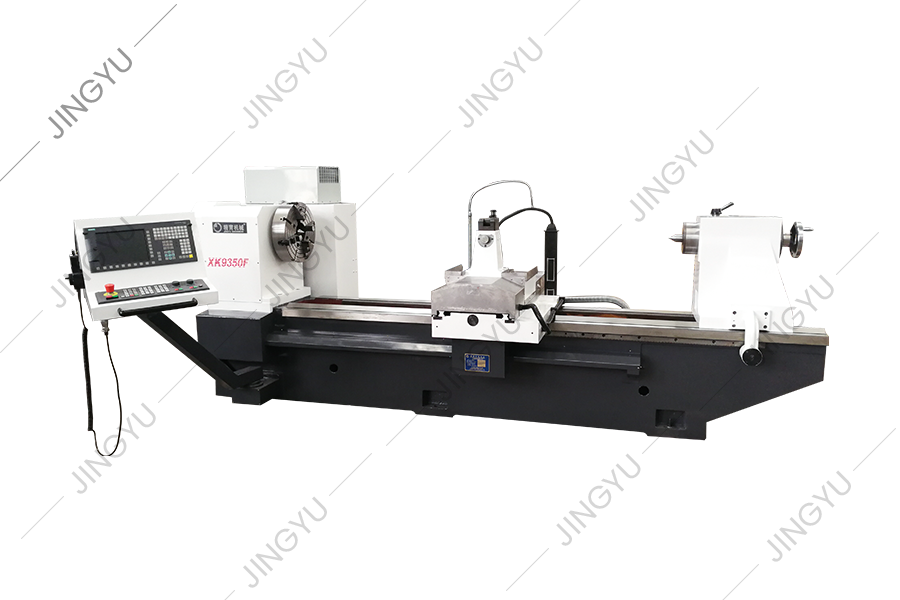
XK9350 series CNC rebar roll crescent groove milling machine is the upgraded product of XK500 type, which is suitable for processing rolls with diamet...
See Details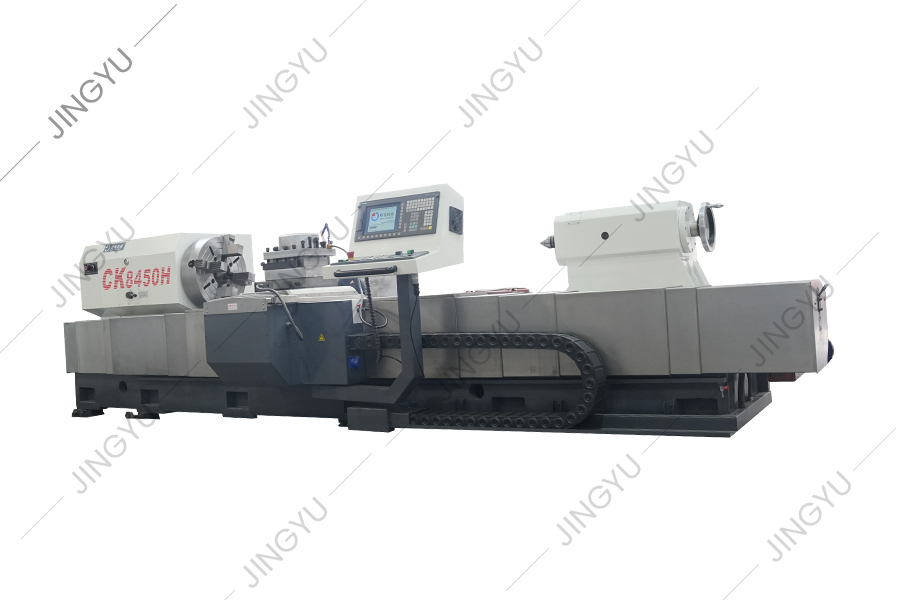
This series of machine tools is mainly used to pass and process rolls. It can also turn the outer circle and roll neck of rolls, and can also turn par...
See Details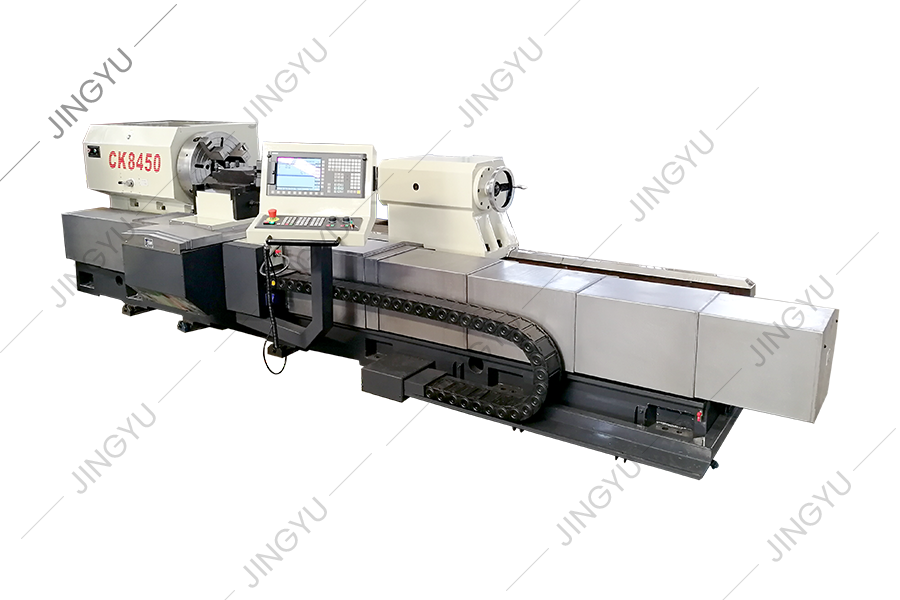
This series of machine tools is mainly used to pass and process rolls. It can also turn the outer circle and roll neck of rolls, and can also turn par...
See Details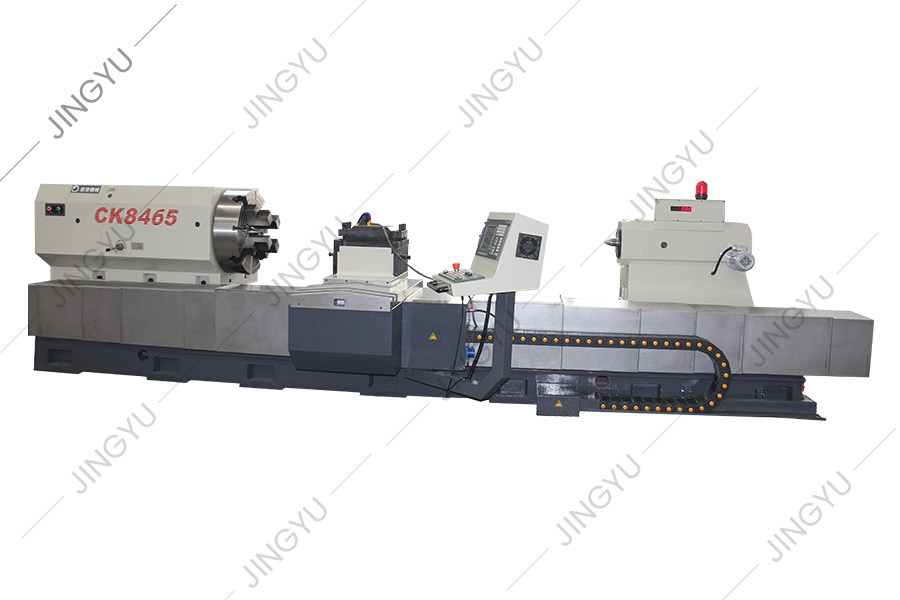
CK8465H CNC roll lathe bed adopts a 2+3 heavy-duty linear rolling guide structure, that is, two rectangular guide rails arranged horizontally on the b...
See Details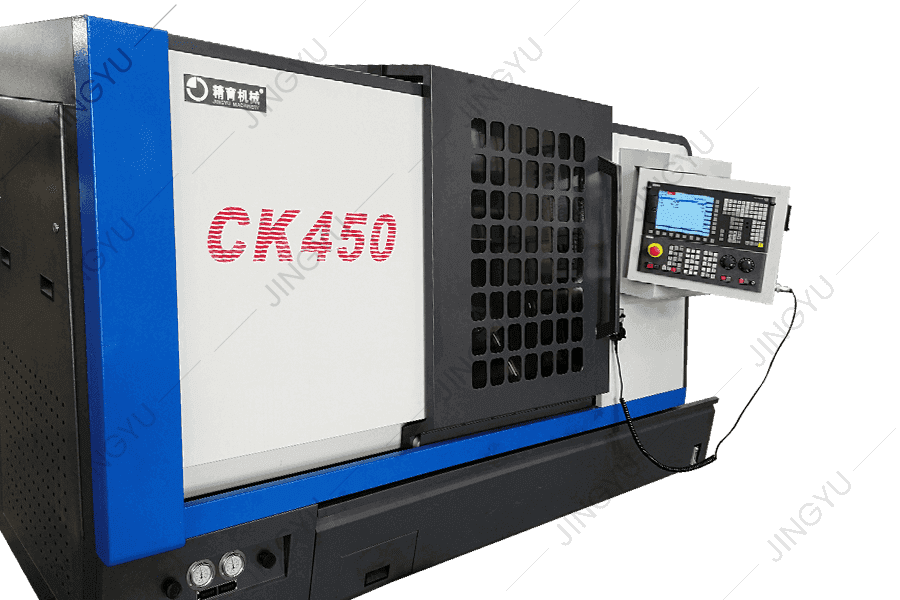
The CK450 inclined bed CNC lathe adopts the German Siemens control system. The appearance, operating system, and safety protection system of the machi...
See Details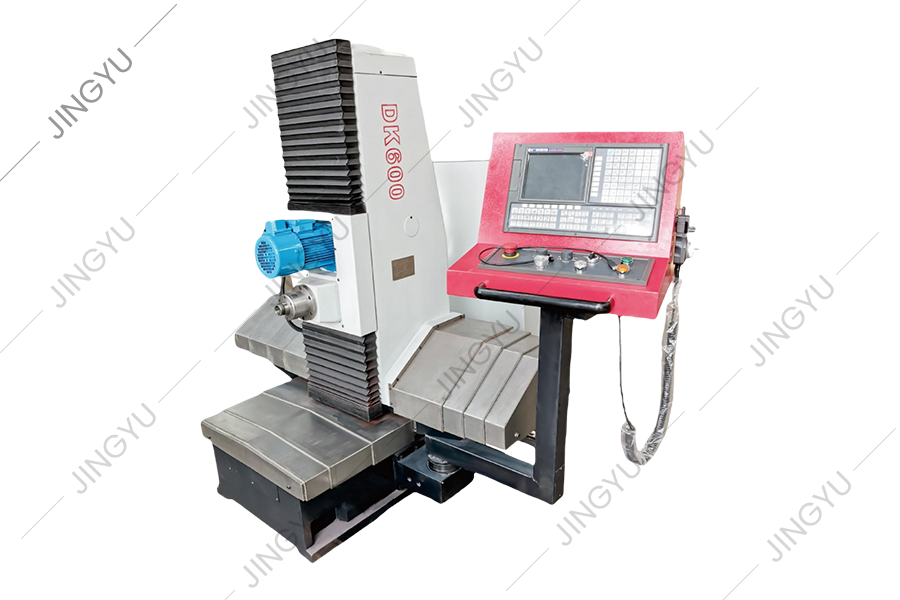
CNC roll engraving machine is suitable for processing various roll end face markings. Through the automatic editing software, it can generate processi...
See Details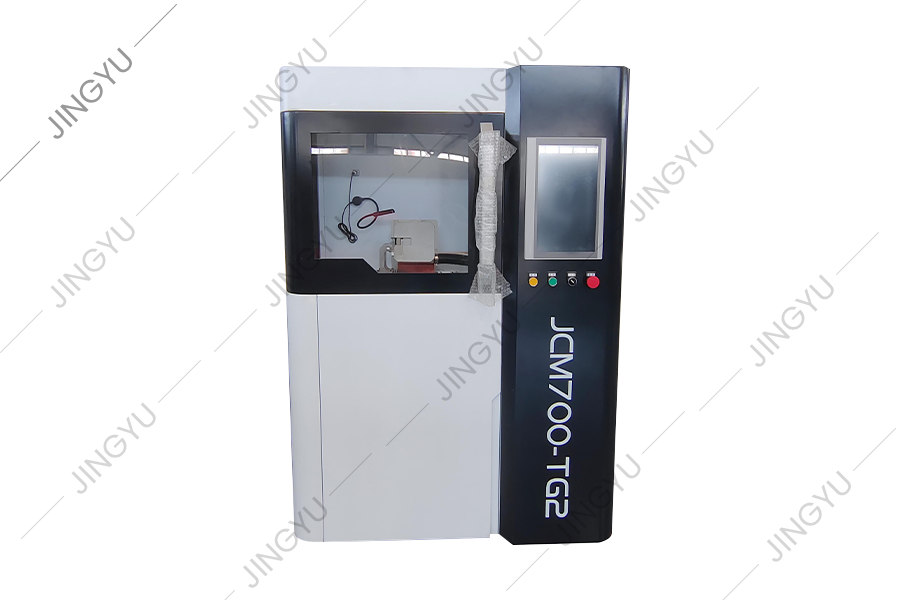
This machine is mainly used for grinding and repairing the milling cutter of roll threaded cross rib, which can easily repair and grind the edge of re...
See Details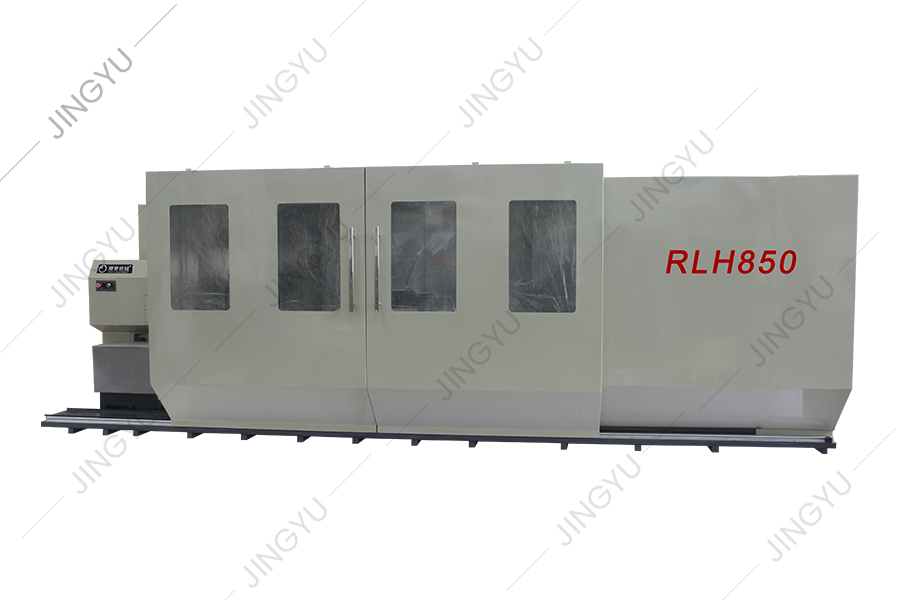
This machine tool is a new type of CNC roll grooving machine tool developed based on the company's CNC roll milling machine series and after full rese...
See Details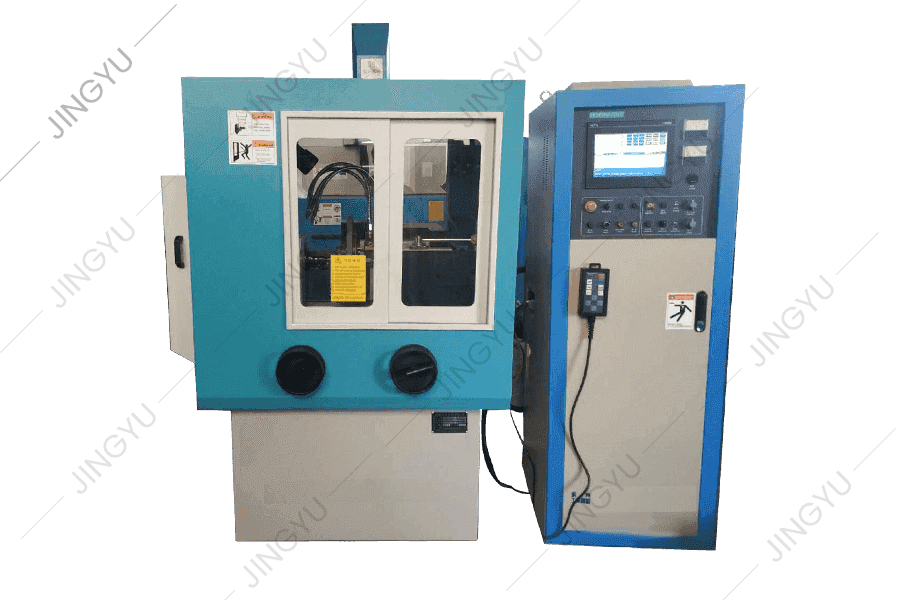
MX250 is a standard diamond wheel dressing machine, used for forming and dressing diamond wheels for metallurgical steel mills. The diameter of diamon...
See Details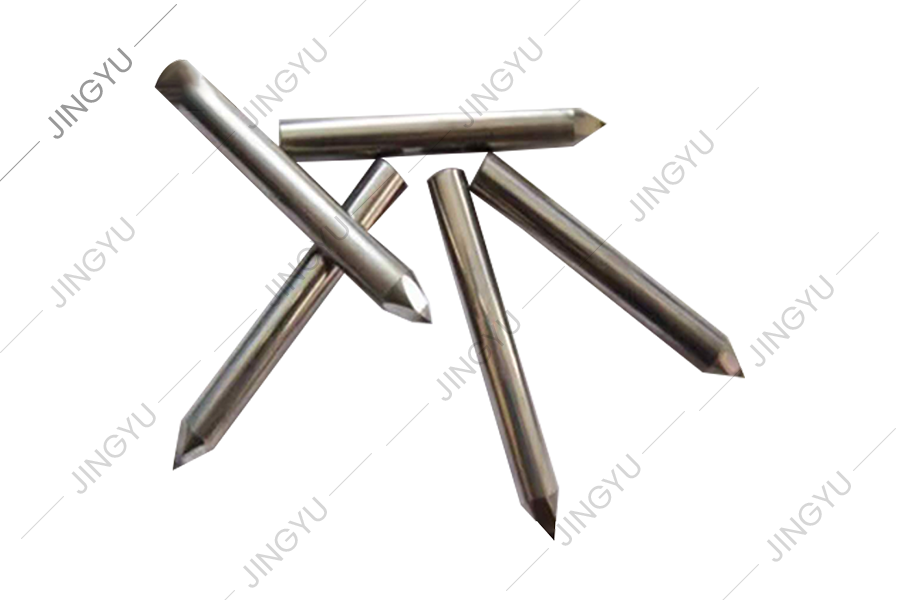
We also supply other spare parts, such as checkered plate milling cutters, roll slotting tools, oil pumps, motors, CNC systems, etc.
See DetailsNo.3, Xinghe Road, Zhaxi Industrial Park, Chongchuan District, Nantong, Jiangsu Province, 226003, P.R.China
info@rolllathe.com jennifergao@rolllathe.com
+86-513-85636116
Copyright © Nantong Jingyu Machinery Co., Ltd. All Rights Reserved
 China Roll Turning Lathe Manufacturers
