


 English
 русский
 عربى
عربى
Cat:CNC Roll Turning Lathe
High Precision CNC Roll Lathe
This series of machine tools is mainly used to pass and process rolls. It can also turn the outer circle and roll neck of rolls, and can also turn par...
See DetailsA CNC roller ring lathe is a precision machine tool designed specifically for turning and machining roller rings, which are vital components in a wide variety of industries. These lathes are equipped with computer numerical control (CNC) systems, allowing for highly automated, accurate, and repeatable machining operations. The CNC system enables the lathe to follow a pre-programmed sequence, ensuring the desired specifications and tight tolerances are met consistently.
Roller rings are used in applications such as bearings, rollers, gears, and other rotational parts, making the CNC roller ring lathe essential in the production of these components. The machine’s ability to produce smooth, precise surfaces is critical for maintaining performance and reliability in the final product.
The CNC roller ring lathe works by using a combination of rotary motion and cutting tools to shape the roller ring from a raw material such as metal or alloy. Here’s a breakdown of the general operation:
The CNC system allows for complex shapes and geometries to be created with minimal human intervention. As a result, CNC roller ring lathes are ideal for mass production environments, where consistency and precision are paramount.
CNC roller ring lathes come with a variety of features designed to improve efficiency, precision, and versatility. Some key features include:
CNC roller ring lathes are used in a wide range of industries due to their ability to create highly precise and durable parts. Some of the primary applications include:
Using a CNC roller ring lathe offers several advantages, making it an ideal choice for high-precision manufacturing. These include:
Regular maintenance is essential to keep a CNC roller ring lathe operating at optimal performance levels. Here are some key aspects of maintaining these machines:
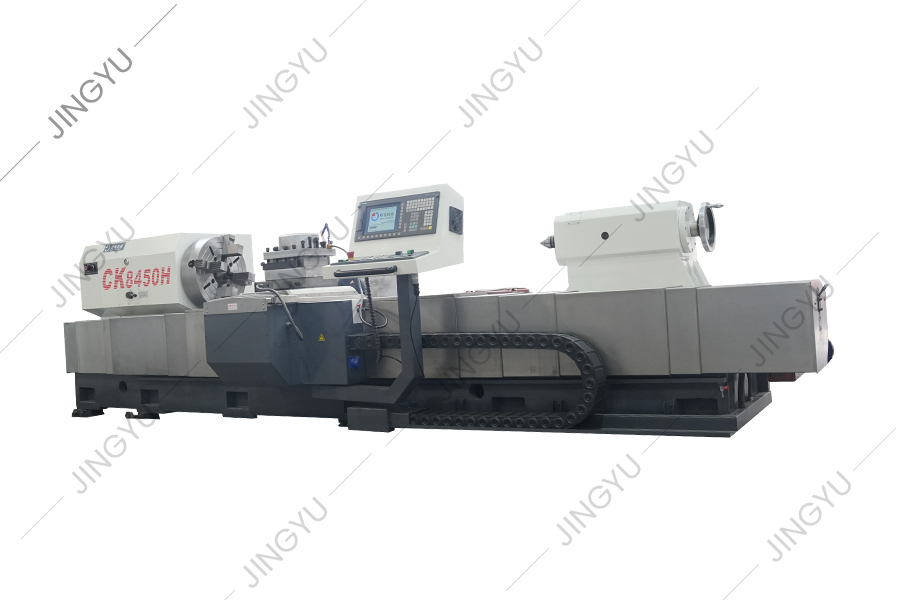
This series of machine tools is mainly used to pass and process rolls. It can also turn the outer circle and roll neck of rolls, and can also turn par...
See Details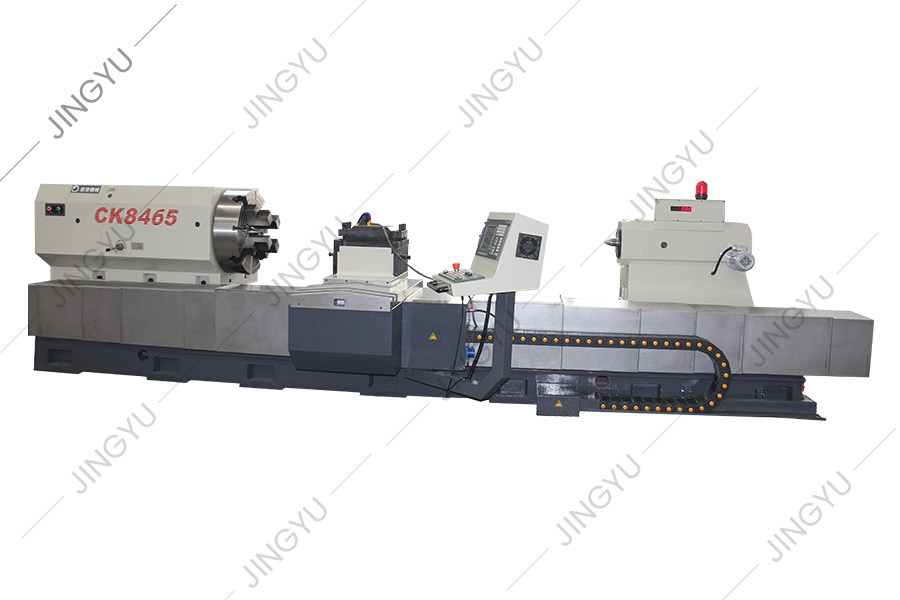
CK8465H CNC roll lathe bed adopts a 2+3 heavy-duty linear rolling guide structure, that is, two rectangular guide rails arranged horizontally on the b...
See Details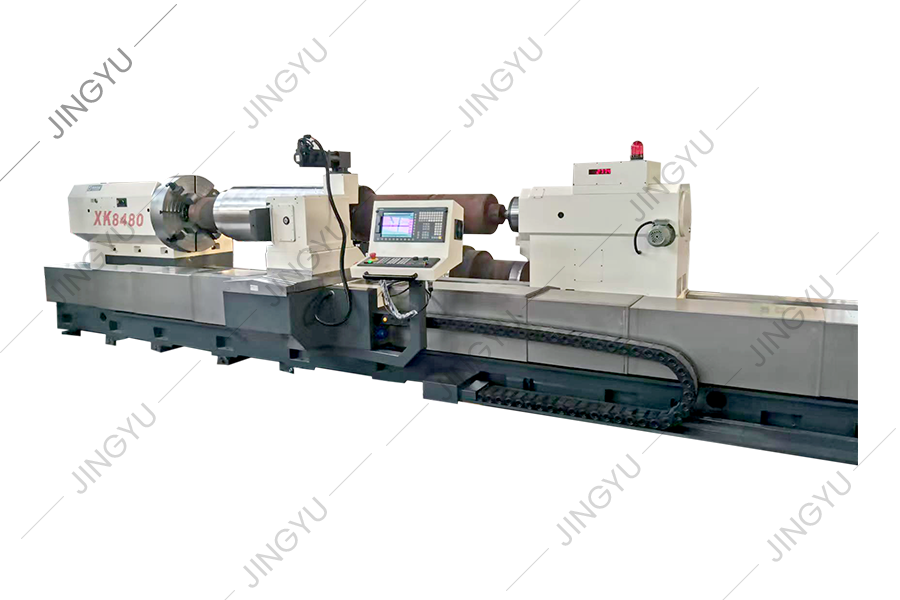
At present, pattern roll engraving at home and abroad generally adopts electrolysis method, ordinary horizontal milling machine milling and other proc...
See Details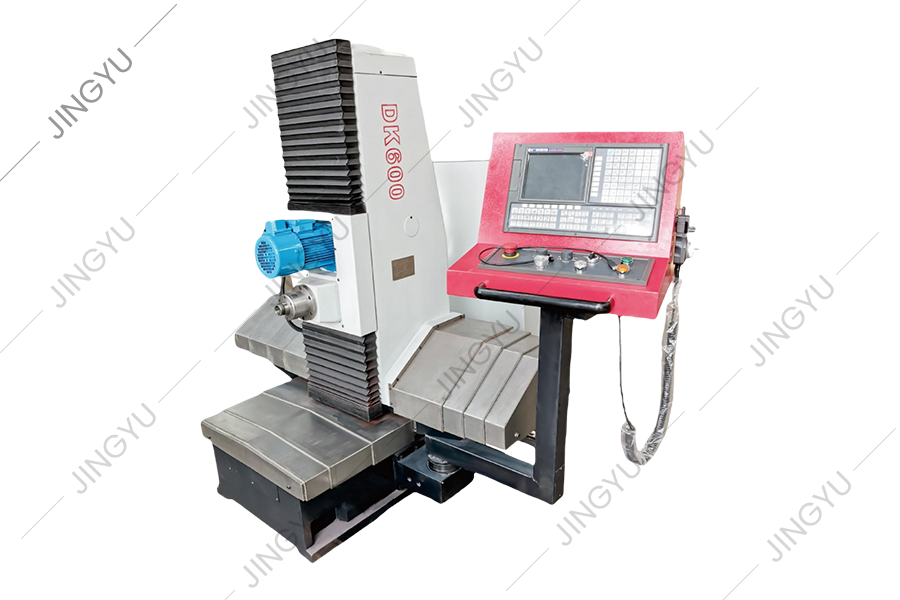
CNC roll engraving machine is suitable for processing various roll end face markings. Through the automatic editing software, it can generate processi...
See Details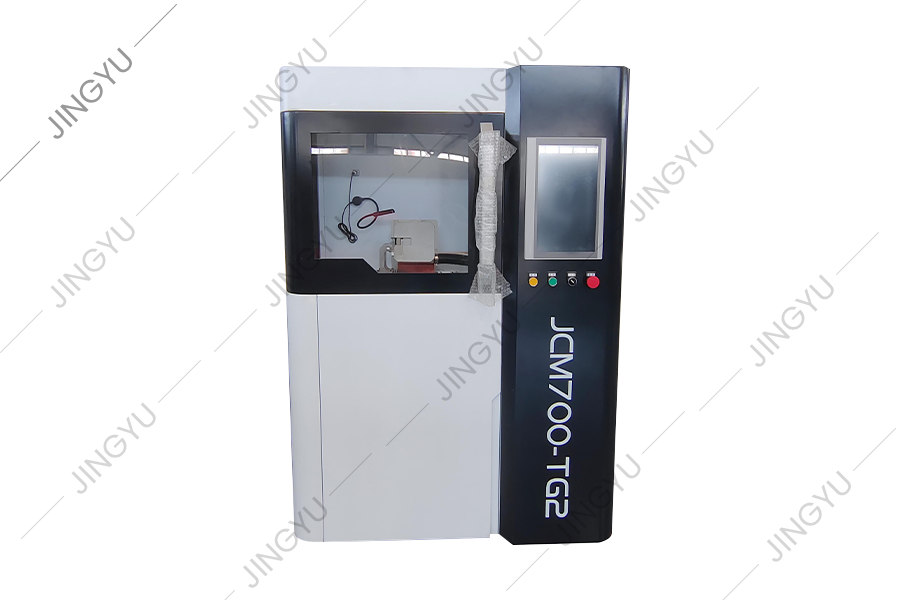
This machine is mainly used for grinding and repairing the milling cutter of roll threaded cross rib, which can easily repair and grind the edge of re...
See Details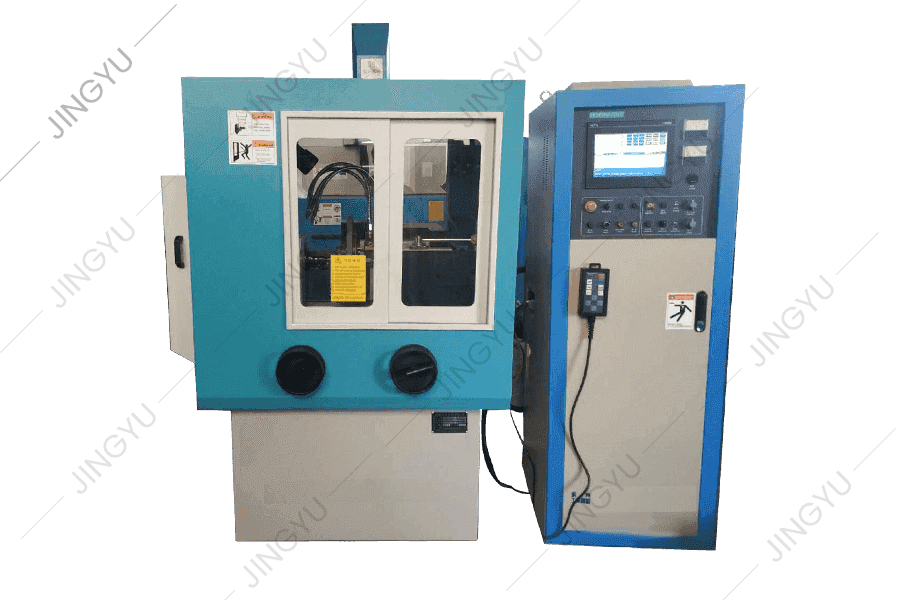
MX250 is a standard diamond wheel dressing machine, used for forming and dressing diamond wheels for metallurgical steel mills. The diameter of diamon...
See Details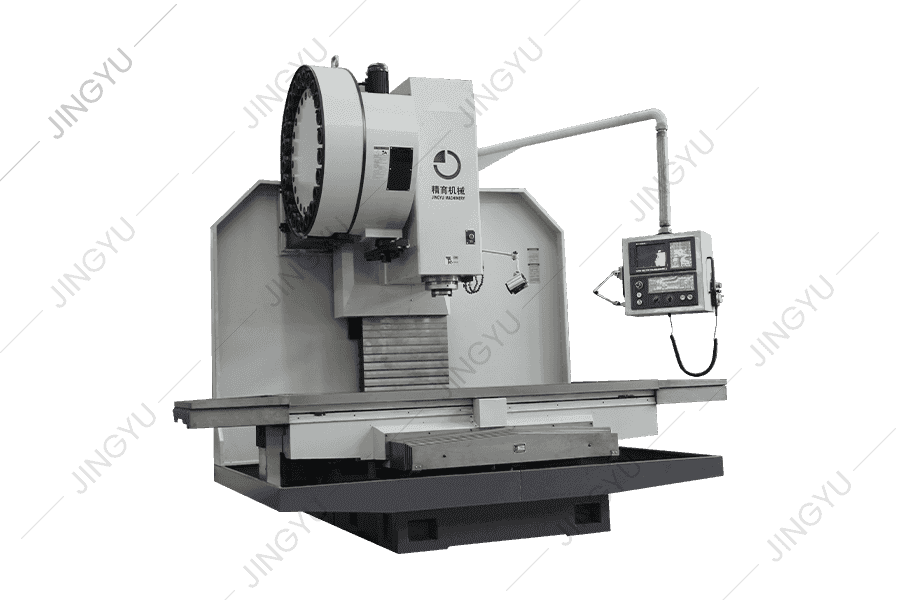
All three axes of the machine are P3-level 50×P10 ball screws, and the assembly process of 2-end fixed pretension is used to strengthen the axial rigi...
See Details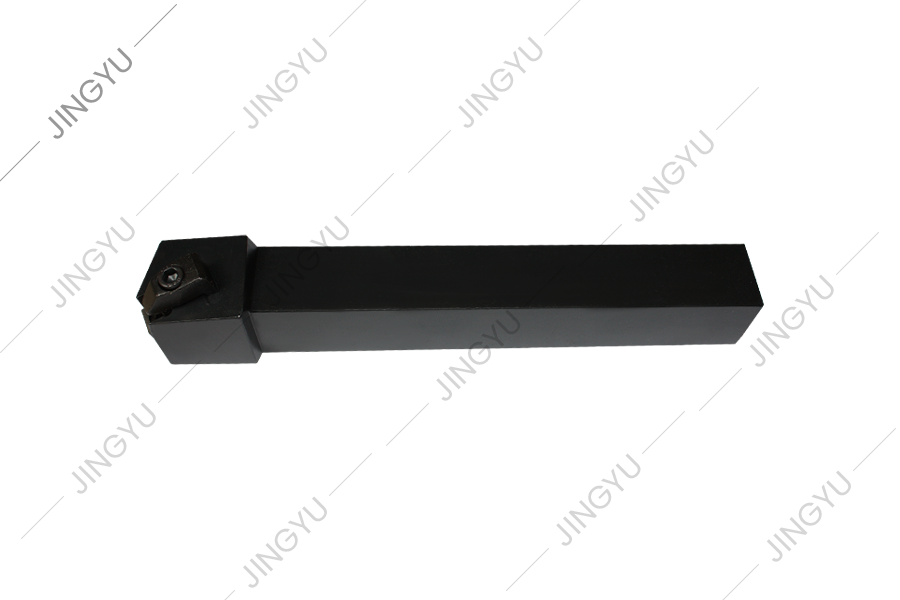
This series mainly provides common-wearing parts for CNC roll lathes, such as CBN blades, PCD blades, chucks, screws, etc.
See Details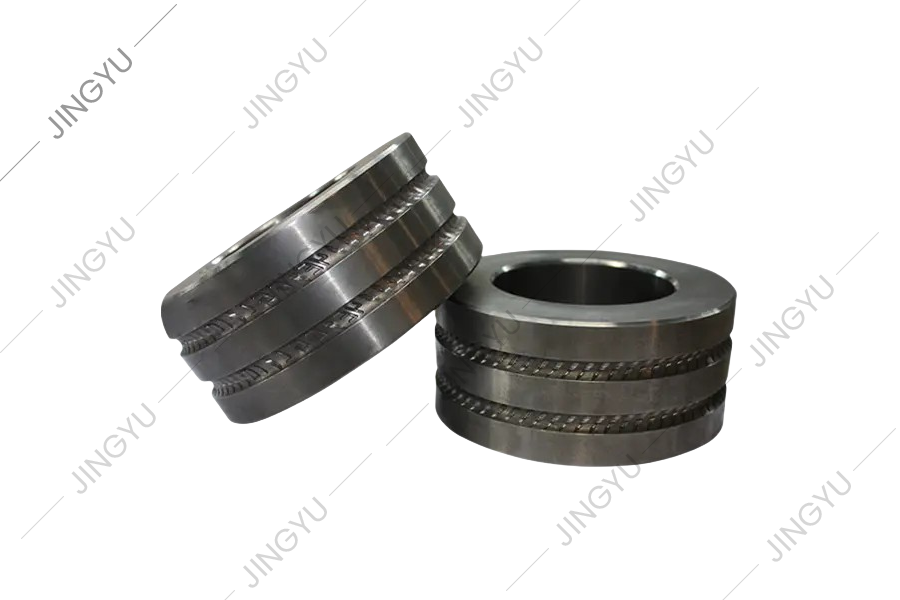
This series mainly provides common-wearing parts for CNC TC ring grinding machines and composite roll grinding machines, such as mandrels, dynamic and...
See Details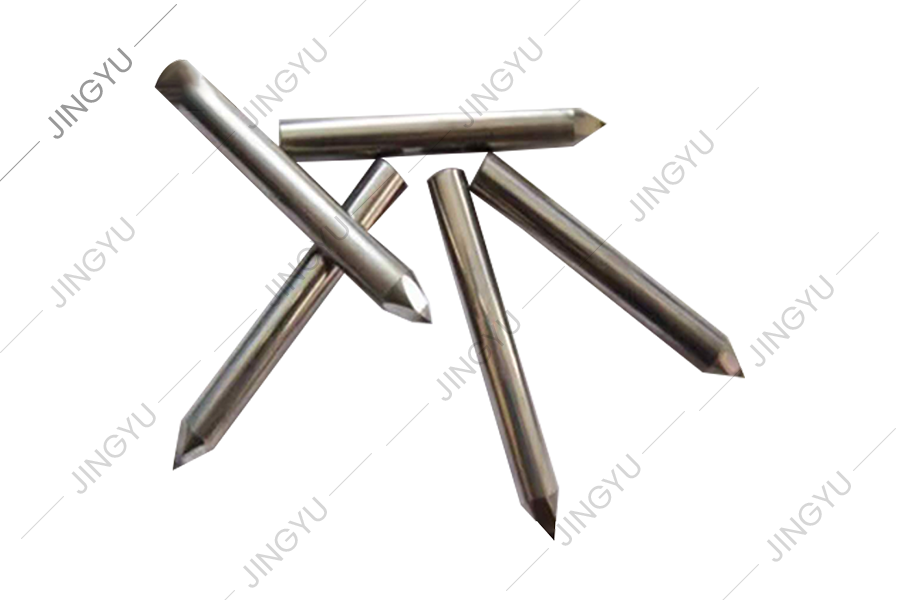
We also supply other spare parts, such as checkered plate milling cutters, roll slotting tools, oil pumps, motors, CNC systems, etc.
See DetailsNo.3, Xinghe Road, Zhaxi Industrial Park, Chongchuan District, Nantong, Jiangsu Province, 226003, P.R.China
info@rolllathe.com jennifergao@rolllathe.com
+86-513-85636116
Copyright © Nantong Jingyu Machinery Co., Ltd. All Rights Reserved
 China Roll Turning Lathe Manufacturers
