


 English
 русский
 عربى
عربى
Cat:CNC Roll Milling Machine
CNC Roll Ring Milling Machine
We have accumulated rich experience in the processing and use of rebar rolls, and have conducted in-depth analysis and research on the technology of s...
See DetailsCNC roll milling machines are a key component in modern manufacturing, offering high precision and efficiency for processing rolls used in various industries. These machines utilize Computer Numerical Control (CNC) technology to automate the milling process, ensuring consistency and reducing human error. By performing complex operations like milling, drilling, and tapping, CNC roll milling machines have become an integral part of industries like steel, paper, and plastics.
CNC roll milling machines operate through a precise, computer-controlled system that guides the tool's movements during the milling process. This system can be programmed to execute intricate patterns, ensuring that each roll meets the desired specifications. The process involves rotating the roll and moving the milling tool across its surface, removing material to shape the roll into the required dimensions. This method offers high speed and accuracy compared to traditional manual milling techniques.
A CNC roll milling machine consists of several key components that work together to ensure precision and efficiency:
CNC roll milling machines are versatile and used in a variety of industries where precision roll manufacturing is essential. Some of the key applications include:
In the steel industry, CNC roll milling machines are used to produce high-precision rolls for rolling mills. These rolls are essential in shaping and sizing steel plates and bars, making the milling process vital to steel production.
In the paper industry, rolls of paper are milled to precise dimensions using CNC roll milling machines. These machines are designed to create rolls that are uniform in thickness and free from imperfections, which is crucial for ensuring high-quality paper products.
The plastics industry also relies on CNC roll milling machines for the production of rollers used in processes like extrusion and calendaring. The precision of the milling process ensures that the rollers provide consistent quality in plastic sheet production.
CNC roll milling machines offer several advantages over traditional milling methods, making them a preferred choice in modern manufacturing:
Despite their numerous advantages, CNC roll milling machines do present some challenges. These challenges include the need for skilled operators who can program and maintain the machines, as well as the initial investment cost, which can be high for small to medium-sized businesses.
Programming and operating CNC roll milling machines require specialized knowledge. Operators need to understand both the mechanical and software aspects of the machine to ensure it runs smoothly and produces the desired results.
CNC roll milling machines can be expensive, particularly for businesses just starting out or those with limited budgets. The cost of acquiring and setting up these machines can be a barrier for smaller manufacturers.
As technology continues to evolve, CNC roll milling machines are becoming more advanced, with innovations such as automated tool changers, enhanced precision, and more efficient energy use. Future developments will likely focus on further reducing costs, improving user interfaces, and integrating more artificial intelligence to optimize the milling process.
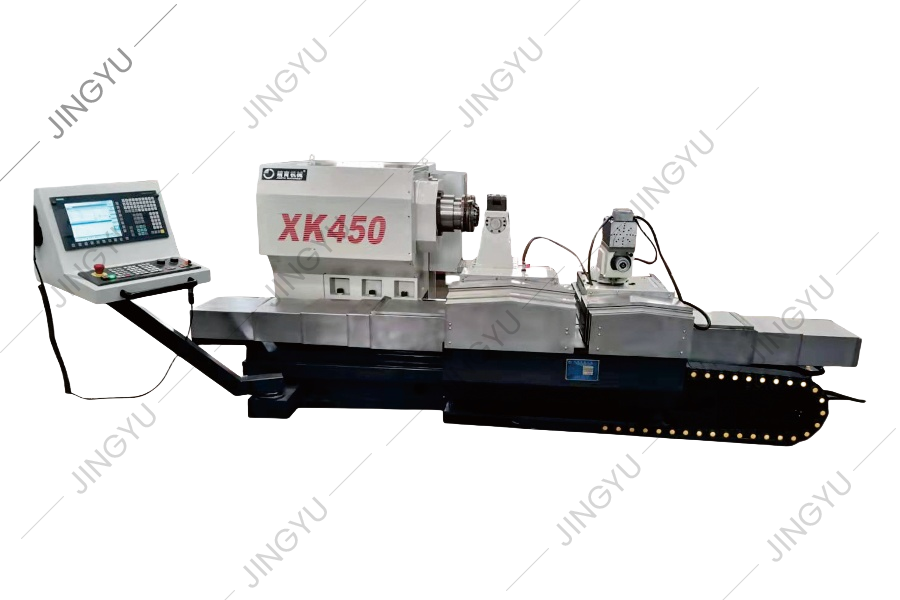
We have accumulated rich experience in the processing and use of rebar rolls, and have conducted in-depth analysis and research on the technology of s...
See Details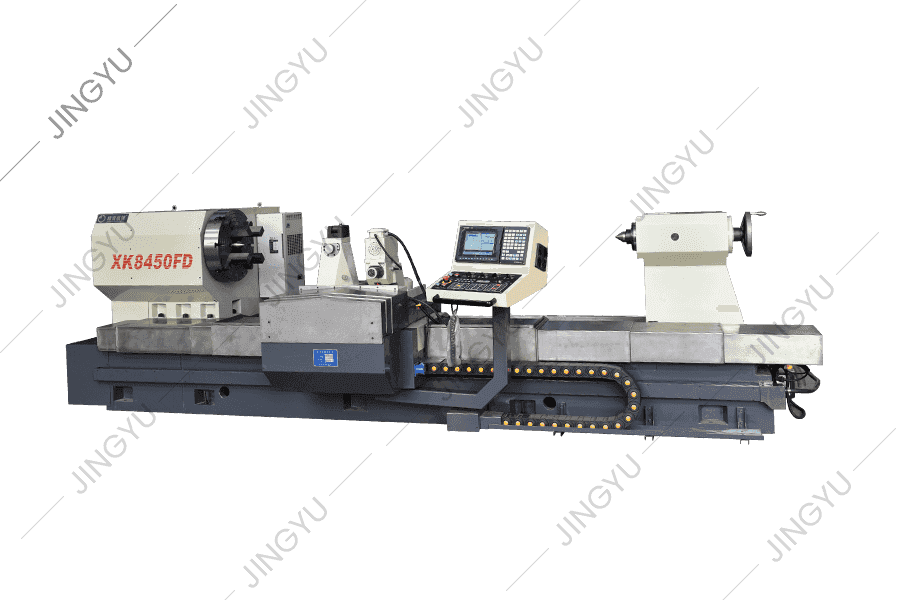
In view of the problems of high speed steel roll processing, XK8450 CNC roll milling machine is a new type of CNC roll groove processing machine tool ...
See Details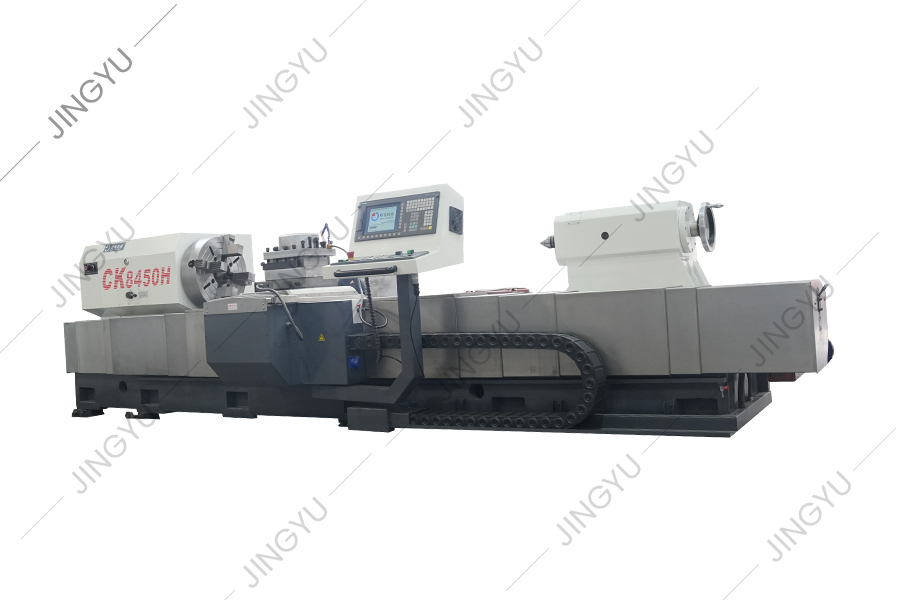
This series of machine tools is mainly used to pass and process rolls. It can also turn the outer circle and roll neck of rolls, and can also turn par...
See Details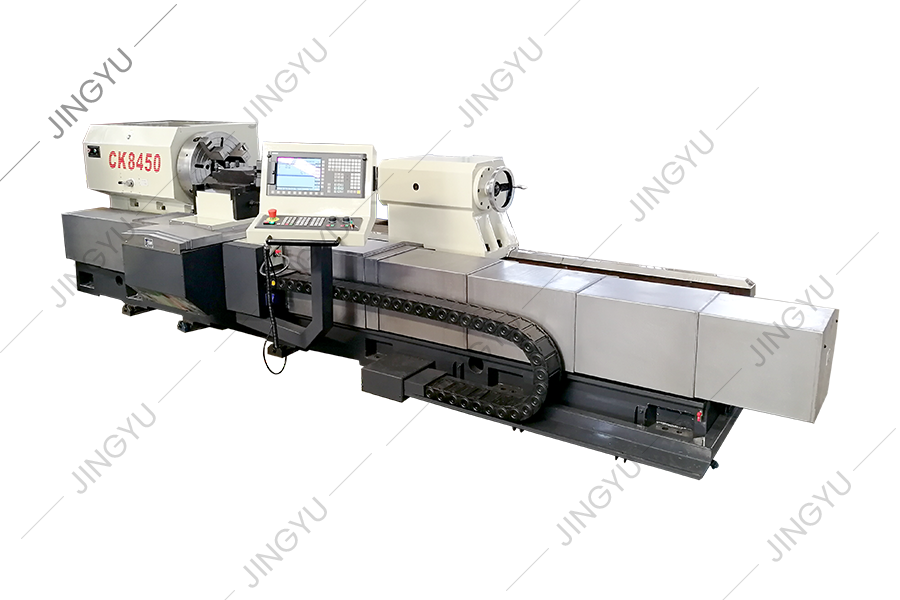
This series of machine tools is mainly used to pass and process rolls. It can also turn the outer circle and roll neck of rolls, and can also turn par...
See Details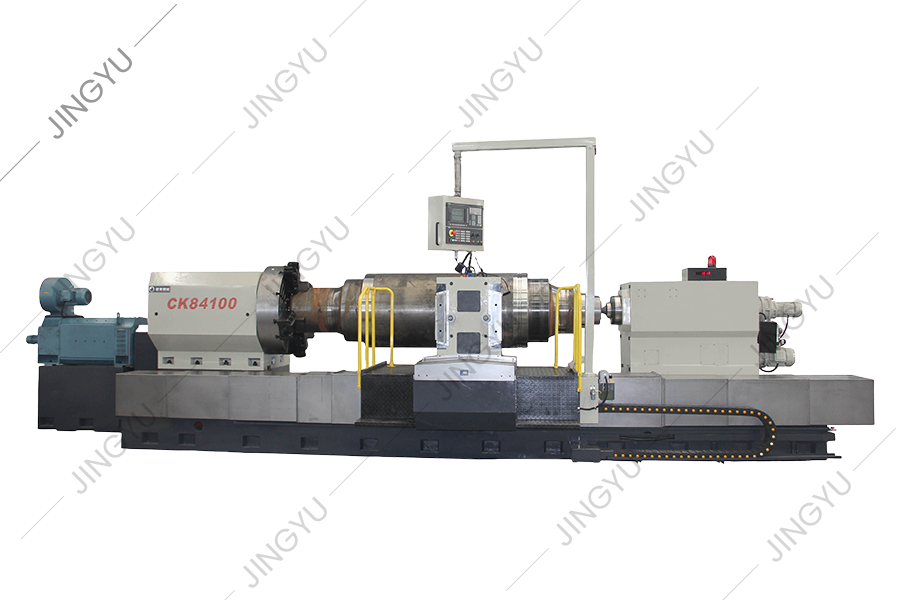
CK84 series CNC roll lathe adopts Siemens 828D CNC system and is driven by a servo motor. When designing this machine tool, we fully analyzed the tech...
See Details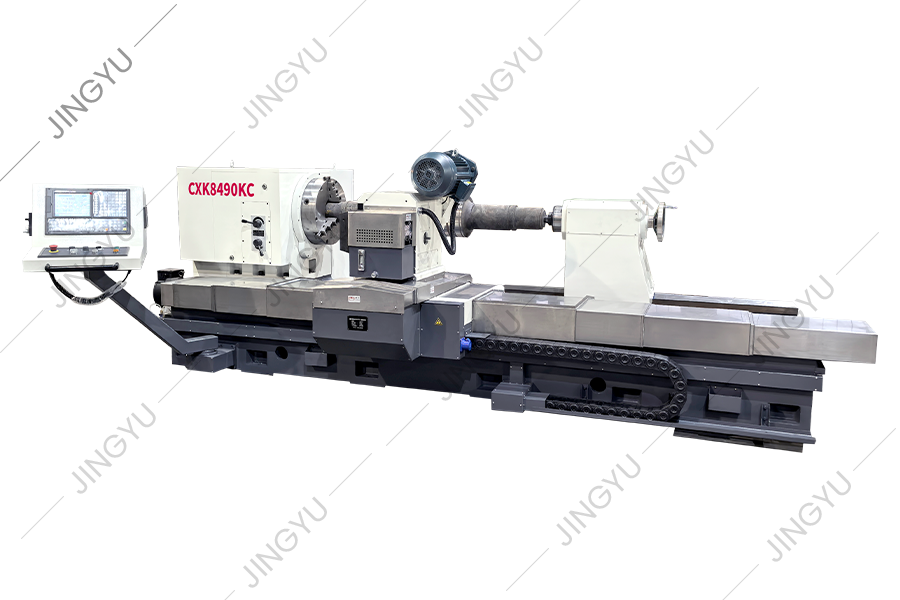
This machine tool is a new type of CNC roll grooving machine tool developed based on the company's CNC roll milling machine series and after full rese...
See Details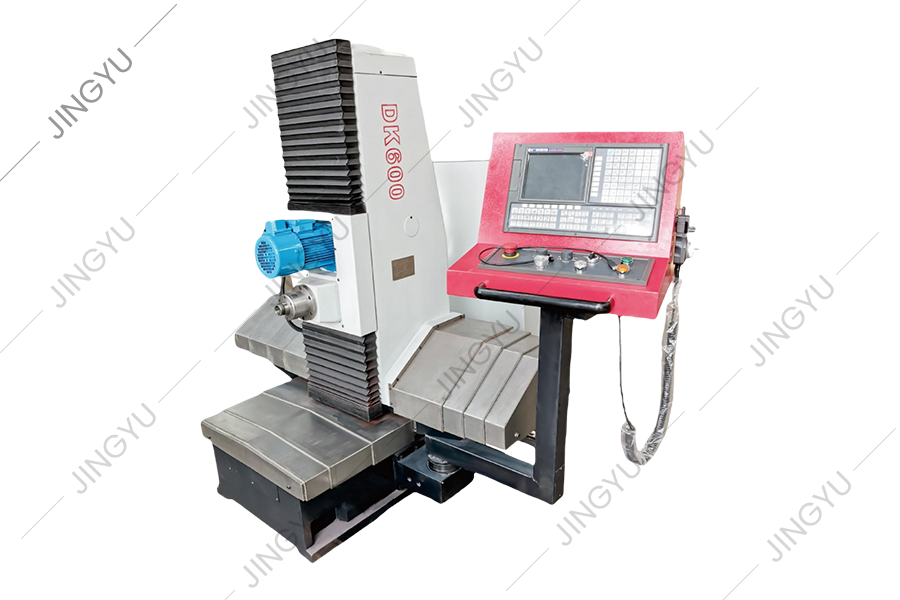
CNC roll engraving machine is suitable for processing various roll end face markings. Through the automatic editing software, it can generate processi...
See Details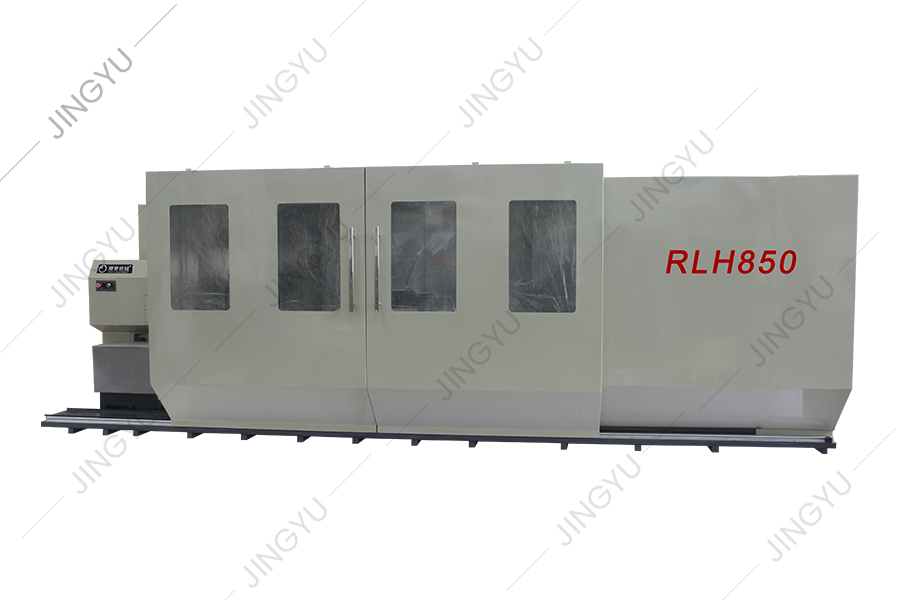
This machine tool is a new type of CNC roll grooving machine tool developed based on the company's CNC roll milling machine series and after full rese...
See Details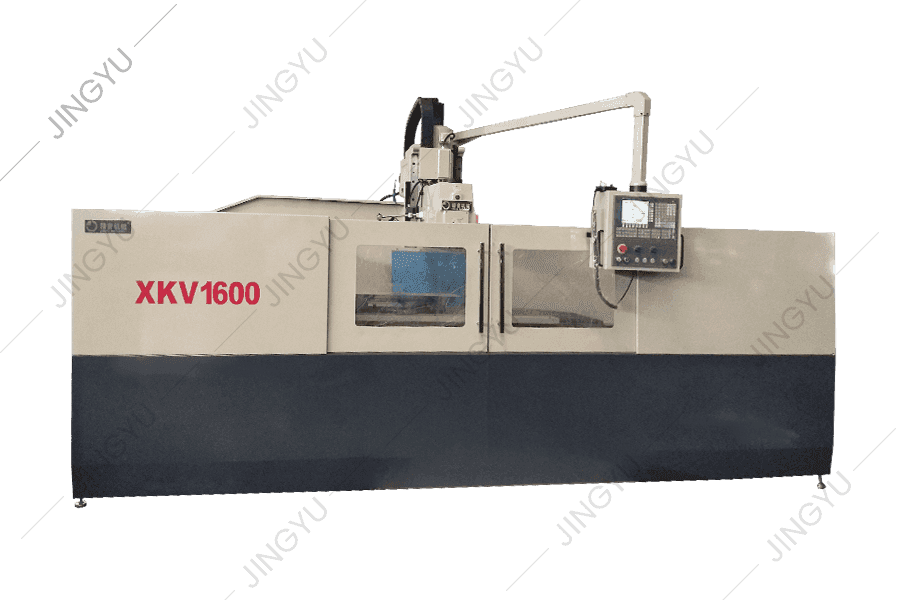
The CNC-reinforced milling machine adopts a full-gear spindle box, and the spindle transmission part adopts gears with precision of more than 6 levels...
See Details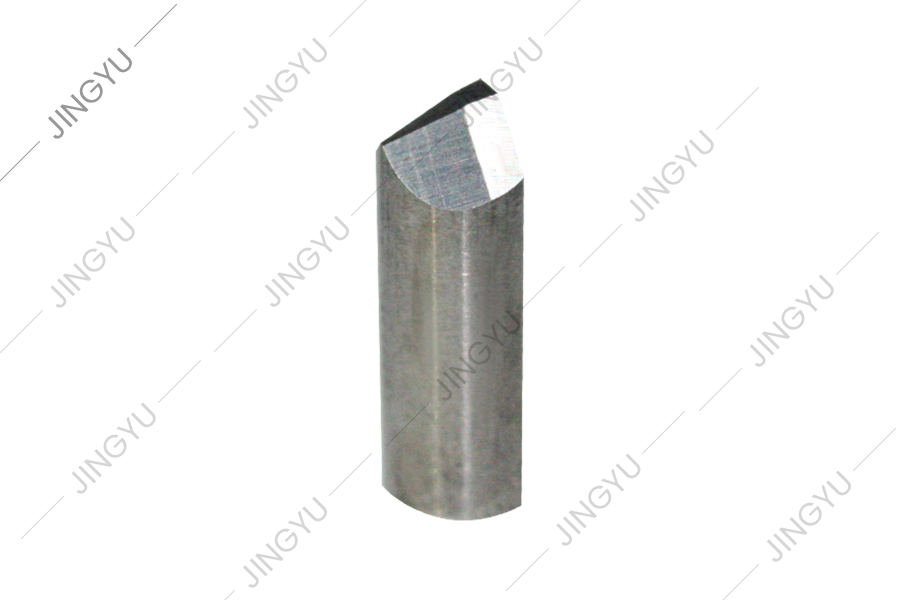
This series is mainly for CNC crescent groove milling machines to provide common-wearing parts, such as milling tool holders, milling cutters, support...
See DetailsNo.3, Xinghe Road, Zhaxi Industrial Park, Chongchuan District, Nantong, Jiangsu Province, 226003, P.R.China
info@rolllathe.com jennifergao@rolllathe.com
+86-513-85636116
Copyright © Nantong Jingyu Machinery Co., Ltd. All Rights Reserved
 China Roll Turning Lathe Manufacturers
