


 English
 русский
 عربى
عربى
Cat:CNC Roll Milling Machine
CNC Roll Milling Machine
This series of machine tools can automatically cut crescent grooves with different rotation directions and any helix angle. It can divide into equal (...
See DetailsIf you’ve ever been on a factory floor or talked to machining customers, you’ll hear the same problem again and again:
"Our parts need to be more accurate, but the machine can’t stay stable under heavy cutting."
That’s exactly why reinforced precision CNC milling machines are getting so much attention. They’re not just another piece of equipment—they’re the solution people turn to when the job is demanding and tolerance is tight.
So what exactly are these machines, why do they matter, and what should manufacturers and buyers pay attention to? Let’s break it down in real-world terms.
In plain language, it’s a CNC milling machine built with extra strength and rigidity. The "reinforced" part means the structure is designed to reduce vibration, improve stability, and keep accuracy consistent during heavy cutting.
Think of it as a heavy-duty version of a standard CNC mill—built for higher loads, tougher materials, and longer continuous operation.
Because in machining, accuracy isn’t just about precision—it’s about stability.
Regular CNC milling machines can do a great job, but once you start pushing them with heavier cuts or harder materials, they can vibrate, flex, or lose accuracy. That leads to:
Reinforced precision CNC mills help avoid those issues by staying rigid and stable even under pressure.
These machines are used in industries where parts must be both strong and precise.
Typical applications include:
If the job involves large workpieces or tough materials like stainless steel or titanium, reinforced precision CNC milling is often the best choice.
Reinforced precision CNC milling machines work through a combination of strong structure, advanced control systems, and precision components.
The machine’s body is made thicker and more rigid to reduce vibration and deflection.
A high-quality spindle keeps the cutting tool stable and accurate at high speeds.
These guides support smooth and accurate movement of the table and tool head.
Modern CNC systems help control speed, feed, and cutting strategy to optimize accuracy and efficiency.
In short, reinforced precision CNC mills combine mechanical strength with precise control.
These machines offer big benefits, but there are trade-offs to consider.
If your production needs require high precision and heavy cutting, the benefits usually outweigh the drawbacks.
Here are the real things customers ask about when choosing a reinforced precision CNC milling machine:
Check the frame design, material thickness, and how the machine handles vibration during heavy cuts.
The spindle must support high speeds and heavy loads while maintaining accuracy.
Customers want to know the actual tolerance performance under load—not just the theoretical specs.
Proper cooling and chip removal are essential for maintaining accuracy and extending tool life.
Maintenance and technical support matter a lot—especially for high-end precision equipment.
Reinforced precision CNC milling machines are not just a "nice upgrade." They’re a practical solution for demanding manufacturing tasks where accuracy, stability, and productivity matter.
For manufacturers, the opportunity is clear: build machines that deliver stable performance, reliable precision, and long-term durability.
Because when a customer says, "I need parts that are accurate and tough," they’re not just asking for a machine—they’re asking for confidence in their production.
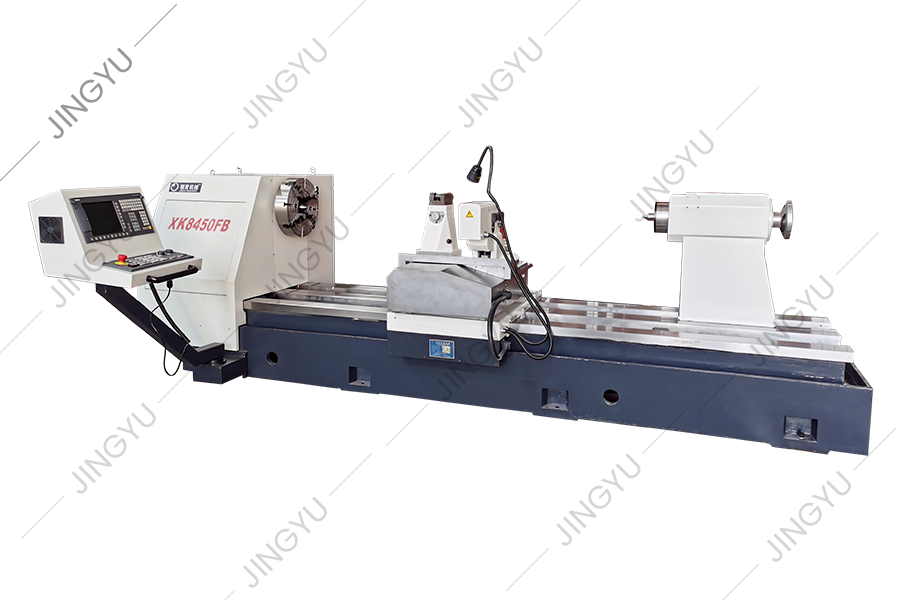
This series of machine tools can automatically cut crescent grooves with different rotation directions and any helix angle. It can divide into equal (...
See Details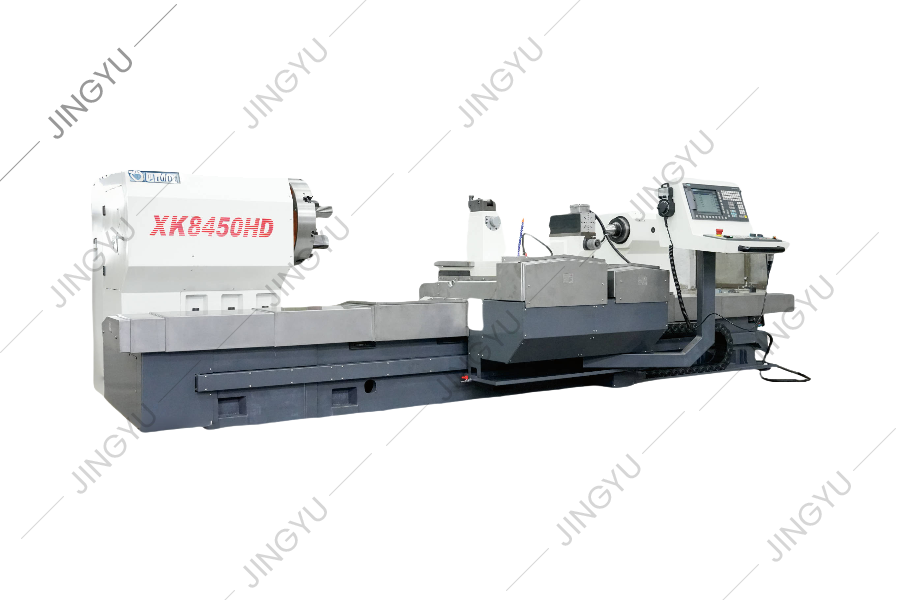
In view of the problems of high-speed steel roll processing, the XK8450 CNC roll milling machine is a new type of CNC roll groove processing machine t...
See Details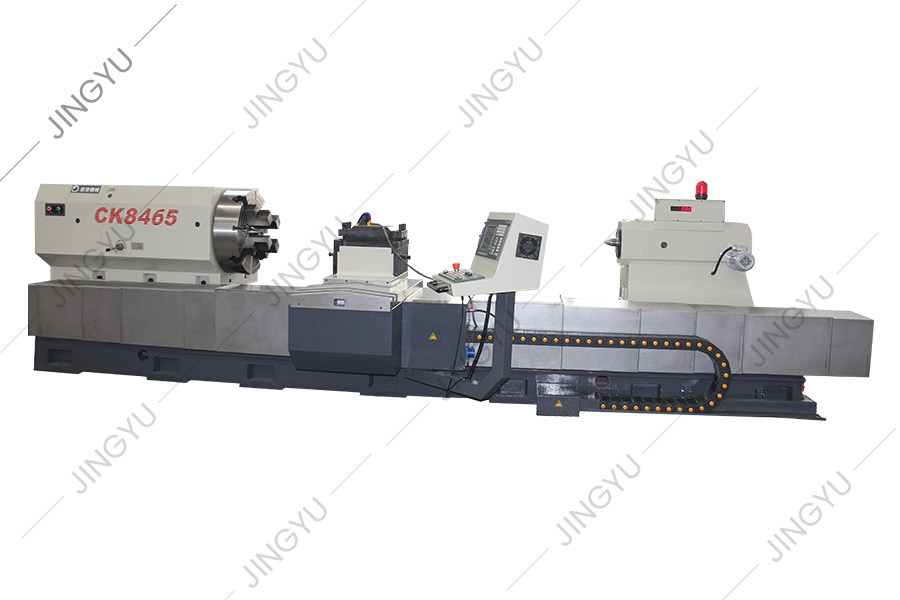
CK8465H CNC roll lathe bed adopts a 2+3 heavy-duty linear rolling guide structure, that is, two rectangular guide rails arranged horizontally on the b...
See Details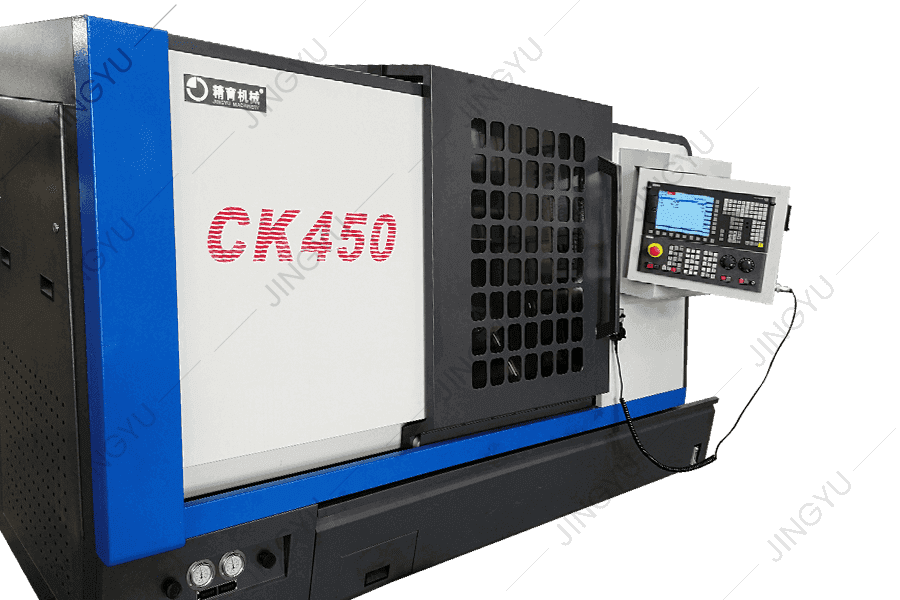
The CK450 inclined bed CNC lathe adopts the German Siemens control system. The appearance, operating system, and safety protection system of the machi...
See Details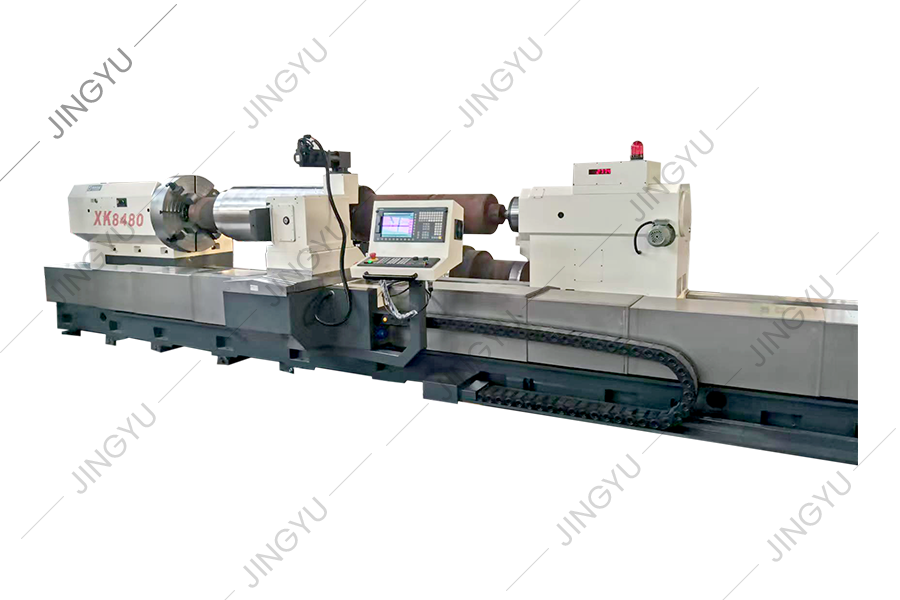
At present, pattern roll engraving at home and abroad generally adopts electrolysis method, ordinary horizontal milling machine milling and other proc...
See Details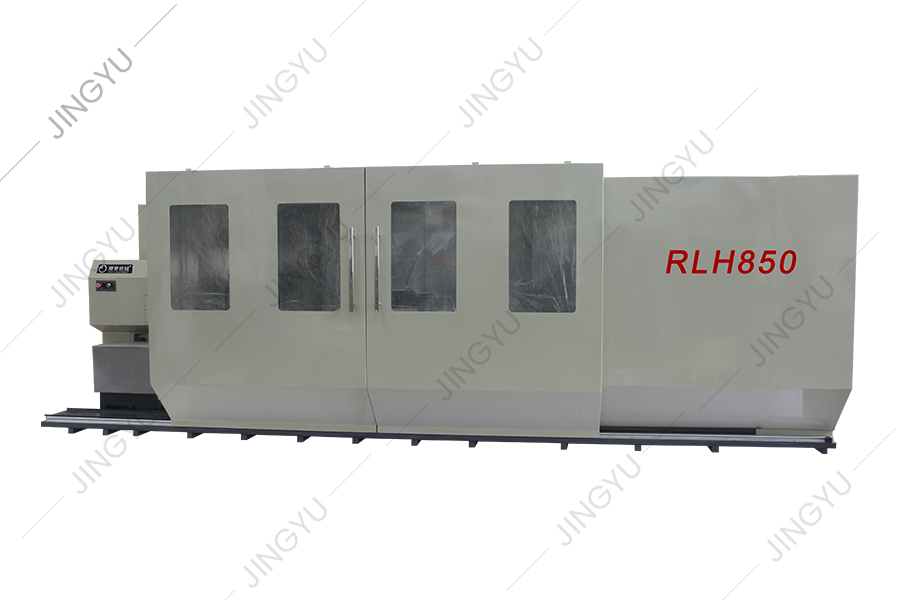
This machine tool is a new type of CNC roll grooving machine tool developed based on the company's CNC roll milling machine series and after full rese...
See Details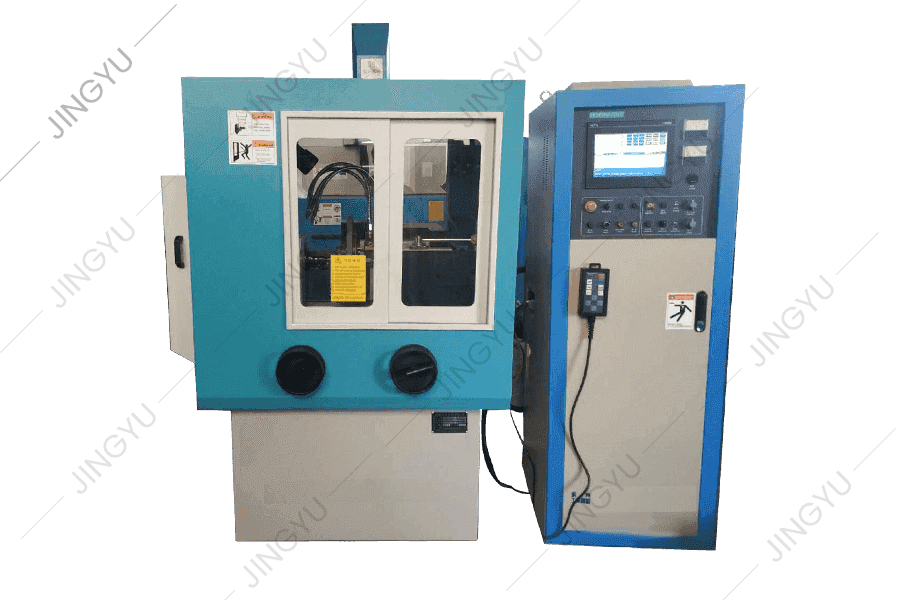
MX250 is a standard diamond wheel dressing machine, used for forming and dressing diamond wheels for metallurgical steel mills. The diameter of diamon...
See Details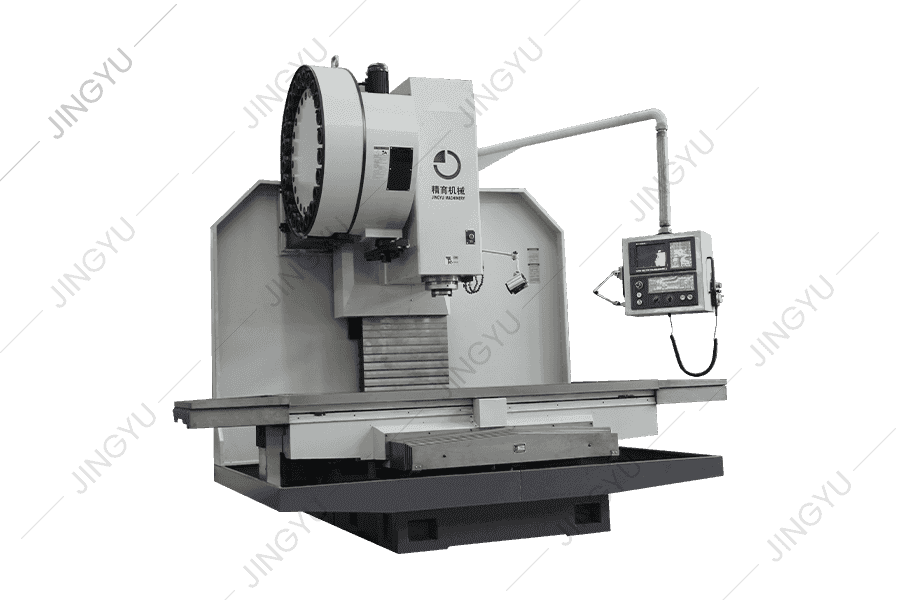
All three axes of the machine are P3-level 50×P10 ball screws, and the assembly process of 2-end fixed pretension is used to strengthen the axial rigi...
See Details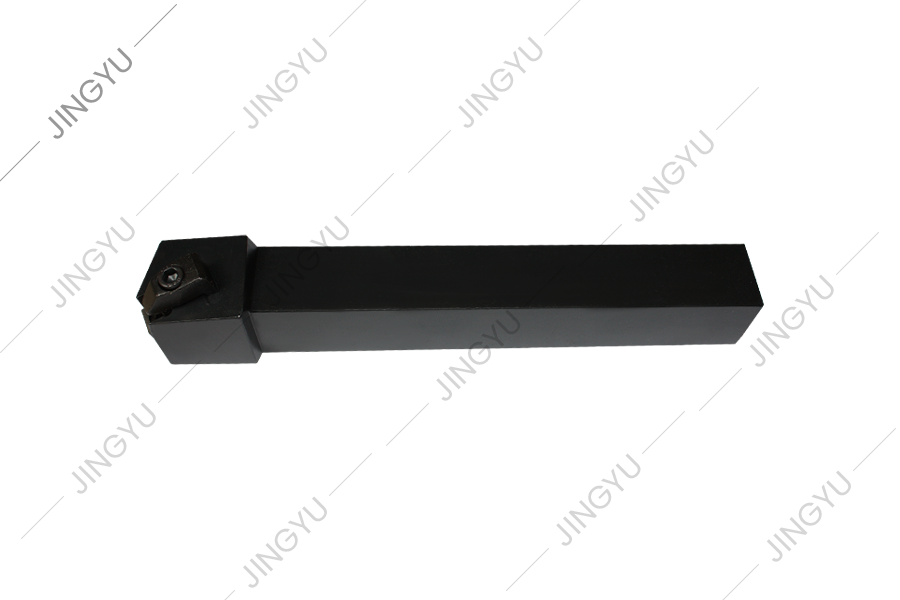
This series mainly provides common-wearing parts for CNC roll lathes, such as CBN blades, PCD blades, chucks, screws, etc.
See Details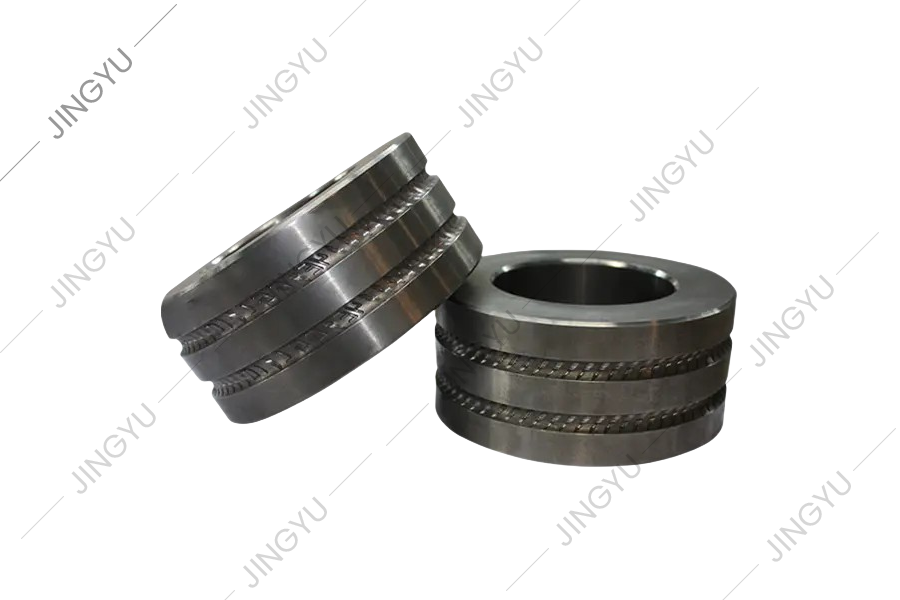
This series mainly provides common-wearing parts for CNC TC ring grinding machines and composite roll grinding machines, such as mandrels, dynamic and...
See DetailsNo.3, Xinghe Road, Zhaxi Industrial Park, Chongchuan District, Nantong, Jiangsu Province, 226003, P.R.China
info@rolllathe.com jennifergao@rolllathe.com
+86-513-85636116
Copyright © Nantong Jingyu Machinery Co., Ltd. All Rights Reserved
 China Roll Turning Lathe Manufacturers
