


 English
 русский
 عربى
عربى
Cat:CNC Roll Milling Machine
CNC Roll Ring Milling Machine
We have accumulated rich experience in the processing and use of rebar rolls, and have conducted in-depth analysis and research on the technology of s...
See DetailsCNC (Computer Numerical Control) roll milling machines are advanced manufacturing equipment designed to perform high-precision milling operations on cylindrical parts. These machines are capable of milling a wide range of materials, offering versatility in terms of both part complexity and material requirements. The roll milling process is particularly well-suited for industries where the production of round or cylindrical components is a regular need. This process uses rotating rolls to shape or cut the workpiece while being guided by precise numerical control to ensure accuracy and repeatability. CNC roll milling machines combine the advantages of traditional milling with automation, allowing manufacturers to achieve high precision, reduced labor costs, and improved consistency in their products.
The automotive industry heavily relies on CNC roll milling machines for the production of various precision components, including gears, shafts, camshafts, and other cylindrical parts. These parts often require complex geometric shapes and tight tolerances, which can be efficiently achieved using CNC roll milling technology.
In automotive manufacturing, CNC roll milling is particularly useful for producing parts that require high surface quality and dimensional accuracy, such as those used in engines, transmissions, and suspension systems. The machine's ability to maintain tight tolerances makes it ideal for creating parts that must fit together seamlessly within the broader assembly. Additionally, CNC roll milling machines can process materials commonly used in automotive manufacturing, such as steel, aluminum, and titanium, offering the versatility needed for various part types.
The aerospace industry demands the highest levels of precision due to the critical nature of its components. CNC roll milling machines are well-suited for aerospace applications where parts must meet exact specifications and undergo rigorous quality control procedures. Components such as turbine blades, landing gear, and structural elements all benefit from the accuracy and repeatability offered by CNC roll milling technology.
Materials in the aerospace industry, such as high-strength alloys, composites, and titanium, often present challenges for traditional milling processes. CNC roll milling machines are capable of handling these materials with ease, providing smooth finishes and tight tolerances. Moreover, the automated nature of CNC roll milling reduces the risk of human error, a crucial factor when working with components that must perform under extreme conditions.
The energy sector, particularly in the production of components for power generation and distribution, relies on CNC roll milling machines to fabricate critical parts. Parts used in turbines, generators, and other energy systems often require precision machining to ensure proper function and efficiency. CNC roll milling machines are ideal for shaping these complex components, including shafts, gears, and other rotational parts that must withstand high stresses.
In the oil and gas sector, CNC roll milling machines are used to process components such as drill bits, valve stems, and pump shafts. The ability to handle tough materials like hardened steels and alloys makes these machines valuable for creating parts that can endure harsh operating conditions. Precision in these components is essential for preventing costly failures and ensuring operational safety, both of which are made easier by the consistency of CNC roll milling processes.
Heavy machinery and construction equipment require large, durable, and often complex parts that need to be manufactured with precision and strength. CNC roll milling machines are an excellent choice for the fabrication of such components, which may include gears, shafts, housings, and other critical parts that undergo high mechanical stresses during operation.
For example, large-scale earth-moving machinery like bulldozers, excavators, and cranes relies on precisely machined components to function effectively. CNC roll milling machines are capable of creating these parts with tight tolerances and high strength, ensuring reliability and performance in challenging environments. Furthermore, the ability to process high-strength materials such as cast iron and hardened steel makes CNC roll milling machines ideal for producing parts for heavy machinery that require superior durability and long service life.
The rail industry requires a variety of components that must meet stringent safety standards and perform reliably over long periods of time. CNC roll milling machines are used extensively in the production of parts such as wheelsets, axles, and train components. These parts must adhere to tight dimensional tolerances and be able to withstand the extreme forces and vibrations encountered during operation.
One of the key advantages of CNC roll milling in the rail industry is the ability to produce parts with high surface finish quality, which is important for reducing wear and increasing the lifespan of rail components. CNC machines can also handle the production of large, heavy components, which are common in the rail industry, with ease. Additionally, the machine’s automation capabilities help reduce production time and ensure consistency across large production runs.
The textile and paper industries also benefit from CNC roll milling machines, particularly for manufacturing machinery components such as rollers, cylinders, and drums. These parts often require fine tolerances to ensure smooth operation and maintain the integrity of the materials being processed. CNC roll milling machines are able to produce these parts efficiently, with high precision and surface quality.
In the textile industry, machines such as fabric printing rollers and spindles are made using CNC roll milling. These components must be designed with careful attention to surface finish and alignment to prevent defects in the materials they process. In the paper industry, roll mills are used to create rollers that ensure consistent paper thickness and quality during the manufacturing process. CNC roll milling machines ensure that these rollers have precise geometries and smooth surfaces, which directly influence the final product's quality.
The medical device industry requires components with extremely high precision, particularly for parts used in surgical instruments, implants, and diagnostic equipment. CNC roll milling machines are well-suited for manufacturing such components, offering the required precision and repeatability needed in the production of medical devices.
For example, CNC roll milling is used to produce components such as orthopedic implants, dental instruments, and catheter guidewires. These parts require tight tolerances and smooth surfaces to function properly within the human body. CNC roll milling machines can achieve these specifications by utilizing advanced tooling and high-precision movement control. The use of CNC technology also ensures that these components are produced consistently, reducing the risk of defects that could impact patient safety.
The electronics industry, which includes the production of components for consumer electronics, telecommunications, and other high-tech applications, also makes use of CNC roll milling machines. Components such as heat sinks, connectors, and housings for electronic devices require precise machining to ensure proper fit, function, and durability.
CNC roll milling machines are especially useful for machining materials commonly used in electronics manufacturing, such as aluminum, copper, and plastic. These materials require high levels of precision to ensure proper assembly and functionality of the final product. The ability of CNC roll milling machines to create parts with intricate features and smooth surfaces is crucial for electronics that require both performance and aesthetics.
Another area where CNC roll milling machines find use is in the customization and prototyping of parts across various industries. Many industries require the ability to quickly produce prototypes or custom components with specific designs or features. CNC roll milling machines are ideal for this purpose because they can be quickly reprogrammed and set up to produce different parts with varying specifications.
For example, in industries such as automotive or aerospace, where rapid prototyping is often necessary for new product development, CNC roll milling machines provide the flexibility to produce test components with high accuracy. This allows manufacturers to evaluate design concepts, perform testing, and make necessary adjustments before mass production. CNC machines can also produce low-volume custom parts for specialized equipment or one-off designs, which is especially beneficial for industries requiring highly specialized components.
The food and beverage industry relies on CNC roll milling machines to produce components for various types of processing and packaging machinery. Parts such as rollers, gears, and shafts are critical to the function of production lines in food processing, packaging, and bottling operations.
CNC roll milling is particularly beneficial in this sector due to its ability to create parts that must meet strict hygiene and precision standards. Rollers used in food processing equipment, for instance, must be precisely machined to ensure smooth handling of ingredients and prevent contamination. CNC roll milling machines can produce these components with high consistency, ensuring both operational efficiency and food safety.
| Industry | Components | Key Requirements |
|---|---|---|
| Automotive | Gears, shafts, camshafts | High precision, dimensional accuracy, strength |
| Aerospace | Turbine blades, landing gear | Extreme precision, material strength, durability |
| Energy | Shafters, pump components, valve stems | Durability, material hardness, reliability |
| Heavy Machinery | Gears, housings, shafts | High strength, wear resistance, large part sizes |
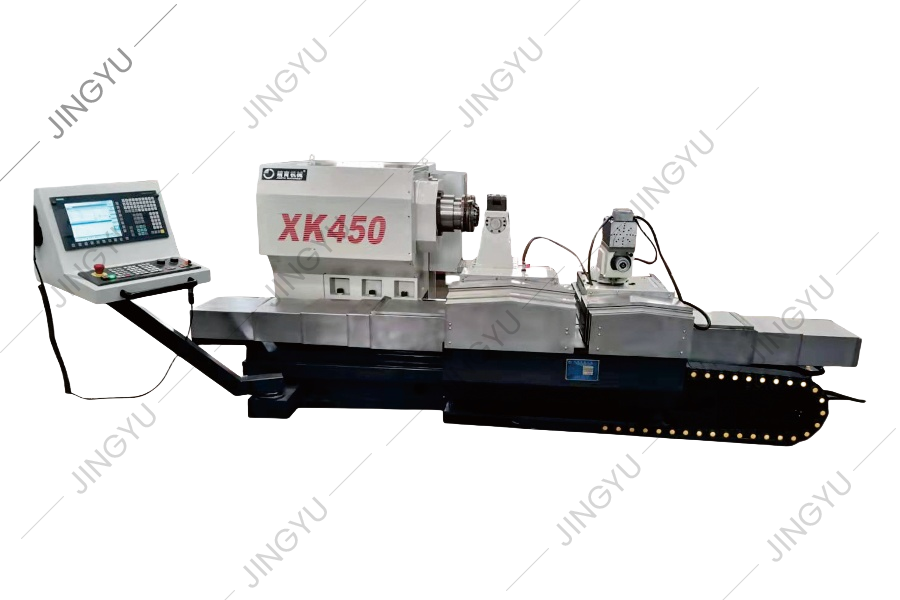
We have accumulated rich experience in the processing and use of rebar rolls, and have conducted in-depth analysis and research on the technology of s...
See Details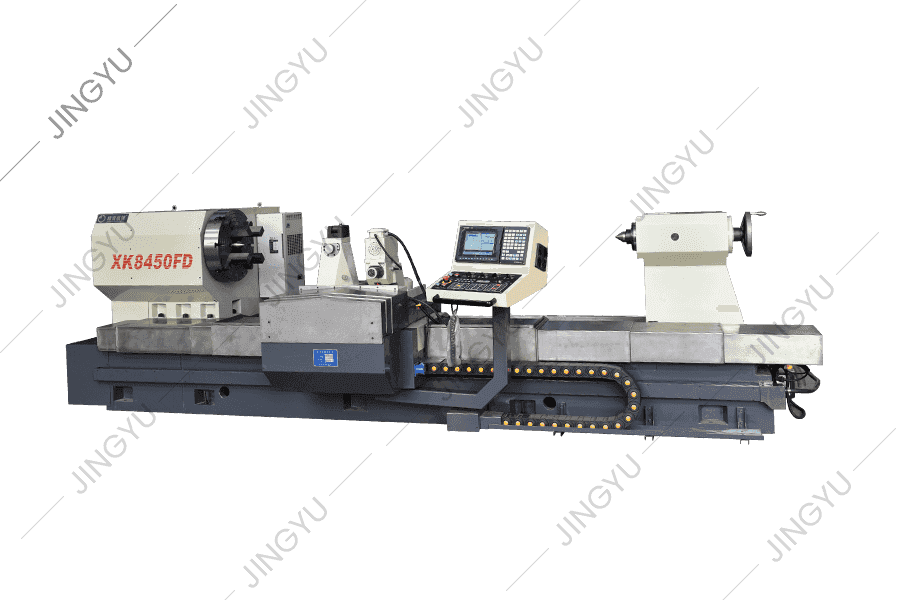
In view of the problems of high speed steel roll processing, XK8450 CNC roll milling machine is a new type of CNC roll groove processing machine tool ...
See Details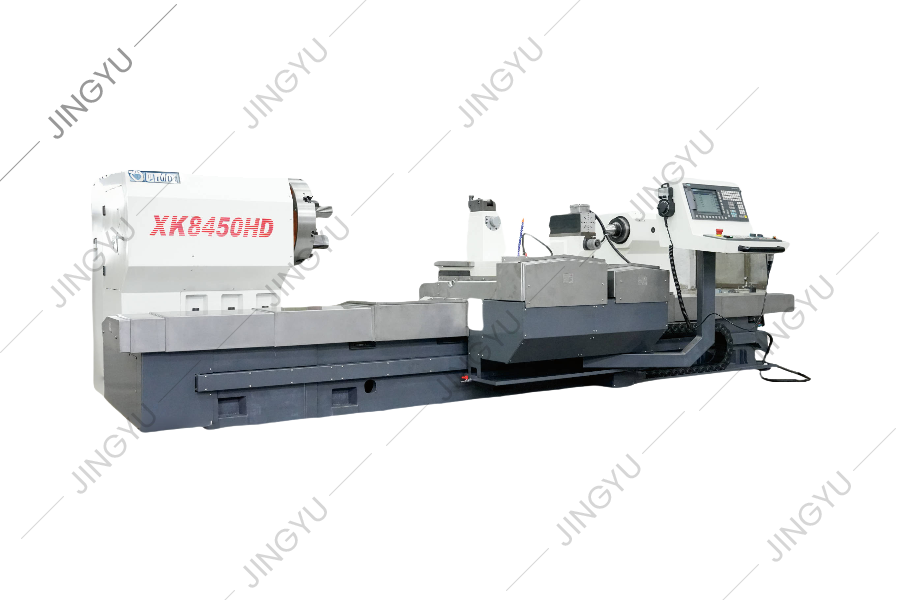
In view of the problems of high-speed steel roll processing, the XK8450 CNC roll milling machine is a new type of CNC roll groove processing machine t...
See Details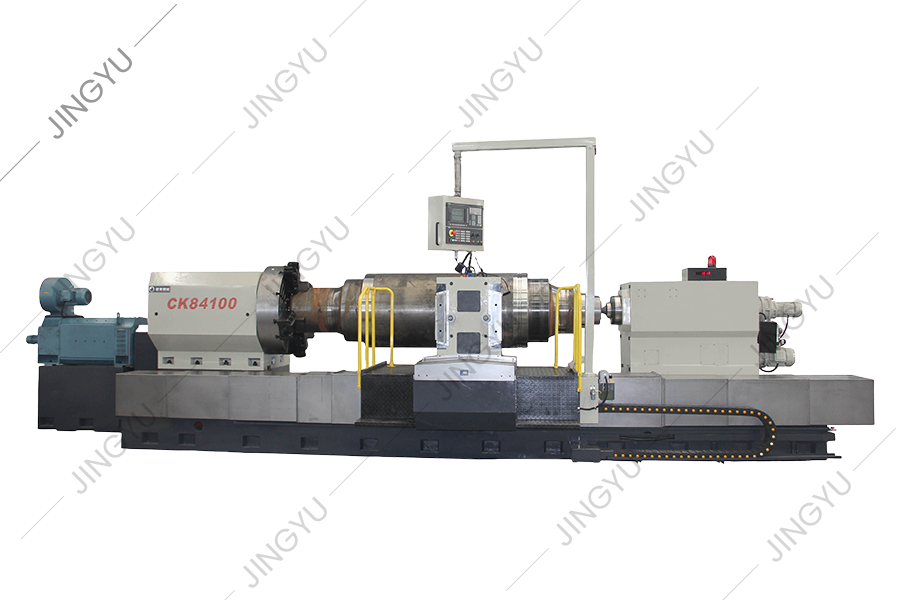
CK84 series CNC roll lathe adopts Siemens 828D CNC system and is driven by a servo motor. When designing this machine tool, we fully analyzed the tech...
See Details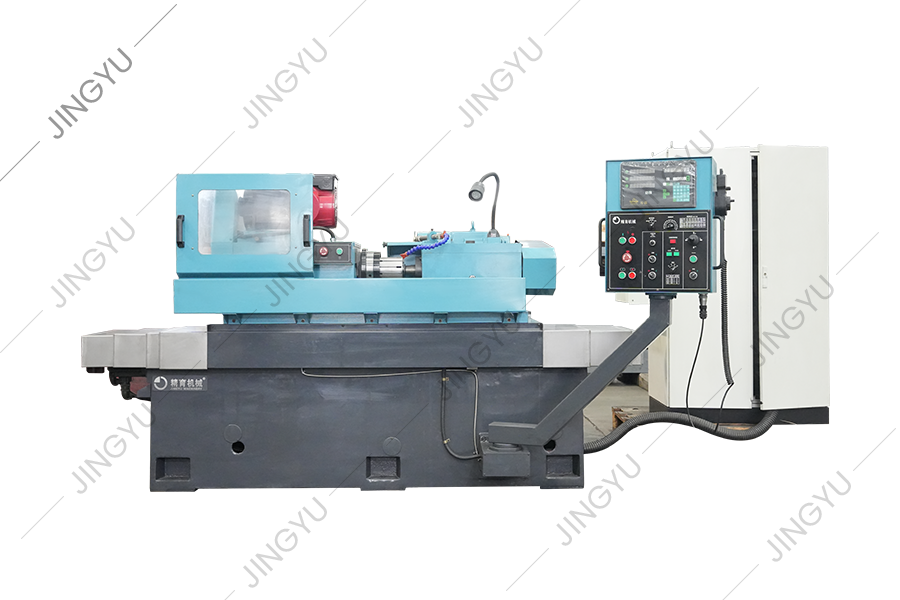
The roll ring forming grinder is mainly used for grinding tungsten carbide roller rings for high-speed wire rod production. The formed diamond grindin...
See Details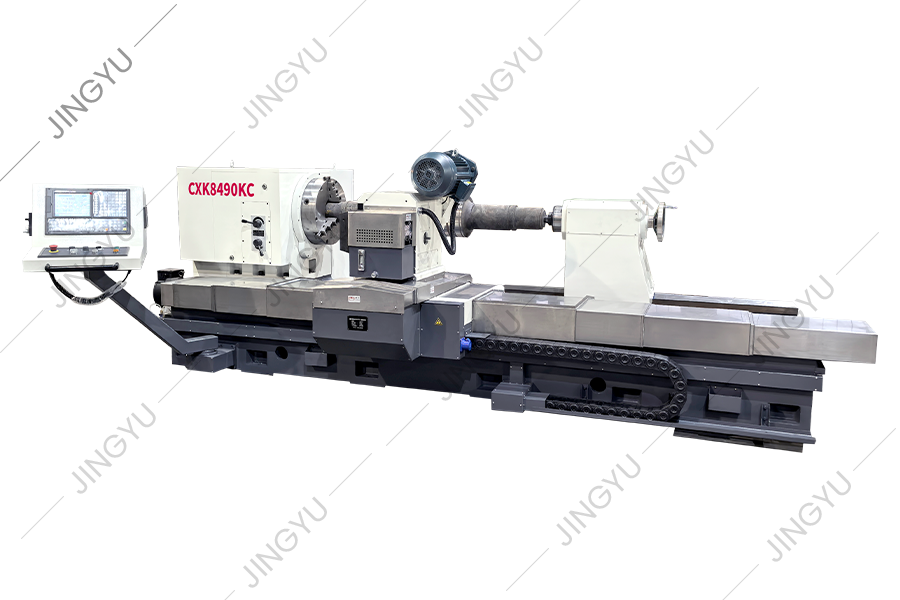
This machine tool is a new type of CNC roll grooving machine tool developed based on the company's CNC roll milling machine series and after full rese...
See Details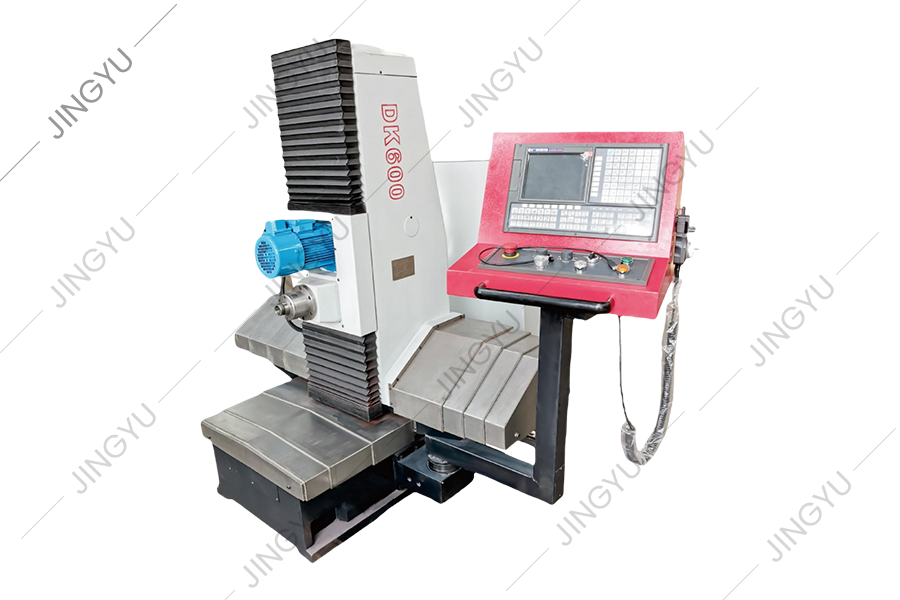
CNC roll engraving machine is suitable for processing various roll end face markings. Through the automatic editing software, it can generate processi...
See Details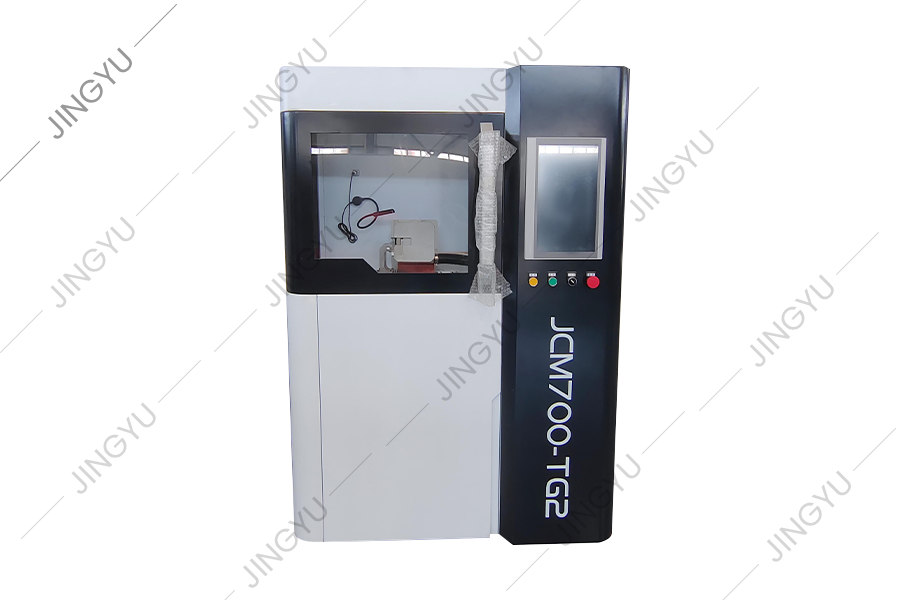
This machine is mainly used for grinding and repairing the milling cutter of roll threaded cross rib, which can easily repair and grind the edge of re...
See Details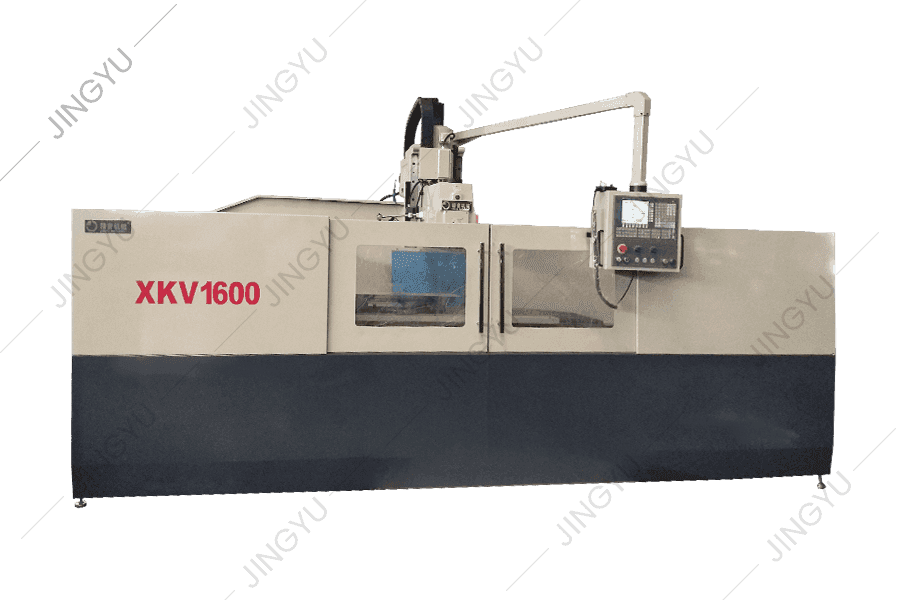
The CNC-reinforced milling machine adopts a full-gear spindle box, and the spindle transmission part adopts gears with precision of more than 6 levels...
See Details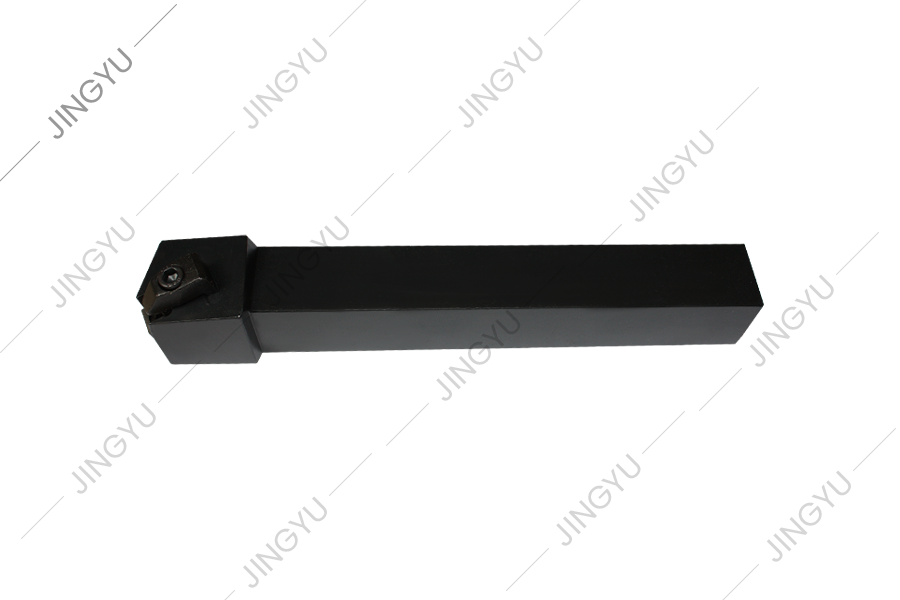
This series mainly provides common-wearing parts for CNC roll lathes, such as CBN blades, PCD blades, chucks, screws, etc.
See DetailsNo.3, Xinghe Road, Zhaxi Industrial Park, Chongchuan District, Nantong, Jiangsu Province, 226003, P.R.China
info@rolllathe.com jennifergao@rolllathe.com
+86-513-85636116
Copyright © Nantong Jingyu Machinery Co., Ltd. All Rights Reserved
 China Roll Turning Lathe Manufacturers
