


 English
 русский
 عربى
عربى
Cat:CNC Roll Milling Machine
CNC Notching and Marking Machine
XK9350 series CNC rebar roll crescent groove milling machine is the upgraded product of XK500 type, which is suitable for processing rolls with diamet...
See DetailsA maintenance engineer at a rolling mill watches campaign intervals shrink as work roll surfaces wear unevenly. The rolls need re-machining, but the existing machine tools lack the steady rests and bed length required for a multi-ton roll body. That scenario is exactly why CNC roll machines exist: they are purpose-built to turn, grind, mill, and notch rolling mill rolls, roller rings, and roll shafts that general-purpose machine tools cannot handle efficiently.
A CNC roll machine, also called a CNC roll processing machine, is a computer numerically controlled machine tool engineered for rolls and roll-type cylindrical workpieces. The term covers a family of machines. A CNC roll lathe performs external turning and facing. A CNC roll grinder produces precision ground surfaces with tight roundness control. A CNC roll milling or notching machine cuts grooves and surface patterns. All share a common structural philosophy: rigid beds, long travel axes, and CNC systems that synchronize tool motion with the rotating workpiece.
Typical users include metallurgical plants that manufacture or recondition mill rolls, vehicle part producers that need machined rollers for forming lines, and processing industries that run rubber or paper rolls.
Roll manufacturing and reconditioning happen in stages. The typical workflow moves from rough turning to semi-finishing, then to precision grinding, and sometimes to surface patterning. Each step belongs to a different type of CNC roll processing machine.
CNC roll lathes are the workhorses of roll machining. They remove the worn layer from a roll body, machine roll necks to seat bearings, and face the roll ends. These machines use long beds and heavy spindles to support large workpieces between centers. A CNC roll lathe from this family is typically selected when substantial stock removal and heavy workpiece weight drive the operation.
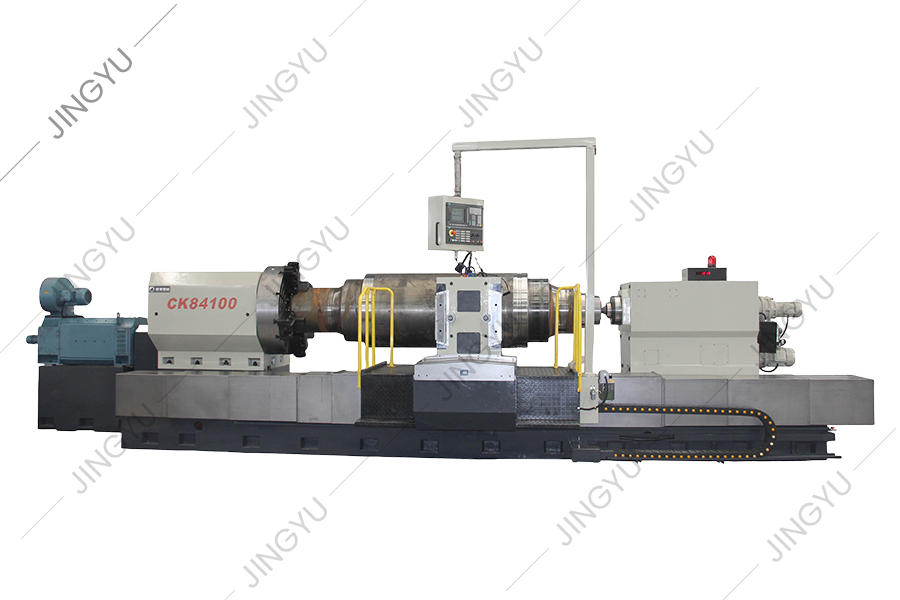 Wholesale Roll lathe Factory, SuppliersNantong Jingyu Machinery Co., Ltd. is China Roll lathe Factory and CNC Roll lathe suppliers, manufacturing wholesale Roll lathe for saleView Product →
Turning alone cannot deliver the surface finish and dimensional consistency that high-speed rolling lines require. CNC roll grinders finish the roll surface with a rotating grinding wheel, achieving low roughness values and accurate geometry after the turning pass. CNC roll grinding machines deliver the surface finish and dimensional accuracy required after turning operations, such as our CNC roll grinder machine.
Rebar rolls, tread rolls, and ribbed rolls need grooves and texture cut directly into the roll body. CNC roll milling and notching machines use rotary milling cutters, flying knives, or form tools to create these profiles. For rolls requiring patterned surfaces, rib grooves, or crescent grooves, a CNC roller notching machine or a heavy-duty roll milling machine is the appropriate choice.
Some tasks need dedicated equipment. Roll end engraving machines mark identification text on roll faces. Rubber roller grooving machines cut spiral grooves into elastomer-covered rolls. Checker plate roller milling machines texture rolls for floor plate production. These special-purpose CNC roll machines fill production gaps that standard lathes and grinders cannot cover economically.
The working principle is simple in concept: the roll rotates around its longitudinal axis while the tool holder, grinding wheel, or milling head moves along the X axis into the workpiece and the Z axis along its length. This two-axis coordination produces the required diameter and profile geometry. For grooves and patterns, a rotational C axis indexes the roll to precise angular positions so the tool engages at the correct point on the circumference.
Programming follows two common paths. Simple turning and facing cycles can be written directly in G-code on the machine control. Complex surface patterns are generated in CAM software and transferred to the control digitally. Modern CNC systems also support automatic tool changing, in-process measurement, and adaptive feed control that adjusts cutting parameters based on measured load.
A practical breakdown of how these elements combine is available in our article on the working principle of a full automatic CNC roll milling machine.
Selecting the wrong machine type is an expensive mistake. A machine chosen without examining the workpiece can be underpowered for the material, too short for the roll body, or insufficient for the required surface finish. The selection process starts with four dimensions: workpiece, precision, production, and budget.
Define the roll material, diameter, overall length, and surface geometry first. Cast iron and hardened forged steel behave very differently under cutting load. A large-diameter roll may exceed the swing capacity of a standard roll lathe, and a long roll body will demand matching distance between centers. If the roll surface includes grooves or patterns, milling capability becomes a requirement, not an option.
Precision determines whether you need a lathe, a grinder, or both. A roll returning to a high-speed production line with strict roundness and roughness targets needs a grinding stage. A roll that only requires weld repair removal and rough sizing can be brought back to tolerance on a heavy-duty roll lathe. Review the drawing tolerances and surface roughness specification before discussing machine classes with any supplier.
Monthly throughput decides the automation level. A roll shop processing two or three rolls per week can rely on manual measurement and simple CNC cycles. A shop serving several mills benefits from a full automatic machine with online measurement and automatic compensation. The manufacturer's product range includes fully automatic milling machines, which indicates what is available in this class.
Purchase price is only the beginning. Tooling consumption, grinding wheel cost, energy use, operator training, and maintenance all add to the cost of each finished roll. A machine with weak rigidity may save money upfront but consume tools quickly on hard roll materials. The company states that it controls both procurement cost and production efficiency, a factor worth exploring when comparing quotes from different suppliers.
Once the machine type is clear, compare the specifications on each proposal. A few parameters carry most of the decision weight.
| Specification | What It Determines | What to Check |
|---|---|---|
| Swing over bed | Maximum roll diameter the machine can accommodate | Compare with your largest roll diameter |
| Distance between centers | Maximum roll length supported | Must exceed your longest roll body |
| Spindle power and torque | Metal removal rate and cutting capability | Higher values help with hardened or large-diameter rolls |
| CNC system | Programming convenience and automation features | Confirm your operators are trained on the specific system |
| Positioning and repeatability | Dimensional consistency across multiple rolls | Review the manufacturer's stated accuracy for both axes |
| Bed and base construction | Vibration damping and stability during heavy cuts | Ask about casting or fabrication structure and machine weight |
| Automation options | Labor requirement and process stability | Decide between full automatic, semi-automatic, and manual operation |
The CNC control deserves special attention. The manufacturer states that its heavy-duty roll lathes can be equipped with Siemens controls, and it has published a detailed review of the advantages of the Siemens 828D CNC system for heavy-duty lathe applications.
The machine is only half of the purchase. A manufacturer without the right technical depth, quality systems, or after-sales support can turn a reasonable investment into a recurring problem. Evaluate suppliers on six dimensions before signing a contract.
If a manufacturer passes these six checks, the next step is verification. You can review our manufacturing capabilities on the about page and request machine references through a formal inquiry.
CNC roll machines form a specialized family of machine tools built for turning, grinding, milling, and notching rolls and related workpieces. The right machine depends on the roll material, dimensions, surface finish requirements, production volume, and budget. Key specifications such as swing over bed, distance between centers, spindle power, CNC system, and automation options separate a capable machine from an expensive mismatch.
Before contacting manufacturers, prepare a one-page summary of your rolls: material, diameter, length, required finish, and monthly volume. Include a workpiece drawing or dimension table in your request for quotation. That information allows the manufacturer to recommend the correct machine type and configuration. To start, browse the product categories on rolllathe.com and identify which machine families match your production needs.
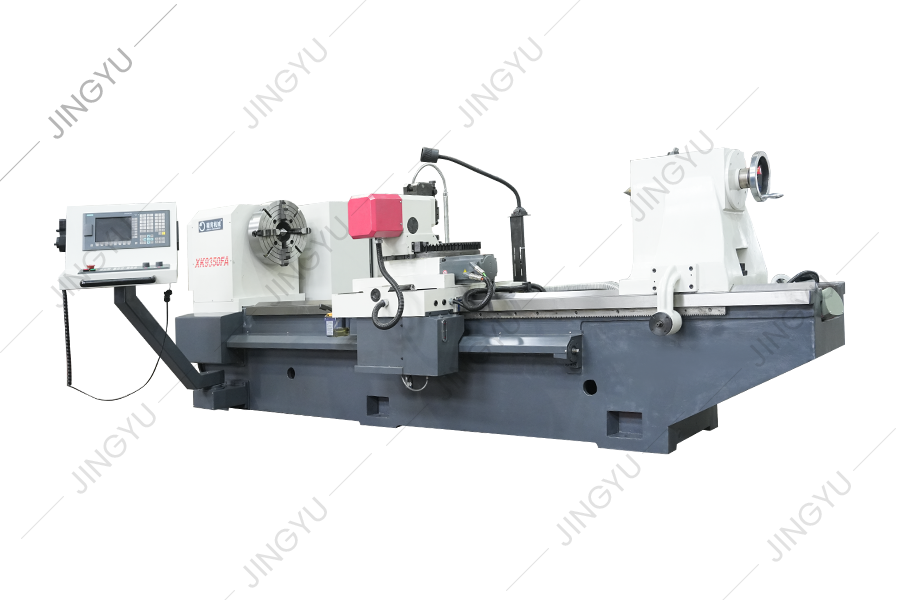
XK9350 series CNC rebar roll crescent groove milling machine is the upgraded product of XK500 type, which is suitable for processing rolls with diamet...
See Details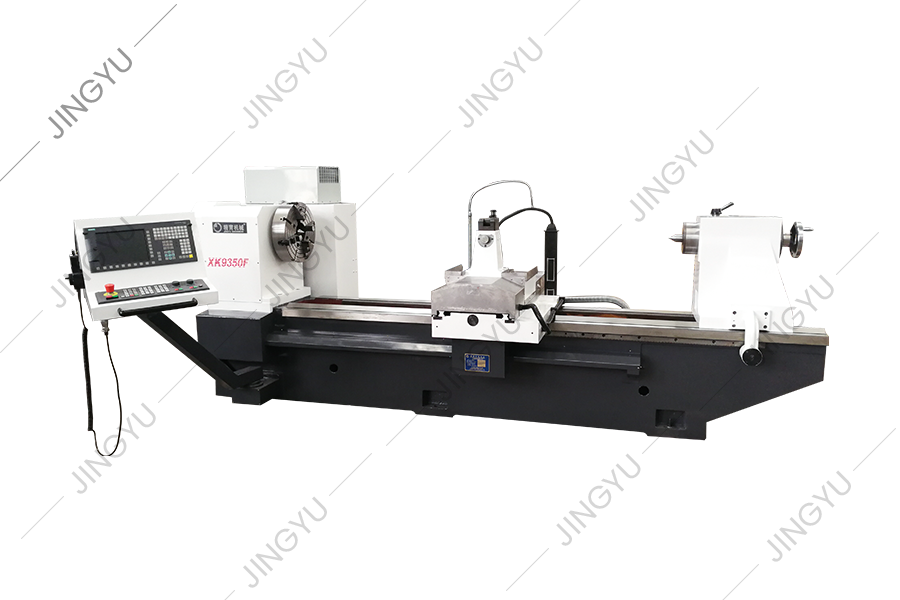
XK9350 series CNC rebar roll crescent groove milling machine is the upgraded product of XK500 type, which is suitable for processing rolls with diamet...
See Details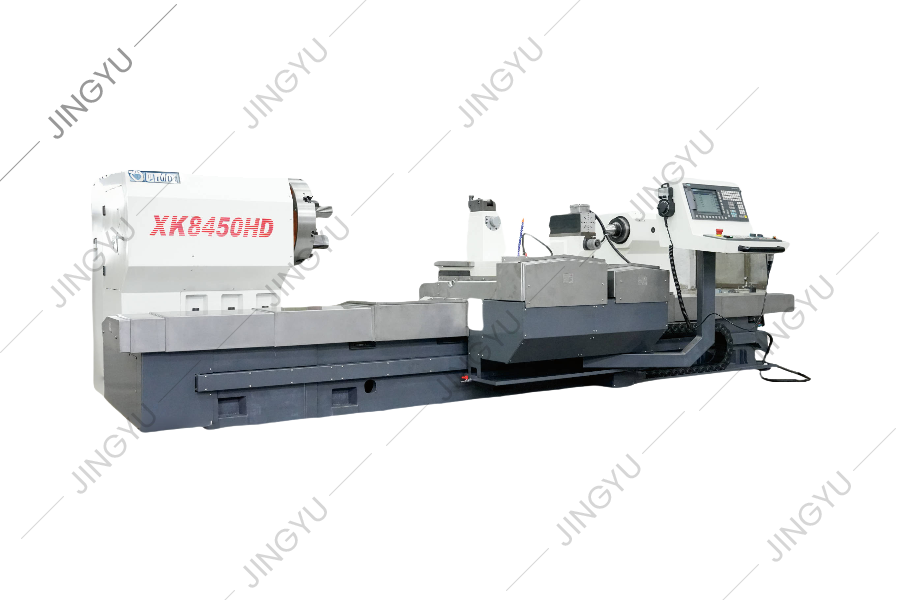
In view of the problems of high-speed steel roll processing, the XK8450 CNC roll milling machine is a new type of CNC roll groove processing machine t...
See Details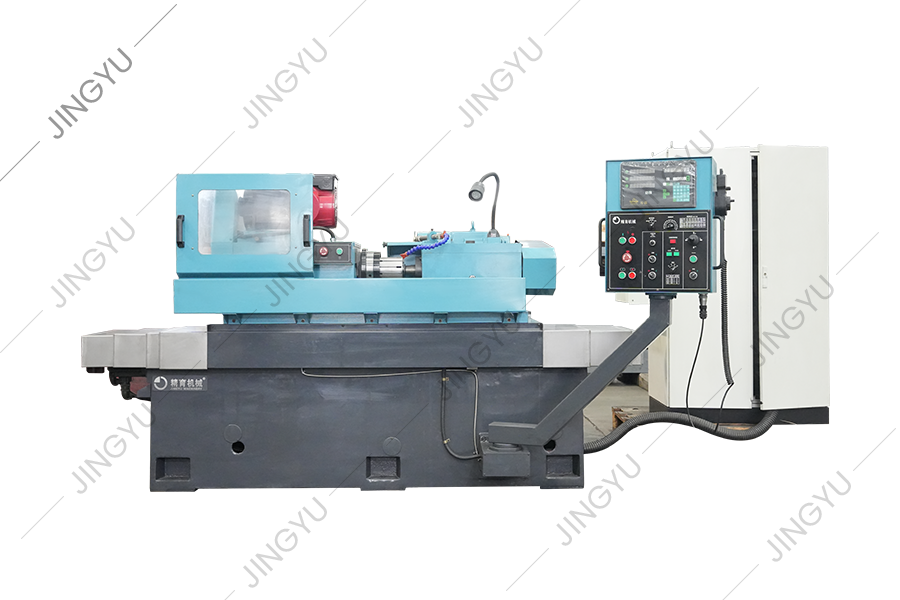
The roll ring forming grinder is mainly used for grinding tungsten carbide roller rings for high-speed wire rod production. The formed diamond grindin...
See Details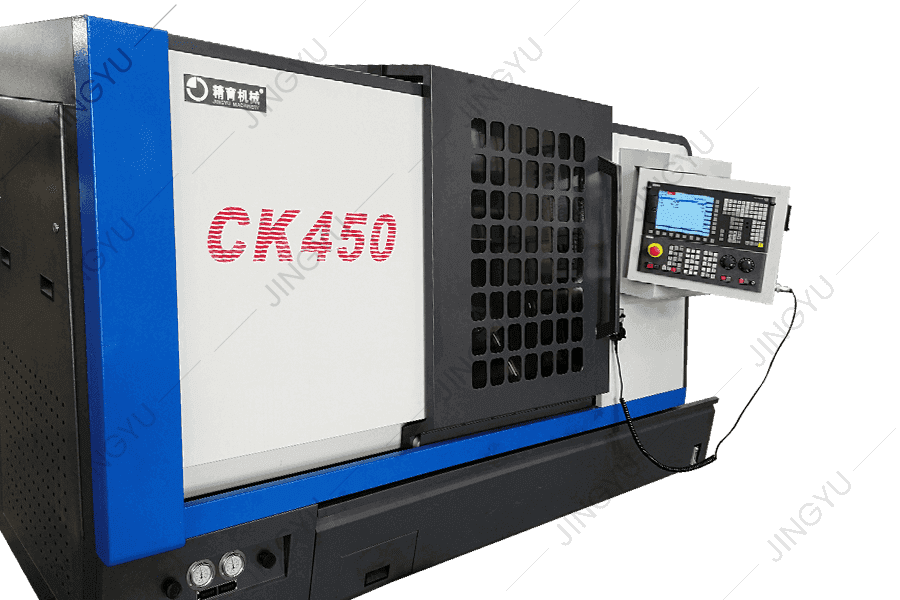
The CK450 inclined bed CNC lathe adopts the German Siemens control system. The appearance, operating system, and safety protection system of the machi...
See Details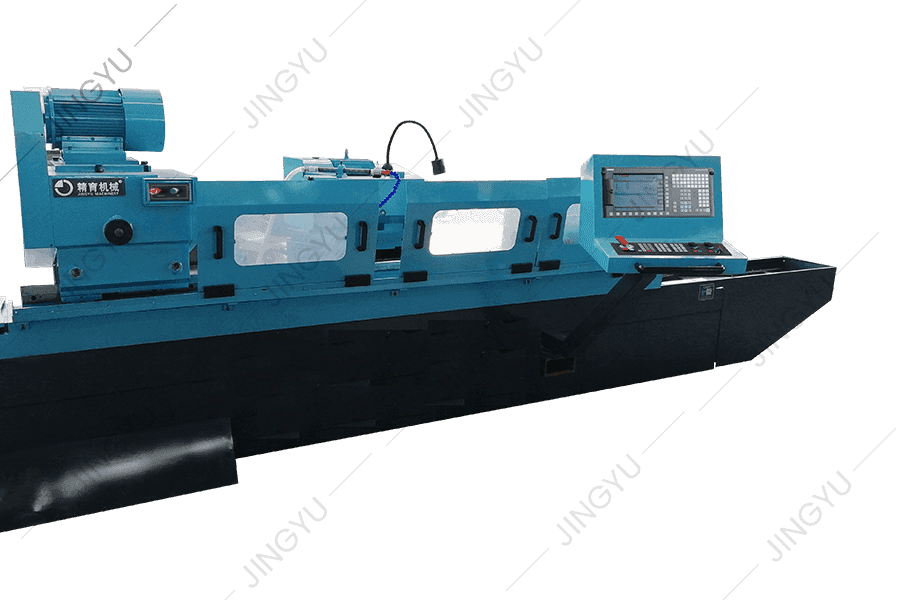
MK8450 CNC roll grinder is mainly used for rough grinding, semi-finish grinding, fine grinding, and non-spark grinding of the outer circles and R groo...
See Details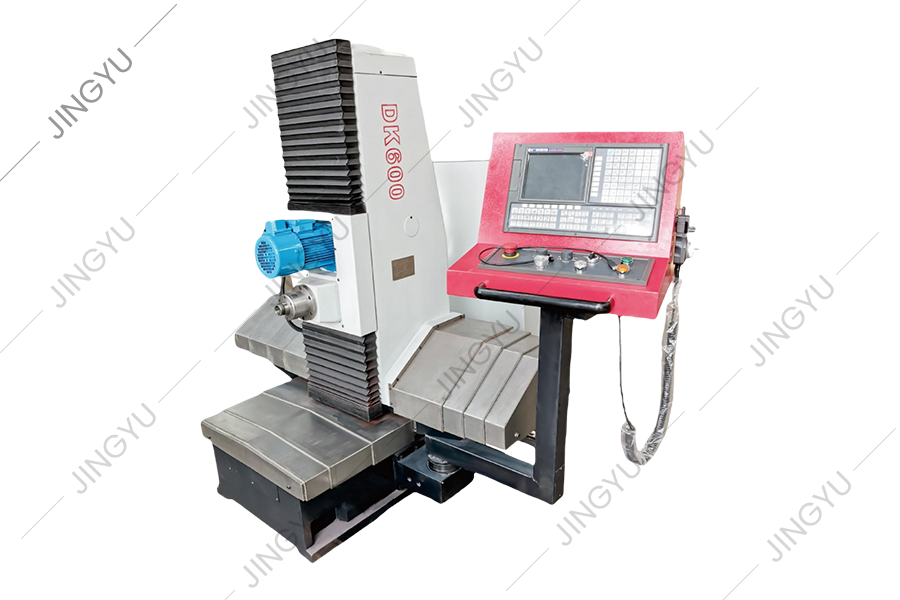
CNC roll engraving machine is suitable for processing various roll end face markings. Through the automatic editing software, it can generate processi...
See Details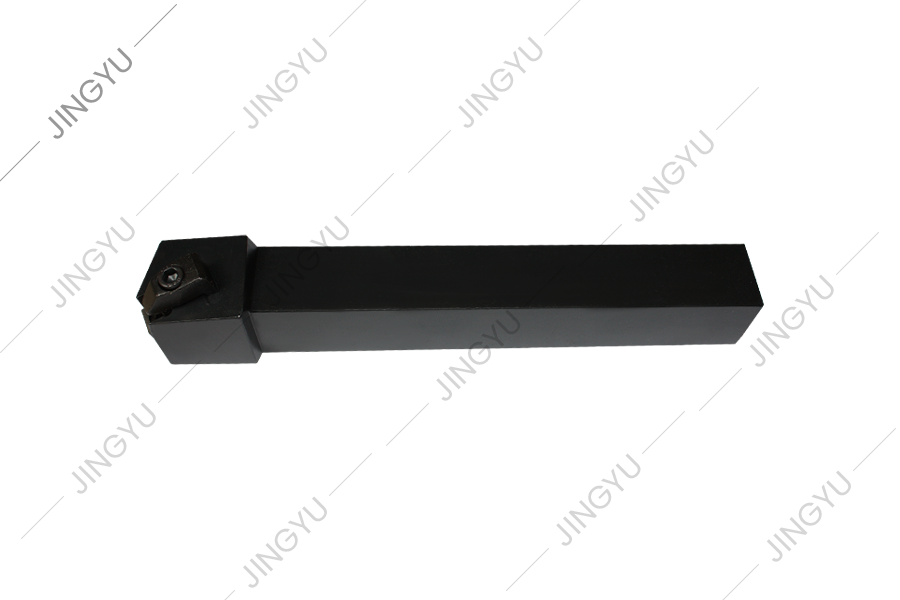
This series mainly provides common-wearing parts for CNC roll lathes, such as CBN blades, PCD blades, chucks, screws, etc.
See Details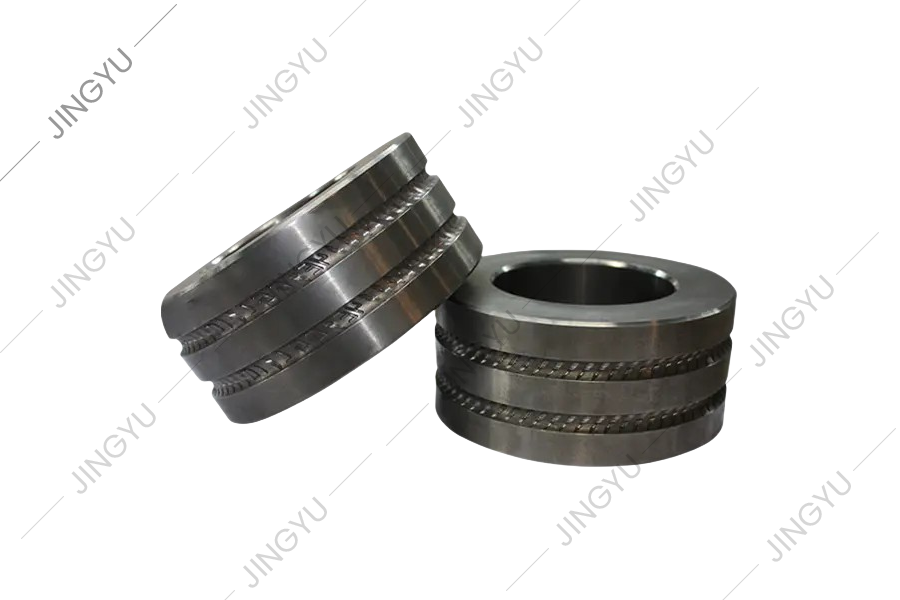
This series mainly provides common-wearing parts for CNC TC ring grinding machines and composite roll grinding machines, such as mandrels, dynamic and...
See Details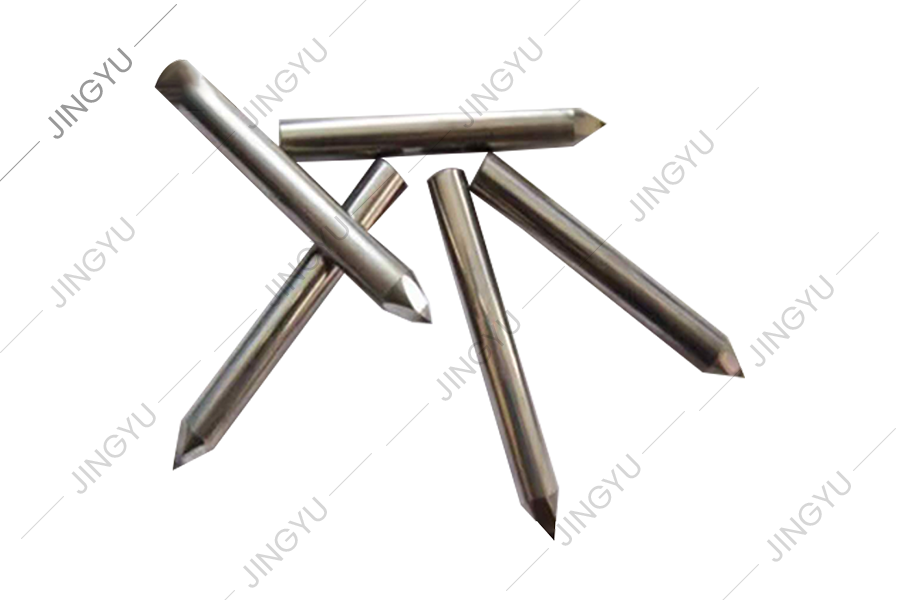
We also supply other spare parts, such as checkered plate milling cutters, roll slotting tools, oil pumps, motors, CNC systems, etc.
See DetailsNo.3, Xinghe Road, Zhaxi Industrial Park, Chongchuan District, Nantong, Jiangsu Province, 226003, P.R.China
info@rolllathe.com jennifergao@rolllathe.com
+86-513-85636116
Copyright © Nantong Jingyu Machinery Co., Ltd. All Rights Reserved
 China Roll Turning Lathe Manufacturers
