


 English
 русский
 عربى

Cat:CNC Roll Milling Machine
CNC Roll Milling Machine
This series of machine tools can automatically cut crescent grooves with different rotation directions and any helix angle. It can divide into equal (...
See DetailsThreading on a lathe is a controlled repetition: the lead screw sets the pitch, the tool shape sets the form, and each pass removes a small, predictable amount of material. A 60° external tool set on center and square to the work will cut a usable thread even on a light lathe, provided the first scratch pass is checked before the tool goes deeper. Most spoiled threads come from three setup errors, not from the cutting itself: the gearbox is set to the wrong pitch, the tool is not square, or the first pass is too deep.
The steps for how to thread on a lathe are consistent across manual and CNC machines. The machine may differ, but the geometry, pass control, and inspection logic remain the same.
Before the tool touches the work, confirm the thread callout and translate it into machine settings. A metric thread such as M20 × 2.5 advances 2.5 mm per spindle revolution. An imperial thread such as 1/2-13 UNC advances one thirteenth of an inch per revolution. Set the quick-change gearbox or change gears to match that lead. If the lathe has a threading dial, use it only according to the machine’s rules; many metric threads require the half-nut to stay engaged and the spindle to be reversed at the end of each pass.
Internal threading uses the same lead and tool form, but clearance becomes the limiting factor. For a single-point internal thread, bore the pilot hole to the minor diameter rather than to a tap-drill size. For a 60° internal thread, the minor diameter is approximately the nominal major diameter minus 1.0825 × pitch. An M12 × 1.75 thread, for example, needs a bore near 10.1 mm. A tap drill for the same thread is usually about 10.2 mm, which is close but not identical.
Use a boring bar that clears the bore on both sides and set the tool square to the workpiece. Take smaller depths than for external work because the bar is less rigid. In blind holes, cut a relief groove or allow enough runout for the tool to stop before the shoulder. If tapping on the lathe, align the tap with the tailstock center, apply cutting oil, and reverse the spindle carefully to avoid breaking the tap. Check the finished internal thread with a go/no-go plug gauge or the matching screw.
On a CNC lathe, a G76-style two-line cycle or a G32 single-pass command synchronizes the spindle and Z-axis feed. The operator sets thread height, first-pass depth, minimum depth, and finish allowance; the control repeats the passes without a threading dial. This reduces operator fatigue and makes long thread lengths more consistent, but it does not remove the need for correct tool geometry, center height, and a verified first pass.
For a closer look at how control architecture affects repeatability, see this article on CNC roller lathe precision and control.
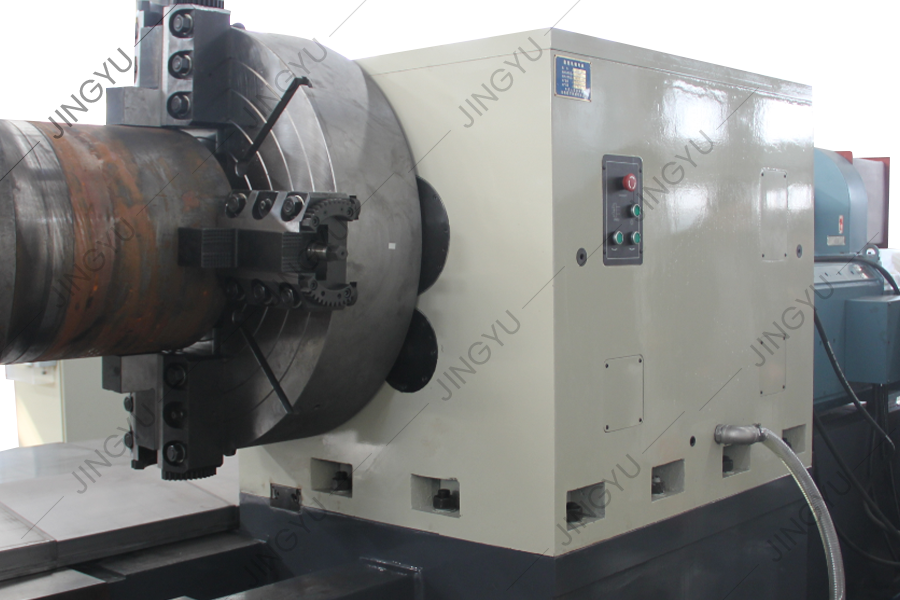 CK84 Series CNC Roll LatheSiemens 828D control and 4+1 guideway construction support repeatable turning of large roll bodies and shafts.View Product →
Large shafts and roll bodies place a different demand on the machine. Swing, spindle bore, headstock rigidity, and lead-screw condition matter more than a high top speed. When specifying a lathe for production threading, confirm the pitch range, thread-cycle support, and part-handling capacity rather than checking only the center distance.
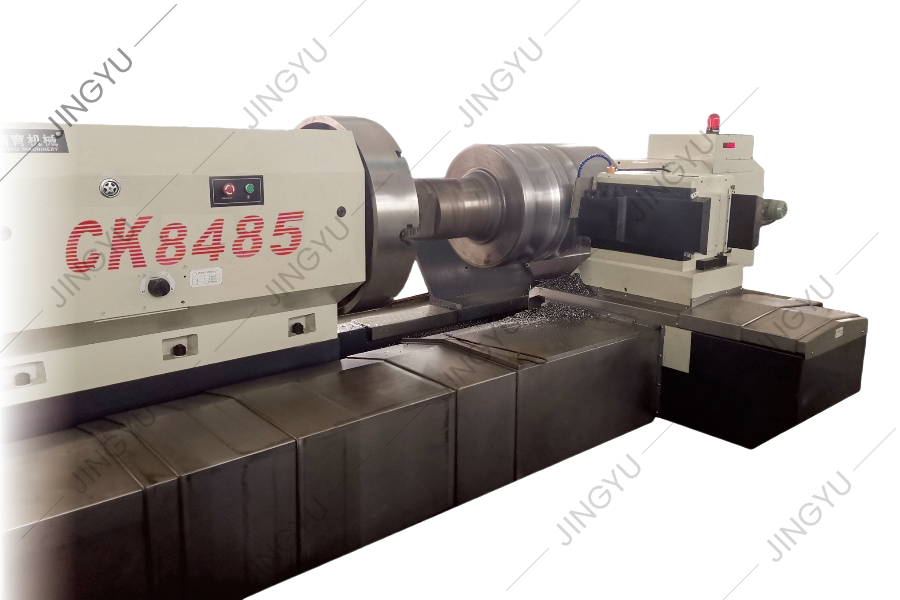 Heavy Duty CNC Roll Turning Lathe SeriesCovers CK8450–CK8485 models for turning roll outer circles and necks, with integrated guideways and Siemens 828D control.View Product →
Heavy-duty lathes are useful when the thread is part of a larger turning operation, such as a roll end, coupling, or repair section. The same pass discipline applies: verify the lead, keep the tool square, and do not let the first pass remove more material than the tool and workpiece can support.
The chart below gives starting depths for a 60° external thread in mild steel. Treat these values as a baseline, not a fixed rule. Aluminum can take deeper passes; stainless steel and hard alloys usually need lighter passes and more coolant. If the tool chatters, the machine labors, or the crest tears, reduce depth before changing the spindle speed.
Spindle speed and depth interact. A low speed with too much depth can tear the thread; a high speed with a poorly supported workpiece can cause chatter. For manual work, start slower and increase only after the first two passes show a clean, even chip. For CNC work, use the control’s thread cycle to keep the depth schedule consistent, then adjust the first-pass value based on the material and insert grade.
Single-point threading is the most flexible method on a lathe, but it is not always the fastest. Small threads in soft material may be quicker with a tap or die, while large or interrupted threads may suit thread milling on a CNC machine. The table below compares the common choices.
| Method | Best for | Setup demand | Main risk |
|---|---|---|---|
| Single-point threading | External and internal threads from small to large; one-off work and repairs | Medium: lead setting, tool angle, pass schedule | Wrong pitch or tool not square |
| Tap or die | Small threads, shallow blind holes, simple maintenance work | Low to medium: alignment and lubrication | Tap breakage or torn thread |
| Thread milling | Large diameters, interrupted threads, and non-rotating parts on CNC | High: CNC path, tool clearance, and rigidity | Path error or cutter deflection |
If a thread fails inspection, identify the cause before recutting. A pitch error cannot be fixed by another pass, and a tool that is not square will keep producing the same distorted form. A light spring pass can improve finish, but it cannot correct a setup mistake.
Successful lathe threading is less about force and more about verification. Set the lead, square the tool, take a scratch pass, confirm the pitch, and then remove material in small steps. That sequence works on a manual lathe, a CNC production lathe, and a heavy machine turning a large roll. The machine does not need to be new; it needs to be set correctly, and the first pass needs to be checked before the thread is committed.
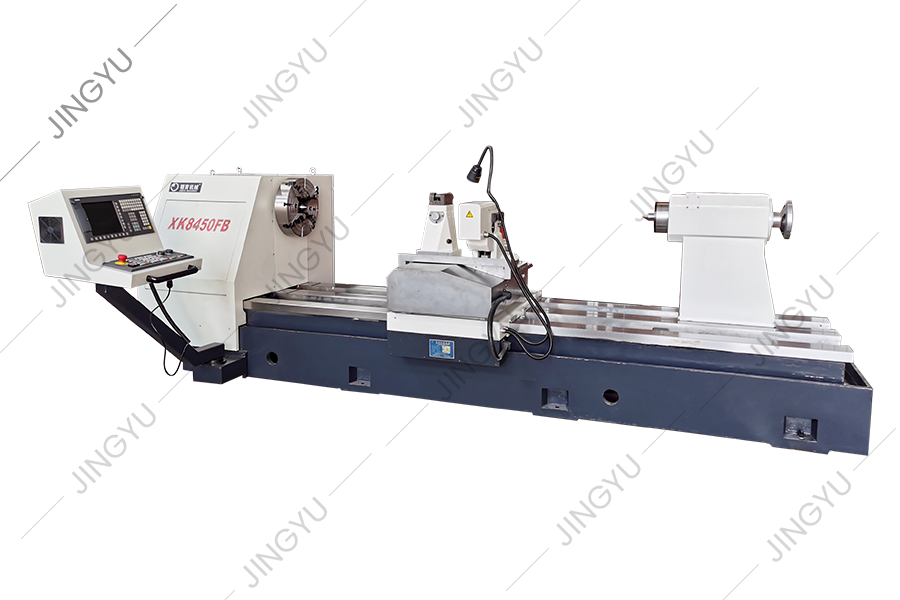
This series of machine tools can automatically cut crescent grooves with different rotation directions and any helix angle. It can divide into equal (...
See Details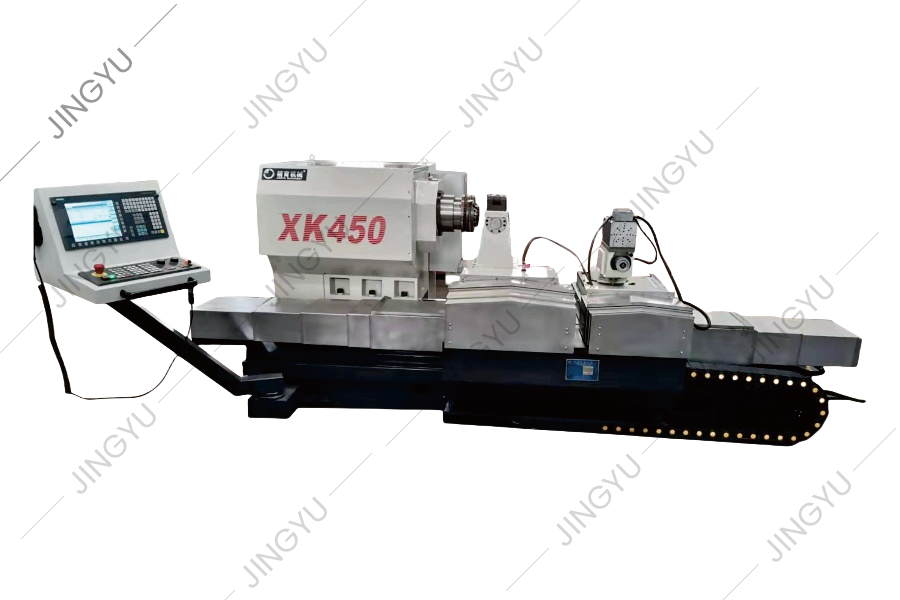
We have accumulated rich experience in the processing and use of rebar rolls, and have conducted in-depth analysis and research on the technology of s...
See Details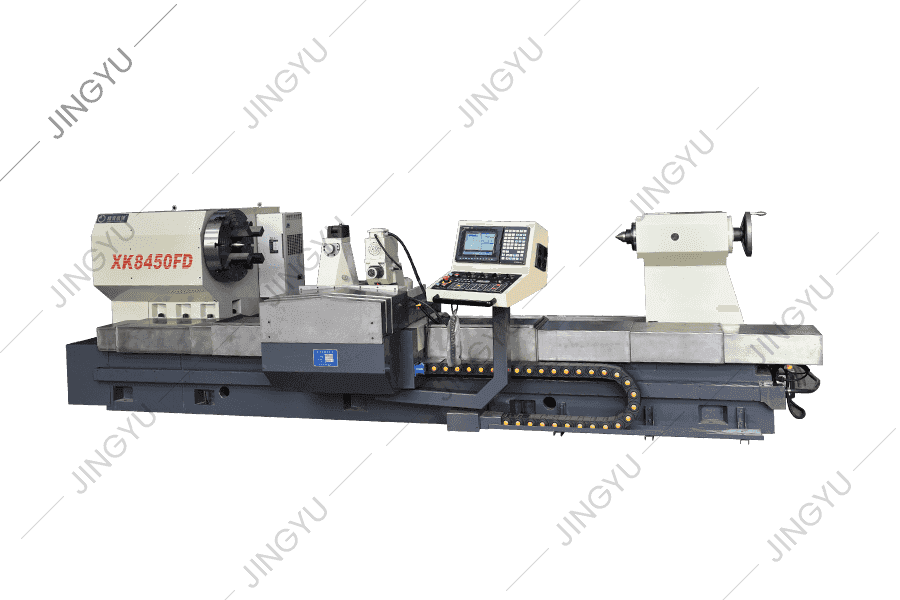
In view of the problems of high speed steel roll processing, XK8450 CNC roll milling machine is a new type of CNC roll groove processing machine tool ...
See Details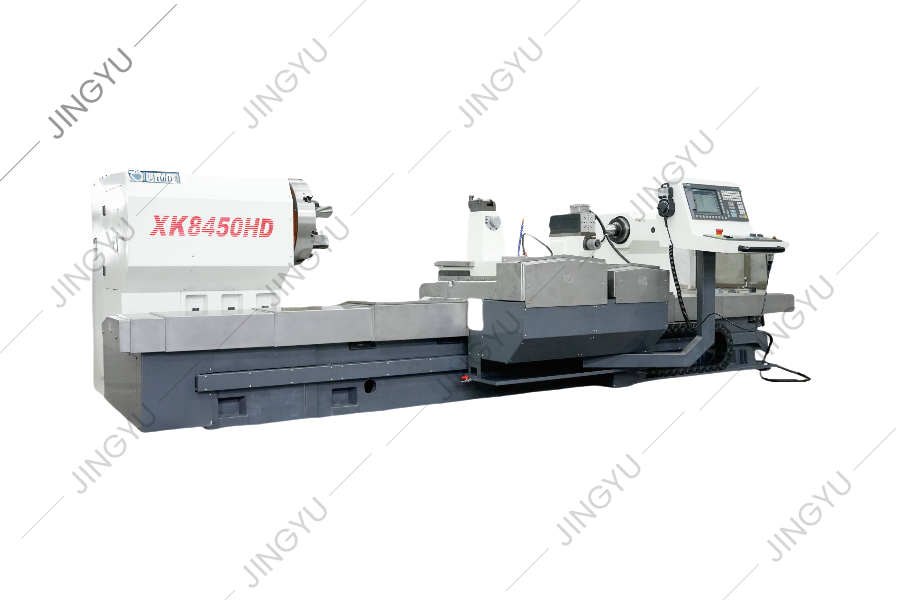
In view of the problems of high-speed steel roll processing, the XK8450 CNC roll milling machine is a new type of CNC roll groove processing machine t...
See Details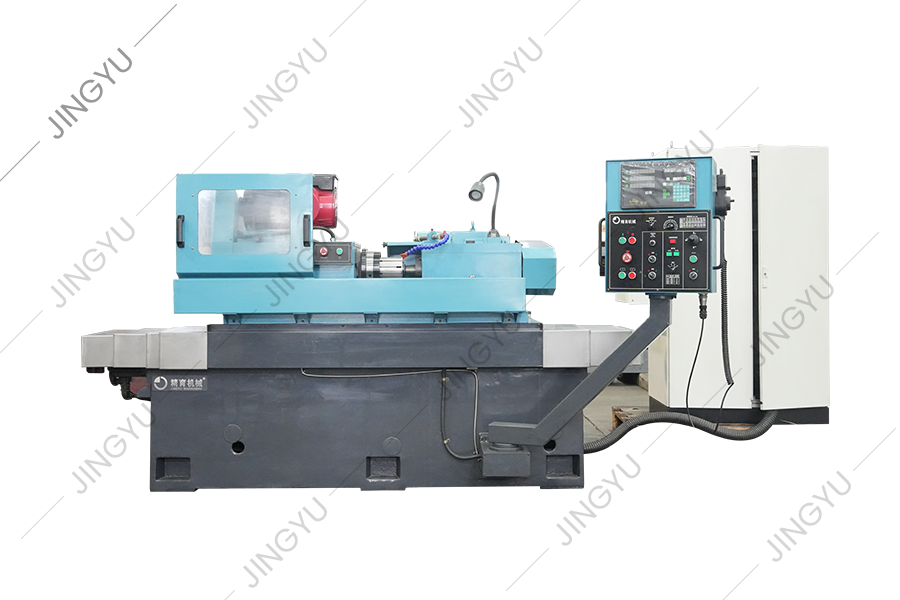
The roll ring forming grinder is mainly used for grinding tungsten carbide roller rings for high-speed wire rod production. The formed diamond grindin...
See Details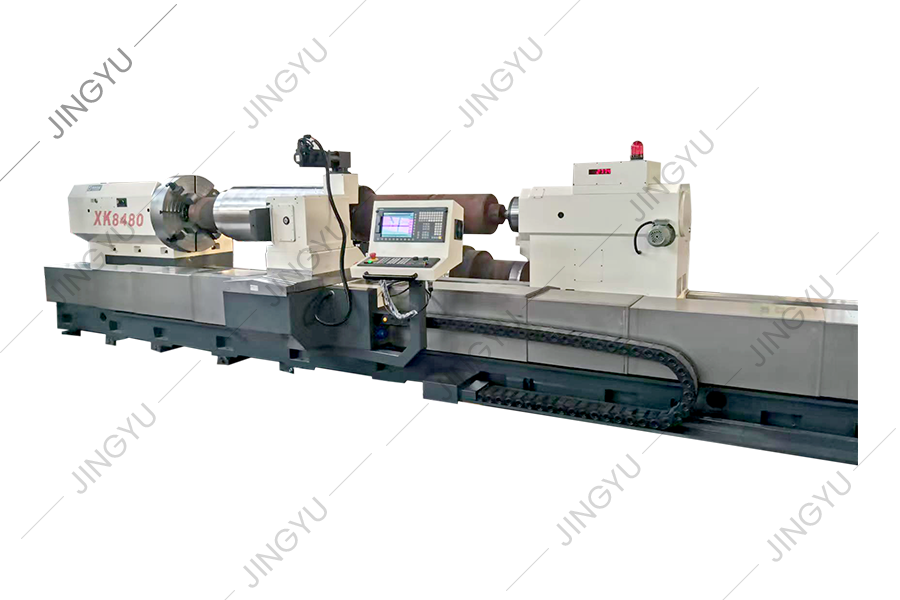
At present, pattern roll engraving at home and abroad generally adopts electrolysis method, ordinary horizontal milling machine milling and other proc...
See Details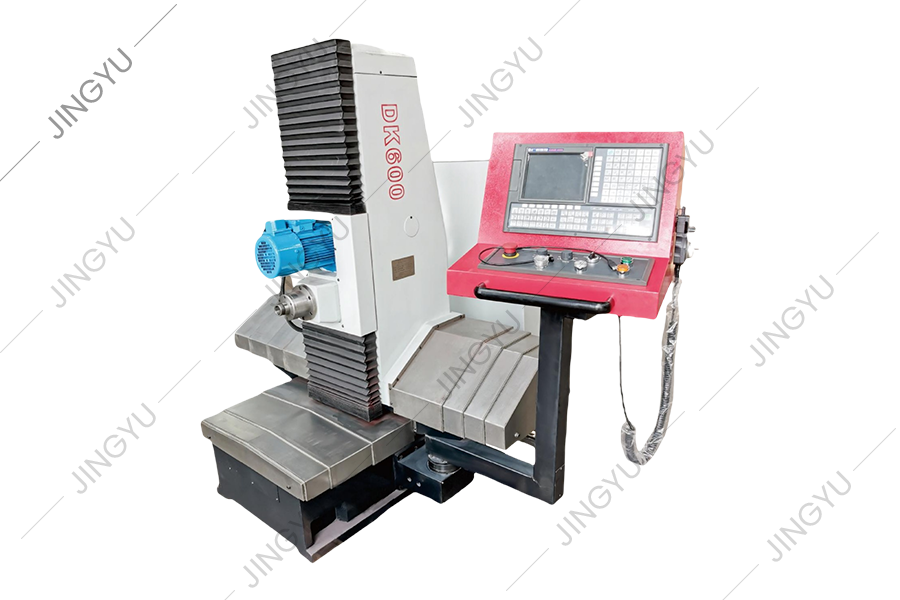
CNC roll engraving machine is suitable for processing various roll end face markings. Through the automatic editing software, it can generate processi...
See Details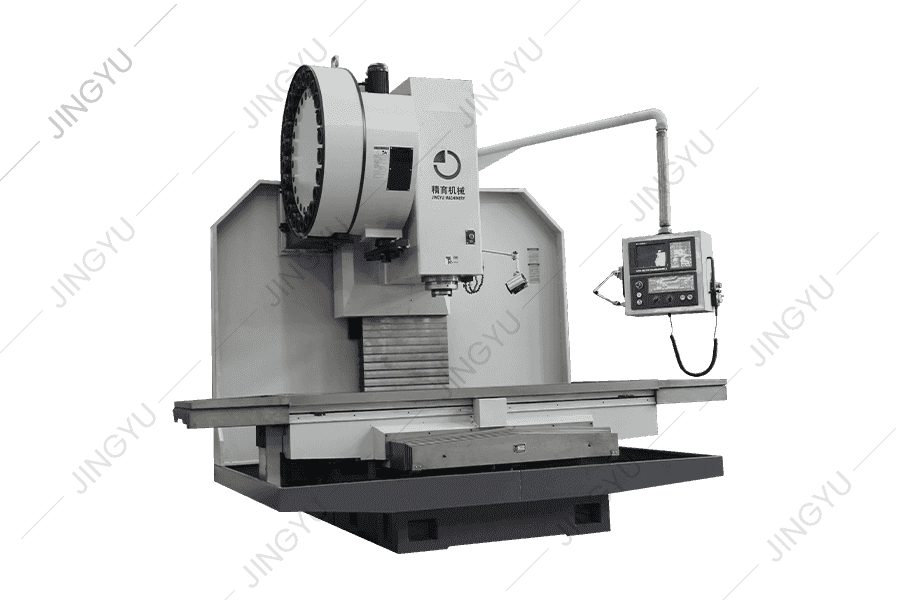
All three axes of the machine are P3-level 50×P10 ball screws, and the assembly process of 2-end fixed pretension is used to strengthen the axial rigi...
See Details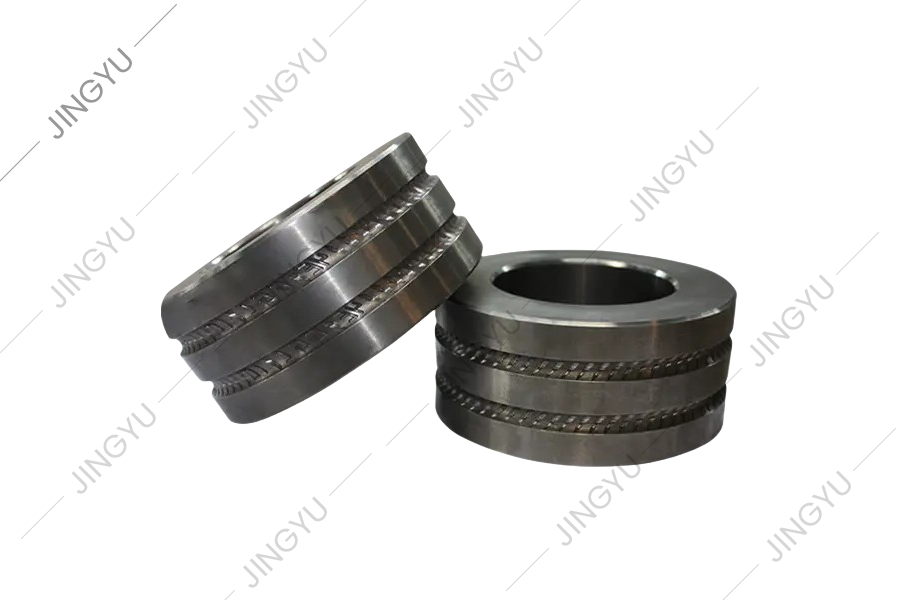
This series mainly provides common-wearing parts for CNC TC ring grinding machines and composite roll grinding machines, such as mandrels, dynamic and...
See Details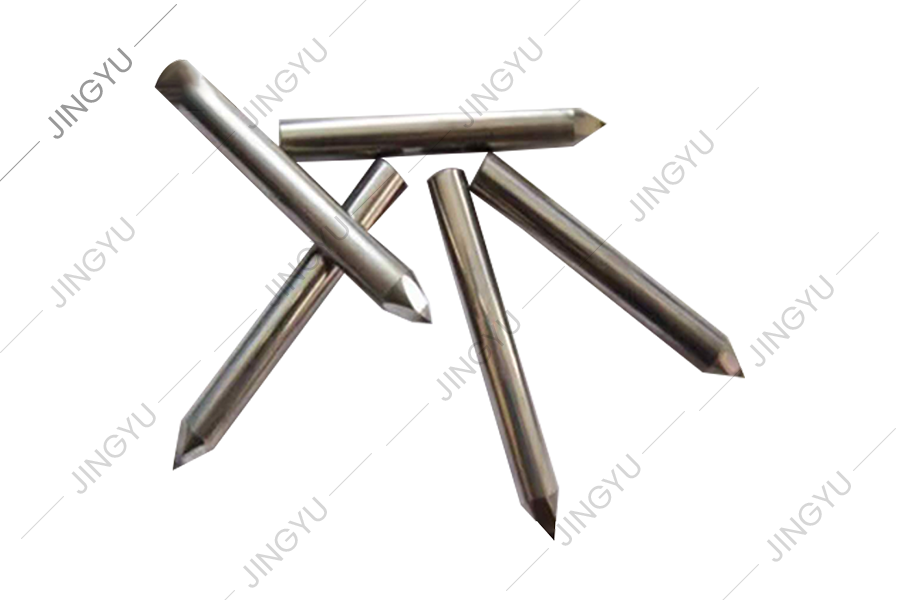
We also supply other spare parts, such as checkered plate milling cutters, roll slotting tools, oil pumps, motors, CNC systems, etc.
See DetailsNo.3, Xinghe Road, Zhaxi Industrial Park, Chongchuan District, Nantong, Jiangsu Province, 226003, P.R.China
info@rolllathe.com jennifergao@rolllathe.com
+86-513-85636116
Copyright © Nantong Jingyu Machinery Co., Ltd. All Rights Reserved
 China Roll Turning Lathe Manufacturers
