


 English
 русский
 عربى
عربى
Cat:CNC Roll Milling Machine
CNC Roll Notching Machine
XK9350 series CNC rebar roll crescent groove milling machine is the upgraded product of XK500 type, which is suitable for processing rolls with diamet...
See DetailsA CNC roll cutting machine is a highly specialized, heavy-duty automated manufacturing system that uses computerized numerical control to machine, turn, and groove large-scale industrial rollers to sub-micron tolerances for steel mills, paper processing plants, and textile manufacturing lines. These multi-ton machine tools process hard materials, such as chilled cast iron, forged steel, and tungsten carbide thermal spray coatings, with absolute geometric accuracy. For heavy industrial facilities, deploying a dedicated automated roll tooling setup provides the rigidity and programmatic repeatability needed to form complex pass sequences, re-profile worn mill rolls, and maintain high surface finishes across thousands of continuous production hours.
In metallurgical forming and high-speed web conversion sectors, the slightest surface defect or roundness error on a work roll can distort metal sheets or tear paper webs, causing severe line shutdowns. To solve these dimensional problems, heavy roll lathes use ultra-rigid bed configurations equipped with high-torque hydrostatic spindles and digital closed-loop servo tracking. If the concentricity profile of a mill roll varies by more than 5 micrometers across a 3-meter barrel length, the uneven distribution of pressure will cause premature bearing failure and structural gauge variations. Because of this, advanced machine setups depend on integrated probing sensors and robust structural castings to counteract cutting forces.
The mechanical setup of a CNC roll cutting machine is split between two primary processing modes: heavy-tonnage turning for initial profiling and rotary milling for engraving complex rib configurations on rebar profiling rolls. Each approach requires close control over tool post stability, high-pressure cooling systems, and thermal expansion variables. Examining how a heavy workpiece is supported, turned, and finished reveals the precise mechanical requirements needed to process tough materials effectively.
To achieve high repeatability when cutting tough materials, the physical frame of a roll lathe must absorb deep cutting vibrations and withstand high torsional loads without flexing.
The foundation of an industrial roll cutting machine is made from a single piece of aged Meehanite cast iron. This material features high internal vibration damping characteristics, roughly four times greater than welded structural steel. The bed incorporates a wide three-way or four-way guide tracking layout, allowing the heavy tool saddle and tailstock to move along independent paths.
The guide structures undergo high-frequency induction hardening to a threshold of HRC 50 or higher, followed by precision grinding to ensure flatness. This rigid surface is often paired with low-friction fluoropolymer sheets bonded to the underside of the carriage saddle. This combination prevents stick-slip errors during micro-positioning steps along the longitudinal Z-axis.
To spin workpieces that often weigh over 10 tons, the headstock assembly utilizes continuous fluid-film hydrostatic bearings rather than traditional mechanical rollers. A dedicated pump station forces temperature-regulated oil into internal pockets around the main spindle shaft under pressures exceeding 8 megapascals.
This high-pressure oil film lifts the spindle shaft, preventing any direct metal-to-metal contact during operation. This fluid bearing eliminates mechanical wear and minimizes radial runout to less than 1 micrometer. This configuration enables the lathe to deliver continuous torque levels up to 45,000 Newton-meters, which is necessary to slice through hard chilled cast iron layers at low rotational velocities.
Once a roll is secured between the hydrostatic headstock and the heavy tailstock, the machine utilizes advanced multi-axis tool posts to execute profile cuts. Depending on whether the roll is intended for smooth sheet metal processing or deformed rebar rolling, different cutting modules are selected.
For smooth work rolls, a heavy-duty single-point turning tool holder is mounted on the cross-slide carriage. The CNC controller manages the coordinated movement of the longitudinal Z-axis and the radial X-axis via precision preloaded ball screws and high-torque AC brushless servo motors. This allows the machine to cut complex crown profiles, tapers, and variable-radius curves across the face of the roll with a high degree of contouring accuracy.
For structural rebar rolls, the turning tool post is swapped for an automated high-torque rotary milling head, often called a notch milling attachment. This configuration turns the machine into a multi-axis mill-turn center by adding a programmable rotary C-axis to the main spindle:
Configuring an industrial roll cutting machine requires balancing structural weight capacity, spindle torque, and linear axis resolution to match the hardness of the target workpiece. The table below details these performance benchmarks across standard machine configurations.
| Machine Tool Configuration Model | Maximum Center Load Rating | Available Spindle Torque Capacity | Target Machining Hardness Spectrum | Linear Axis Positioning Accuracy |
|---|---|---|---|---|
| Heavy-Duty Section Roll Turning Lathe | 15,000 kg to 30,000 kg | 35,000 to 50,000 Nm | HSD 60 to HSD 85 (Chilled Iron) | Plus or minus 0.005 mm |
| High-Precision Calender Roll Lathe | 5,000 kg to 12,000 kg | 15,000 to 25,000 Nm | HRC 45 to HRC 60 (Forged Alloy) | Plus or minus 0.002 mm |
| Automated Notch Milling Center | 3,000 kg to 8,000 kg | 8,000 to 18,000 Nm | Up to HRA 92 (Tungsten Carbide) | Plus or minus 0.004 mm |
| Lightweight Rubber/Poly Roll Cutter | Less than 2,000 kg | 1,500 to 4,500 Nm | Shore A 40 to Shore D 80 (Polymers) | Plus or minus 0.015 mm |
The engineering performance data demonstrates that heavy-duty section lathes deliver massive torque ratings up to 50,000 Newton-meters to overcome the structural resistance of chilled cast iron blanks. In contrast, specialized paper calender lathes trade raw torque capacity for tighter positioning accuracy, utilizing high-resolution linear scales to maintain strict geometric profiles across long barrel lengths.
Because heavy roll cutting generates substantial friction heat, thermal expansion can alter the dimensions of the workpiece during long machining runs. To maintain process capability metrics, modern CNC machinery integrates automated measuring probes directly into the tool post assembly.
Before the cutting head begins a finishing pass, an automated arm extends a ruby-tipped touch-trigger probe or a non-contact laser measurement sensor toward the workpiece. The carriage moves along the Z-axis, scanning the roll diameter at hundreds of data points along the barrel face.
The internal measuring software builds a high-density 3D geometric map of the roll, comparing the physical dimensions against the original blueprint design. If the system detects variations caused by tool deflection or thermal warping, the controller recalculates the toolpath on the fly, applying dynamic offsets to compensate for the deviation during the final pass.
To supplement physical probing data, thermal sensors are embedded inside the spindle bearings and machine bed castings. The CNC system uses these data streams to model thermal growth behaviors in real time.
If the temperature of the machine base rises by 4 degrees Celsius during an extended roughing shift, the predictive thermal software automatically shifts the tool position by a calculated offset (such as 8 micrometers). This proactive adjustment prevents taper errors from forming on the workpiece, ensuring high structural consistency without requiring manual adjustments by the operator.
Because a CNC roll cutting machine operates under high continuous loads and generates abrasive metallic dust, it requires regular preventative maintenance to protect its moving components from premature wear.
The maintenance routine follows a structured technical workflow:
Neglecting hydrostatic oil maintenance or letting particulate filtration drop can cause the oil film to collapse, leading to metal-to-metal contact that can seize the main spindle. Additionally, keeping the linear guide wipers clean prevents abrasive dust from grinding into the bedways, preserving the structural alignment of the lathe and extending the operational lifespan of the machine tool across multi-year shifts.
As roll metallurgy evolves, industrial facilities are increasingly applying specialized wear-resistant alloy coatings via thermal spray processes. Machining these surface treatments has driven the adoption of advanced Cubic Boron Nitride (CBN) tooling configurations on the shop floor.
CBN inserts feature a thermal stability profile that far surpasses traditional tungsten carbide tools, maintaining sharp cutting edges at operating temperatures up to 1,000 degrees Celsius. By combining high-rigidity CNC roll cutting machines with optimized CBN tooling paths, workshops can turn ultra-hard surfaces (exceeding HRC 65) in a single configuration. This approach eliminates the need for lengthy post-process grinding steps, cutting total roll re-profiling turnarounds by up to 40 percent and establishing a high-efficiency processing workflow for modern steel and paper production lines.
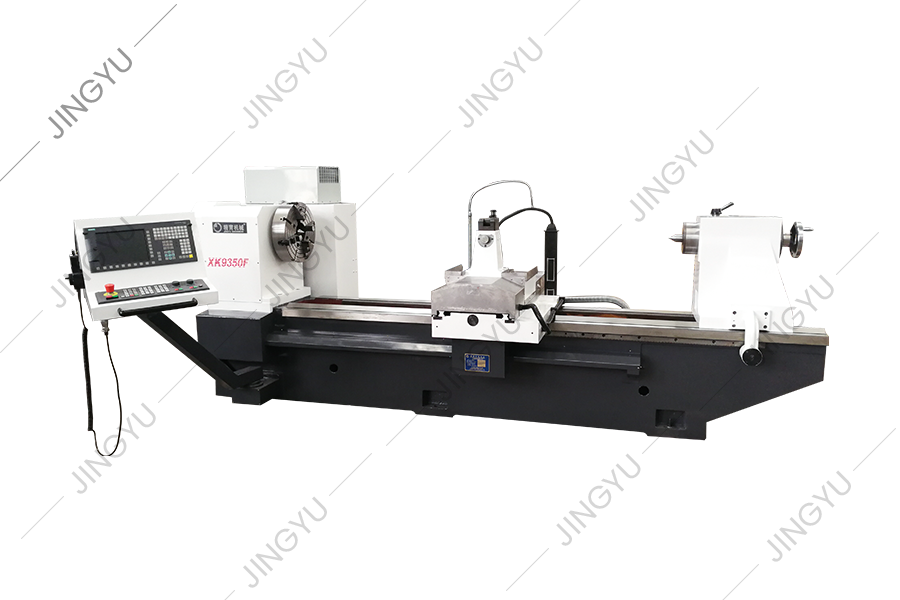
XK9350 series CNC rebar roll crescent groove milling machine is the upgraded product of XK500 type, which is suitable for processing rolls with diamet...
See Details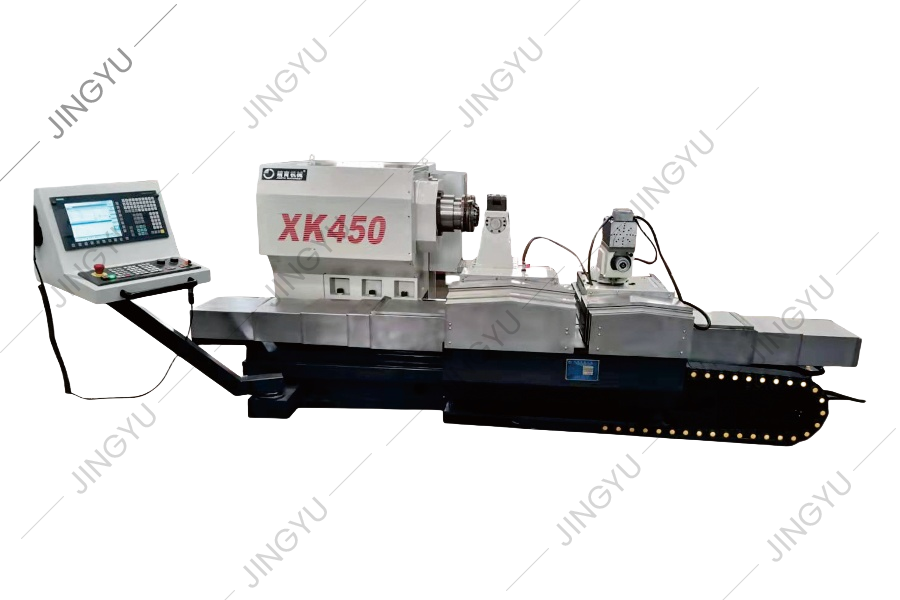
We have accumulated rich experience in the processing and use of rebar rolls, and have conducted in-depth analysis and research on the technology of s...
See Details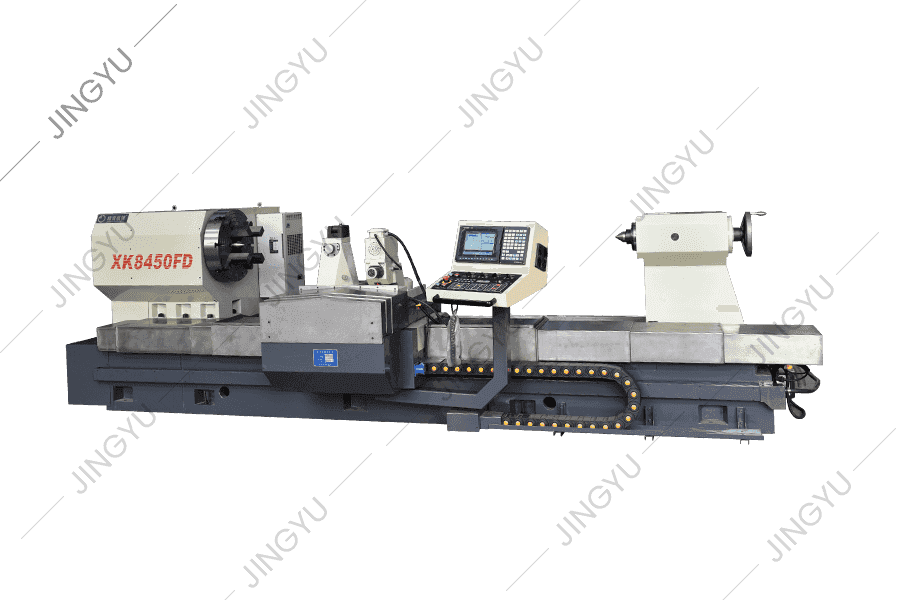
In view of the problems of high speed steel roll processing, XK8450 CNC roll milling machine is a new type of CNC roll groove processing machine tool ...
See Details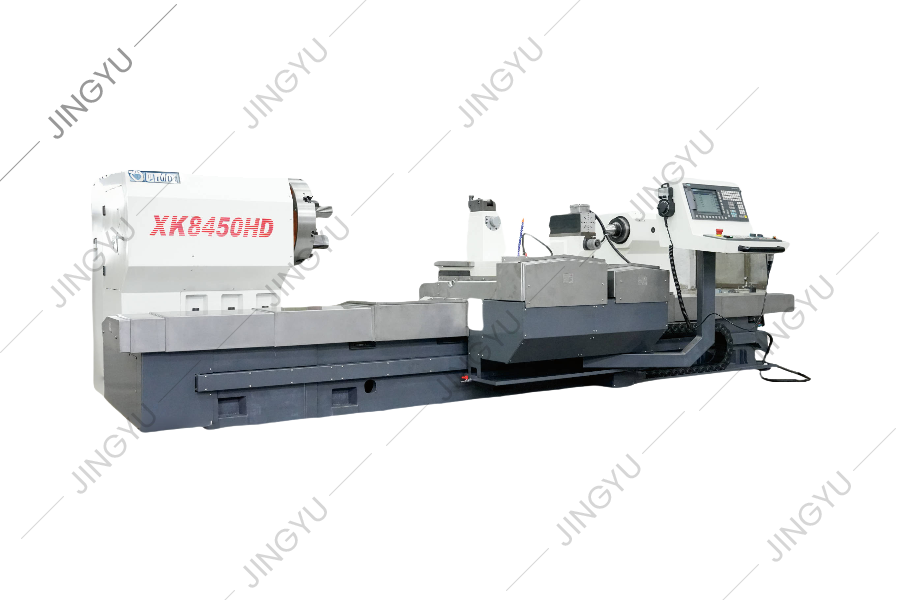
In view of the problems of high-speed steel roll processing, the XK8450 CNC roll milling machine is a new type of CNC roll groove processing machine t...
See Details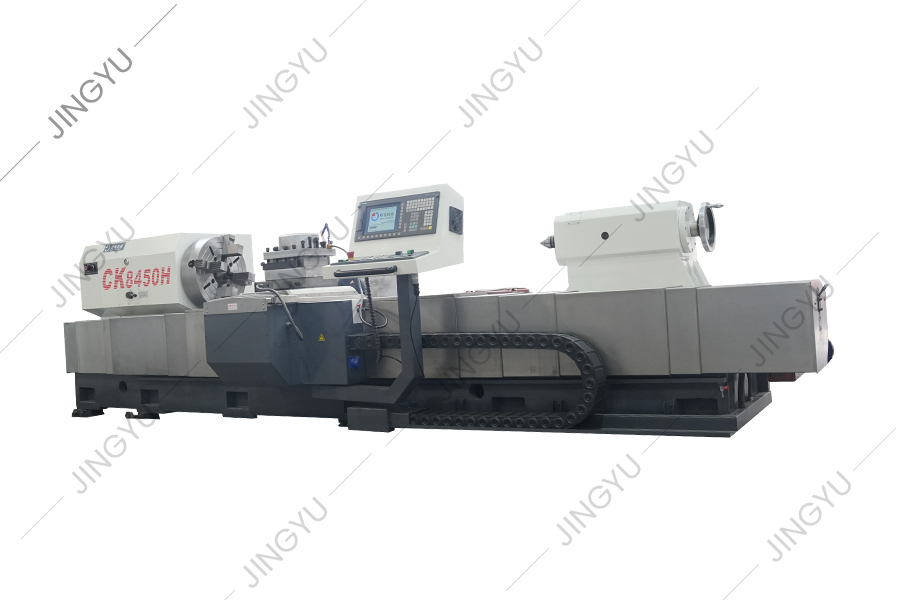
This series of machine tools is mainly used to pass and process rolls. It can also turn the outer circle and roll neck of rolls, and can also turn par...
See Details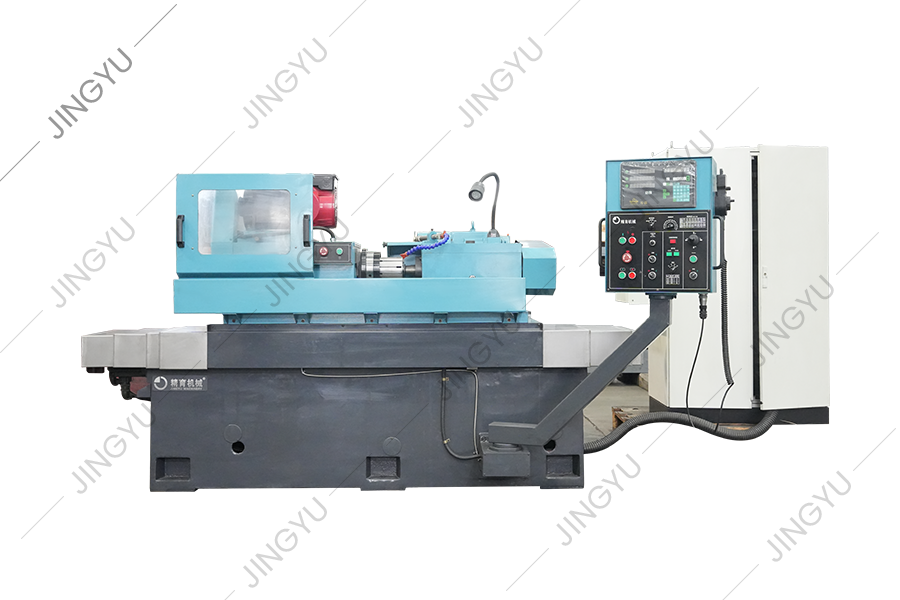
The roll ring forming grinder is mainly used for grinding tungsten carbide roller rings for high-speed wire rod production. The formed diamond grindin...
See Details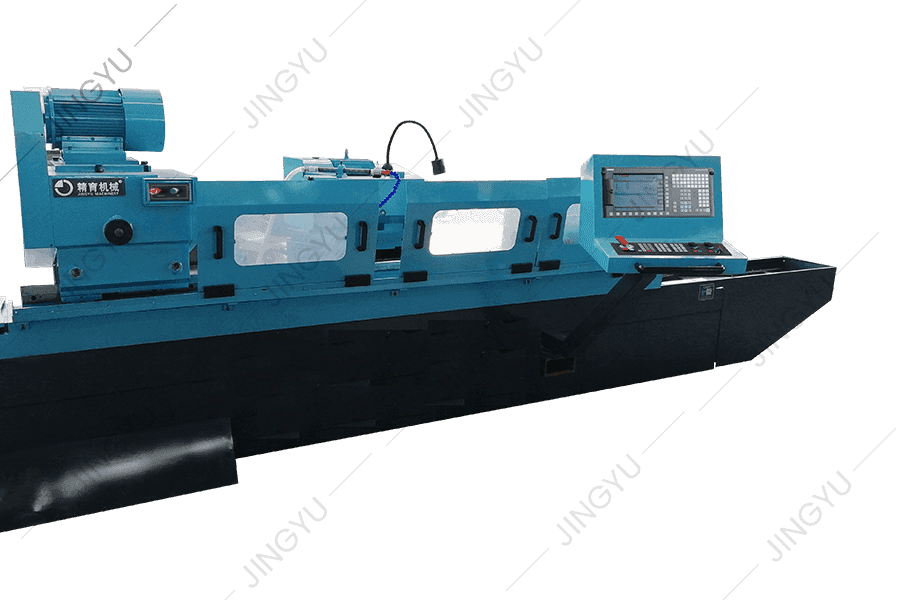
MK8450 CNC roll grinder is mainly used for rough grinding, semi-finish grinding, fine grinding, and non-spark grinding of the outer circles and R groo...
See Details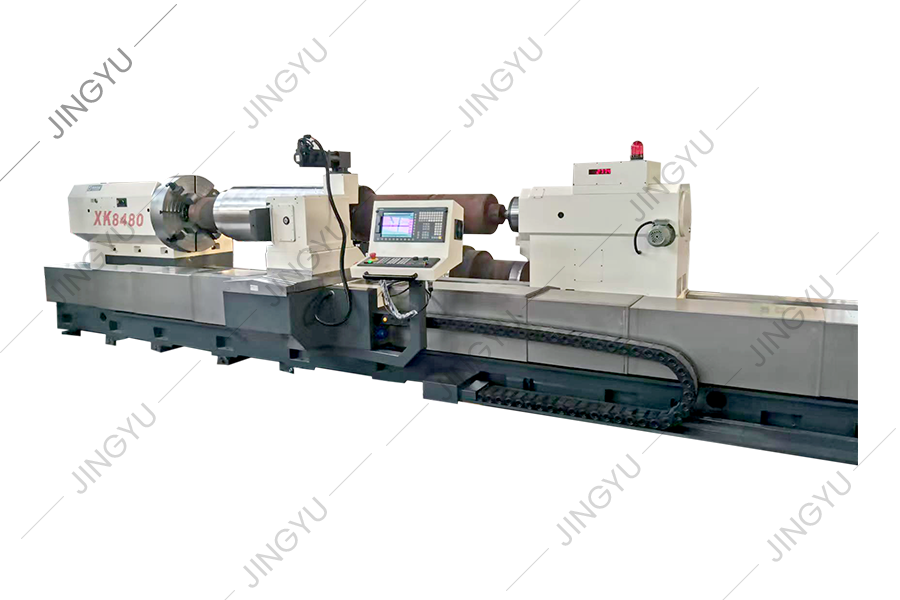
At present, pattern roll engraving at home and abroad generally adopts electrolysis method, ordinary horizontal milling machine milling and other proc...
See Details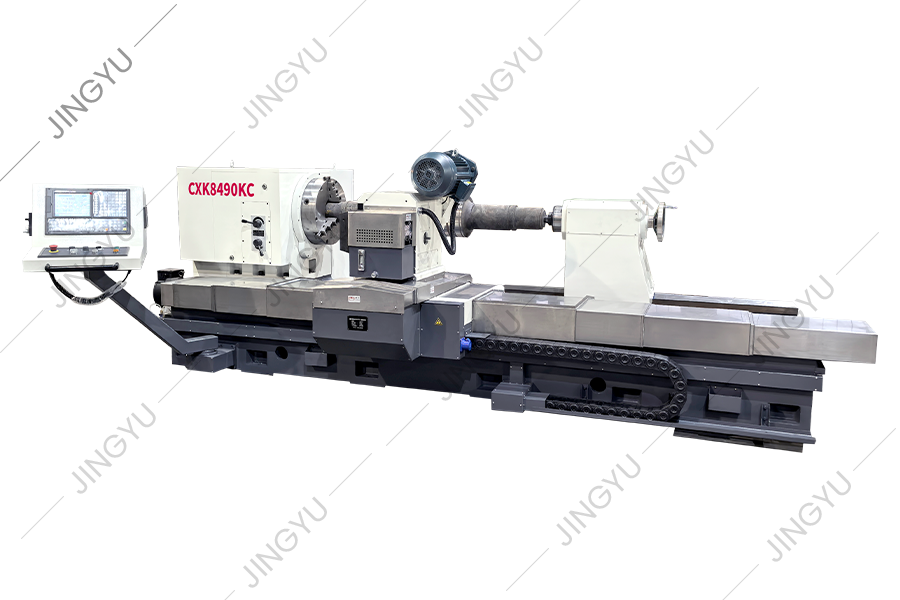
This machine tool is a new type of CNC roll grooving machine tool developed based on the company's CNC roll milling machine series and after full rese...
See Details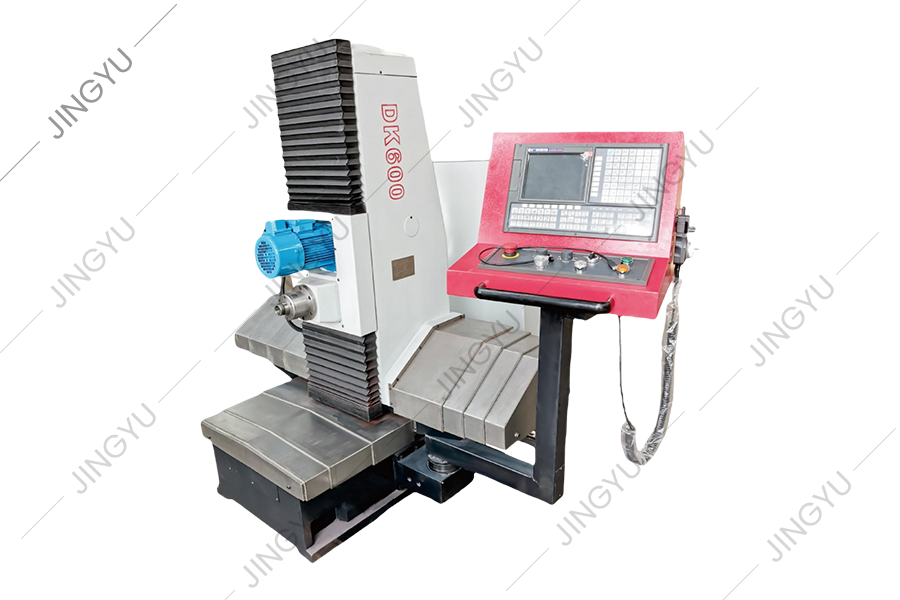
CNC roll engraving machine is suitable for processing various roll end face markings. Through the automatic editing software, it can generate processi...
See DetailsNo.3, Xinghe Road, Zhaxi Industrial Park, Chongchuan District, Nantong, Jiangsu Province, 226003, P.R.China
info@rolllathe.com jennifergao@rolllathe.com
+86-513-85636116
Copyright © Nantong Jingyu Machinery Co., Ltd. All Rights Reserved
 China Roll Turning Lathe Manufacturers
